REVIEW · OSAKA
Osaka Private Custom Walking Tour
Book on Viator →Operated by DeepExperience · Bookable on Viator
Osaka can feel huge. This private tour keeps it manageable while staying fun and flexible. You get a fully customizable itinerary built around your pace, plus an English-speaking guide who can steer you through the city’s big hits without turning it into a checklist.
What I especially like is how much control you have over the day, from relaxed wandering to a more ambitious route.
The best part is the human touch. Guides such as Aquino, Benoit, Hina, and Kina are praised for being kind, responsive, and willing to adjust to limited time and changing preferences (and yes, that includes help with avoiding crowds when it makes sense). If you’re the type who hates wasting time, this structure helps.
One thing to plan around: not everything is included. Entrance fees for certain stops aren’t part of the price, and private transportation isn’t included, so you’ll rely on walking and public transit even though pickup may be offered.
In This Review
- Key things to know before you go
- Why this Osaka private walking tour feels worth it
- Meeting at Osaka Station and planning your 4–8 hour day
- Osaka Castle and Osaka Castle Park: start with views and context
- Namba and Dotonbori: neon streets, food you can’t fake
- Kuromon Market: the kitchen of Osaka (plan your snack strategy)
- Sumiyoshi Taisha and Shitennoji: a calm break from the street noise
- Shinsekai and Tsutenkaku: retro Osaka and an old-school view
- Umeda Sky Building and Abeno Harukas: pick your favorite skyline
- Tenjimbashisuji Shopping Street: a long walk for local browsing
- Price and value: what $270.38 buys you (and what it doesn’t)
- Who this tour fits best (and who might prefer something else)
- Should you book this custom Osaka private walking tour?
- FAQ
- Is this tour private?
- How long is the Osaka private custom walking tour?
- What’s included in the price?
- Are pickup and drop-off available?
- Where does the tour start and end?
- Do I need to pay entrance fees?
- Is private transportation included?
- What kind of fitness level do I need?
- What ticket type do I receive?
- What is the cancellation policy?
Key things to know before you go
- Private and custom: your route is tailored to your interests and pace, not a fixed script.
- English-speaking guide: you won’t be guessing at what you’re seeing or why it matters.
- 4 to 8 hours gives breathing room: you can choose fewer stops for a slower day or pack in more sights.
- Some stops cost extra: Osaka Castle and several observation decks typically require separate tickets.
- Meeting at Osaka Station is easy: the start point is clear, and the tour ends back near there.
- Mobile ticket and pickup options: smoother on-the-day logistics, especially after a long travel day.
Why this Osaka private walking tour feels worth it
This is a private, custom Osaka walking tour, which means you’re paying for something you can’t buy at a machine: direction. When you have one person mapping your time, Osaka goes from confusing to clear. You still get to experience famous places, but you spend less time figuring out where to go next.
I also like the balance in the itinerary options. You can mix headline sights (like Osaka Castle, Tsutenkaku, and Abeno Harukas) with quieter cultural anchors (Sumiyoshi Taisha and Shitennoji). That variety helps if you don’t want your day to be nothing but neon streets.
One more practical win: it’s built for real schedules. With a 4–8 hour window, you can do a half-day sampler or a longer “see the city” route, depending on jet lag, weather, and what you care about most.
You can also read our reviews of more walking tours in Osaka


Meeting at Osaka Station and planning your 4–8 hour day
Your tour starts at Osaka Station Central Gate JR Ticket Office (Central Ticket Gate area, Umeda). The tour ends back at the meeting point, which is a big deal when you’re tired and don’t want to scramble for a plan B.
Pickup is offered, and the tour is set up for a custom pickup and drop-off style experience. Still, public transit and walking are part of the deal since private transportation isn’t included.
Expect moderate walking. This is not a “sit down and be chauffeured” day. You’re moving between neighborhoods and likely dealing with stairs and short climbs when you visit observation decks and castle areas.
Osaka Castle and Osaka Castle Park: start with views and context
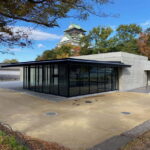
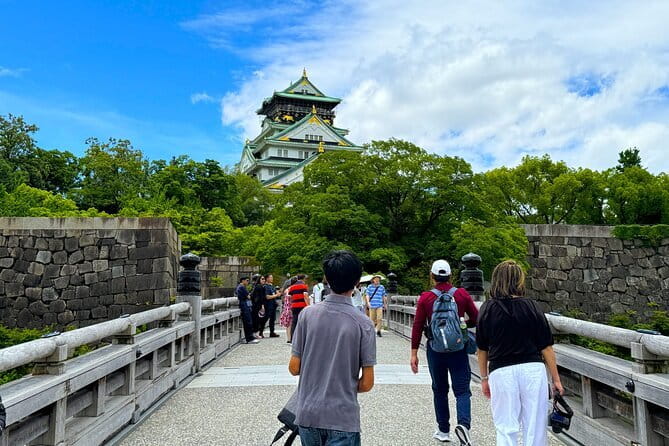
If you choose it, Osaka Castle is the natural opener. The castle was built in 1583 and it’s a symbol tied to Japan’s unification era. On this kind of stop, what you gain isn’t just the exterior photos—it’s the chance to understand why this place matters before you move into modern Osaka.
You can also plan around time expectations. The stop is short (about 30 minutes), and admission for Osaka Castle is not included. That means you’ll want to hit the highlights efficiently: museum areas inside, then the panoramic view from the top floor.
Right after that, Osaka Castle Park extends the experience. The park itself is free to enter, so it’s a great place to slow down, breathe, and take photos without budgeting another ticket right away. If you’re doing this on a hot day, the park breaks up the walking grind.
Practical note: since Osaka Castle has a separate ticket, add that cost early to avoid surprises later. It’s also one of those stops where you’ll want to be smart with timing if lines look intense.
Namba and Dotonbori: neon streets, food you can’t fake
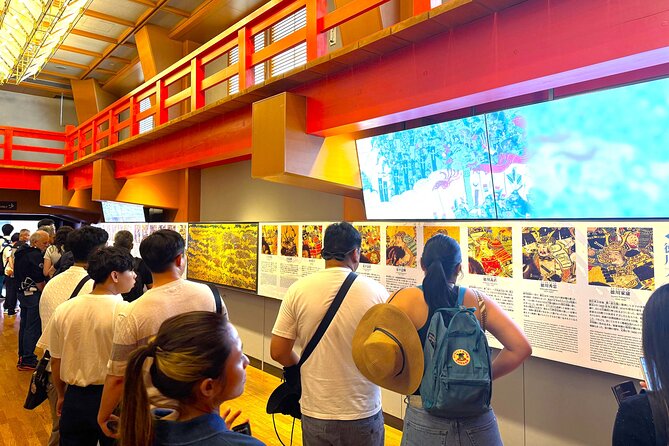
From the castle area, the route typically shifts toward the energy of Namba. Namba is a major hub for dining, shopping, and entertainment, and it’s a good neighborhood to use as your “people-watching + first tastes of Osaka” zone.
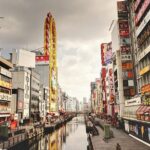
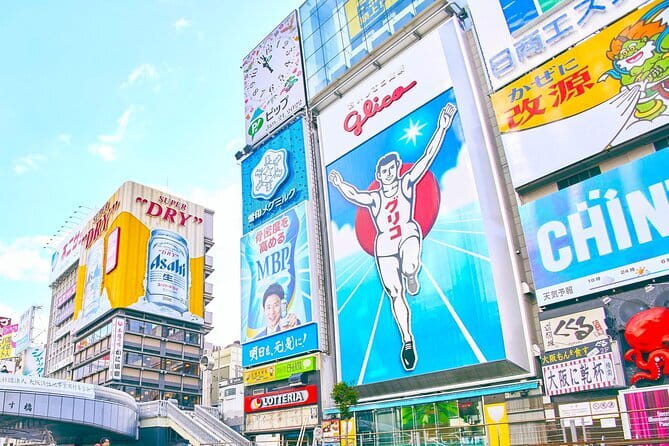
Then comes Dotonbori, the entertainment district known for neon, big signboards, and that instant “you’re in Osaka” feeling. This stop is also where the guide helps you avoid aimless wandering. Instead of randomly choosing snacks, you can focus on what you actually want to eat.
The itinerary guidance points to classic favorites like takoyaki and okonomiyaki. It also mentions options like a river cruise and photo moments along the canal area. Those extras aren’t described as included, so treat them as choices you can add depending on time and your budget.
If you care about food but don’t want decision fatigue, a guide here is gold. You’ll know where to go, what to look for, and when it’s worth trying something local versus repeating an already-standard tourist pick.
Kuromon Market: the kitchen of Osaka (plan your snack strategy)
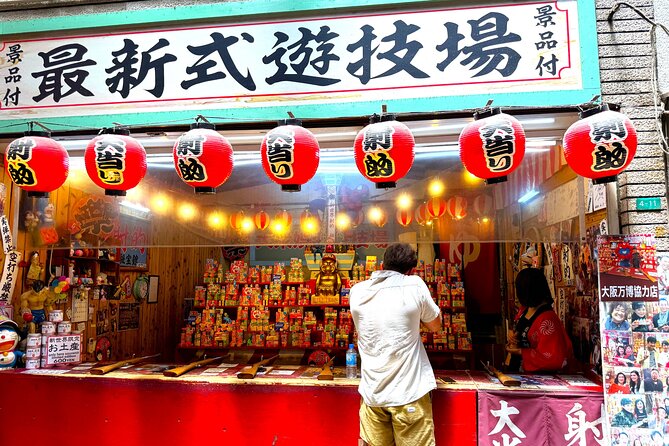
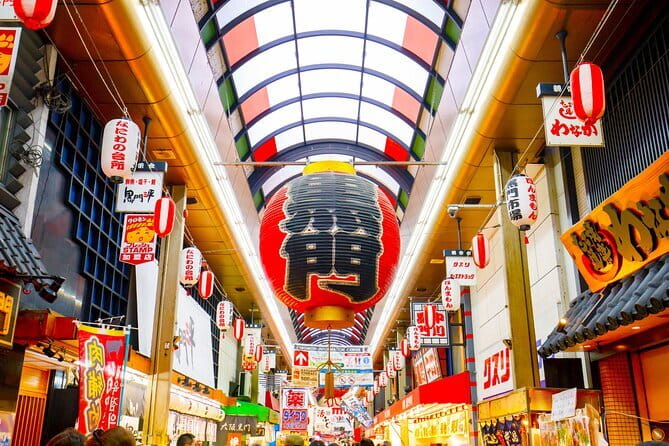
Kuromon Market is often described as a food lover’s paradise, and it earns that reputation. The market is known as Osaka’s Kitchen and it’s where you’ll commonly find fresh seafood, premium wagyu beef, and plenty of street-style bites.
This is another stop that’s only about 30 minutes, so treat it like a tactical tasting mission. If you’re hungry, pick 2–3 things that match your tastes and don’t get distracted by the full menu of tempting options.
The value of having a guide here is simple: they can help you choose stalls and foods that make sense for your time. Without that, you can end up spending 20 minutes trying to decide where to start.
You can also read our reviews of more private tours in Osaka

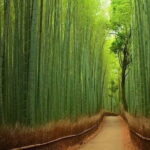


Sumiyoshi Taisha and Shitennoji: a calm break from the street noise
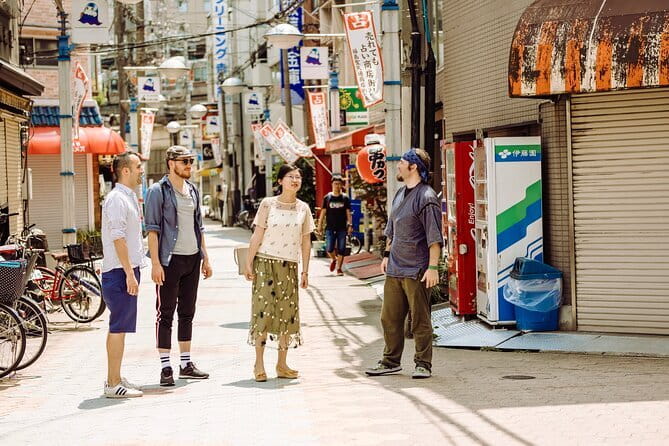
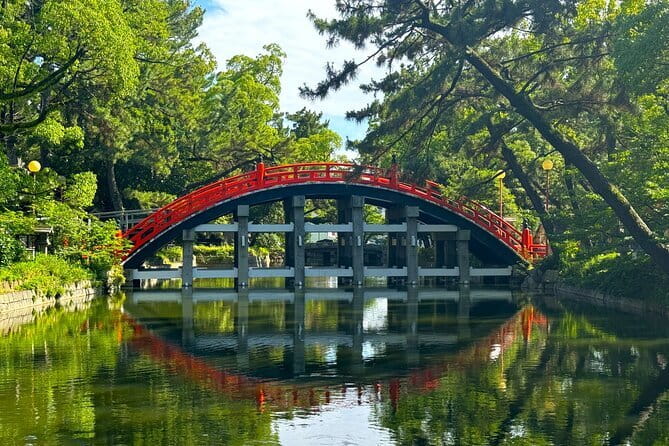
If your day has lots of neon, you’ll appreciate the reset of Sumiyoshi Taisha. This Shinto shrine is among the oldest and most important in the country. Its architecture is known for Sumiyoshi-zukuri, and the experience is more about pacing and atmosphere than ticking boxes.
This stop being free is also a good sign for your budget. About 30 minutes is enough to enjoy a peaceful stroll through the grounds and get a sense of why shrines like this remain central to local life.
Then you can shift into Shitennoji, described as Japan’s oldest Buddhist temple. It was founded by Prince Shotoku, and the grounds include gardens and traditional pagodas. As with Osaka Castle, admission is noted as not included, so it’s another potential ticket cost.
When you place these stops back-to-back with Dotonbori and Namba, something good happens: Osaka stops feeling like a single type of experience. You see tradition, then modern streets, then back to tradition again—like Osaka is showing you the whole range.
Shinsekai and Tsutenkaku: retro Osaka and an old-school view

Next, the itinerary often includes Shinsekai, a nostalgic district where retro Osaka is part of the theme. It’s especially associated with Tsutenkaku Tower, and it’s a fun area to wander slowly.
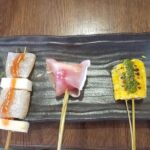
You’ll also get food ideas here, including kushikatsu (fried skewers). The best way to use this neighborhood is to let the guide point you toward a few choices that fit your appetite, then take your time walking around.
Tsutenkaku Tower is the payoff stop if you want the view. The tower is a symbol tied to post-war revival and it was originally built in 1912. Like some other major attractions, the observation experience is listed as not included, so budget for an additional ticket.
This is a great stop if you want “Osaka from above,” especially after walking street-level neighborhoods all day. It turns your route into something you can picture on a map later.
Umeda Sky Building and Abeno Harukas: pick your favorite skyline
Modern Osaka shows up fast at Umeda Sky Building. The key attraction here is the Floating Garden Observatory, with panoramic cityscapes. This is another stop where time is tight, so choose what you’ll prioritize: photo angles, the view itself, and moving on.
Then there’s Abeno Harukas, described as Japan’s tallest skyscraper. The attraction includes an observation deck, plus shopping, dining, and art exhibitions inside. If you love mixing “look-out views” with things to browse, this one gives you more to do without changing neighborhoods.
Both of these major observation stops are listed as not included, so entrance costs can add up if you choose multiple ticketed decks. The upside is that they let you see Osaka’s shape—how the neighborhoods connect and where the river and big districts sit in relation to each other.
If you have limited time, I’d choose just one skyline option. If you have extra time and you love views, doing both can feel worth it.
Tenjimbashisuji Shopping Street: a long walk for local browsing
For a more grounded, local-feeling finish, the route can include Tenjimbashisuji Shopping Street. It’s described as Japan’s longest shopping arcade, stretching over 2.6 kilometers.
This is a smart choice if you want a break from major landmarks. It’s mostly about walking, browsing, and snacking at traditional eateries rather than rushing from one photo spot to the next.
Since your time is limited in a 4–8 hour tour, this stop works best when you treat it as a stroll, not a marathon. Ask your guide to point you to 1–2 shops or food stops you’d actually enjoy.
Price and value: what $270.38 buys you (and what it doesn’t)
The price is $270.38 per person, and the tour is often booked about 38 days in advance on average. That tells me this is a popular option for people who plan their days ahead and don’t want surprises.
Here’s what your money is really paying for:
- A private, English-speaking guide who can build and adjust your plan.
- Time—not just sightseeing time, but the time saved by avoiding dead ends and figuring out the best order.
- Flexibility within that 4–8 hour window, based on your pace.
Here’s what isn’t included:
- Entrance fees and taxes for stops where tickets are required.
- Private transportation.
- Some guide-related costs in cases involving far or high-cost attractions (the provider flags this possibility ahead of time).
What this means for budgeting: if you include Osaka Castle, Shitennoji, and one or two observation decks, you should expect extra ticket spending. The tour’s value still holds, but you’ll feel better if you plan for it instead of treating it as a surprise tax at each stop.
The price also gets more reasonable if you’re traveling as a group since group discounts are listed. And because it’s a private tour, you’re not stuck sharing attention with strangers while you try to make choices about food and photo stops.
Who this tour fits best (and who might prefer something else)
This is a great fit if you:
- want a custom itinerary instead of a fixed group schedule,
- care about both famous landmarks and cultural stops,
- prefer to ask questions and get local context while you walk,
- have limited time and want someone to help you prioritize.
It’s less ideal if you:
- don’t want to walk much (it’s still a walking tour),
- hate paying separate ticket fees,
- are hoping for a full taxi-style day with private transportation included.
If you like planning, you’ll enjoy this even more. You can tell your guide what matters most—castle, temples, views, food, shopping—and build a route that feels like your Osaka day.
Should you book this custom Osaka private walking tour?
I’d book it if you want Osaka that feels organized but not robotic. The biggest win is the private customization: you’re choosing how much you see and how you experience it, with an English-speaking guide who can respond to your pace and interests.
Skip it (or adjust expectations) if your top priority is “everything included” sightseeing. Entrance tickets for key stops are separate, and private transportation isn’t part of the deal, so you’ll want to be okay with walking plus a few extra costs.
Overall, this is a solid choice for travelers who want to see a lot of Osaka while still feeling in control of the day.
FAQ
Is this tour private?
Yes. It’s a private tour/activity, so only your group participates.
How long is the Osaka private custom walking tour?
The duration is about 4 to 8 hours.
What’s included in the price?
It includes an English-speaking guide and a customized itinerary.
Are pickup and drop-off available?
Pickup is offered, and the experience includes custom pick-up and drop-off options as part of the plan.
Where does the tour start and end?
It starts at Osaka Station Central Gate JR Ticket Office (Central Ticket Gate, 3-chōme-1-1 Umeda) and ends back at the meeting point.
Do I need to pay entrance fees?
Yes. Entrance fees are not included and are charged separately based on the locations visited in your customized itinerary.
Is private transportation included?
No. Private transportation is listed as not included.
What kind of fitness level do I need?
You should have a moderate physical fitness level since this is a walking tour.
What ticket type do I receive?
The tour includes a mobile ticket.
What is the cancellation policy?
You can cancel for a full refund up to 24 hours in advance of the experience start time. If you cancel less than 24 hours before, the amount you paid is not refunded.