REVIEW · OSAKA
Osaka: Matcha Making Experience with Japanese Sweets
Book on GetYourGuide →Operated by Sushi Making Japan | Cooking Class in Japan · Bookable on GetYourGuide
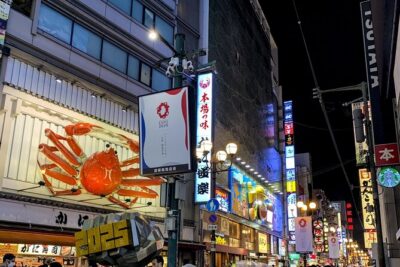
Matcha lesson in Osaka beats another food stop. This class mixes a light, interactive matcha quiz with hands-on whisking and a sit-down tasting of Japanese sweets nearby Dotonbori and Shinsaibashi.
What I like most is the mix of history + making. You’ll learn how matcha fits into Japanese tea culture, then you’ll actually whisk your own using traditional tools, with English support and a small group so you can ask questions.
One thing to consider: it’s only 1 hour, so you get the essentials, not a long tea-ceremony deep training. Also, the meeting point is on a 3rd floor, so you’ll want to plan for stairs.
In This Review
- Key highlights worth your time
- Why do matcha making in Osaka, not just drink it?
- Where you meet near Shinsaibashi (and how to not waste time)
- The 1-hour flow: quiz, whisk, sip, and snack
- 1) Welcome and a matcha history quiz
- 2) Whisking your own matcha with traditional tools
- 3) Drink your matcha and eat Japanese sweets
- The matcha history quiz: what you actually take away
- Whisking technique: smooth texture without the intimidating ceremony
- The pairing part: matcha and Japanese sweets
- Your guides matter: from Fujiko to Takara, and why it feels personal
- Price and value: does $22 make sense?
- Who should book this Osaka matcha class?
- Should you book Matcha Making Osaka?
- FAQ
- Do I need any matcha experience before this class?
- How long is the Osaka matcha making experience?
- What does the class cost?
- Where exactly do I meet the instructor?
- How many people are in the group?
- Is the instructor available in English?
- What’s included in the price?
- Is hotel pickup or drop-off included?
- Can I cancel and get a full refund?
Key highlights worth your time
- Interactive matcha history quiz that stays fun, not preachy
- Hands-on whisking using traditional tea tools, with coaching in English
- Tea + Japanese sweets pairing right after you make your cup
- Small group limit of 6, so you’re not lost in the crowd
- Central location near Shinsaibashi, perfect before or after dinner in Dotonbori
- Friendly instructors with real personality, from Serin and Reika to Fujiko, Takara, Yui, and Shota
Why do matcha making in Osaka, not just drink it?
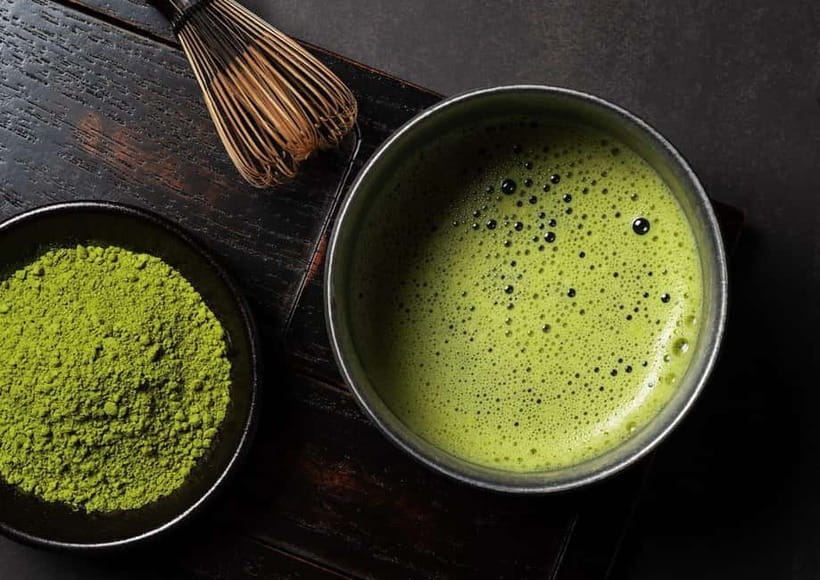
Osaka is a food city, and it’s easy to treat matcha like just another drink on a menu. This experience turns matcha from something you order into something you understand.
You’ll get the basics of what makes good matcha feel smooth, aromatic, and balanced. Then you’ll feel the difference immediately as you whisk and taste—no translation gaps, since the instructor works in English and guides you step by step.
You can also read our reviews of more tours and experiences in Osaka
Where you meet near Shinsaibashi (and how to not waste time)
You’ll meet at the 3rd floor, Galleria Acca Building, about a 5-minute walk from Shinsaibashi Station. If you’re using maps, aim for the coordinates 34.6723159, 135.5024459, then take the stairs up to the right floor.
This matters because you’re doing this class in central Osaka, where streets can be crowded and signage can be confusing. Plan to arrive a few minutes early so you can settle in and start on time.
The 1-hour flow: quiz, whisk, sip, and snack
The class runs for 1 hour, and the rhythm is simple: learn a bit, make your cup, then enjoy it. No experience is required, which is a relief if you’ve never whisked tea before.
Here’s how it typically unfolds.
1) Welcome and a matcha history quiz
The session starts with an interactive, lighthearted quiz about matcha history. Instead of a lecture that drifts into the background, the quiz keeps you paying attention and makes key ideas stick.
You’ll cover the story of matcha—where it came from and why Japanese tea culture treats it differently from regular green tea. It’s the kind of context that makes your tasting afterward make more sense.
2) Whisking your own matcha with traditional tools
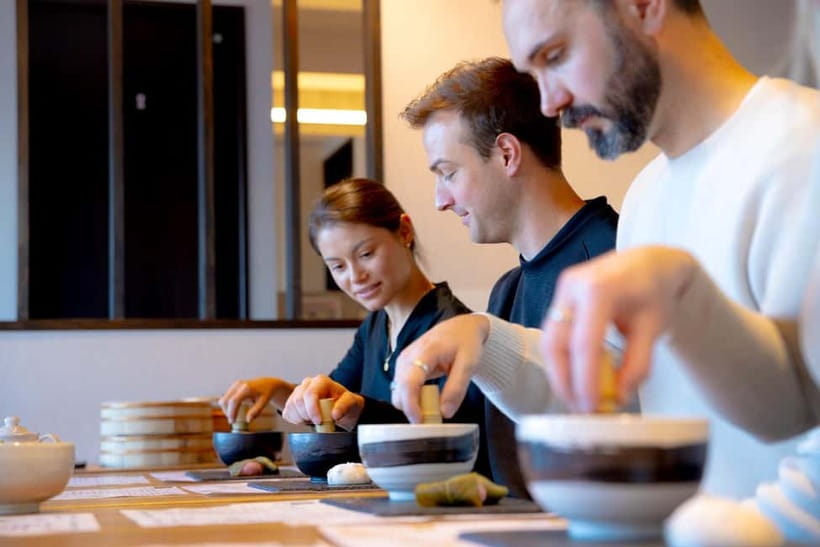
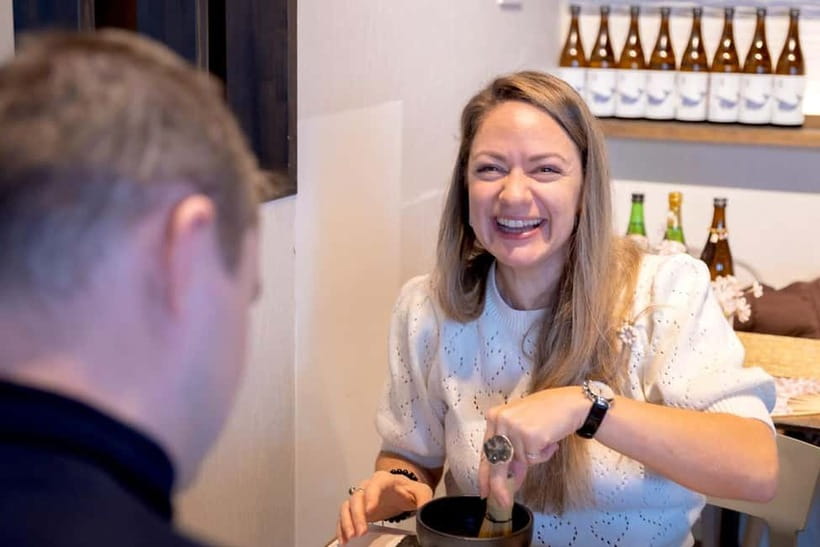
Next comes the hands-on part. You’ll learn how to whisk matcha properly and you’ll do it yourself, guided like a beginner but with real technique.
Multiple instructors are mentioned across the experience—people like Serin, Fujiko, Takara, Yui, Reika, and Shota—and the common thread is clear coaching. Expect tips that help you avoid lumps and get that smoother texture people associate with well-made matcha.


3) Drink your matcha and eat Japanese sweets
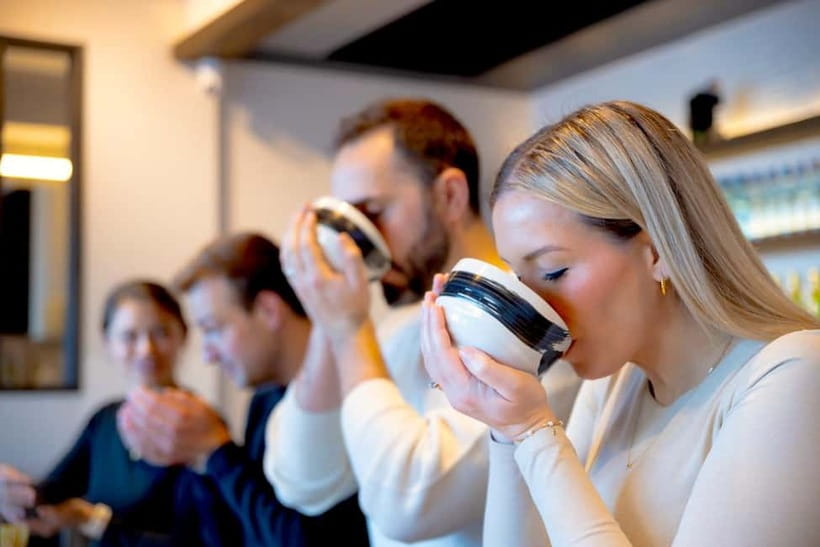
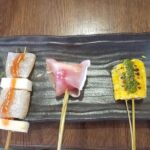
After whisking, you’ll taste your matcha right there. You also get Japanese sweets to eat alongside the tea, which is a big part of why this class works better than a quick drink-and-go.
You’re not eating random snacks. The sweets are served as a pairing, so you can notice how sweetness and texture change the matcha experience.
The matcha history quiz: what you actually take away
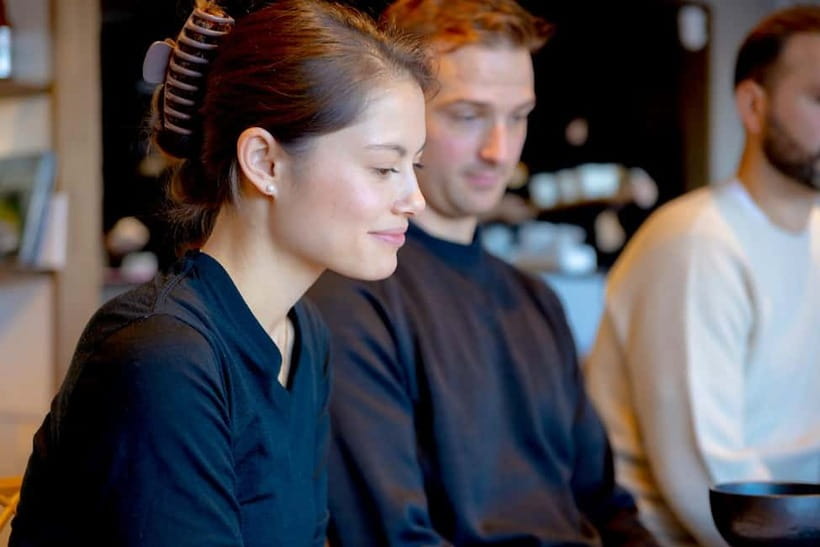
I like that the history part is short and playful. You’re not forced to memorize dates. You’re guided toward the big ideas: what matcha is, why it’s used in tea culture, and how the ritual changed the way people prepared and drank it.
That quiz format also helps you feel comfortable quickly. If you’re traveling with a group, it becomes an icebreaker. If you’re solo, it keeps you from feeling like you’re sitting through a school lesson in a tiny room.
One practical bonus: once you know the purpose behind the steps, you can whisk more confidently at home. Even if you don’t replicate everything perfectly, you’ll understand what you’re trying to achieve.
Whisking technique: smooth texture without the intimidating ceremony
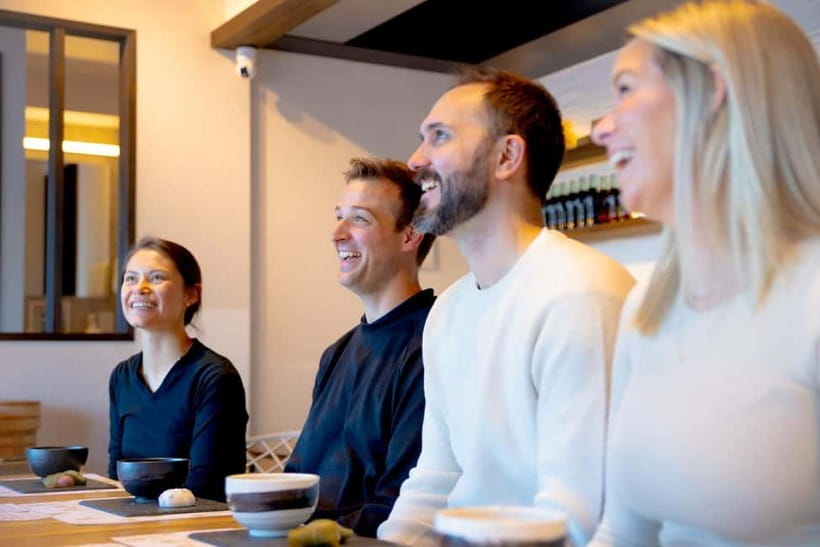
This is where the experience earns its keep. You’re not just watching someone else do it. You’re whisking your own matcha using traditional tools, with English-speaking staff correcting your form as needed.
What you’re aiming for is a creamy, smooth-looking tea. In the class, instructors focus on how to handle the powder and how to whisk so it dissolves properly, instead of clumping.
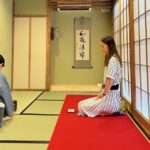
Also, the room setup is designed to feel traditional without being miserable. One person specifically noted that the table setup avoids making you kneel on the floor, which is useful if you’re not used to sitting on the floor in a tea space.
If you’ve ever had matcha that tasted bitter or flat, learning the basic whisk method can change how you judge matcha when you order it again later.
The pairing part: matcha and Japanese sweets
Matcha and sweets are a classic combo, but what’s helpful here is that you eat them together as part of the class, not hours later when your palate is tired.
The sweets add sweetness and soften matcha’s green edge. That contrast helps you notice different flavors—like a gentle bitterness from the tea versus a warmer, fruitier, or bean-based sweetness in the dessert.
You’ll also be tasting in a calm setting, away from street noise. Multiple participants described it as a nice break from the heat or crowds, which is smart when you’re in Osaka and the day is running hot.
Your guides matter: from Fujiko to Takara, and why it feels personal
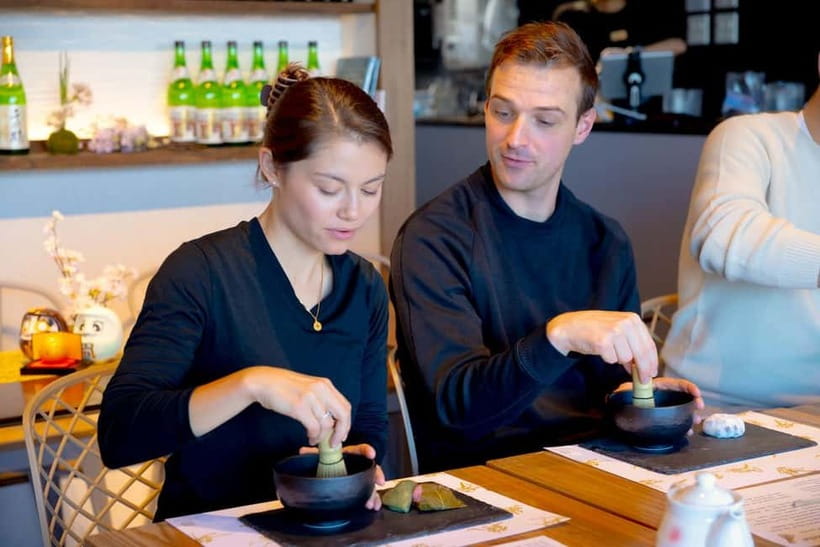
Small group teaching is only good if the instructor connects with you. This experience seems to do that well.
You’ll hear names like Fujiko, Takara, Yui, Reika, and Serin in participant accounts. What stands out is not just knowledge of tea, but the teaching style: interactive, friendly, and patient enough for true first-timers.
Several instructors also share helpful practical tips beyond the whisking steps—like what to look for in matcha quality, and even local Osaka suggestions for eating. That’s a useful add-on because Osaka has so many food choices that it’s hard to pick without guidance.
If you’re traveling with kids, you’ll be glad to know at least one participant brought a 9-month baby and still made it work. The small group size and guided pace can help families feel less overwhelmed.
Price and value: does $22 make sense?
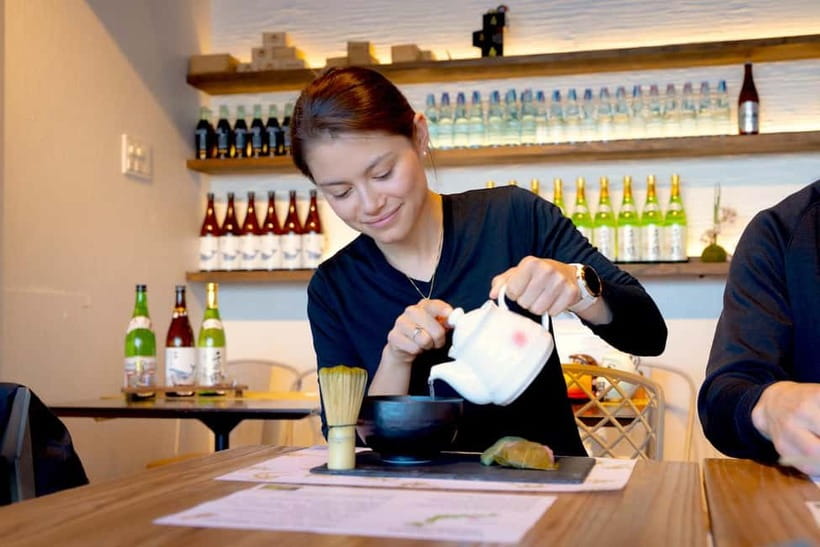
$22 per person for a 1-hour class doesn’t sound huge, and what makes it feel fair is what’s included: the cooking class, ingredients, and the instructor.
You’re paying for three things:
- Hands-on instruction in a small group (up to 6 people)
- The ingredients and tools needed to make real matcha
- The sit-down tasting experience with Japanese sweets
If you try to recreate this at home, you’ll spend money on matcha powder, a whisk, and the right bowl—and you’ll still miss the in-person coaching. Here, you get the technique quickly and you can take mental notes to improve your next cup.
Also, being near Shinsaibashi means you can fit this into a meal-heavy itinerary. It’s a high-value pause before you go back out to eat your next Osaka favorite.
Who should book this Osaka matcha class?
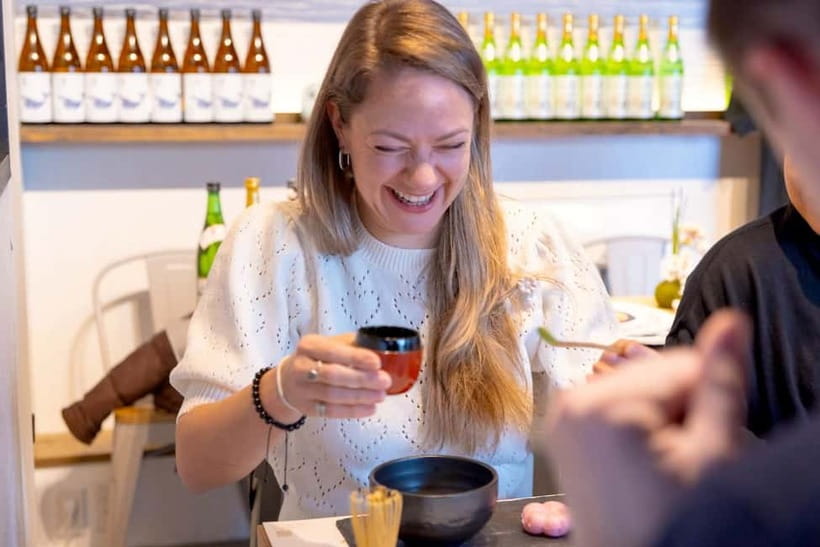
This class fits best if you want one of these experiences:
- A first-time matcha lesson with English guidance
- A break from the busiest Osaka streets, in a calmer setting
- A hands-on cultural activity that’s short enough to fit into any schedule
- Something more memorable than buying a drink to go
It also works well if you like interactive teaching. The quiz style makes it feel light, and the whisking part keeps you engaged without needing prior skills.
Should you book Matcha Making Osaka?
If you’re planning to spend time around Dotonbori and Shinsaibashi, I’d book it. For $22 and 1 hour, you’re getting technique, context, and a sit-down tasting with sweets—plus you’re doing it in a small group with English-speaking staff.
I’d skip it only if you’re looking for a long, formal tea ceremony experience or you want a deeper multi-hour workshop. This is built to be friendly, practical, and efficient.
FAQ
Do I need any matcha experience before this class?
No. The experience is designed for beginners, and the instructor guides you through each step in English.
How long is the Osaka matcha making experience?
It lasts 1 hour.
What does the class cost?
The price is listed as $22 per person.
Where exactly do I meet the instructor?
Meet at 3rd floor, Galleria Acca Building, about a 5-minute walk from Shinsaibashi Station. The provided coordinates are 34.6723159, 135.5024459.
How many people are in the group?
It’s a small group limited to 6 participants.
Is the instructor available in English?
Yes. The instructor speaks English.
What’s included in the price?
The cooking class, ingredients, and the instructor are included.
Is hotel pickup or drop-off included?
No, hotel pickup and drop-off are not included.
Can I cancel and get a full refund?
Yes. Free cancellation is available up to 24 hours in advance for a full refund.