Osaka has a way of mixing chaos with charm. This 3-hour walk throws you into the neighborhoods that make the city tick, with a local guide like Tom who explains what you’re seeing and why it matters. I especially like the short, well-planned pacing and the private or small-group feel, so questions don’t get lost in the crowd. One thing to consider: it’s mostly on your feet, and you’re not getting any included food or drinks.
You start in Namba, then you’re moving through the city layer by layer—signs and street life at Dotonbori, viewpoints above Osaka at Harukas 300, and older lanes around Tsuruhashi and Shin-sekai. Along the way, the guide’s value is practical: where to stand for photos, how to read the vibe of each area, and what else you should do after the tour ends.
If you like structure (a clear route) but still want room to wander and ask questions, this is a solid fit. If you want a long sit-down meal experience or lots of time to linger in museums, you may find the pace a bit tight for your style.
In This Review
- Key highlights in a hurry
- Namba meeting point: start where Osaka actually eats and shops
- Dotonbori and Namba: street signs, photo stops, and market-adjacent energy
- Harukas 300 and the food hall below: views plus a smart snack plan
- Tsuruhashi Korea Town: pre-war streets with a clear, lived-in feel
- Osaka Castle Park: the landmark and the story behind it
- Shin-sekai and Magic Cafe&Bar SHINSEKAI: old Osaka vibes with a playful edge
- Kuromon Ichiba to Doguyasuji: markets, kitchen crafts, and last-stop souvenirs
- Is $45 worth it for three hours of Osaka street knowledge?
- Who this tour suits best (and who should skip it)
- Should you book this Osaka tour?
- FAQ
- How long is the Osaka walking tour?
- How much does the tour cost?
- Is it a private tour or a group tour?
- What languages are the guides available in?
- What’s included in the tour price?
- Are food and drinks included?
- How much walking is involved?
- Where does the tour start?
- Can I cancel if my plans change?
Key highlights in a hurry
- Private or small-group format keeps the tour personal and question-friendly
- Multiple major Osaka zones in just 3 hours, with short transit hops
- Harukas 300 + food hall stop combines city views with a practical snack strategy
- Tsuruhashi Korea Town alleys help you see pre-war commerce in real streets
- Kuromon Ichiba and Doguyasuji add market energy plus kitchen-craft shopping
- English, Spanish, Italian, French support makes communication easy
Namba meeting point: start where Osaka actually eats and shops
The tour begins at 1-chōme-7-10 Namba, in Chuo Ward. I like this starting spot because it gives you immediate context. Namba is where Osaka’s modern “what’s open right now” energy lives—shopping, dining, and entertainment all stacked close together—so even before you begin, you’ll feel like you’re in the working heart of the city.
From here, the walking route makes sense: you’re not marching far to reach your first big visual payoff. It’s also convenient for most visitors because trains connect well to Namba, and you can usually plan your day around it without stress.
You can also read our reviews of more walking tours in Osaka
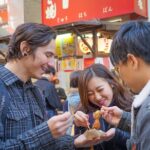
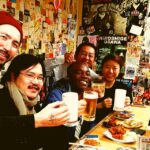

Dotonbori and Namba: street signs, photo stops, and market-adjacent energy
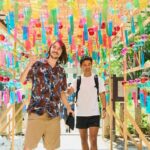
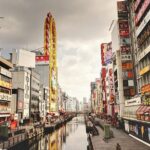
Dotonbori is the place you picture when someone says Osaka. You get a photo stop and guided walk there, plus more time in Namba itself. The best part of this section is that the guide helps you read the street scene instead of just snapping photos. You’ll see why Dotonbori feels like a giant stage—crowds, signs, and the constant pull of food and storefronts.
A practical note: this area can be loud and visually intense. I’d treat it like a place to get oriented fast. Focus on a few anchor shots, notice how shop fronts and signage shape foot traffic, and then use the guided route to avoid aimless wandering.
This is also where the tour’s food-market logic starts to show up. Not every stop is a full meal, but you get the kind of direction that helps you pick what to try later. If you’re the type who wants to eat well without planning every bite in advance, you’ll appreciate that.
Harukas 300 and the food hall below: views plus a smart snack plan
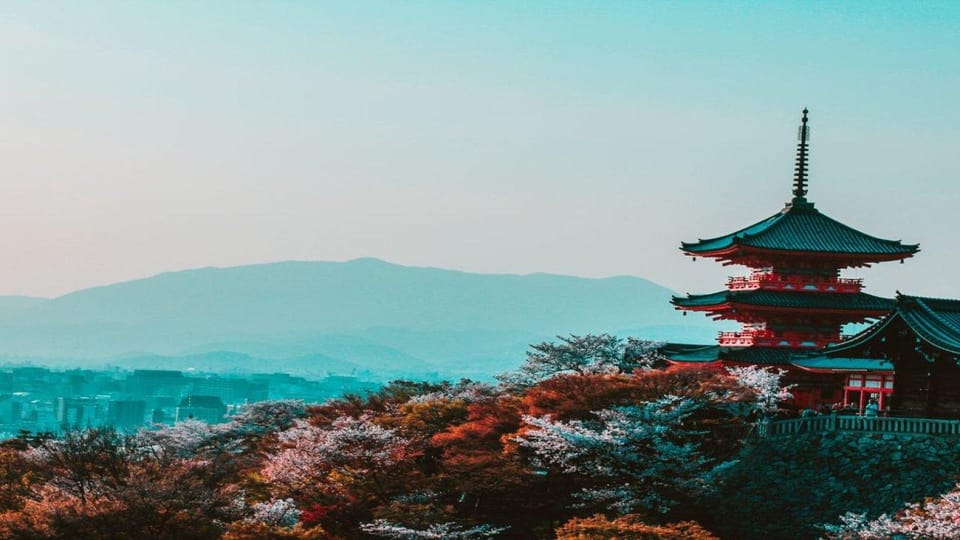
Harukas 300 gives you a high-angle reset. You’ll ride public transport to the Harukas building and then go up for panoramic views. Even if you’ve already seen skyline photos of Osaka, being above the street grid helps you understand how the city sections connect.
After the views, you’ll head down into the department store area, where the food hall becomes the real payoff. You’ll encounter examples of the kind of items people hunt for here—yes, including puffer fish, plus premium Kobe beef. You’re not stuck with one eating option, and that matters because you can match the selection to your budget and comfort level.
Quick reality check: the tour doesn’t include food or drinks. So plan to either bring your own snack strategy (water helps) or keep some cash ready for one or two standout purchases. This stop is best if you’re okay spending time deciding what’s worth your money, not if you expect a guided tasting.
Tsuruhashi Korea Town: pre-war streets with a clear, lived-in feel
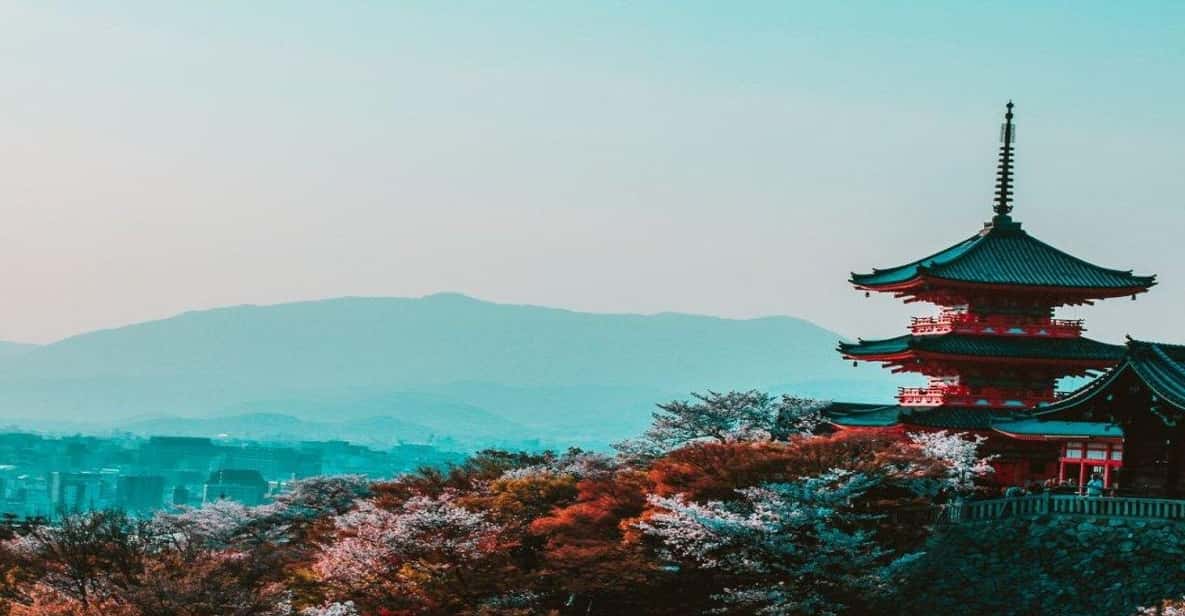
Next comes Tsuruhashi, reached by a brief public transport hop. This is where the tour starts feeling more like a city walk than a sightseeing checklist. You’ll navigate the labyrinthine alleys of Korea Town, where the character is tied to older commercial streets and everyday routines.
What I like about including Tsuruhashi is that it gives Osaka contrast. After the flash of Dotonbori and the height of Harukas, you get something quieter and more human-sized. The alleys slow you down, and the guide’s comments help you notice details you’d likely miss on your own—how shops line up, how neighborhoods evolve, and how cultural influences can feel woven into daily life.
If you like street-level experiences—good for photos, but even better for people-watching—this section delivers. If you hate narrow lanes, crowds, or getting a little close to storefront activity, you may want to keep your pace steady and don’t get discouraged if it feels tighter than the wide avenues.
Osaka Castle Park: the landmark and the story behind it
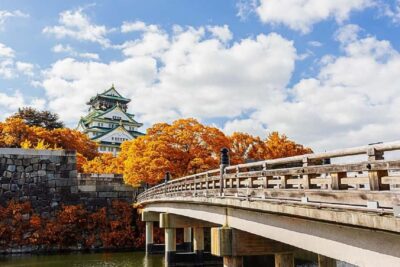
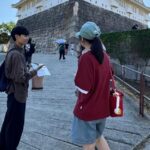
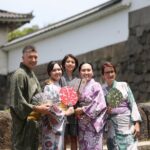
Osaka Castle is your big signature stop, and the tour includes Osaka Castle Park with a photo moment plus guided walking. You’ll marvel at the exterior of the castle and also learn a story tied to Osaka’s past, including a near robbery that happened about four centuries ago.
I like this stop because it balances spectacle with narrative. A castle can feel like just another photo background—until someone places it in the human drama of the era. Even if you’re not a history buff, that kind of storytelling makes the stone and walls feel more personal.
One caution: this is a park setting, so dress for the weather. On windy or rainy days, your comfort will affect how much you enjoy the walking and lingering.
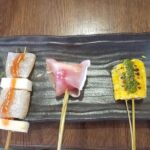
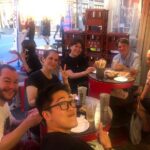
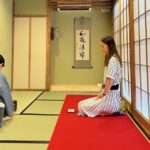
Shin-sekai and Magic Cafe&Bar SHINSEKAI: old Osaka vibes with a playful edge
Then you shift gears to Shin-sekai, a district people often describe as time-worn in the best way. You’ll have a stop that includes Magic Cafe&Bar SHINSEKAI (photo stop and visit), then continue through the area’s classic, slightly weathered charm.
What makes Shin-sekai valuable on this tour is that it’s not treated like a theme park. The guided approach focuses on how the district feels now, not just how it used to be. You get the impression of a place that still has its own rhythm—still used, still seen, still part of how locals move around the city.
This section is also a good reminder of why a small-group format matters. The guide can point out what to notice and how to move through the district without wasting time. And since there are multiple stops packed into only 3 hours, that guidance helps you get more out of each moment.
Kuromon Ichiba to Doguyasuji: markets, kitchen crafts, and last-stop souvenirs
Late in the tour, you’ll move into two very Osaka kinds of shopping: food-market energy and kitchen-craft culture.
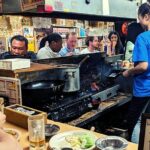
First up is Kuromon Ichiba, a fish market with a history of over 150 years. This is a smart stop because it teaches you something practical: Osaka’s eating culture isn’t only about restaurants. It also lives in the market flow—where you can understand what’s fresh, what looks good, and how people choose what to buy and eat.
Then the tour ends at Doguyasuji, an area devoted to kitchens and culinary supplies. Here you’ll see wax food models, traditional hanging noren at kitchen entrances, and oversized pottery pieces. Even if you don’t plan to buy anything heavy, it’s a great place to browse with your eyes open. The whole street feels like it’s built around food objects and cooking life.
I especially like that Doguyasuji is a satisfying finale. After the skyline, the alleys, and the big landmark, this last stop brings you back down to the tools and visuals that connect to Osaka’s food identity.
Is $45 worth it for three hours of Osaka street knowledge?
At $45 per person for a 3-hour walking tour (private or small group), the value comes from the combination, not any single stop.
Here’s how I see it:
- You’re getting a guided route through multiple major areas without spending time figuring out how to connect them smoothly.
- The guide adds context and practical advice for what to do after the tour—this matters because Osaka rewards good planning, and it saves you from relying only on chance.
- You’re not paying extra for transit inside the experience beyond the included walking and short transport hops the tour uses.
- Food and drinks are not included, which actually helps keep the tour price lower. You choose what to buy based on your appetite and comfort.
If your goal is to get your bearings fast, learn the logic of neighborhoods, and leave with a sharper plan for the rest of your Osaka days, this pricing feels fair. If you want a lot of included meals or long free time at each site, you might feel like you’re paying for structure rather than soaking.
Who this tour suits best (and who should skip it)
This tour is a good match if you:
- want multiple Osaka districts packed into one morning/afternoon
- enjoy walking and seeing how neighborhoods feel in real life
- like learning cultural context through a guide’s explanations
- prefer a private or small-group format so your pace stays yours
It may not fit you as well if:
- you hate walking for extended stretches in crowded areas
- you only want museum-style history with long indoor time
- you’re expecting included tastings or drinks
Should you book this Osaka tour?
I’d book it if you want an organized path through Osaka’s biggest hits and its street-level character, with a guide who focuses on what you should notice and what to do next. The route is built to give you variety—landmark views, market culture, older neighborhood lanes, and a finishing sweep through kitchen craft shops.
One smart way to get the most out of it: go in hungry for ideas, not for every bite. Plan to spend a little extra on one or two food purchases, and bring a question list. The format is set up for dialogue, and that’s where the tour earns its keep.
FAQ
How long is the Osaka walking tour?
It lasts 3 hours.
How much does the tour cost?
The price is $45 per person.
Is it a private tour or a group tour?
It can be private or a small group.
What languages are the guides available in?
The live guide is available in English, Spanish, Italian, and French.
What’s included in the tour price?
The tour includes a private or small group walking tour and a live tour guide.
Are food and drinks included?
No. Drinks or food are not included.
How much walking is involved?
This is a walking tour, and you’ll spend the tour on foot through multiple neighborhoods, with short public transport rides between areas.
Where does the tour start?
The meeting point is 1-chōme-7-10 Namba in Osaka (Chuo Ward).
Can I cancel if my plans change?
There is free cancellation up to 24 hours in advance for a full refund.