REVIEW · OSAKA
Osaka: Bike Adventure with Lunch
Book on GetYourGuide →Operated by InKansai Ltd · Bookable on GetYourGuide
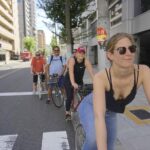
Osaka feels different on two wheels. This Osaka bike adventure links big sights like Osaka Castle with neighborhoods that feel like the city is talking to you. You’ll get a local guide steering the route and sharing the why behind what you’re seeing, not just the what.
Two things I really like about this tour are the way the guide explains Osaka through history and culture, and the fact you stop for lunch at a local eatery instead of a generic tourist meal. The best part is how the food fits naturally into the ride, so the day stays easy to follow.
One possible drawback: this is a 330-minute bike outing, and you’ll need to be comfortable riding for long stretches. If you’re not confident on a bicycle, or if you’re traveling with limitations, this one won’t feel right.
In This Review
- Key highlights you’ll feel from the start
- Meeting up near Tenmabashi and getting rolling
- Japan Mint: start with a place that explains Osaka’s everyday importance
- Nakanoshima Island: European-style buildings and gardens, right in the middle of the city
- Lunch at a guide-favorite local eatery (and yes, it can be Japanese curry)
- The oldest temple in Japan: a quiet reset before the big energy
- Tsutenkaku and Japan’s tallest building: Shin-Sekai’s signature stop
- Osaka Castle to end: the big visual payoff
- Pace, timing, and what 330 minutes really means for you
- Small-group guiding: why the guide names matter
- Value for $103: what you’re really paying for
- What to bring and what to skip
- Who should book this Osaka bike tour
- Should you book this Osaka Bike Adventure with Lunch?
- FAQ
- How long is the Osaka bike adventure with lunch?
- Where do I meet the tour guide?
- Is hotel pickup included?
- What’s included in the price?
- What language is the guide?
- What’s the group size?
- What’s the minimum age to join?
- Is it okay if I can’t ride a bike?
- What’s the food like, and can I share dietary restrictions?
- What happens if it rains?
Key highlights you’ll feel from the start
- Small group energy (up to 8): more attention from the guide and less waiting around
- Japan Mint and Nakanoshima: a mix of practical Osaka and calmer river-island scenery
- Lunch with a local favorite: quick, real-food break that keeps the pace sensible
- Oldest temple in Japan + Tsutenkaku: spiritual pause followed by a tall, iconic viewpoint
- Shin-Sekai on a bike: cover ground efficiently and see more than the main streets
- Osaka Castle to finish: end with the city’s clearest visual symbol
Meeting up near Tenmabashi and getting rolling
You meet about a 10-minute walk from Tenmabashi Station (Osaka Metro / Keihan). Plan to arrive 15 minutes early so you’re not rushed. There’s no hotel pickup, so you’ll want to be comfortable getting yourself to the meeting spot.
Once you’re there, you’ll get a bike and a helmet. You’re also in a small group limited to 8, which matters in Osaka because you’ll move through busy areas where a tight cluster helps everyone keep momentum. You’ll also have water included, which is a small detail but a smart one for a ride that’s over five hours.
You can also read our reviews of more cycling tours in Osaka
Japan Mint: start with a place that explains Osaka’s everyday importance
The tour kicks off with a bike ride to the Japan Mint. You’re not just ticking off a landmark. The value here is the context your guide brings—how this part of Osaka connects to the bigger story of Japan, including the city’s role in feudal-era history.
Even if you don’t spend a ton of time standing around, this early stop gives you something useful: a sense that Osaka isn’t only entertainment and street food. It’s also industry, function, and national history. That perspective makes the later stops hit harder.
Nakanoshima Island: European-style buildings and gardens, right in the middle of the city
After the mint, you’ll ride past the European-style buildings and gardens of Nakanoshima Island. This is one of the easiest-to-appreciate segments because it gives you a visual break. Your eyes get a calmer set of shapes and greenery before you turn south again.
What I like about including Nakanoshima is that it shows Osaka’s flexibility. You get architecture and garden space that doesn’t feel like a theme park. It feels like a real part of city life, mixed into an urban island location.
Lunch at a guide-favorite local eatery (and yes, it can be Japanese curry)
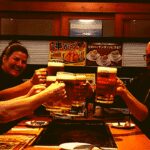
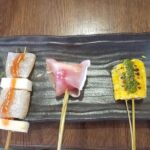
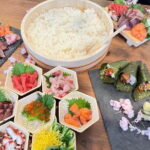
Lunch is built in as a quick stop at one of your guide’s favorite local eateries. The point isn’t a long sit-down experience. It’s a practical break that keeps you moving and lets you taste something Osaka locals actually choose.
One specific lunch highlight from the experience: Japanese curry has been a standout for at least one group, and it fits the day well because it’s filling without being heavy. You’re also getting water included, so you’re not hunting for basic needs mid-ride.
If you have dietary restrictions, you’ll be asked for details ahead of time, so the best move is to share them clearly. Don’t assume the kitchen will guess—make it easy for the operator and guide to plan.
The oldest temple in Japan: a quiet reset before the big energy
After lunch, the route includes Japan’s oldest temple. Even without getting into lots of behind-the-scenes specifics, this stop works because it changes the emotional tone of the day. You go from eating and riding to walking and reflecting.
For many people, temples are where the city’s layers start to feel real. Osaka has a reputation for modern fun, but the guide-driven explanation of history and culture helps you see how tradition still shapes daily life. It’s also a good time to slow your pace, take photos, and reset your legs before the next leg of the ride.
You can also read our reviews of more tours and experiences in Osaka
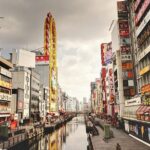
Tsutenkaku and Japan’s tallest building: Shin-Sekai’s signature stop
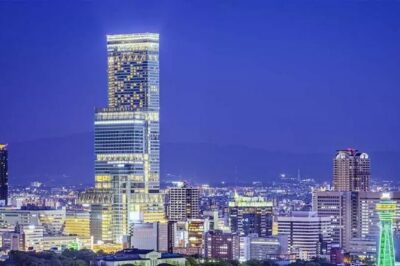
Next comes one of Osaka’s most recognizable symbols: Tsutenkaku Tower. The tour frames it as Japan’s tallest building, and that matters for how you’ll experience the surrounding neighborhood. It isn’t just a tower on a map—it’s the marker that shapes how Shin-Sekai feels.
Then you pedal into Shin-Sekai, a legendary area known for its street-life vibe. This is where you’ll appreciate having a guide. You’ll move through areas that can look confusing on your own, and you’ll get pointed toward less-obvious spots along the way—places that don’t rely on you knowing every landmark name before you start.
The tours of Shin-Sekai that tend to feel best are the ones that balance the big icon (Tsutenkaku) with the smaller stuff: side streets, quick photo corners, and short stretches where the city looks like it’s been doing its thing for decades. This is built into the ride style here.
Osaka Castle to end: the big visual payoff
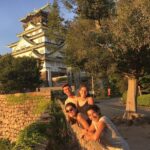
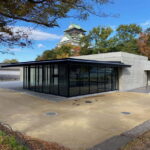
Near the finish, you’ll see Osaka Castle. Ending with the castle is a smart choice because it ties together the day’s themes: function and history early on (Japan Mint), culture and memory in the middle (temple), street identity in Shin-Sekai, and then the clearest national symbol of Osaka right at the end.
Even if you’re the type who thinks castles look similar from far away, the payoff comes from arriving after you’ve already built context. You’re not just looking at a building; you’re looking at the idea Osaka represented through time—power, identity, and the story Japan tells about itself.
Pace, timing, and what 330 minutes really means for you
The duration is 330 minutes (about 5.5 hours). That’s enough time to feel like you covered ground, but not so long that you’re stuck in the saddle all day with no breaks.
From an energy standpoint, you should think of this as a steady day of riding and short stops, not a leisurely cruise. The tour works best if you’re in decent shape and comfortable with an urban bike route.
A useful sanity check from the experience descriptions: even older participants have handled it, including a group member described as up to the task at around age 70. That doesn’t mean you should show up exhausted or unprepared, but it does suggest the ride is realistic for many people who can cycle comfortably.
Small-group guiding: why the guide names matter
The tour is run by InKansai Ltd, and the on-the-ground experience is led by an English-speaking guide. The value is how the guide connects dots while you ride: the city’s contribution to feudal Japan, its distinctive dialect and culture, and the way the food scene fits into everyday life.
In past groups, guides including Matt, Joel, and Danyk have been specifically called out for passion and good humor. That tracks with what matters on a bike tour: you want someone who can talk clearly while also managing the route, keeping you on track, and making quick stops feel purposeful.
Value for $103: what you’re really paying for
At $103 per person for 5.5 hours, you’re paying for more than sightseeing. You’re paying for:
- Bike rental and a helmet
- A local guide who rides with you and explains what you’re seeing
- Lunch at a local eatery
- Water for the day
What makes the price feel fair is that you’re not doing extra logistics on your own. There’s no need to figure out where to park, which streets to take, or how to connect the major landmarks with neighborhoods in a time-efficient way. Also, the small group size helps you feel looked after rather than shuffled.
The trade-off: hotel pickup/drop-off isn’t included. If you’re staying far from the meeting point, you’ll need to factor in transit time.
What to bring and what to skip
Plan simple:
- Comfortable shoes (you’ll be walking at stops)
- Camera (you’ll want photos at key landmarks)
- Comfortable clothes (Osaka weather can change how you feel on a bike)
You should also avoid anything that slows you down. The tour doesn’t allow smoking, and you’ll want to bring a day-ready mindset: keep your bag manageable, stay hydrated, and pay attention at intersections.
One more thing: you’ll be asked to provide everyone’s heights and any dietary restrictions. That’s not busywork. Bike fit matters, and lunch planning matters.
Who should book this Osaka bike tour
This is a great fit if you:
- Can ride a bike confidently
- Like guided storytelling and want context, not just photos
- Want a balanced day with landmarks plus a neighborhood like Shin-Sekai
- Appreciate lunch as part of the experience (local eatery, not a generic stop)
It’s not suitable if you:
- Can’t ride a bicycle
- Are pregnant
- Are traveling with children under 13
If you’re on the fence about comfort, think about your own limits more than your travel mood. A bike tour rewards people who are ready to move.
Should you book this Osaka Bike Adventure with Lunch?
I’d book it if your idea of a good Osaka day is practical, story-driven, and efficient: a bike route that takes you from Japan’s Mint-area context to Nakanoshima’s gardens, then into lunch, an old temple, Shin-Sekai and Tsutenkaku, finishing at Osaka Castle.
Skip it if you don’t want a half-day riding commitment or if you need door-to-door convenience from your hotel. Also be ready for the possibility of rain: if the chance of rain is higher than 60%, the operator contacts you with a different date or a full refund, so make sure you’re reachable.
If you want an Osaka tour that feels like the city is mapped into a single flowing day, this one is a strong value at $103, especially because it includes your bike, helmet, guide, lunch, and water.
FAQ
How long is the Osaka bike adventure with lunch?
The tour duration is 330 minutes (about 5.5 hours).
Where do I meet the tour guide?
You meet about a 10-minute walk from Tenmabashi station (Osaka metro/Keihan train).
Is hotel pickup included?
No. Hotel pickup and drop-off are not included.
What’s included in the price?
Included are bicycle rental, a helmet, a local guide, lunch, and water.
What language is the guide?
The tour includes a live English-speaking guide.
What’s the group size?
It’s a small group limited to 8 participants.
What’s the minimum age to join?
The minimum age is 13 years.
Is it okay if I can’t ride a bike?
No. The tour isn’t suitable for people who can’t ride a bike.
What’s the food like, and can I share dietary restrictions?
Lunch is provided at a local eatery, and you should provide dietary restrictions in advance.
What happens if it rains?
If the chance of rain is higher than 60%, you’ll be contacted and offered a different date or a full refund.