REVIEW · OSAKA
Osaka: Gluten-Free Ramen and Gyoza Cooking Class
Book on GetYourGuide →Operated by yuki Japanese cooking class · Bookable on GetYourGuide
Gluten-free ramen, made at home in Osaka. I like this class for two big reasons: you get hands-on practice shaping gluten-free ramen noodles with the right chew, and you learn how to fold gyoza so they turn crispy in the pan without turning into a sad dumpling pile. You’ll also see how Japanese flavor-building works, not just how to follow steps.
One thing to plan for: transportation to the home isn’t included, and the class is held in a residential setting where you’ll be cooking close-up, so comfortable clothes and an easygoing mindset matter.
In This Review
- Key highlights at a glance
- Why this Osaka gluten-free ramen and gyoza class feels worth it
- Finding the class near Nukata Station (and what to look for)
- The 3-hour flow: what you’ll actually do
- Gluten-free ramen noodles: chewy texture starts with rice flour
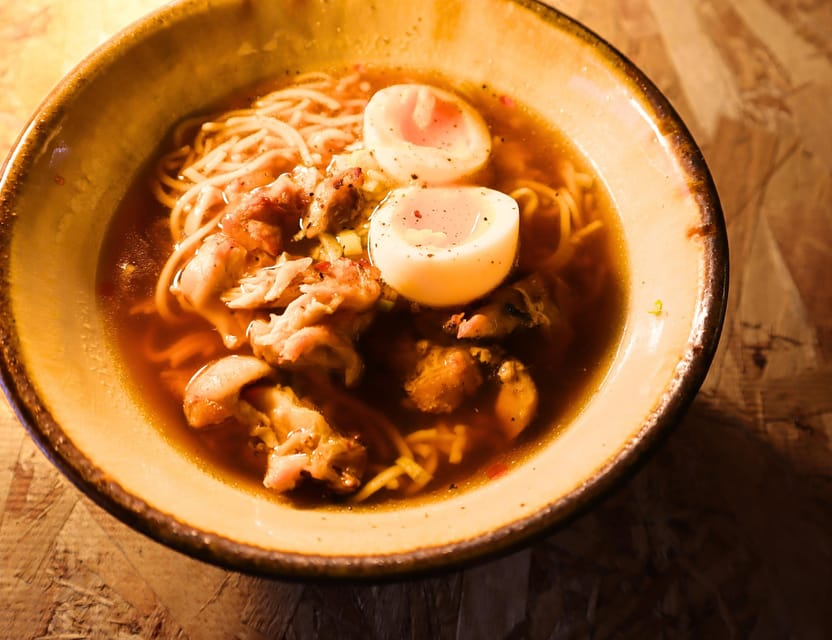
- Soy sauce ramen and tomato ramen: how flavor balances change
- Gyoza wrappers, folding, and crisp-bottom dumplings
- Making the wrappers
- Filling and folding
- Pan-frying for the crisp outside
- Optional sake pairing: when you want the full Japanese dining feel
- Eating what you make: the meal part is more than payoff
- Price and value: what $103 buys you in real terms
- Who should book this Osaka cooking class
- Practical tips so you get the most out of your 3 hours
- Should you book this Osaka gluten-free ramen and gyoza class?
- FAQ
- How long is the Osaka gluten-free ramen and gyoza cooking class?
- What language is the instruction in?
- How big is the group?
- Where is the meeting point?
- What do I learn to cook?
- Is sake pairing included?
Key highlights at a glance
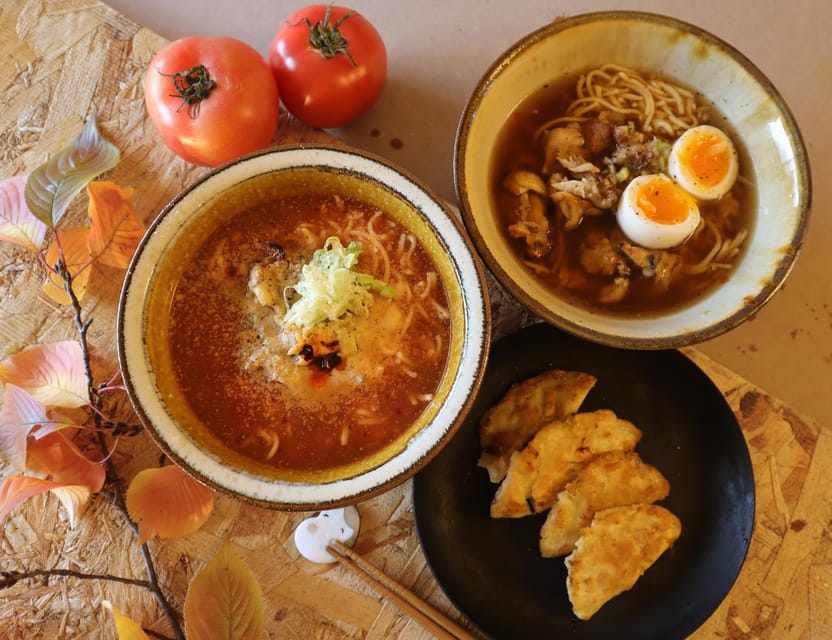
- Rice-flour ramen noodles taught step-by-step for a chewy, noodle-like texture
- Soy sauce ramen broth plus a less-common tomato ramen twist
- Gluten-free gyoza wrappers made from scratch, not store-bought
- Gyoza folding and pan-frying for a crisp outside and tender inside
- Small group of up to 4, led personally by Yuki in English
Why this Osaka gluten-free ramen and gyoza class feels worth it
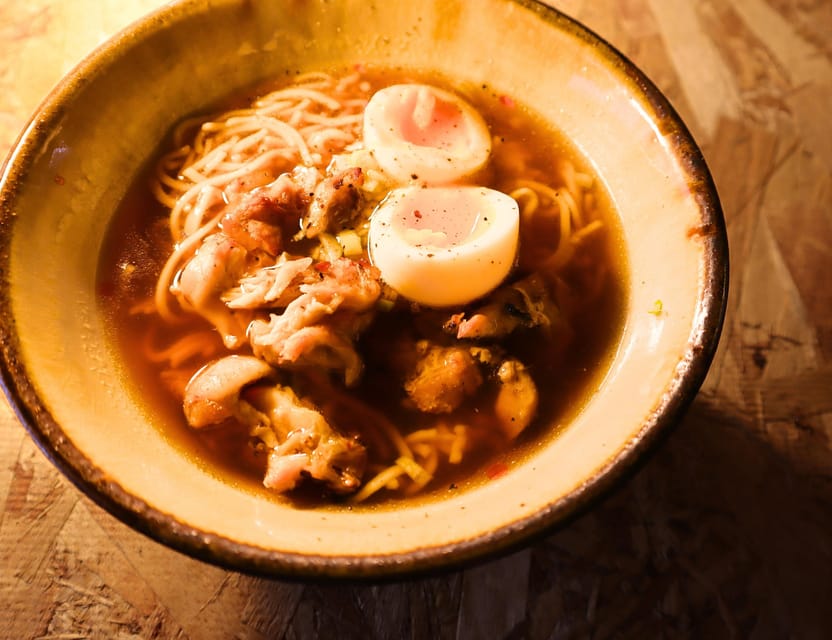
Osaka is famous for food, but this experience is different because it’s not just about eating ramen. It’s about learning the build—how gluten-free ingredients can still create that classic noodle bite, and how gyoza wrappers can behave when you start from rice flour instead of wheat.
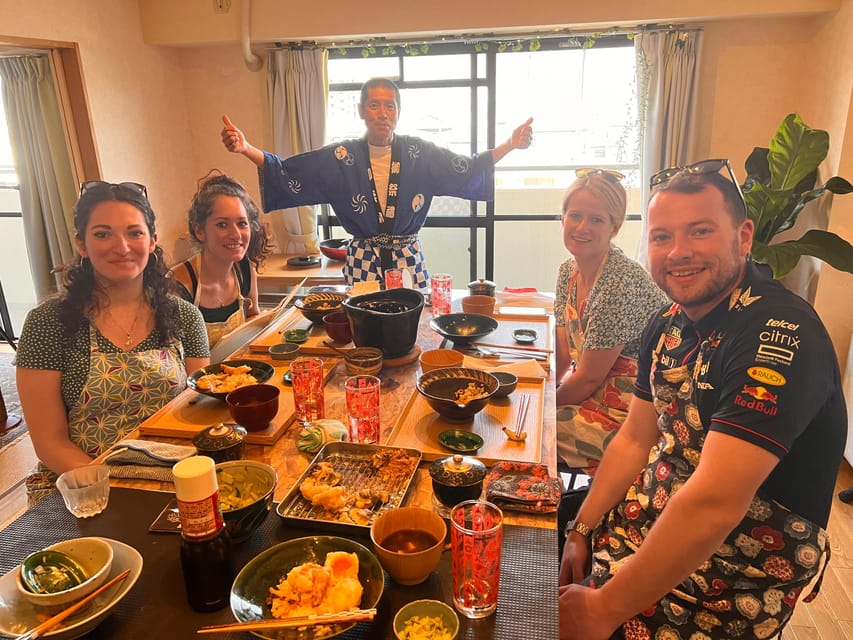
The class is also small. Limited to 4 participants, you’re not stuck watching from the edge of a counter. Yuki provides hands-on guidance in English, and the setup is intentionally cozy, in her Japanese-style home. That matters because ramen and dumplings are the kind of cooking where tiny adjustments—hydration, pressure, timing—make the difference between good and great.
Finally, you’re not only learning one dish. You’ll make two types of ramen (soy sauce and tomato) and gluten-free gyoza in the same 3-hour session, then sit down to eat what you made.
You can also read our reviews of more cooking classes in Osaka

Finding the class near Nukata Station (and what to look for)
The meeting point is 4-19 Nukata-cho, Osaka, just a 5-minute walk from Nukata Station. It’s in a quiet neighborhood, which is a plus: you can focus when you get there, instead of stress-walking through a crowd.
When you arrive, look for a residential-style building with a clean, welcoming entrance sign. You’ll get detailed directions after booking, so don’t worry about memorizing the exact route now. Since transportation to the venue isn’t included, I suggest you plan to get yourself to Nukata Station first, then keep it simple with the short walk.
Tip: wear shoes you can move in comfortably. Even though it’s a short walk, you’ll be standing and working at kitchen level once the class starts.
The 3-hour flow: what you’ll actually do
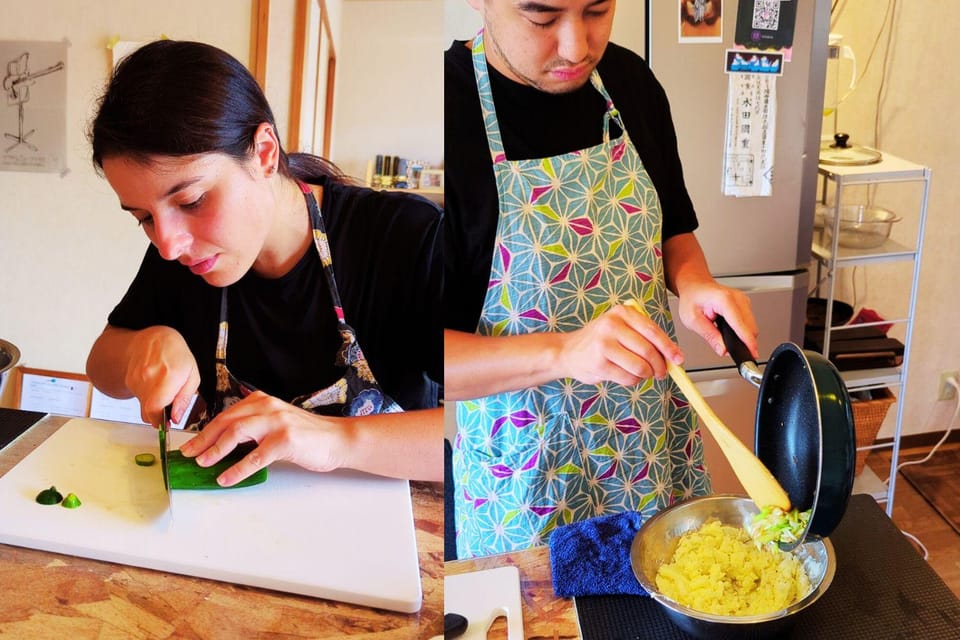
This class is built like a cooking progression. You start with noodles, move to broth and seasoning style, then switch to gyoza wrappers and dumplings. By the end, you eat a full meal of your own ramen and gyoza.
Here’s the basic order, as you experience it:
- Welcome and a quick overview of ingredients and tools
- Gluten-free ramen noodles from rice flour
- Soy-based soy sauce ramen broth
- Tomato ramen preparation (a more modern variation)
- Gyoza wrappers made from rice flour
- Gyoza filling and then folding
- Pan-frying to golden crispness
- Optional sake pairing, then eating together
The pacing is important. If you’ve never made noodles or dumplings, the structure helps your brain. You’re not jumping around; you’re building skills one step at a time.
Gluten-free ramen noodles: chewy texture starts with rice flour
Making gluten-free ramen noodles is the headline skill here. You’ll start with rice flour and learn how to shape and work the dough so it gets the kind of chew people associate with ramen.
What I like about this part is that it’s not only about making something edible. You’re learning the goal texture—how to get that satisfying bite even though you don’t have wheat gluten doing the heavy lifting. Yuki’s instruction is designed for beginners, so you don’t need a kitchen background to follow along.
One practical takeaway you’ll likely want to remember for later: gluten-free noodles behave differently during handling. The class focuses on the technique that helps the noodles stay together and still feel right when cooked.
Soy sauce ramen and tomato ramen: how flavor balances change
After the noodles, you move into the part that makes ramen taste like ramen: the broth and seasoning.
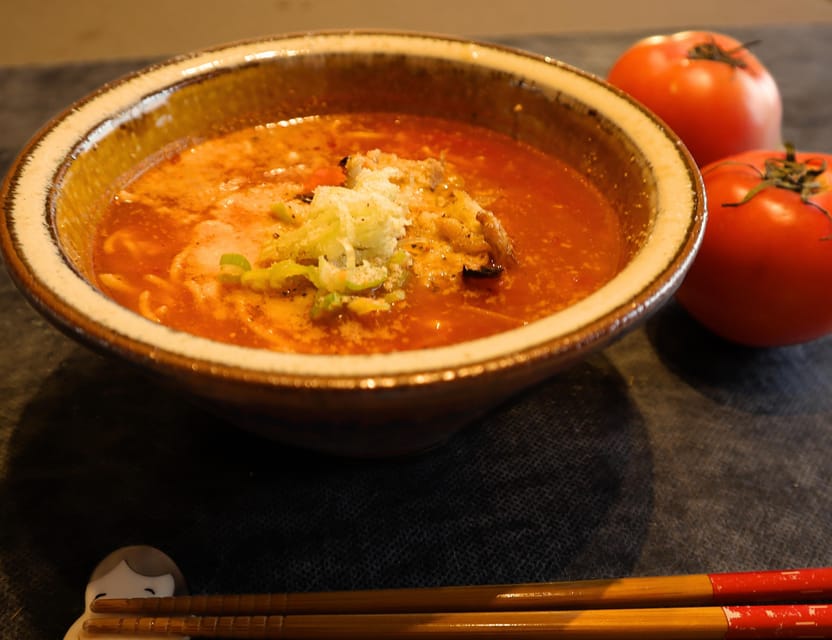
You’ll learn how to make a soy sauce-based ramen—a classic profile that’s savory and deep without being complicated. Then you’ll also make tomato ramen, described as a refreshing, tangy variation that’s less common. That combination is clever, because it teaches you flexibility. Even if you love the traditional soy style, you’ll see how Japanese cooking can adapt flavors.
When you’re cooking at home, this is the difference between copying a recipe and understanding what to adjust. In a class like this, the value is that you can connect ingredients to taste: savory backbone first, then acidity and brightness with tomato.
You can also read our reviews of more tours and experiences in Osaka

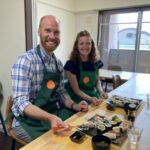

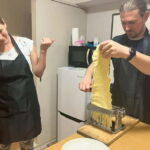
Gyoza wrappers, folding, and crisp-bottom dumplings
Gyoza is where the class gets especially hands-on.
Making the wrappers
You’ll craft gluten-free gyoza wrappers using rice flour. Starting from scratch is the difference between having a dinner that’s just okay and having one that feels like you know what you’re doing. The wrapper-making step also gives you a sense of thickness and handling—key for getting that tender interior.
Filling and folding
Then comes the filling. You’ll learn how to fill and fold the dumplings into clean shapes. Folding is one of those skills that feels mechanical until you do it a few times, and then your confidence jumps.
Pan-frying for the crisp outside
Finally, you’ll pan-fry the gyoza until they turn golden. The goal is that classic contrast: crispy outside, tender inside. This is where technique matters most, because pan temperature and frying time control texture.
If you want one skill to take home, make it this: how to fry so the gyoza gets crisp without going dry.
Optional sake pairing: when you want the full Japanese dining feel
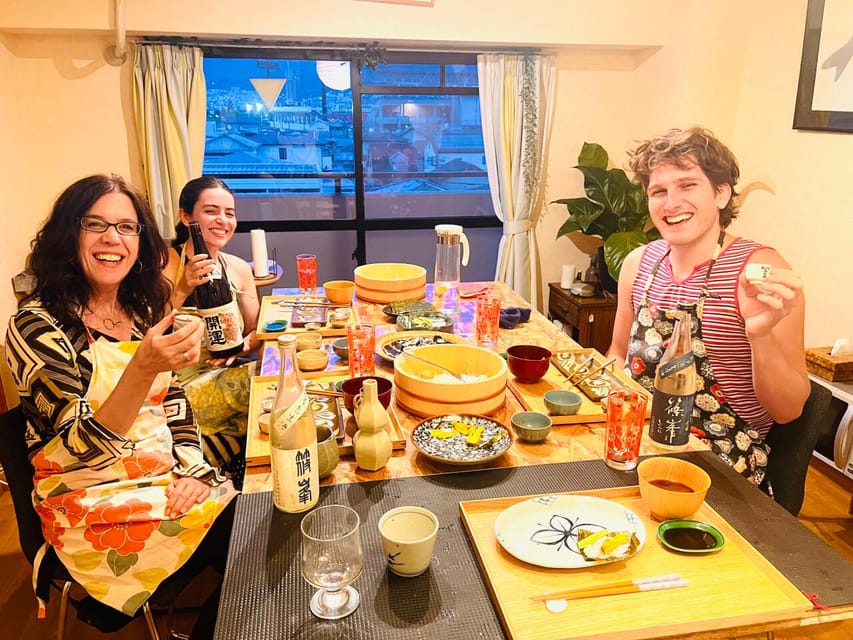
If you choose the optional sake pairing, you’ll get three 45ml servings:
- two chilled sakes: Junmai and Junmai Ginjo
- one warm Junmai
The reason this matters is simple: pairing isn’t just for restaurants. It can teach you what flavors the alcohol highlights—soy depth with one, and lighter or brighter notes with the tomato side.
You don’t have to do it, but it’s a nice way to round out the meal into something closer to a Japanese dinner experience rather than a cooking workshop that ends abruptly when the meal starts.
Eating what you make: the meal part is more than payoff
After all the prep and cooking, you’ll gather in a cozy dining area to eat your ramen and gyoza. Yuki guides you through the flavors and how the sake pairing (if you added it) complements the dishes.
This matters for your learning. If you only cooked and didn’t taste together, you might miss what you did right—or what you’d tweak next time. By tasting immediately, you connect technique to outcome.
And yes, it’s fun. There’s something satisfying about eating dumplings you folded with your own hands, especially when they come out crispy and properly cooked.
Price and value: what $103 buys you in real terms
At $103 per person for 3 hours, this isn’t a bargain-basement class. But it also isn’t overpriced for what you’re getting.
Here’s where the value comes from:
- Small group size (max 4) means more direct attention while you work
- A personal instructor (Yuki) with professional culinary experience and teaching experience
- From-scratch instruction for multiple components: noodles, broth, wrapper dough, and dumplings
- Full meal included, so the cooking leads to an actual dinner, not just tasting
- Recipes and tips are provided, which helps you recreate what you learned at home
So the question isn’t only, Is it $103? It’s: Will you get enough hands-on practice and skills to justify the cost? With the structure (two ramen styles plus gyoza) and the limited group size, this feels like a class built for outcomes, not just entertainment.
Who should book this Osaka cooking class
This class fits best if you:
- need gluten-free ramen and gyoza and want to learn it from scratch
- want real cooking skills, not just a meal
- don’t have prior cooking experience and still want clear, step-by-step guidance
- enjoy small-group instruction in English in a home kitchen setting
In the reviews, people consistently highlight Yuki’s patience and the way the class stays friendly for all skill levels. That’s a big deal if you’re nervous about cooking.
One caution: it’s not suitable for people over 95 years. If you’re within range, the main “physical” requirement is simple comfort—wear comfortable clothes and be ready to stand and cook for a while.
Practical tips so you get the most out of your 3 hours
You’ll learn faster (and enjoy more) if you show up prepared.
- Come hungry for knowledge and food. You’ll taste and compare as you go.
- Wear comfortable clothes suitable for cooking. You’ll handle dough and work near heat.
- Ask questions while you’re working, not after. With a small group, you can actually get answers.
- Plan to stay focused on technique. The class is built around method—rice flour handling, broth flavor balance, and gyoza frying.
And because transportation isn’t included, build in time to reach Nukata Station calmly. You want to arrive relaxed so you can enjoy the hands-on part.
Should you book this Osaka gluten-free ramen and gyoza class?
If you want gluten-free food that feels like the real thing—and you want to learn how to make it, not just order it—this class is a strong choice. The setup (small group, personal instruction, from-scratch noodles and wrappers, and a full meal) makes it feel practical for your life after Japan.
Book it if you’re excited to make both soy sauce ramen and tomato ramen, and if you’re curious about getting gyoza crispy through technique. Skip it only if you’d rather watch cooking from afar, or if you know you can’t comfortably handle a home-kitchen, hands-on session.
If you’re coming to Osaka for food and you also have gluten-free needs, this is the kind of experience that turns what you eat into skills you can repeat.
FAQ
How long is the Osaka gluten-free ramen and gyoza cooking class?
The class lasts 3 hours.
What language is the instruction in?
Instruction is English.
How big is the group?
The class is a small group with a maximum of 4 participants.
Where is the meeting point?
Meet at 4-19 Nukata-cho, Osaka, about a 5-minute walk from Nukata Station. The venue is in a quiet residential neighborhood and is marked with a welcoming sign.
What do I learn to cook?
You’ll learn to make gluten-free ramen noodles and broth (including soy sauce ramen and tomato ramen), plus gluten-free gyoza wrappers and gyoza dumplings, including folding and pan-frying.
Is sake pairing included?
An optional sake pairing is available, consisting of three 45ml servings: two chilled (Junmai and Junmai Ginjo) and one warm Junmai.