REVIEW · OSAKA PREFECTURE
Full Day Tour of Kyoto with Private Transportation
Book on Viator →Operated by Japan with Christine · Bookable on Viator
Kyoto by private van feels like using fast-forward. This full-day route links temple icons and hillside streets with nature spots like Arashiyama. It’s built for comfort, with a guide who helps you see the highlights without turning your day into a logistics puzzle.
Two things I really like: you get hotel pickup and private transportation, so you’re not juggling trains, stations, and transfers all day. And you’re not just seeing buildings—you’re getting guided context, including photo-friendly viewpoints at major stops. One possible drawback to plan for: it’s a long day (8 to 10 hours) with a fair amount of drive time, so you’ll want decent stamina for walking and waiting in popular areas.
In This Review
- Key Highlights at a Glance
- Price and What You Actually Get for $247.92
- A Smart Way to Structure a Kyoto Day Without Getting Tired
- Morning Start at Kiyomizu-dera: The View That Makes People Stop
- Ninenzaka and Sannenzaka Streets: Old Kyoto on Foot
- Kinkaku-ji (Golden Pavilion): The Temple That Reflects Back
- Arashiyama Bamboo Grove and Togetsukyo Bridge: Nature With a Built-In Photo Plan
- Arashiyama Kimono Forest: A Color Stop That’s Quick but Memorable
- Fushimi Inari-taisha: The Torii Walk That Defines Kyoto
- How the Guides Level Up Your Day
- Comfort, Timing, and What to Expect During the Drive
- Who This Tour Is Best For (and Who Might Want Something Different)
- A Few Practical Tips Before You Go
- Should You Book This Private Kyoto Day Tour?
- FAQ
- How long is the Kyoto private tour?
- Which attractions have admission included?
- Is pickup available?
- Does the tour include a guide?
- What does the price include and what doesn’t?
- Are service animals allowed?
- What if the weather is bad?
Key Highlights at a Glance
- Private transportation with pickup: saves energy and keeps you on schedule
- English guide: adds meaning at each stop, not just directions
- Kiyomizu-dera + Kinkaku-ji entry included: admission is built into the price
- Arashiyama Bamboo Grove and Togetsukyo Bridge: nature + classic Kyoto views in the same chunk
- Fushimi Inari’s torii path: one of Kyoto’s most dramatic walks, handled efficiently
- Many sites are free: you spend less time paying and more time looking
Price and What You Actually Get for $247.92
At $247.92 per person, this is not a budget stroll through Kyoto. But it can be good value if you factor the day’s “hidden” costs: private van time, parking, fuel surcharge, and an English guide for the whole route.
What makes the price feel more reasonable is that two major temple admissions are included (Kiyomizudera and Kinkakuji). You’re also paying for convenience that adds up quickly in Kyoto. Even if you’re comfortable on public transport, the real time drain is chaining stops and getting back and forth—especially when multiple UNESCO sites are spread across different neighborhoods.
This tour also fits well for groups. One clue is the “booked 10+ times last week” momentum and the note about group discounts. Private transportation becomes a lot more cost-effective when you’re sharing the day.
The one thing the price does not cover is lunch and personal spending, plus tips (optional but welcomed). So if you’re planning to eat somewhere you love, either budget for it or keep lunch simple and local.
You can also read our reviews of more private tours in Osaka Prefecture

A Smart Way to Structure a Kyoto Day Without Getting Tired
Kyoto can overwhelm you fast. Temples, shrines, shopping lanes, and scenic districts are all great, but spreading them out on your own usually means more time commuting than sightseeing.
This day is structured around big, recognizable highlights in a logical flow:
- start with one of Kyoto’s signature temple views
- walk the classic streets that made “old Kyoto” famous
- move to the Golden Pavilion area
- shift to Arashiyama for bamboo and river views
- finish with Fushimi Inari for that red torii climb
Because travel time is included in the 8 to 10 hours, the pace is more realistic. Instead of sprinting between stations, you settle into the rhythm of a guided circuit.
One practical consideration: “moderate physical fitness” is mentioned. That doesn’t mean you need to be an athlete, but you should expect walking on temple grounds, stairs, and uneven stones in places like the historic lanes and shrine approaches.
Morning Start at Kiyomizu-dera: The View That Makes People Stop
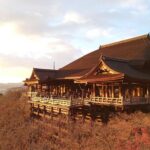
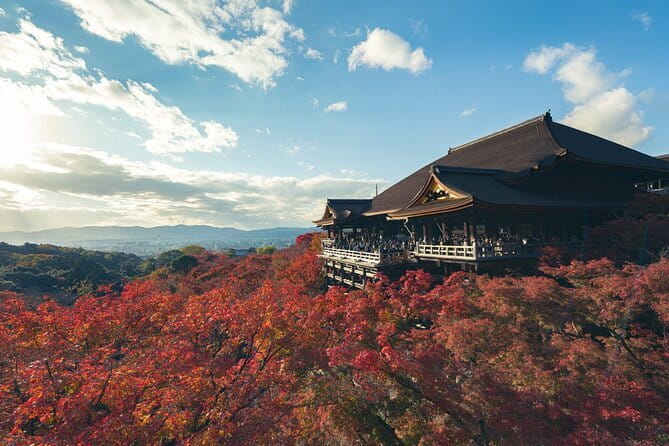
Kiyomizu-dera is the kind of place that looks like a postcard and then somehow looks even better in person. The standout feature is the wooden stage that projects over the hillside. From there, you get panoramic views over Kyoto’s greenery and the city below.
The tour schedule gives you about 2 hours here, with admission included. Two hours matters because it’s not just “see it and go.” You’ll likely want time to:
- orient yourself with the main viewpoints
- slow down for the classic angles
- watch how the area changes from the stage outward
What to consider: it’s iconic for a reason, so expect crowd energy. If you’re sensitive to crowds, this is a stop where an early arrival (or smart timing with your guide) can help.
Ninenzaka and Sannenzaka Streets: Old Kyoto on Foot
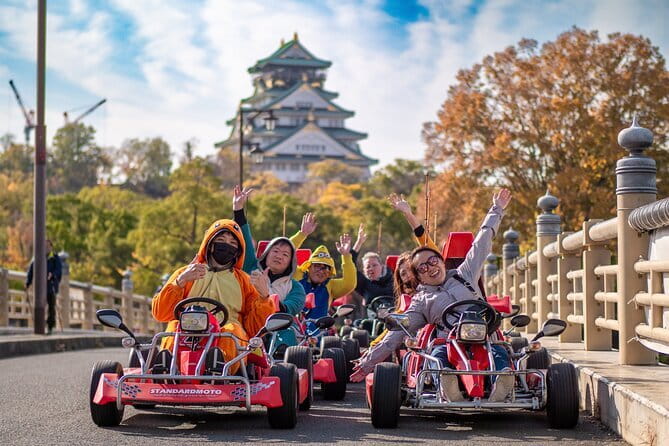
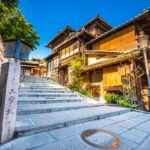
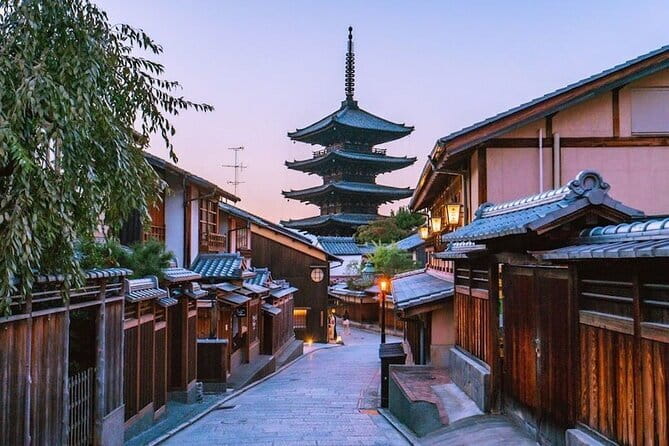
After the temple, the day shifts into slow walking mode with Sannenzaka and Ninenzaka, two historic lanes leading toward the Yasaka Pagoda area.
You get about 1 hour, and there’s no admission fee listed for this section. What you’re really buying with time here is atmosphere. Stone-paved streets lined with traditional wooden shops and teahouses create that classic “walking Kyoto” feeling. It’s a break from the biggest climbs and a chance to browse without feeling rushed.
The trade-off: these streets can get crowded, especially around peak hours. If you want better photos with fewer people, ask your guide for the best moment to step away from the densest pockets of foot traffic.
Kinkaku-ji (Golden Pavilion): The Temple That Reflects Back
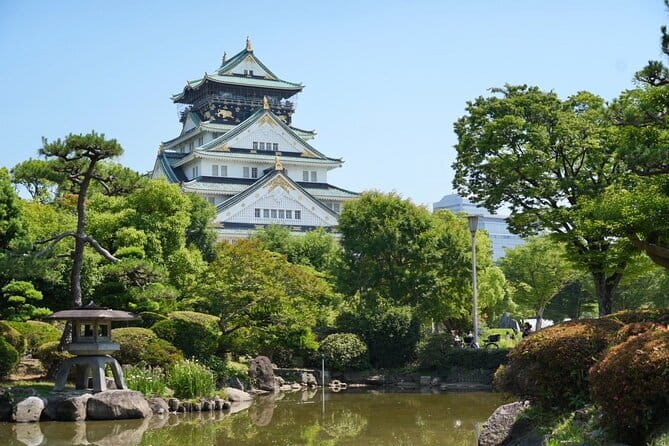
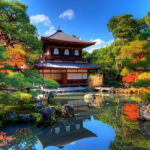
Kinkaku-ji, the Golden Pavilion, is famous for a reason. It’s a Zen Buddhist temple with a gold-leaf-covered exterior, and the best part is how it mirrors in the surrounding pond.
You’ll get about 1 hour, with entrance included (noted as 500 yen). One of the best uses of a guided private day is that you’re not left figuring out where to stand for the cleanest reflections or the most iconic angles.
What I like about giving this a full hour is that you can:
- find the main viewing perspectives
- enjoy the pond-side atmosphere
- step back if you need a breather
Even if you’ve seen photos, this is one of those places where the scale and brightness hit differently.
You can also read our reviews of more tours and experiences in Osaka Prefecture
Arashiyama Bamboo Grove and Togetsukyo Bridge: Nature With a Built-In Photo Plan
This is the section where the day changes mood. Kyoto’s temples are dramatic, but Arashiyama brings a calmer kind of beauty.
You get about 2 hours for the bamboo grove area. The experience here is mostly about sensory scale: towering bamboo stalks create that quiet, slightly surreal feeling people talk about. It’s also a great contrast point in a day otherwise packed with stone, wood, and crowds.
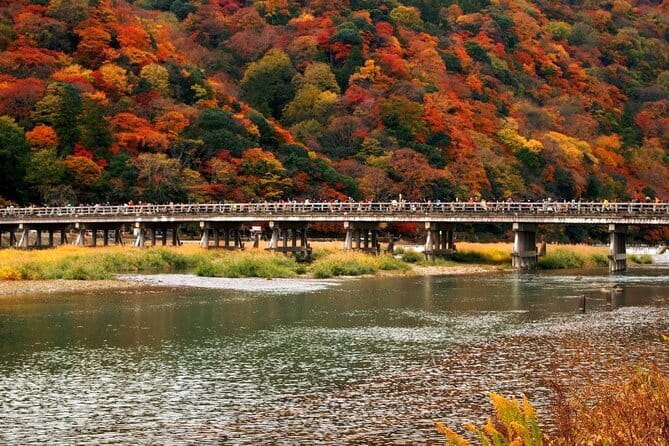
A short hop later, you reach Togetsukyo Bridge, a classic wooden bridge spanning the Katsura River. The bridge area pairs bamboo with river views and—depending on season—colorful cherry blossoms. Even without perfect weather, the composition tends to stay photogenic.
One consideration: this is still a popular Kyoto highlight, so expect foot traffic. A good guide helps you move with purpose without making it feel like you’re being herded.
Arashiyama Kimono Forest: A Color Stop That’s Quick but Memorable
In the middle of Arashiyama, you’ll have a 30-minute stop at the Arashiyama Kimono Forest. This is an outdoor art installation featuring over 600 cylindrical pillars wrapped in vibrant kimono fabrics, with lighting elements that can make the place feel more vivid than a typical outdoor display.
Because the time block is short, it works as a visual breather. You get the color and the photos without losing the momentum of the day.
What I’d tell you: if your group includes people who don’t love temples, this kind of stop keeps the whole day feeling like it has something for everyone.
Fushimi Inari-taisha: The Torii Walk That Defines Kyoto

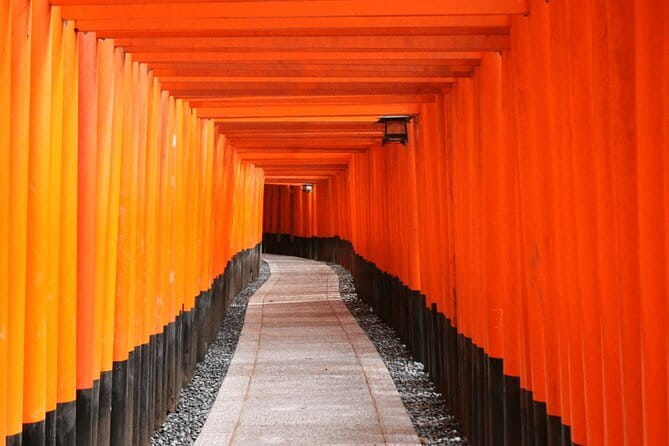
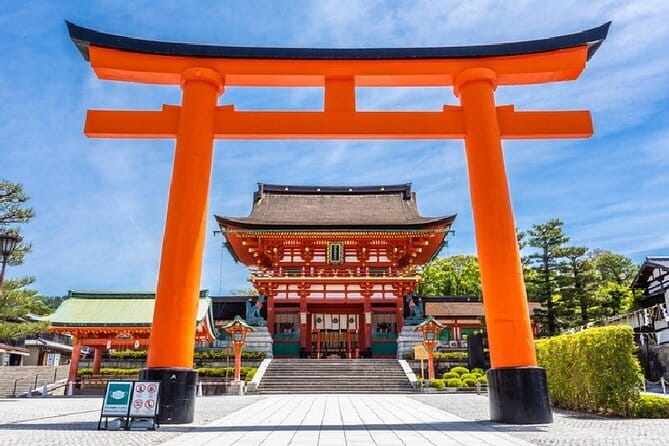
To end the day, Fushimi Inari-taisha is the big spiritual and scenic finish. It’s known for thousands of vibrant red torii gates winding through Mount Inari.
You’ll have about 1 hour here, and it’s listed as free in terms of admissions for this stop. The main event is the torii path. Depending on your energy and comfort with stairs and walking, you can choose how far you go. The guided timing matters because it helps you hit the area when it’s most manageable.
Practical note: this stop is dramatic in photos, but it’s also meaningful in motion. Even if you don’t climb all the way up, getting partway into the torii tunnel gives you that Kyoto feeling people remember.
How the Guides Level Up Your Day
One reason this tour scores so high is the guide factor. Across the experiences, names like Christine, Ben (Yujiro), Lewis, Somei, Caroline, Nozo, and others show up with consistent themes: clear English, good pacing, and small decisions that make the day easier.
Here are the patterns that matter for you:
- Better timing for crowds: guides plan when to visit sites to keep lines from running your schedule
- Photo spots: multiple guides are praised for getting people to strong angles quickly
- Flexibility when plans change: families and dietary needs come up often, including requests for specific meal types
- Group comfort: the private van setup comes up repeatedly, and it matters on long driving days
If you want the day to feel custom, speak up early. You’ll get the best results when you tell your guide what matters most to your group: temples, photos, shopping lanes, kid-friendly stops, or dietary needs. Several guide accounts show that adjustments can happen when requested.
Comfort, Timing, and What to Expect During the Drive
A long Kyoto day lives or dies on transport comfort. This tour explicitly includes private transportation, parking fees, and fuel surcharge, plus the ride time from Osaka or Kyoto to the sites and back to your hotel.
That means you spend less mental energy on logistics and more on the places themselves. It also helps if you’re traveling with kids, older relatives, or anyone who doesn’t want to stand in line for trains while dragging luggage.
The “8 to 10 hours” duration includes travel time, and that matters. Don’t plan a late dinner right after—plan recovery. You’ll likely end the day more tired than you expect, but in a satisfied way because you saw a lot.
Who This Tour Is Best For (and Who Might Want Something Different)
This is ideal if:
- you’re visiting Kyoto for the first time and want the biggest hits
- you dislike navigating between far-flung sights
- you’re traveling with family members who need flexibility
- you care about photos and want help finding good viewing points
- your time is limited and you’d rather pay to save energy
It might not be ideal if:
- you’re on an ultra-tight budget and only want to pay for attractions you choose
- you prefer spontaneous wandering with no set route at all
- your group wants long stays in only one district (like deep time in Arashiyama or only temples)
A Few Practical Tips Before You Go
- Wear comfortable shoes. Kyoto’s streets and temple grounds can include stairs and uneven stone.
- If you want fewer crowds, mention that preference early. Some guides are able to shift timing around busy moments.
- Bring a light layer. Even in warm months, temple areas and shaded lanes can feel cooler than street-level sun.
- Plan lunch ahead of time. Lunch is not included, so decide whether you want a sit-down meal or a quick local bite.
Should You Book This Private Kyoto Day Tour?
I’d book it if your goal is a high-impact Kyoto day with minimal hassle. The combination of hotel pickup, an English guide, private van comfort, and included entry for two landmark temples makes this feel like a “value for time” choice, not just a sightseeing package.
If your group includes people who want structure—clear stop order, smart timing, and photo help—this tour fits that style well. And if you’re trying to see Kyoto efficiently without burning your day on transit, the private transportation part is the main reason to choose it.
If you’re already comfortable planning your own routes, and you don’t mind long train rides and more walking, you could do it cheaper independently. But if you want the day to feel smooth and guided, this is one of the stronger options for a first Kyoto visit.
FAQ
How long is the Kyoto private tour?
It runs about 8 to 10 hours, and the remaining time is allotted for travel time between the destinations and back to your hotel.
Which attractions have admission included?
Entrance fees are included for Kiyomizudera Temple and Kinkakuji Temple. Other listed stops have admission marked as free.
Is pickup available?
Pickup is offered, including travel time from Osaka/Kyoto and back to your hotel.
Does the tour include a guide?
Yes. The tour includes an English tour guide, and it’s a private experience for only your group.
What does the price include and what doesn’t?
Included are private transportation, parking fees, fuel surcharge, travel time, the English guide, and entrance fees for Kiyomizudera and Kinkakuji. Not included are lunch and personal expenses, and tips are welcomed.
Are service animals allowed?
Yes, service animals are allowed.
What if the weather is bad?
This experience requires good weather. If it’s canceled due to poor weather, you’ll be offered a different date or a full refund.