REVIEW · OSAKA
Osaka Dotonbori Daytime Food Tour
Book on Viator →Operated by Arigato Japan KK · Bookable on Viator
Osaka food gets way easier when someone else plans the route. This Osaka Dotonbori Daytime Food Tour strings together street-food stops in Dotonbori and Minami, with guide-led photo moments and plenty of local food context. I like the small-group feel (up to 10) and the way the tour focuses on local spots instead of queues at the most obvious places. One thing to consider: there’s no hotel pickup included, so you’ll need to make it to the meeting point on your own.
What makes it work in real life is the pacing. You’re in the neighborhood that food lovers actually use, and you’re not left staring at menus while deciding what’s worth your money. The included tastings cover multiple styles—street snacks, market-style bites, and a traditional dessert—so you get variety without turning it into an all-day food crawl. Plus, guides such as Ron, Russ, Chiyoe, Mickey, and Kevin are praised for turning what you eat into small culture and history side-stories, which makes the whole walk feel like more than just eating on the move.
In This Review
- Key Highlights Worth Your Time
- A 3-hour Osaka food walk that keeps you moving
- Starting at the Starbucks by Tsutaya Ebisubashi: get your bearings fast
- Glico Man at Dotombori: why a famous sign matters
- Dotonbori lights and the plan to skip the worst lines
- Minami (Namba) street food: variety without chaos
- Hozenji Yokocho: narrow lanes with temple-corner energy
- Sennichimae Doguyasuji Shotengai: the arcade side of eating
- Kuromon Market: where food is the main event
- Misono Building: the photo and snack-friendly in-between
- What you actually eat: 4 tastings plus a drink and dessert
- Guide storytelling: why Ron, Russ, Chiyoe, Mickey, and Kevin get praised
- Dietary needs: friendly accommodations, with seasonal swaps
- Timing, pace, and what to wear
- Price and value: is $209 a fair deal?
- Who this tour suits best (and who should rethink it)
- Should you book the Osaka Dotonbori Daytime Food Tour?
- FAQ
- How long is the Osaka Dotonbori Daytime Food Tour?
- Where does the tour start and end?
- What’s included in the price?
- How many people are in the group?
- Are vegetarian or pork-free options available?
- What happens if weather is poor?
Key Highlights Worth Your Time
- 4 food stops in about 3 hours, with a drink and a traditional Japanese dessert included
- Photo-friendly route through Dotonbori and Namba, not just a line-hopping sprint
- Avoids the longest tourist queues, aiming you toward places locals use
- Stops spread from Dotonbori into Hozenji Yokocho, shopping arcades, and markets for variety
- Maximum group size of 10 for a more personal pace (and fewer bottlenecks)
- Dietary accommodations are welcome (vegetarian, vegan, pescetarian, and pork-free friendly), with seasonal swaps possible
A 3-hour Osaka food walk that keeps you moving
This tour is designed for daytime stomach satisfaction, not a slow sit-down meal. In roughly 3 hours, you’ll cover several food-heavy areas around Dotonbori and Minami (Namba), guided by someone who knows where it’s efficient to stop and eat.
The format is simple: you walk, you learn what to look for, and you sample at multiple food stops. Since you’re also getting a drink and a traditional dessert included, it’s a clean package for a half-day without feeling like you’re constantly paying extra.
You can also read our reviews of more food & drink experiences in Osaka
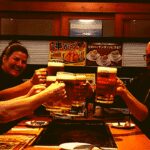
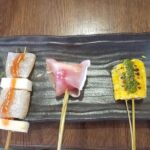
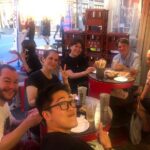
Starting at the Starbucks by Tsutaya Ebisubashi: get your bearings fast
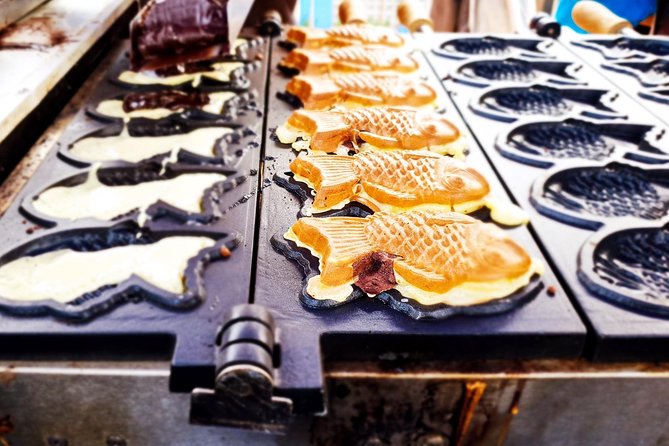
Your tour starts at Starbucks Coffee in the Tsutaya Ebisubashi area (Dotonbori), at 11:00 am. The end is in the Sennichimae area, so you’re not retracing your steps at the end of the meal.
This is a good setup if you’re already staying somewhere near Dotonbori or Namba. If you’re farther away, factor in travel time because hotel pickup isn’t included. The flip side: you’ll be dropped into a new area at the end (Sennichimae), which can make it easier to keep exploring afterward without looping back.
Glico Man at Dotombori: why a famous sign matters
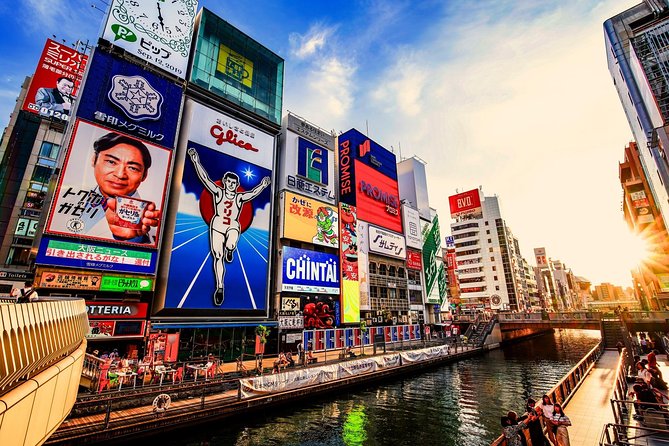
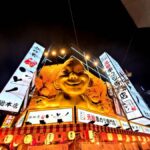
You begin with the Dotombori Glico sign area. It’s bright, loud, and easy to spot—exactly the kind of landmark that helps you “lock in” the neighborhood in your mind right away.
More importantly, the stop has a story. You’ll learn about Glico Man and the Filipino sprinter Fortunato Catalon, and how that connection inspired both a nation and a company. It’s a small history hook, but it gives meaning to what you’re looking at: Osaka’s street culture is playful, commercial, and proud—sometimes all at once.
Practical angle: this is also a natural photo moment. If you want shots that look like Osaka, this area is built for it.
Dotonbori lights and the plan to skip the worst lines
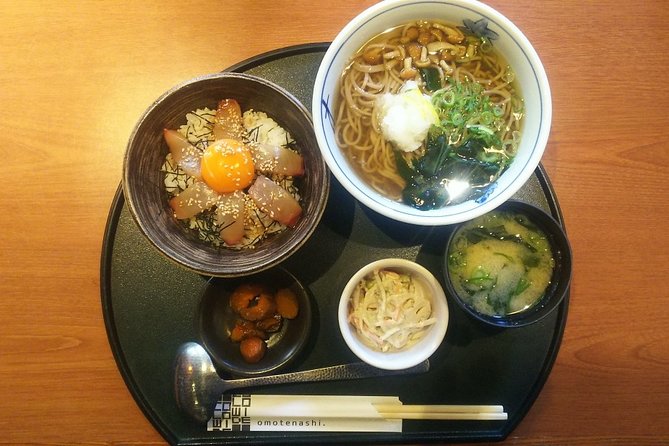
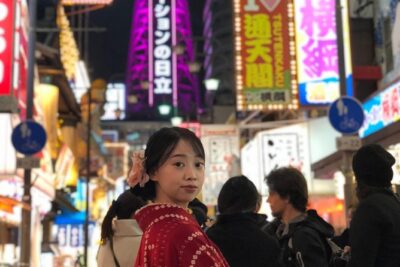
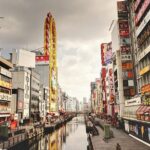
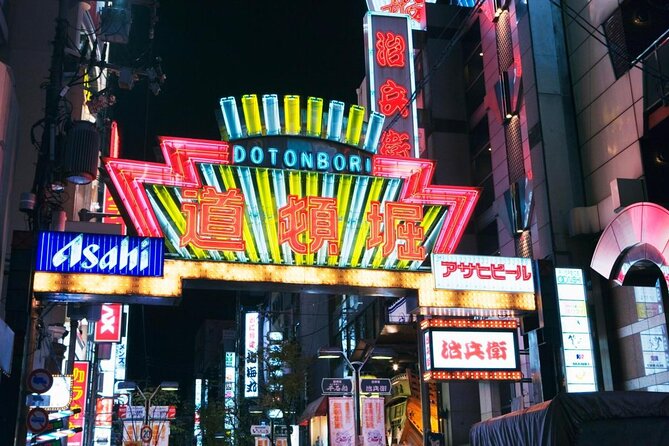
Next comes Dotonbori itself. This is the area people picture when they imagine Osaka: lights, signage, and streets that can feel like they’re pulling you toward the nearest restaurant.
Here’s the tour’s value: instead of letting the most obvious, most crowded spots steer your meal choices, your guide aims you away from overly-commercialized restaurants with long queues. In a place like Dotonbori, that’s not a small thing. Time matters, and lines can turn a 3-hour plan into a 4-hour wait-and-hope situation.
You also get time to explore and take photos as you move through. That matters because the neighborhood is part of the experience; you’re not just eating in a hallway.
Minami (Namba) street food: variety without chaos
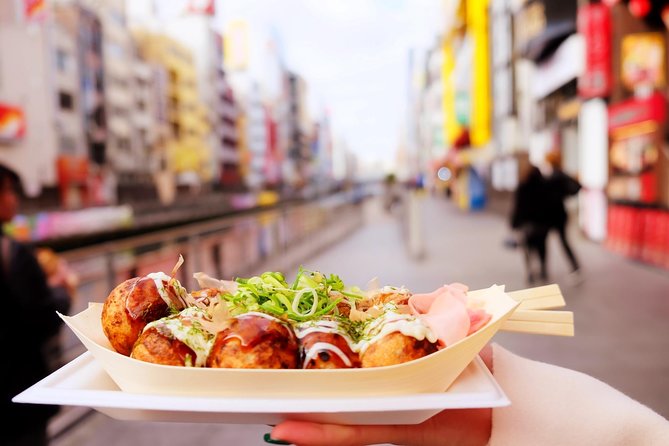
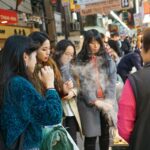
After Dotonbori, the route swings into Minami (Namba). This is where the day feels more like a local food run: snacks, small storefronts, and the kind of casual eating that works on a walking schedule.
On this stretch, you’ll get more street-food sampling as part of the overall four food stops. The tour also keeps the vibe practical: instead of wandering and guessing, you’re following a plan built to keep you from spending half your energy deciding what to eat next.
You can also read our reviews of more tours and experiences in Osaka

Hozenji Yokocho: narrow lanes with temple-corner energy
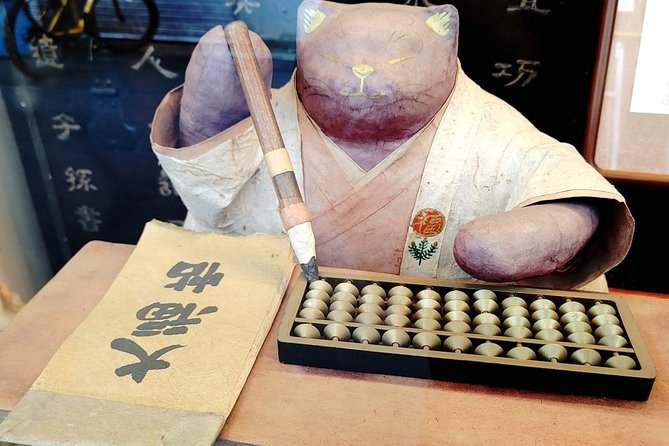
One of the standout additions on the route is Hozenji Yokocho. This area tends to feel different from the main neon streets—more alley-like, more intimate, and often tied to traditional sights nearby.
Even if you’re not a “temple tourist,” it’s worth it because it changes the texture of the walk. Dotonbori can be all stimulation; Hozenji Yokocho adds atmosphere and contrast, so the food tastes feel part of a larger Osaka story, not just a snack break.
From past runs, guides have also been known to point out shrine or statue moments along the way. That’s the kind of detail that turns a food tour into a walk with context.
Sennichimae Doguyasuji Shotengai: the arcade side of eating
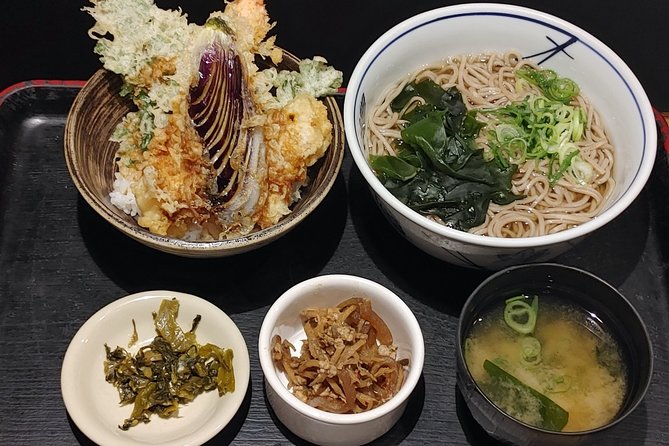
Your route also includes Sennichimae Doguyasuji Shotengai, a shopping street stop that works well between tastings. Arcades and shotengai (shopping streets) are where you often see day-to-day life: people moving between stalls, quick purchases, and the steady rhythm of local commerce.
For you, this is useful because it keeps the tour from being only “eat and leave.” You get a sense of where food fits into everyday shopping, not just the entertainment strip.
Also, this kind of stop can help you spot what you might want later on your own. If you’ve learned what kinds of foods you enjoyed during the tastings, you’ll have an easier time returning to shop wisely after the tour ends.
Kuromon Market: where food is the main event
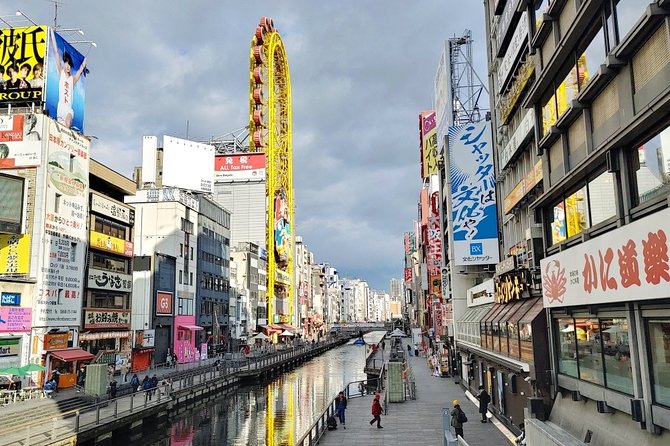
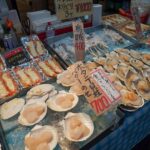
Another key stop is Kuromon Market. Markets are a cheat code for travelers who want food variety without hopping across the city. It’s also a great place to understand Osaka’s food culture because you’re seeing the variety in one concentrated zone.
The tour uses the market as part of the tasting rhythm—so you’re not stuck reading labels for an hour. Instead, the guide’s role is to point you toward what to try and when, with you spending more time eating than deciphering.
If you care about getting value out of your meal budget, a market stop can help. You’re getting multiple flavors within a manageable time frame, and the included tastings keep costs from exploding.
Misono Building: the photo and snack-friendly in-between
The route also mentions the Misono Building stop. This is one of those Osaka landmarks that can act like a waypoint—somewhere you pass through or near, making it easier to keep moving while still hitting spots that feel distinct.
Even if you don’t linger like a shopper, this kind of stop matters because it keeps the tour from feeling random. Your guide is stitching together different “faces” of Osaka—main street energy, alley texture, market focus, and shopping-street practicality—so the half-day doesn’t feel repetitive.
What you actually eat: 4 tastings plus a drink and dessert
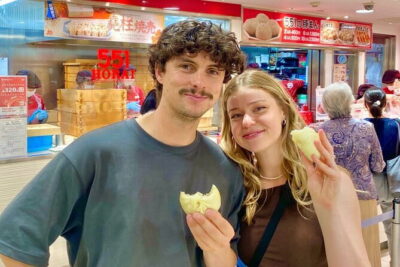
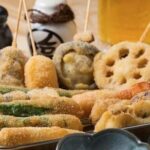
The price includes 4 food stops, 1 drink, and a traditional Japanese dessert. That combination is more valuable than it sounds, because you’re not only paying for food—you’re paying for someone to manage timing, order, and the logic of where to go next.
Food changes with season and availability. That means you might not get the exact same menu items every day, but it also means the guide can choose options that work with what’s fresh and available at the moment. In practical terms: don’t lock your expectations to one specific item.
That said, takoyaki has shown up as a highlight on this tour route, along with Japanese sweets in the dessert portion. If you’re coming to Osaka expecting takoyaki as a must-try, it’s the kind of classic that fits this format.
Also note: alcohol isn’t part of the free-for-all. The minimum drinking age is 21, so the included drink may or may not be relevant for everyone. The tour remains family-friendly, with children required to be accompanied by an adult.
Guide storytelling: why Ron, Russ, Chiyoe, Mickey, and Kevin get praised
A food tour lives or dies by the guide. Here, the pattern in feedback is pretty clear: guides like Ron, Russ, Chiyoe, Mickey, and Kevin are praised for mixing food with real talk about culture and context.
You’ll likely hear history-style side stories tied to the neighborhood and the food scene. One example from past tours is the fun anecdote about baseball fans throwing a KFC statue into a river. That’s the kind of story that makes the walk feel human and specific, not like a scripted lecture.
The other practical part: your guide can steer you around tourist-heavy detours. People often think they’ll handle that on their own; Osaka can make that hard. With a guide, you get a smarter path and fewer wasted decisions.
Dietary needs: friendly accommodations, with seasonal swaps
The tour is vegetarian, vegan, pescetarian, shellfish-free, and pork-meat-free friendly. That’s a real plus if your group has dietary restrictions, because Osaka’s food culture often includes ingredients that can be tricky to avoid without local help.
Just remember the tour can adjust what you eat based on season and availability. So the best move is to communicate your needs when you book, then trust that your guide will choose substitutions that still fit the tour’s tasting structure.
If you’re traveling with a mix of diets, this format helps. Everyone gets a planned tasting sequence instead of leaving people to hunt for separate meals.
Timing, pace, and what to wear
The tour is about 3 hours, and it includes several walking segments. It’s listed for moderate physical fitness, so plan on standing and walking more than you would on a museum tour.
Wear comfortable shoes. Dotonbori streets can be crowded, and you’ll also be moving through alleys and market lanes. If you rely on mobility aids, this is something you should think about before booking, since the route involves multiple neighborhood transitions on foot.
You’ll also want a phone charged for photos. Since the tour focuses on exploring and photo stops, you’ll likely want to capture the neon signs, street scenes, and market atmosphere.
Price and value: is $209 a fair deal?
At $209 per person, this isn’t a bargain buffet. But it’s not overpriced if you look at what’s bundled.
You’re paying for:
- A local English-speaking guide (not just “here’s a map”)
- Up to 10 people, so the tour isn’t swallowed by a big herd
- 4 food stops plus a drink and dessert
- A route designed to avoid long waits in the most obvious tourist-heavy places
The biggest value is time. In Osaka’s food neighborhoods, standing in line for the wrong choice can cost you the chance to try one more thing later. A well-planned food crawl is often worth it when you’re only in the city for a short stretch.
If you’re the kind of traveler who wants to eat well but also wants to learn while doing it, the price starts to make sense. If you only want one or two snacks and don’t care about the neighborhood context, you might do better mixing cheaper, self-guided street food.
Who this tour suits best (and who should rethink it)
This is a strong fit for you if:
- You want an efficient food introduction to Osaka
- You like street food but hate getting trapped by menu confusion or long lines
- You want a guide to suggest more dining options after the tour
It’s also a good choice if your group includes different dietary needs, since the tour is pork-free and vegetarian/vegan/pescetarian friendly.
You might rethink it if:
- You’re hoping for a slow, sit-down meal with lots of downtime
- You dislike walking through busy streets
- You’re staying far from Dotonbori/Namba and don’t want to manage the meetup on your own (since there’s no hotel pickup included)
Should you book the Osaka Dotonbori Daytime Food Tour?
Book it if you want a well-paced, guided walk that trades guesswork for structure. The route hits multiple food-heavy zones—Dotonbori, Minami, Hozenji Yokocho, a shopping arcade, Kuromon Market, and the Misono Building area—so you get variety without spending the day traveling across the city.
I’d especially recommend it as a first or second day plan. You’ll come out with a clearer sense of what you like in Osaka, plus a guide who can point you toward more places after the tour.
Skip it only if your travel style is all DIY and you’re confident you’ll choose well without standing in lines. Otherwise, this is one of the more practical ways to eat your way through central Osaka in a half-day.
FAQ
How long is the Osaka Dotonbori Daytime Food Tour?
The tour lasts about 3 hours.
Where does the tour start and end?
It starts at Starbucks Coffee – Tsutaya Ebisubashi in the Dotonbori area (11:00 am) and ends in the Sennichimae area.
What’s included in the price?
The tour includes 4 food stops, 1 drink, traditional Japanese dessert, and a local English-speaking guide.
How many people are in the group?
The tour has a maximum group size of 10 travelers.
Are vegetarian or pork-free options available?
Yes. The tour is vegetarian, vegan, pescetarian, shellfish free, and pork-meat free friendly. Food may change based on season and availability.
What happens if weather is poor?
This experience requires good weather. If it’s canceled due to poor weather, you’ll be offered a different date or a full refund.