REVIEW · OSAKA
Osaka: Abeno Harukas 300 Observatory E-Ticket
Book on GetYourGuide →Operated by GlobalTix JP · Bookable on GetYourGuide
Osaka’s skyline hits different up here. This is your one-day pass to Abeno Harukas 300 Observatory, with a fast glass-roof elevator and big-city views from high above Tennoji. I especially love the 60th-floor glass viewing deck—it makes Osaka feel close enough to touch.
The second thing I like is the mix of sights at different heights. You get outdoor calm at the 58th-floor open-air plaza (plus a meal stop), then a completely different vibe at the 16th-floor Art Museum and its exhibits and shops.
One consideration: this experience is not a great fit if you have vertigo (or epilepsy). Also, the deck can get crowded for photos, so some viewpoints and seats may be limited at peak times.
In This Review
- Key things to know before you go
- Osaka: Abeno Harukas 300 Observatory E-Ticket Review
- Where you’ll be and what the building feels like
- The glass-roof elevator and 60th-floor glass deck
- Food rules: why the 59th and 60th floors are stricter
- The 58th-floor open-air plaza and Sky Garden 300
- Night in Osaka: light show with music
- The 16th-floor Art Museum: what to do when you want more than views
- Departments, shops, and the bonus of exploring the building
- Timing: how to build a smooth 1-day plan
- Practical value: is this worth $3.40?
- Who should book this, and who should skip it
- Should you book the Abeno Harukas 300 Observatory ticket?
- Quick FAQ
- FAQ
- How long is the Abeno Harukas 300 Observatory experience?
- What are the opening hours?
- Where do I go after entering the observation deck?
- What time do I need to register?
- Is the ticket refundable?
- What ID do I need to bring?
- Can I eat or drink on the higher floors?
- Is it suitable for children?
- Is it suitable for people with vertigo or epilepsy?
- What views can I expect?
Key things to know before you go
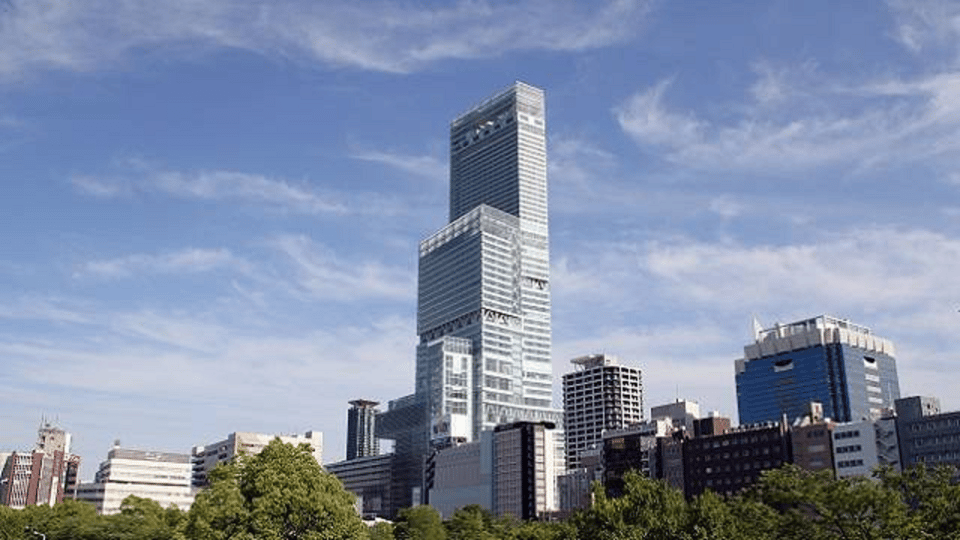
- Glass-roof elevator to the 60th floor: quick lift, instant height, and a front-row skyline feeling.
- Big panorama in clear sightlines: Osaka Castle, Osaka Bay, Kyoto, and Kobe are all part of the view.
- 58th-floor outdoor air: an open-air plaza breaks up the high-rise indoor time.
- Night light show with music: plan for nighttime if you want the best payoff.
- 16th-floor Art Museum: not just views—there’s an indoor culture stop with departments and exhibits.
Osaka: Abeno Harukas 300 Observatory E-Ticket Review
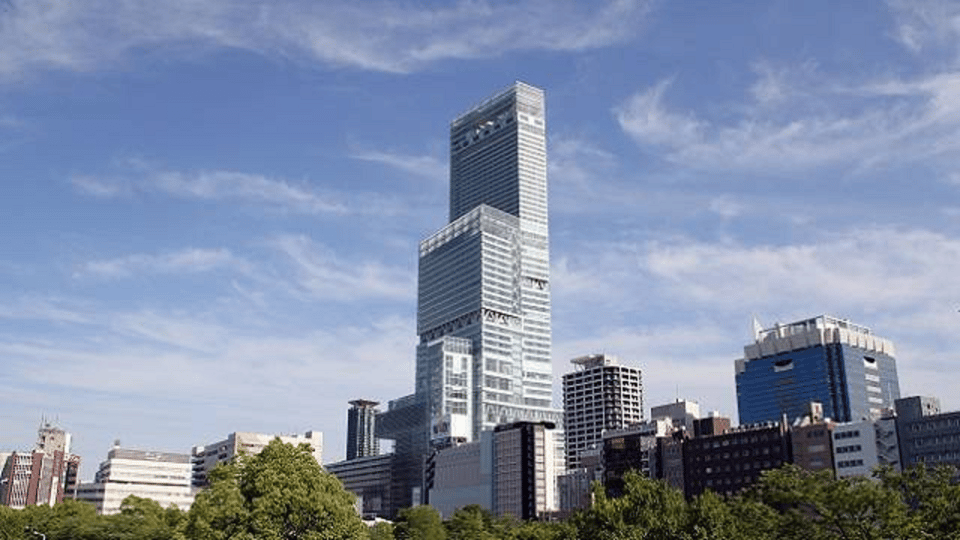
If you’re trying to see Osaka in a single hit, Abeno Harukas 300 is built for that. It’s tall, central, and designed for a “look first, explore after” kind of visit. You go up fast, take in the skyline, then you can slow down with gardens, food, and art.
The ticket is priced at about $3.40 per person, and the big value is that your admission to the Brighter Sky 300 Observatory is included. For that price, you’re not just buying a view—you’re buying access to multiple floors, changing atmospheres, and a museum stop inside the building.
You can also read our reviews of more tours and experiences in Osaka
Where you’ll be and what the building feels like
You’ll find the action in Osaka’s Tennoji district, at the Abeno Harukas 300 skyscraper. The experience is structured around set floors, so it feels organized even if the building itself is busy.
You’ll use the information counter on the 60th floor after you enter the observation area. The key time rule is registration by 10:15, and late arrivals may not be allowed to join. If you want a smooth start, give yourself a buffer and don’t gamble on trains, crowds, or elevator lines.
If you like having a pin ready for navigation, the coordinates are 34.6463062, 135.5133091.
The glass-roof elevator and 60th-floor glass deck
Your visit starts with a quick ride up in a glass-roof elevator to the 60th floor. This matters more than it sounds. The elevator view gives you that first jolt of height before you even reach the main deck, so the big skyline moment lands harder.
Once you’re on the 60th-floor glass viewing deck, you can settle in and take in the city below. The best part here is the sense of scale. This isn’t just a “pretty photo spot.” You can trace how Osaka spreads out, and the view includes major landmarks such as Osaka Castle and Osaka Bay, plus distant looks toward Kyoto and Kobe when conditions are right.
It’s also the most photo-friendly part of the experience, which can mean a lot of people and some viewpoint crowding. If you hate waiting for angles, coming earlier in the day can help. If you love night skies and don’t mind sharing space, evenings are where the energy shifts.
Food rules: why the 59th and 60th floors are stricter
There’s one practical rule that affects your flow: food and drinks are prohibited on the 59th and 60th floors. That’s a big deal if you were planning to snack while you look out.
Plan around it. There’s a designated meal option at the Sky Garden 300 Restaurant on the 58th floor, and the outdoor plaza is also there. The upside is you get a built-in rhythm: view up top, then reset with food and fresh air slightly lower down.
This also keeps the deck experience cleaner. You’re less likely to deal with litter or strong smells near the best viewpoints.
The 58th-floor open-air plaza and Sky Garden 300
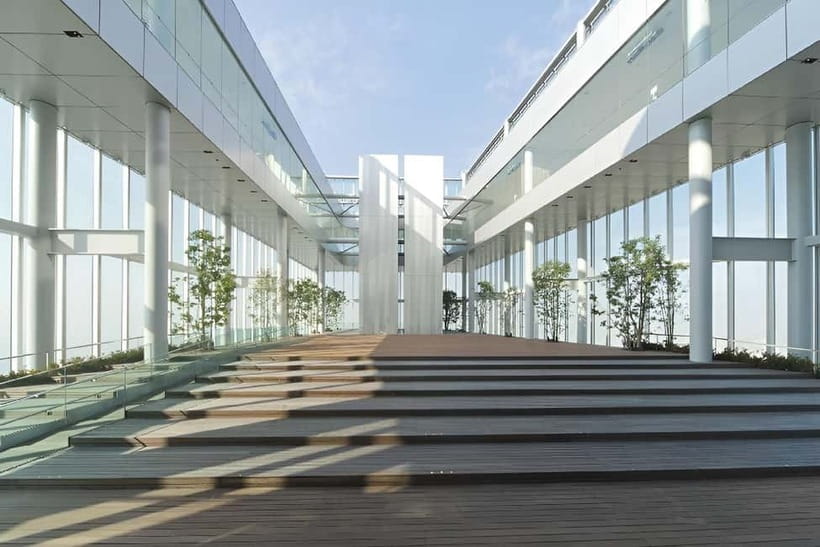
After the high viewpoint time, you’ll move toward the 58th floor, where the atmosphere changes. Here you’ll find tranquil outdoor gardens and an open-air outdoor plaza.
This floor is valuable because it gives your eyes and ears a break. Looking straight down from a glass deck can feel intense. The outdoor space makes the visit more balanced, like Osaka at a slower pace rather than just a nonstop spectacle.
If you’re hungry, this is also where the restaurant comes in. The Sky Garden 300 Restaurant is on the 58th floor, so you can eat without breaking the no-food rule above. Just know that sitting spots on decks and near viewpoints can be limited when it’s crowded, so build your meals into your timing rather than treating them as an afterthought.



Night in Osaka: light show with music
If you’re choosing only one time window, this is the one that gets the most love: night. The observatory experience includes a dazzling light show with music.
Why this matters for you: night turns a tall building into a stage. City lights sharpen outlines, and Osaka’s spread looks more dramatic. Even if you’ve seen skyline photos before, the combination of height and coordinated light/music has a different feel than just watching traffic and lights.
The practical tip is simple: don’t rush. If you head up late, you may miss the best timing. If you come too early, you might get views in the daytime but leave before the show hits its strongest mood. If night is the goal, plan your day so you’re already in position.
The 16th-floor Art Museum: what to do when you want more than views
One reason I think this ticket is stronger than a basic “go up, take a photo, leave” outing is the Art Museum on the 16th floor. Instead of repeating the same kind of skyline looking, this adds cultural time inside the building.
At the museum level, you can explore departments, shops, and exhibits. That’s helpful if you’re traveling with people who get photo-fatigue quickly. It also gives you a reason to keep moving after you’ve already taken in the view.
In real travel terms, that means you don’t have to force the trip into a tight schedule. You can split your time between height and art, depending on your mood.
Departments, shops, and the bonus of exploring the building
Beyond the observatory and the museum, the building has extra things to see, including hotels, shops, and exhibits. That might sound like filler, but in practice it’s what keeps the day from feeling one-note.
When the deck is busy, you can still keep the experience going on other floors. When you’re tired of looking outward, interior spaces give you something to do that doesn’t require constant attention.
This is especially useful for families and mixed groups where everyone’s pace is different.
Timing: how to build a smooth 1-day plan
You’re working within an operating window of 9:00 AM to 10:00 PM, with the last admission at 9:30 PM. That’s generous, but it still helps to plan so you don’t end up rushing through the parts you care about.
Here’s a simple flow I’d recommend:
- Start with the 60th-floor glass deck for the main skyline.
- Move down to the 58th floor for outdoor time and your meal at Sky Garden 300 (since the higher floors restrict food).
- Take time for the Art Museum on the 16th floor, especially if the building is crowded.
- Save energy for the night light show with music if that’s your priority.
Also remember the registration rule: finish registration by 10:15 at the 60th-floor information counter. Don’t treat the meeting point as an optional step. Build in extra time so you aren’t stressed at the start.
Practical value: is this worth $3.40?
At $3.40 per person, the value depends on what you want out of the day. If you came to Osaka mainly for one landmark view, this ticket checks that box and then some. You’re not paying for a single floor. You’re getting access across multiple levels, including outdoor gardens, a restaurant option, and an art museum.
You should also factor in what’s included versus not included. Your observatory admission is part of the ticket, but hotel pickup and drop-off aren’t. Food and drinks are separate (and you can’t eat on the 59th and 60th floors anyway).
If you’re trying to “do Osaka” efficiently without spending hours zigzagging around, this is one of those rare tickets that combines skyline time with indoor exploration.
Who should book this, and who should skip it
This works best for:
- You want big skyline views in one visit, including wide city landmarks.
- Your group includes both view-lovers and people who need indoor breaks (art museum time helps).
- Night is your favorite travel time and you like a light-and-music payoff.
Skip it if:
- You have vertigo (it’s explicitly not suitable).
- You have epilepsy (also not suitable).
And if you’re sensitive to crowds or you dislike waiting for photo angles, pick your timing carefully. The deck can get full, and some areas can be temporarily blocked during activities. That’s not a deal-breaker, but it’s worth knowing so you don’t feel blindsided.
Should you book the Abeno Harukas 300 Observatory ticket?
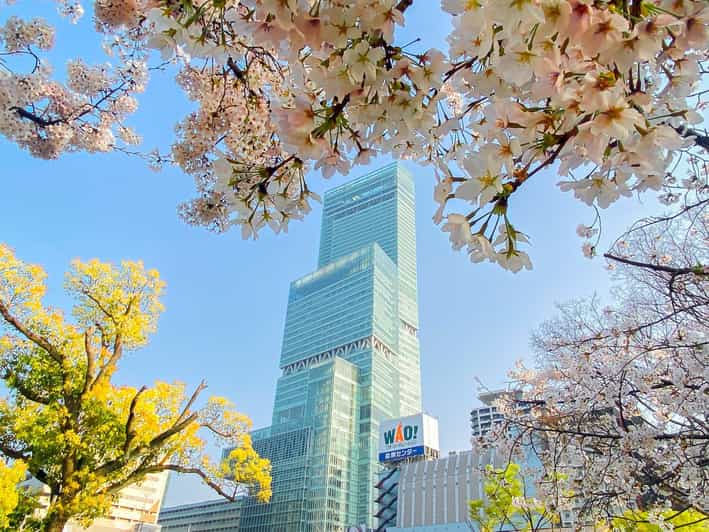
I’d book it if your goal is a one-day Osaka highlight that combines high-altitude views, a night light show with music, and a real indoor museum stop. The price feels low for what you get, and the floor variety helps you pace your day instead of rushing.
I’d think twice if you’re prone to motion discomfort at heights, or if you absolutely need quiet, empty viewpoints. The 60th-floor glass deck is popular, so your experience will be shaped by crowd levels.
Quick FAQ
FAQ
How long is the Abeno Harukas 300 Observatory experience?
It’s listed as valid for 1 day.
What are the opening hours?
Operation hours are 9:00 AM to 10:00 PM, and the last admission is at 9:30 PM.
Where do I go after entering the observation deck?
After you enter, go to the information counter on the 60th floor.
What time do I need to register?
You must complete registration by 10:15, and late arrivals may not be allowed to join.
Is the ticket refundable?
This activity is listed as non-refundable.
What ID do I need to bring?
Bring a passport or an ID card.
Can I eat or drink on the higher floors?
Food and drinks are prohibited on the 59th and 60th floors. You should dine at Sky Garden 300 on the 58th floor.
Is it suitable for children?
Children under 4 enter for free, but they must be accompanied by an adult.
Is it suitable for people with vertigo or epilepsy?
No. It is not suitable for people with vertigo or for people with epilepsy.
What views can I expect?
The panorama includes views of Osaka Castle, Osaka Bay, and you may also be able to see Kyoto and Kobe.