REVIEW · OSAKA
Koyasan: A Mysterious Meditation Journey
Book on GetYourGuide →Operated by Kansai Holiday · Bookable on GetYourGuide
A mountain town built for quiet.
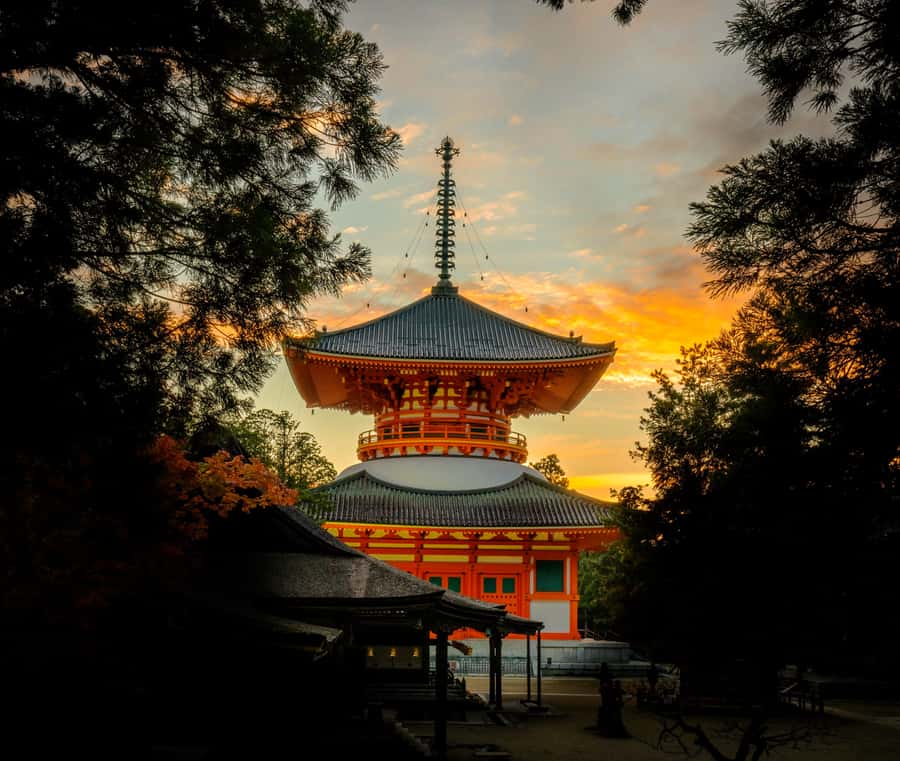
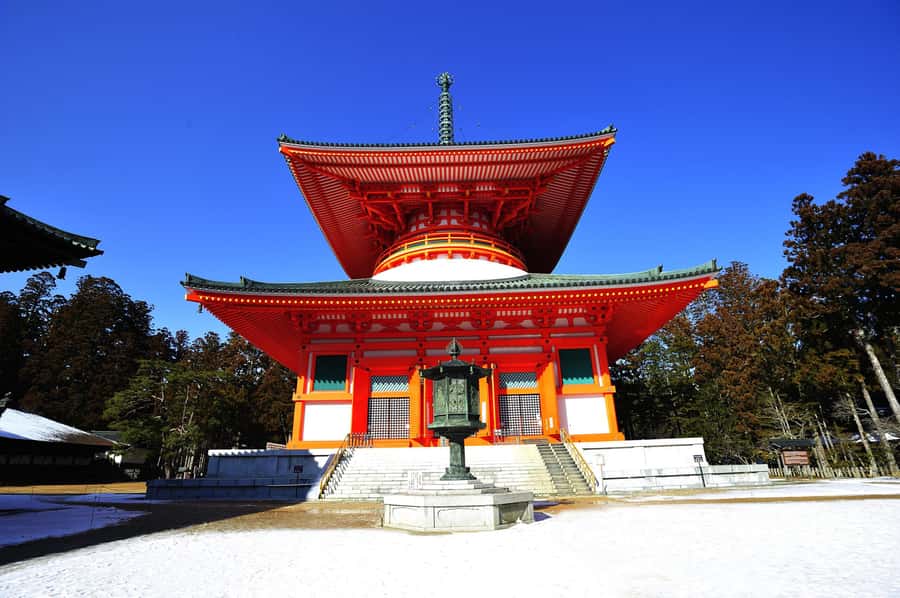
This Koyasan experience pairs private transport from Osaka or Kyoto with guided time inside some of the most important Shingon Buddhist spaces in Japan. You start at the 25m vermilion Koyasan Daimon Gate, then choose where to focus—Kongobu-ji, Okuno-in, Danjo Garan, and even the Koyasan Reihokan Museum.
I particularly like the built-in flexibility: you can tailor the climb to what you care about most, instead of being herded through one fixed script. And if you want more than sightseeing, there’s an optional temple meditation/live training component led by a monk, plus other monastic-style activities like sutra copying and monk-led private tours. One practical catch: the driver’s English is described as basic, so if you want deep explanations, you’ll likely want the expert guide add-on, and entrance fees and food aren’t included.
In This Review
- Key highlights you’ll feel right away
- The drive from Osaka or Kyoto to Koyasan Daimon Gate
- Kongobu-ji: where Shingon Buddhism feels official
- Okuno-in and Kobo Daishi’s resting place: the long path that changes the pace
- Danjo Garan Sacred Temple + Koyasan Reihokan Museum
- Optional monk-led meditation training: a different kind of souvenir
- How the schedule stays relaxed (and why it matters on a mountain day)
- Price and value: what $539 per group gets you
- Service quality: what stands out from real experiences
- Who this Koyasan trip suits best
- Should you book this Koyasan meditation journey?
- FAQ
- How long is the service, and does it include round-trip transport?
- What’s included in the tour price?
- Are entrance fees and food included?
- Can I add baby seats?
- What language support is available?
- What if I want the optional meditation experience?
Key highlights you’ll feel right away
- Private car + door-to-door pickup to avoid hassle on mountain roads
- Koyasan Daimon Gate (25m tall) as your first instant of scale and atmosphere
- Two big temple choices: Kongobu-ji vs Okuno-in of Kobo Daishi
- Okuno-in setting where nobles, celebrities, and samurai are said to rest
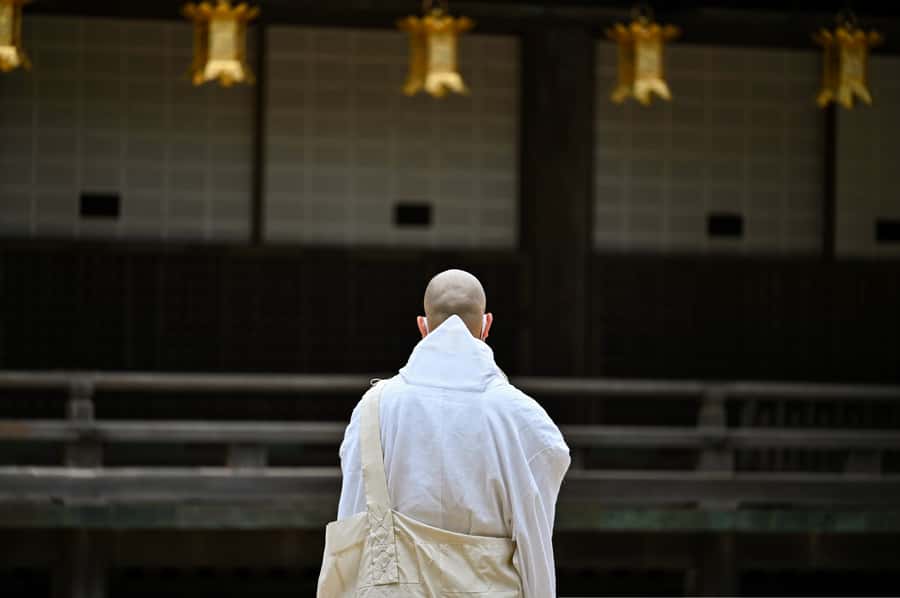
- Optional monk-led meditation training with the chance to live the ritual rhythm
- Comfort perks like WiFi in the car and a translation app for smoother conversations
The drive from Osaka or Kyoto to Koyasan Daimon Gate
Most day trips to Koyasan sound simple until you picture the logistics. Here, you get a professional driver and air-conditioned private transportation, plus hotel pickup and drop-off. That matters because getting to Koyasan usually means dealing with transfers and timing, and that can eat the calm you came for.
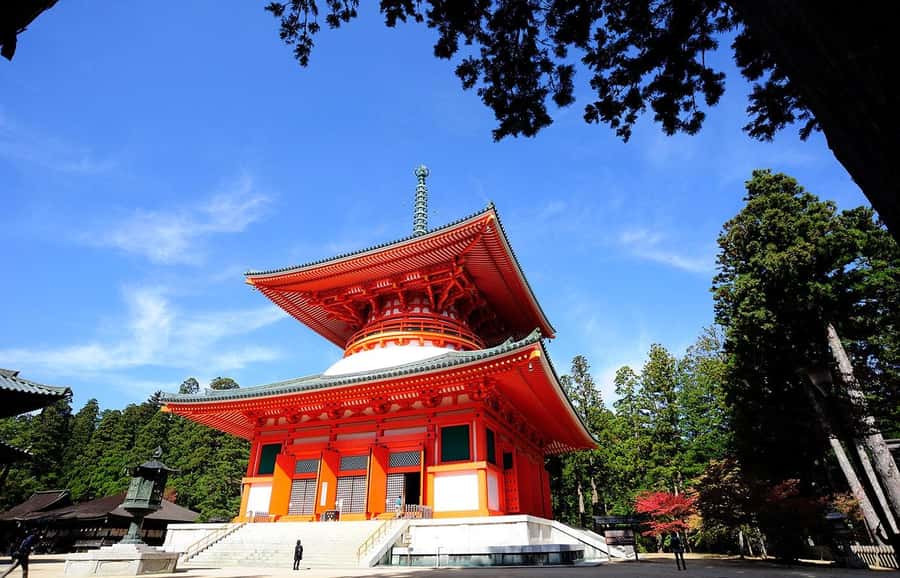
The drive takes about 2 hours, then you arrive at the Koyasan Daimon Gate—a dramatic vermilion entrance with wooden guardians on either side. The gate is about 25 meters high, so you don’t just pass through; you feel like you’re stepping into a different world. It’s also a good emotional reset moment: you start your day at the threshold, not after you’ve already burned your energy climbing.
You can also read our reviews of more tours and experiences in Osaka.

Kongobu-ji: where Shingon Buddhism feels official
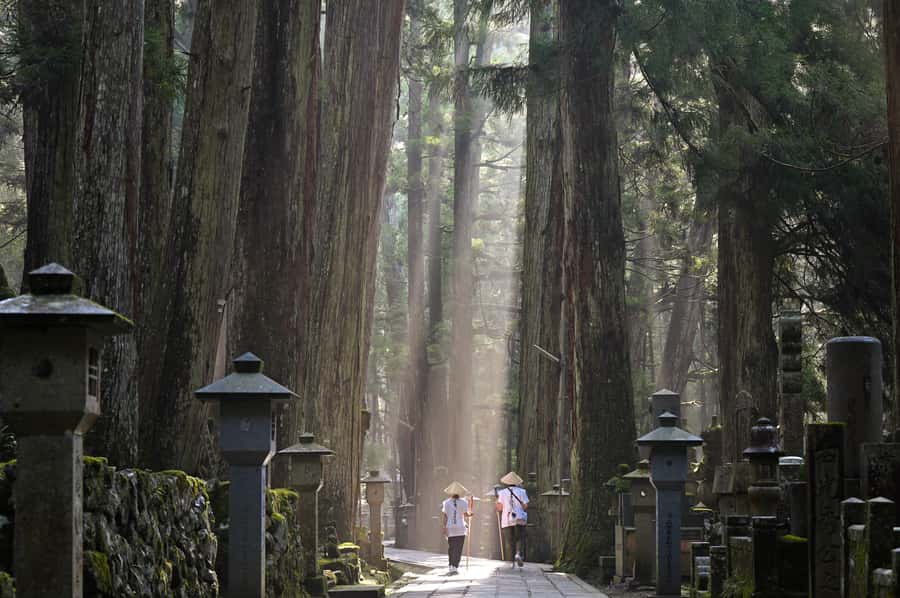
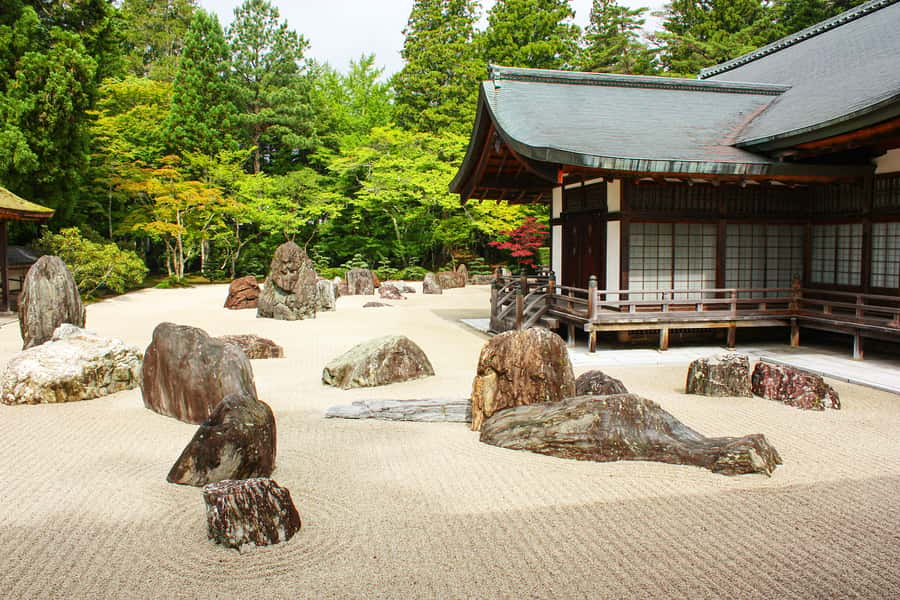
Once you’re up on the mountain, you get to choose. One major option is Kongobu-ji, the total Shingon sect main temple. If you like structure—temples that feel like institutions, not just photo stops—this is the place.
Kongobu-ji gives you a strong sense of how the tradition has been organized for centuries. You get to stroll within its temple complex and see Buddhist culture in a “this is how it’s done” way, not just as relics behind glass. A practical bonus: because this is a main temple, you tend to find clearer flow and spaces for contemplative wandering.
A small consideration: even with a planned route, temple grounds can still feel busy at peak hours depending on the day. If your goal is quiet, I’d give yourself permission to take breaks and slow down, especially after the gate and before you commit to deeper areas.
Okuno-in and Kobo Daishi’s resting place: the long path that changes the pace
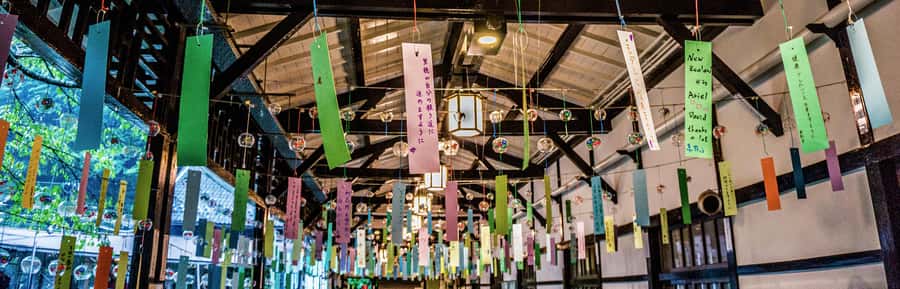
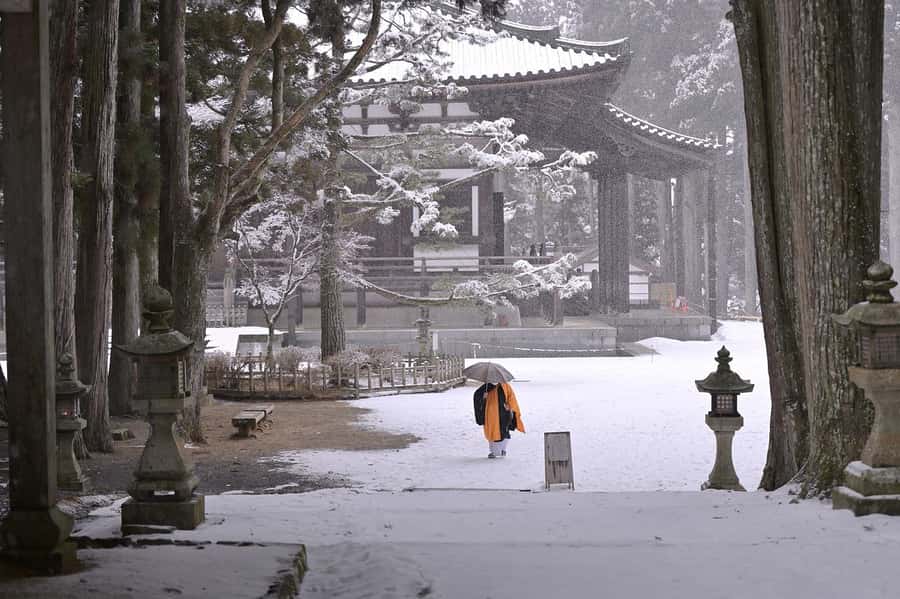
If Kongobu-ji feels institutional, Okuno-in feels like the heart. This is the site associated with Kobo Daishi (Kukai), and it’s where countless nobles, celebrities, and great samurai are said to rest. Even the way you move through the area can feel different—more like you’re part of a pilgrimage route than a tour schedule.
What I like here is the emotional logic. Kobo Daishi is a major figure in Shingon Buddhism, and visiting Okuno-in is a way to connect cultural memory with lived practice. The setting also makes sense of why Koyasan is often described as a spiritual haven: it’s not just buildings, it’s the atmosphere of devotion and remembrance.
Season matters. The experience information notes that in summer nights, you may even see fireflies and flying squirrels. That’s not something to force, but it’s the kind of detail that makes Koyasan feel specific, not generic. If you’re traveling during summer, plan your day with the idea that light and weather can change how the grounds feel.
Danjo Garan Sacred Temple + Koyasan Reihokan Museum
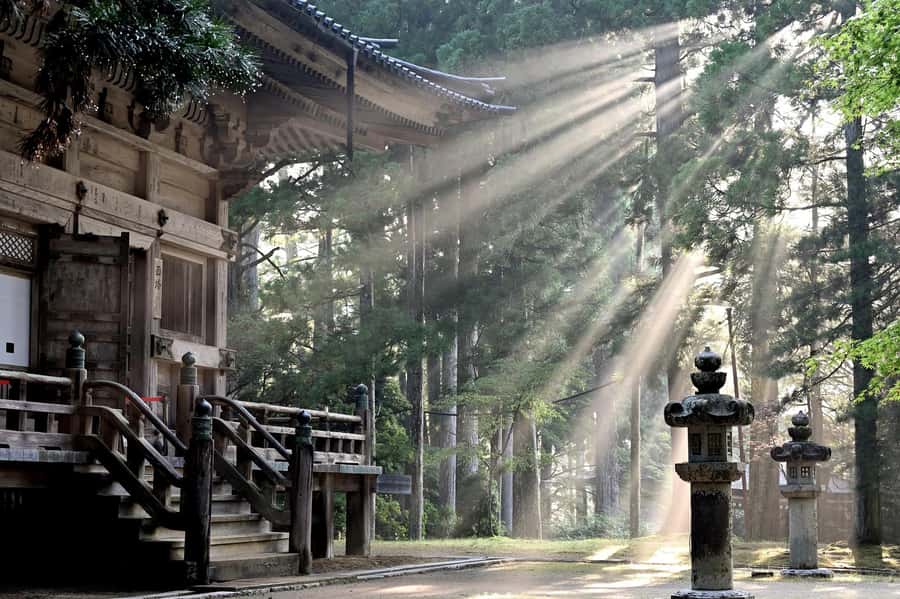
Not everyone wants the biggest gravesite focus. If you prefer iconic architecture and cultural artifacts, Danjo Garan Sacred Temple and the Koyasan Reihokan Museum are your two easy-to-pair stops.
Danjo Garan is described as a sacred temple area, and it’s the kind of place where scale and layout help you “read” Buddhist space. It’s also a good option if you want variety without choosing between only Kongobu-ji or only Okuno-in. Think of it as a bridge between the major spiritual landmark areas.
Then there’s Koyasan Reihokan Museum, which adds a different kind of understanding. Temples can be sensory and moving; museums can explain materials and meaning. If you want context for what you’re seeing—what objects are, how they were used, and why they matter—this pairing is smart.
A practical tip: museums often have different energy than outdoor temple grounds. If you’re sensitive to crowds, this can be your calm reset, since indoor spaces tend to manage traffic better than long outdoor paths.
Optional monk-led meditation training: a different kind of souvenir
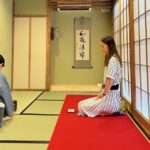
The biggest difference between a typical sightseeing trip and this one is the optional meditation live experience. You can live in the temple and follow the monk to do the meditation training. The tour also mentions other Buddhist cultural activities such as meditation and sutra copying, plus private guided tours led by monks.
I like this because it changes what you take home. Temples are powerful, but they’re still mostly visual unless you participate. When a monk guides meditation, you’re not only observing belief—you’re practicing the rhythm and form of it, even if only for a short session.
That said, don’t assume you’ll get a “spa meditation” vibe. This is temple training in a religious setting. Go with a flexible attitude and a willingness to follow instructions quietly. If you prefer structured explanations, consider adding an expert guide so you can ask questions and understand what you’re doing as you do it.
How the schedule stays relaxed (and why it matters on a mountain day)
This is a 10-hour total service day, and it’s extendable with an extra charge. It also includes hotel pickup and drop-off, which is huge because Koyasan day trips often fail on either the travel time or the timing of temple closures.
The plan is designed to feel un-rushed: after the morning drive and the Daimon Gate entry, you’re given freedom to choose your next destination rather than being locked into one sequence. That flexibility is what keeps the day feeling human. If you start with Kongobu-ji and then your legs or attention shift, you can adjust within the options.
The day ends with a return to your hotel around the evening. For me, that timing matters because Koyasan is physically and mentally demanding in a good way—you’re on mountain paths, in a different cultural cadence. If you tried to DIY this with buses and taxis, you’d lose the benefit of that calm.
Price and value: what $539 per group gets you
The price is listed as $539 per group up to 5, not per person. That changes the math fast. For a small group—friends or a family of five max—you’re paying for convenience, not just admission and walking time.
You’re getting:
- Private transportation with a professional driver
- WiFi in the car and charging/equipment cable and socket
- A multi-language translation app
- Fuel, tolls, and parking
- A full hotel pickup and drop-off flow
- A total of 10 hours of service (extendable)
Entrance fees and food aren’t included, so budget a bit extra for those. But in many temple destinations, the real cost isn’t just entry—it’s time, friction, and the energy of coordinating. Here, you’re buying a day where the transportation stress is handled and your attention can stay on the temples.
The trade-off is that the driver has basic English by default. If you want expert-level interpretation, you’ll need the optional expert guide service. If you’re comfortable using the translation app and reading signs, you can still have a meaningful day.
Service quality: what stands out from real experiences
The best feedback here is about how smoothly the trip runs. One strong positive experience highlighted a helpful, respectful guide named Mia and a driver who paid attention to preferences and needs. That kind of care matters in Koyasan because you’re juggling walking, choosing stops, and switching mental gears between areas.
Another positive note praised the vehicle comfort and the ease of getting to and from Koyasan. I take that as a signal that this isn’t just a ticket to a place; it’s an actual “day organized for you” approach.
The balanced view: there’s also a low review that mainly refers to prior correspondence without giving details about the day itself. Since the drawback info is limited, I’d focus on the practical considerations we do know: English depth may be basic unless you add expert guidance, and you’ll still be responsible for valuables and any personal-loss issues.
Who this Koyasan trip suits best
This works especially well if you:
- Want the spiritual sites without the stress of transfers
- Prefer to choose between Kongobu-ji and Okuno-in based on your mood
- Like the idea of adding a monk-led meditation training moment
- Are traveling as a small group where a private vehicle becomes good value
It may be less ideal if you’re traveling solo and expected very detailed interpretive narration included in the base service. In that case, you’d want to plan on using the translation app and decide whether the expert guide add-on is worth it for you.
Should you book this Koyasan meditation journey?
Yes, if your priority is a smooth, respectful visit to Koyasan’s key temples with optional meditation that goes beyond sightseeing. The combination of private pickup, the 25m Daimon Gate entry, and the chance to focus on Kongobu-ji or Okuno-in is exactly what makes a day trip feel meaningful.
Book with extra care if you’re the type who wants deep explanations included from start to finish. Since the default driver English is described as basic, you’ll either need the expert guide add-on or be comfortable navigating with a translation app and your own curiosity.
If you’re aiming for a calmer experience, consider going at a time of day when you can take breaks between major areas. And if you’re traveling in summer, don’t ignore the possibility of fireflies at night—Koyasan can feel personal when the light and sound change.
FAQ
How long is the service, and does it include round-trip transport?
The service is 10 hours total, including pickup and drop-off, with hotel transfers from Osaka or Kyoto. It can be extended with an additional charge if you want more time.
What’s included in the tour price?
It includes an air-conditioned private vehicle, fuel and tolls, parking fees, WiFi in the car, a multi-language translation app, electronic charging cable/socket, and hotel pickup and drop-off. It also includes 10 hours of services from the start of the activity.
Are entrance fees and food included?
No. Entrance fees and food and beverages are not included, so you’ll want to budget for those separately.
Can I add baby seats?
The first baby seat is free if you tell them before departure. The second baby seat costs an additional 2,000 yen per child, and you also need to request it in advance.
What language support is available?
The information lists languages as Chinese, English, and Japanese. The driver is described as speaking basic English by default, and if you need expert guiding, you can purchase that add-on at booking confirmation.
What if I want the optional meditation experience?
The tour offers an optional live in the temple meditation training where you follow the monk. The experience information also mentions activities like meditation and sutra copying as part of the broader Koyasan cultural program options.