REVIEW · OSAKA
Half day Osaka Bay Area Cycling with E-Assist Bicycle Tour
Book on Viator →Operated by Banri · Bookable on Viator
That first pedal hits different in Osaka Bay. This half-day e-bike tour mixes famous landmarks with quieter waterfront streets, plus local ferry moments most visitors never catch. I love how I can focus on the scenery instead of maps, and how the route threads in real neighborhoods like the factory district from Black Rain.
Two standouts for me: the stop at Sumiyoshi Taisha Shrine (free, and stunning for how old it feels), and the short local ferry rides that add a quick change of pace without turning the day into a transit puzzle. One thing to consider: parts of the ride are steep, and the route includes roads heavily used by large trucks—so bring a mask and eye drops if you’re sensitive.
If you like your Osaka travel with fresh air, good pace, and photo-worthy bridges, this is a smart way to spend half a day on two wheels. You’ll get helmet and bottled water, and a guide (Banri) who keeps things moving without rushing you.
In This Review
- Key points before you go
- Why Osaka Bay makes sense on an e-bike
- Meeting at Lawson Tamadenaka and riding with a tiny group
- Sumiyoshi Taisha Shrine: a calm start with serious age
- Shinkizugawa Bridge: views toward Tennoji and a photo-friendly descent
- The Black Rain factory district: Osaka you don’t see from the train window
- Local ferry facilities at Funamachi: one minute that feels like a reset
- IKEA Tsuruhama lunch stop: practical food and a vegetarian-friendly plan
- Namihaya Bridge: 360-degree views over Osaka Bay
- Mt. Tempozan and the Tempozan break: aquarium area vibes, plus Tadao Ando nearby
- Steeper moments: arcade shopping and intersections that look like a puzzle
- Second local ferry: 甚兵衛渡船場 for a quick river-crossing feel
- Sensai Bridge: steep bike road, with a ferry option
- Sembonmatsu Bridge and Megane-bashi: the shape that locals nickname
- Price and timing: is $78.38 worth it for a half day?
- Who should book this Osaka Bay e-bike ride
- Should you book? My quick decision guide
- FAQ
- FAQ
- How long is the Osaka Bay Area cycling tour?
- What does the tour cost?
- What’s included with the tour?
- Is lunch included?
- Where do I meet, and where does it end?
- What’s the group size?
- What fitness level do I need?
- Are there height and weight limits?
- What happens if it’s rainy?
Key points before you go
- Small group size (max 3 travelers) means you actually ride together and get help when needed.
- E-assist helps on steep bridge sections, so you don’t turn the ride into a workout contest.
- Local ferries add an authentic, quick waterfront flavor—bicycle and pedestrian only trips.
- Scenic bridges and views include Shinkizugawa, Namihaya’s 360-degree panorama, and Sembonmatsu’s Megane-bashi shape.
- Lunch is partly flexible: Japanese diner at Tempozan, or vegetarian option at IKEA Tsuruhama.
- Traffic considerations matter: large trucks use the roads, so air and eyes can be an issue.
Why Osaka Bay makes sense on an e-bike
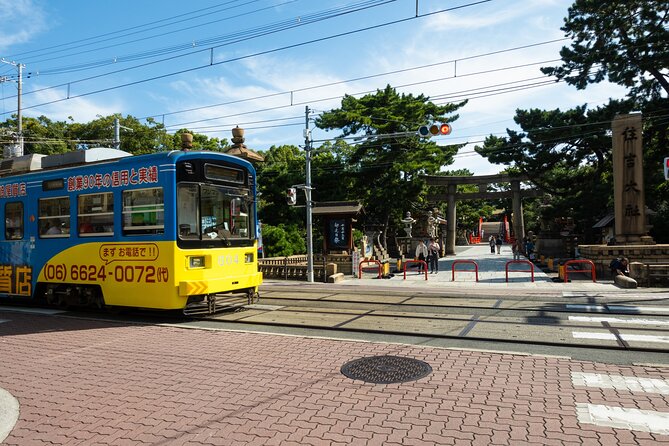
Osaka Bay looks flat on a map, but the reality is more interesting—bridges, waterfront crossings, and a lot of “where do we go next?” decisions. That’s exactly why an e-assist bike is a great fit here. You still get the fun of pedaling, but the motor helps you keep a comfortable speed for the full stretch of the route.
I also like that the day doesn’t revolve around “big ticket” sightseeing only. You get a shrine, bridge viewpoints, and bay-area scenery, but the route also shows working Osaka: bridges used by locals, ferry landings, and streets that don’t feel staged for tourists.
The result is a half-day plan that feels active without being exhausting—and you’re back at the start point when it’s done.
You can also read our reviews of more cycling tours in Osaka
Meeting at Lawson Tamadenaka and riding with a tiny group
You meet at Lawson Tamadenaka 2-chome (Nishinari Ward) and the tour ends right back at the meeting point. It starts at 10:00 am, so you can still have the rest of your day for other Osaka plans without feeling rushed.
The group size is capped at 3 travelers, which matters more than you’d think. With so few people, Banri can slow down for tricky sections and make sure everyone stays together, especially where road access changes or the path gets steep.
This is also helpful for practical stuff: if you’re unsure about biking posture or want to adjust how you use the assist, you’re not stuck asking in a crowd.
Sumiyoshi Taisha Shrine: a calm start with serious age
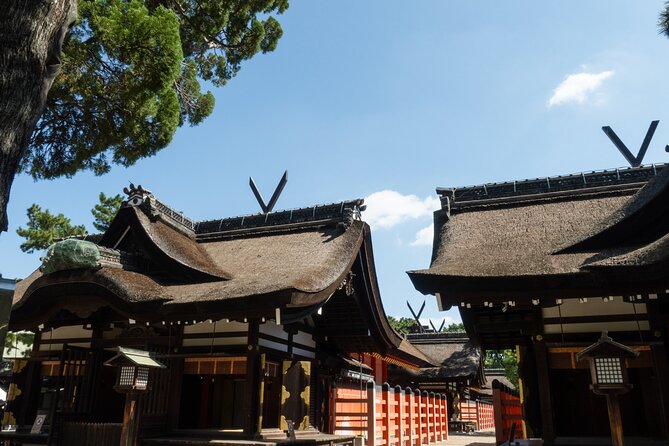
The ride opens at Sumiyoshi Taisha Shrine, about a 30-minute stop with admission ticket free. This isn’t a quick photo-and-go shrine. It’s one of Japan’s oldest, with history stretching close to 2,000 years, and it’s dedicated to the sea gods.
I like starting with a place like this because it gives your brain a reset before the bay roads and bridges. You get the atmosphere, the walking space, and a sense of scale before the ride starts turning into views.
If you want a little strategy: take your time here and use the pause to get comfortable in your helmet and riding gear. Then you’re ready for the next section.
Shinkizugawa Bridge: views toward Tennoji and a photo-friendly descent
Next up is Shinkizugawa Bridge for about 20 minutes, also admission free. The views here run toward Tennoji and the Ikoma Mountains in the background, which makes it a great “Osaka from a different angle” moment.
You also get a fun riding element: the bridge has a three-stage loop feel, and you experience a descent that’s part of the attraction. Even if you’re not a hardcore cyclist, that kind of structure adds excitement without needing technical skills.
Just be ready for the “pay attention” factor. Some bridge approaches and access points can be tricky, so keep both hands on the handlebars and don’t rely on autopilot.
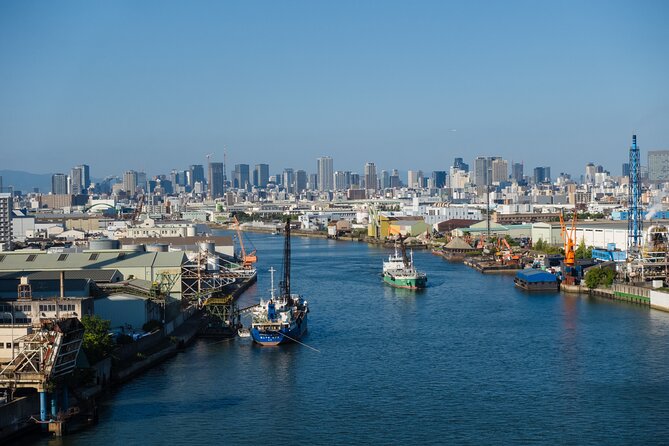
The Black Rain factory district: Osaka you don’t see from the train window
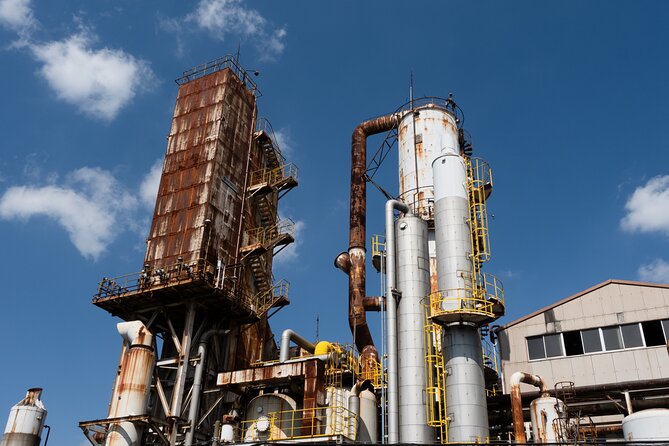
Between major stops, the route takes you through a factory district that was used for the film Black Rain, including scenes filmed in Osaka and New York City. It’s a strange and interesting reminder that Osaka Bay isn’t only about temples and postcard views.
I like this part because it turns the ride into more than sightseeing. You’re riding through how the city works—industrial spaces, waterfront energy, and real streets where life happens.
If you’re the type who likes photography with texture (not just skyline shots), this section will click.
Local ferry facilities at Funamachi: one minute that feels like a reset
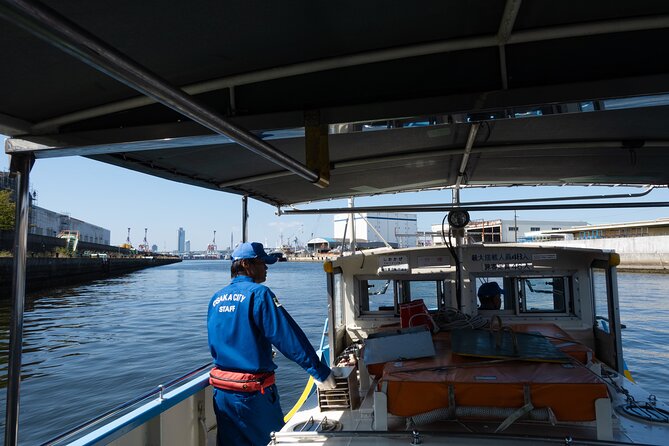
Then comes one of the best “small moment” experiences: Funamachi Ferry Facilities. It’s an admission-free stop and the ferry ride itself is very short—about one minute—for bicycles and pedestrians only.
This is a big value add for two reasons. First, it breaks up the ride without eating up time. Second, it shows you how locals handle the water crossings in a practical way, not as a tourist stunt.
You’ll probably notice the difference immediately: the pace changes, the air changes, and your ride gets a little story in it.
IKEA Tsuruhama lunch stop: practical food and a vegetarian-friendly plan

At IKEA Tsuruhama, you get a break for about 15 minutes. Admission is free, and the key detail is food options: for vegetarians, lunch is at the Sweden food market of IKEA.
For non-vegetarians, lunch is later at a Japanese diner near Tempozan (more on that in a moment). But I really appreciate that this plan doesn’t leave vegetarians scrambling or forcing them into whatever is closest.
Also, since this is a half-day ride, that quick meal moment helps you keep energy for the second half—the bridge crossings and viewpoints that are more visually rewarding as the day goes on.
Namihaya Bridge: 360-degree views over Osaka Bay
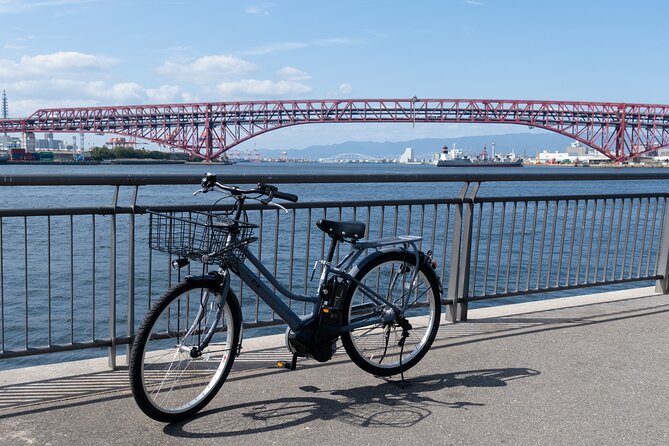
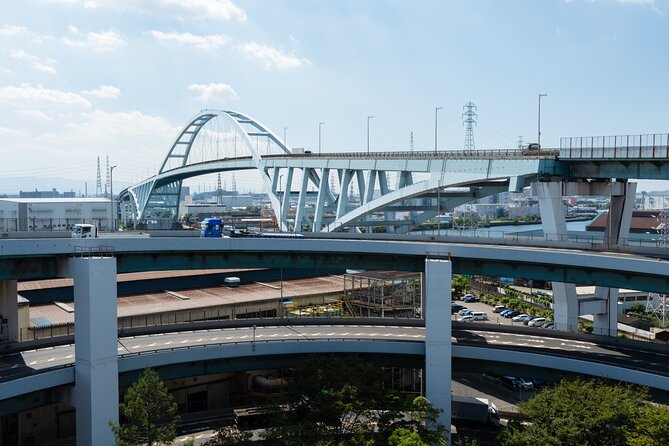
Namihaya Bridge is the next major scenery stop, around 20 minutes, again with admission free. This bridge sits almost in the middle of the bay area and gives you a 360-degree view of Osaka city.
You’ll also see why shipping matters here: there’s a channel for ships with height around 47 meters above the water. In other words, this is not just a scenic structure—it’s part of the logistics of the bay.
For riders, it’s a great checkpoint. Even if you’re tired, the view makes the effort feel worth it, and it’s a calm moment to steady yourself before the next stretch.
Mt. Tempozan and the Tempozan break: aquarium area vibes, plus Tadao Ando nearby
Then you shift to Mt. Tempozan for a longer break—about 40 minutes. This stop includes time for lunch at a Japanese diner, and it’s also where you pass key sights along the way.
As you ride through the Tempozan area, you’ll pass the Kaiyukan aquarium, the ferris wheel, and a connection to Tadao Ando architecture. Tempozan is also known for cherry blossoms in spring, which helps explain why people talk about this place as a seasonal favorite.
This part of the day feels like a transition from “bridges and working-waterfront Osaka” to a more built-up sightseeing zone. It’s also where you can catch your breath. If you need a quick reset for your legs, this is the time.
Steeper moments: arcade shopping and intersections that look like a puzzle
After the Tempozan area break, the route hits a few extra photo moments. You’ll see a spot where three expressways intersect and subway tracks intersect, which makes for surprisingly photogenic angles—especially if you like industrial geometry.
You also pass through an old-style Japanese arcade shopping center. This is one of those details that gives the ride local texture. It’s not the kind of place you typically stop for as a tourist attraction, but cycling through it turns the whole day into something more lived-in.
Just keep your expectations realistic: this isn’t a leisurely stroll through a mall. It’s a ride through, with quick stops that keep momentum.
Second local ferry: 甚兵衛渡船場 for a quick river-crossing feel
Next is another short local ferry experience at 甚兵衛渡船場(大正区泉尾側). It’s about 10 minutes on the schedule, with the ferry trip again around one minute for bicycles and pedestrians.
This repetition matters because it reinforces what you came for: the practical rhythm of Osaka Bay crossings. One ferry ride is fun; two makes the whole experience feel cohesive.
It also helps you recognize the route structure—once you’ve seen how the ferries work, the rest of the ride feels easier to follow.
Sensai Bridge: steep bike road, with a ferry option
You’ll reach Sensai Bridge for about 15 minutes, and here’s the practical detail: the bicycle road is steep. If you want to avoid the steep riding section, you can take a ferry to cross the river instead.
This is exactly the kind of flexibility that makes an e-bike tour feel smarter than a solo ride. Even if you’re comfortable riding, the option to switch plans protects your energy for later bridges.
Keep an eye on how your body feels. If you’re getting shaky or your speed drops, it’s better to take the easier path than to push too hard.
Sembonmatsu Bridge and Megane-bashi: the shape that locals nickname
Finally, you end at Sembonmatsu Bridge, about 15 minutes, free admission. This bridge crosses the Kizu River, a connection that links the bay area with Dotonbori.
It’s nicknamed Megane-bashi, or glasses bridge, because its shape resembles a pair of glasses. This is a great last stop because it gives you a satisfying visual payoff after all the earlier viewpoints.
And it’s a fitting ending: bridges earlier in the day showed you sea connections and city angles; this one ties the ride back to Osaka’s more famous energy.
Price and timing: is $78.38 worth it for a half day?
For $78.38 per person over 4 to 6 hours, the value here comes from the combination, not just the bike. You’re paying for an e-assist bicycle, helmet, and bottled water, plus Banri guiding the route so you’re not managing trains, transfers, and map puzzles.
That cost also reflects the real work behind a guided ride: keeping a small group together, handling tricky accesses, and making the stop moments meaningful instead of random.
If you were to rent a bike on your own, you might spend less on paper. But you’d still need to figure out safe routes through traffic, where ferry crossings fit in, and how to structure the day so it stays doable in half a day. Here, that structure is the product.
I’d call it a good deal if you want authentic bay-area Osaka and you like seeing local transport moments. It’s not a “museum tour.” It’s a moving day with stops built into the ride.
Who should book this Osaka Bay e-bike ride
This tour suits you best if:
- You can ride a bike and you’re comfortable with some steep sections (e-assist helps, but it’s still biking).
- You want a half-day plan that shows both famous and everyday Osaka.
- You like photos—bridges, river crossings, and industrial intersections.
- You appreciate small groups. Maximum 3 travelers is a big plus.
A couple practical limits to watch: minimum height is 140 cm, maximum weight is 90 kg, and the bike may be too small for people over 180 cm. Also, the roads can be busy with large trucks, so protect your airways and eyes if that matters to you.
Should you book? My quick decision guide
Book this ride if you want Osaka Bay from the seat of an e-bike and you’d rather spend your day on bridges, ferries, and neighborhood streets than planning transit. I think it’s especially strong for first-time Osaka visitors who feel overwhelmed by where to go next—Banri’s route planning takes that pressure away.
Skip it if you’re not comfortable with traffic-heavy roads, or if steep riding sections would stress you out. Even with the e-assist and ferry options, this is still an active cycling experience.
FAQ
FAQ
How long is the Osaka Bay Area cycling tour?
It runs about 4 to 6 hours.
What does the tour cost?
The price is $78.38 per person.
What’s included with the tour?
You get use of the bicycle, a helmet, and bottled water.
Is lunch included?
Lunch is not included. You’ll eat at a Japanese diner at Tempozan, and for vegetarians there’s a lunch option at the IKEA Tsuruhama Sweden food market.
Where do I meet, and where does it end?
The tour starts at Lawson Tamadenaka 2-chome 2-6-12 Tamadenaka, Nishinari Ward, Osaka, and it ends back at the meeting point.
What’s the group size?
The maximum group size is 3 travelers.
What fitness level do I need?
The tour says travelers should have a moderate physical fitness level, and you must be able to ride a bicycle.
Are there height and weight limits?
Yes. The minimum height is 140 cm and the maximum weight is 90 kg. Also, the bicycle may be too small for people over 180 cm tall.
What happens if it’s rainy?
The tour can be canceled if the rain probability is 40% or more. If that happens, you’ll be offered a different date or a full refund. Free cancellation is allowed up to 24 hours before the start time.