REVIEW · OSAKA PREFECTURE
Sakai – Knife Factory and Craft Walking Tour
Book on Viator →Operated by Japan Tour Adventure · Bookable on Viator
You get a real knife factory in 3 hours. You’ll see how blades are turned into proper handmade cooking knives, then learn and practice traditional sharpening with a professional. I also love the cinnamon mochi stop at 八百源来弘堂本店, where you’re given one sweet with a story behind it. One heads-up: the way Sakai history is explained may feel too Western in tone for some people.
This tour hits a sweet spot for price and access: it costs $66.05, runs about 3 to 4 hours, and keeps the group small (max 10). You get a mobile ticket, a bilingual guide, and one included sweet, with the option to watch (and potentially order) a custom knife being made.
In This Review
- Key things to know before you go
- Why Sakai’s knife scene feels different
- The 9:00 meeting point and a 3–4 hour rhythm that works
- Stop 1: 八百源来弘堂本店 and cinnamon mochi with a real origin story
- Stop 2: the sharpening station factory visit (where the tour earns its value)
- Stop 3: Sakai Traditional Crafts Museum and Knife Shop (more than just knives)
- Price and what you actually get for $66.05
- Guides, language, and how to get what you need
- Who should book this tour (and who might not love it)
- Should you book the Sakai Knife Factory and Craft Walking Tour?
- FAQ
- What time does the tour start?
- How long is the Sakai Knife Factory and Craft Walking Tour?
- What is included in the price?
- Is a mochi snack included?
- Where does the tour start and end?
- Do I need to print a ticket?
- Can I request a French-speaking guide?
- Is this tour only for people with more than one guest?
- How many people are in the group?
Key things to know before you go
- Real access to the sharpening station so you’re not just looking at knives behind glass
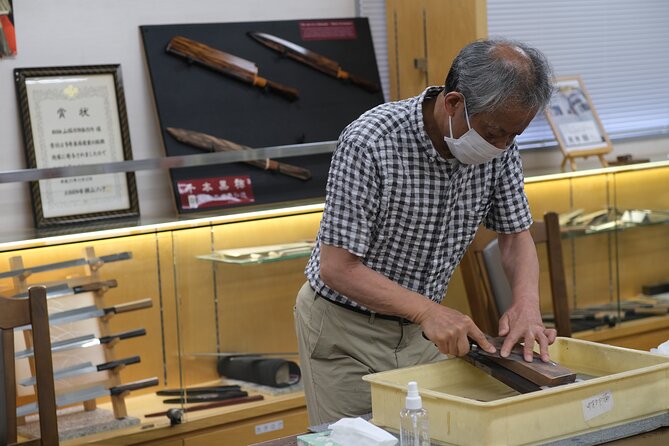
- Hands-on sharpening practice with a professional, not a passive demo
- Cinnamon mochi included from a shop tied to a 400-year origin story
- A factory-to-crafts overview of Sakai via the traditional crafts museum stop
- Small-group size (10 max) which usually makes questions easier
- Timing quirks to plan around like the 3rd Tuesday museum issue and a March–April blacksmith schedule
Why Sakai’s knife scene feels different
Sakai is one of those places where you can tell craft is still work, not just a souvenir theme. The experience is built around exactly that idea: you watch blades coming in, you see sharpening practices up close, and you learn how the final edge is treated as a skill. The tour focuses on practical process—how you take raw material and turn it into a cooking tool people actually trust.
What makes this tour more interesting than a typical sightseeing walk is the chain of roles. The tour description emphasizes that raw blades arrive directly from the blacksmith, and then the factory turns those blades into proper handmade cooking knives. That matters because you’re seeing craftsmanship as a system: forging, shaping, sharpening, and finishing. You come away with a better sense of why a good edge holds up, why sharpening is its own discipline, and why the details matter.
I also like that Sakai isn’t reduced to knives alone. The stop at the Sakai Traditional Crafts Museum and Knife Shop is designed to show how Sakai produces other important local products too, including the bicycle brand Shimano, first created in Sakai. It gives you context for the city as a place where making things is normal.
You can also read our reviews of more walking tours in Osaka Prefecture

The 9:00 meeting point and a 3–4 hour rhythm that works
The tour starts at 9:00 am and ends back at the meeting point. The start location is at 3-chōme-22 Ebisujimachō, Sakai Ward, Sakai, Osaka 590-0985, Japan, and it’s described as near public transportation. That’s helpful if you’re trying to fit this into a day without a ton of taxi time.
Duration is listed as about 3 to 4 hours. In practice, that’s a good length: long enough to do the mochi stop, see the factory work, learn sharpening basics, and still include a museum visit. It’s short enough that you’re not wrecked for the rest of your day.
One scheduling point you should note up front: the tour can be limited by dates. For March 6 to April 6, 2026, there’s a note that only the blacksmith is available during Tuesdays, Wednesdays, and Thursdays. If your dates fall in that window, the shop/factory flow could look different than on other weekdays. Also, every 3rd Tuesday the museum may close without notice because of inventory, and in that case your guide is supposed to take you directly to the craftsman location. If you want a smoother plan, consider avoiding the 3rd Tuesday for that month.
Stop 1: 八百源来弘堂本店 and cinnamon mochi with a real origin story
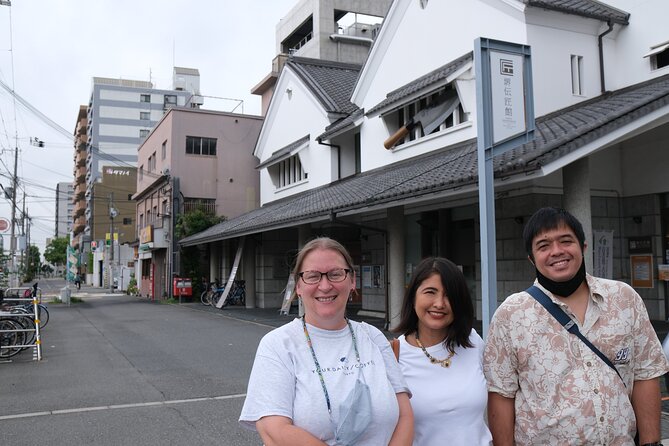
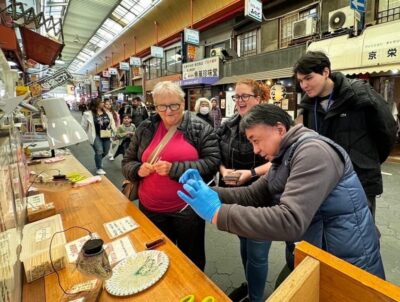
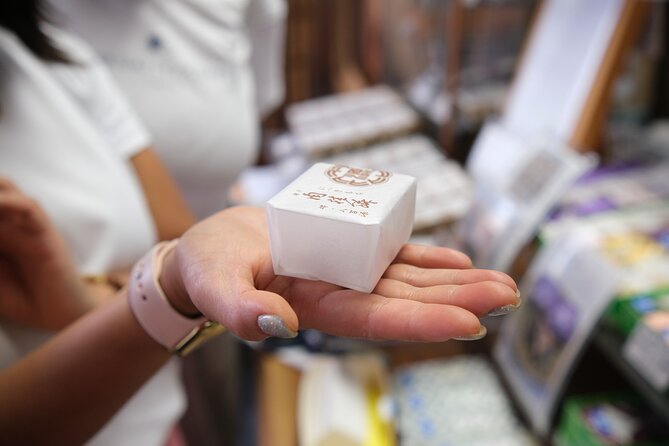
You begin at 八百源来弘堂本店, a shop connected to a 400-year-old origin story tied to traditional Japanese cinnamon mochi. You’re not just eating on the go here. The tour is set up so you learn why the mochi exists in the first place, then you get one sweet as a present.
This is one of those stops that actually helps the rest of the day make sense. Food crafts and knife crafts share a similar mindset: attention to timing, technique, and ingredients (or materials). The mochi doesn’t feel like a random snack. It’s a soft entry point into the idea of Sakai as a city where tradition still matters.
Practical tip: since you get one sweet included, you may want to keep breakfast light. You’ll still likely want lunch later, and guides sometimes help with that kind of planning when you ask, but lunch is not included.
Stop 2: the sharpening station factory visit (where the tour earns its value)
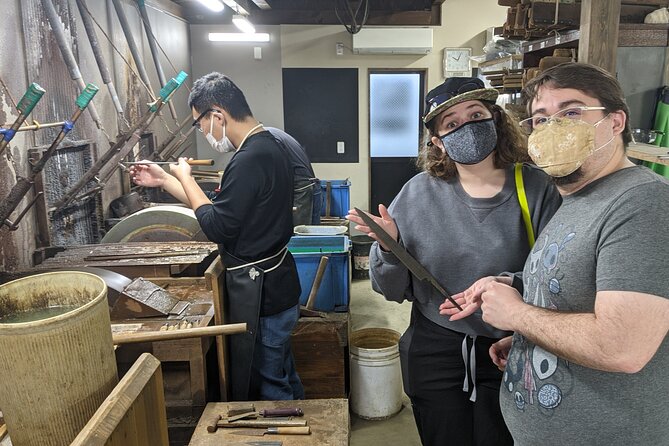
This is the heart of the tour. The knife factory stop is positioned as the reason you’re here: you go inside and see the sharpening station, plus you visit the main office. The experience is described as getting access to a real knife factory with over 100 years of history, where raw blades arrive directly from the blacksmith.
A key detail I like about the way the tour is framed: it’s not only viewing. You also get to learn and practice traditional sharpening techniques with a professional. That means you’ll leave with more than admiration for tools. You’ll understand the basics of why sharpening isn’t one-size-fits-all, and why technique affects the final edge.
You’ll also have a chance to order a customizable knife. The description says you can watch it being made in front of you, which is a very different experience from browsing a display. If you already know you want a serious kitchen knife, this is one of the few ways to connect the purchase to the process you saw.
Two practical caveats to keep in mind:
- Dates matter during March 6 to April 6, 2026. If you book for those days, the note about blacksmith-only availability (Tuesdays through Thursdays) could affect what you see.
- The 3rd Tuesday museum issue can change the flow. If the museum is closed, your guide goes directly to the craftsman location instead. You still get the core knife access, but the pacing of the day may shift.
Finally, watch your expectations about guide style. In the feedback, I saw praise for guides who can explain the craft clearly and hold a conversation, including names like Scott and Rémi. I also saw at least one complaint that the history framing can feel too Euro-centric. So if you care deeply about historical narrative tone, mentally file that as a possibility.
Stop 3: Sakai Traditional Crafts Museum and Knife Shop (more than just knives)
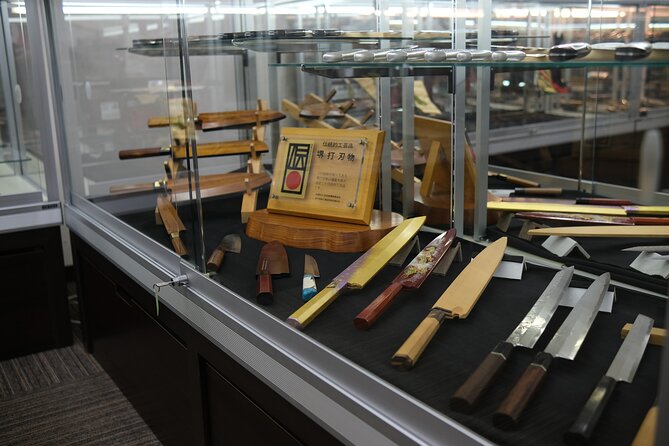
After the factory, you shift gears to the Sakai Traditional Crafts Museum and Knife Shop. This museum is described as specifically made to introduce what makes Sakai special, including handmade crafts and local products.
One standout example included in the tour info: the museum connects to the bicycle brand Shimano, saying Shimano was first created in Sakai. That’s a smart contrast to the knife focus. It reminds you that manufacturing and design industries matter here, not just one artisanal trade.
It’s also a nice place to slow down. The factory is hands-on and sensory. The museum gives you a chance to put ideas into a broader city context. Then the knife shop component lets you browse at a natural moment, after you’ve learned enough to notice details.
This stop is listed for about 30 minutes. If you’re someone who loves museums and could easily spend an hour or more reading labels, you might find the time short. But if you’re mostly here for craft access and want to keep the day moving, 30 minutes is a practical length.






Price and what you actually get for $66.05
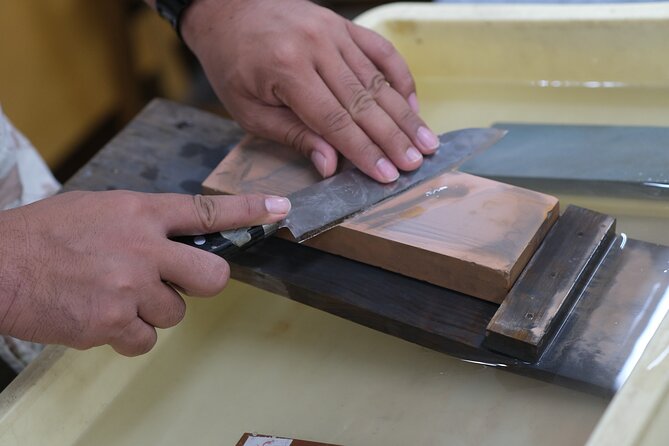
At $66.05 per person, this tour is priced like an experience, not a casual walk. You’re paying for access and instruction, not just a route.
Here’s what’s included:
- Knife factory visit
- Knife sharpening lesson (hands-on practice)
- Bilingual guide
- All fees and taxes
- Snacks: one sweet per guest (your mochi)
Not included:
- Extra food
- Shopping and souvenirs
In value terms, the big win is the sharpening station access plus instruction. You can learn about knife making online, sure. But it’s hard to recreate a real factory visit and then practice sharpening with a professional during a short group tour.
The second value driver is that you can potentially buy a custom knife after seeing the work. One piece of feedback highlighted that the big advantage is the ability to purchase knives directly through the craftsman. Another review praised that there wasn’t a hard sell—people felt guided, not pushed—which is what you want if you’re on the fence.
One cost consideration: if you decide to order a knife, your total spending will jump. The tour itself is one set price, but the purchase is on you. If your budget is tight, treat the custom ordering opportunity as optional and use it as a chance to learn first.
Guides, language, and how to get what you need
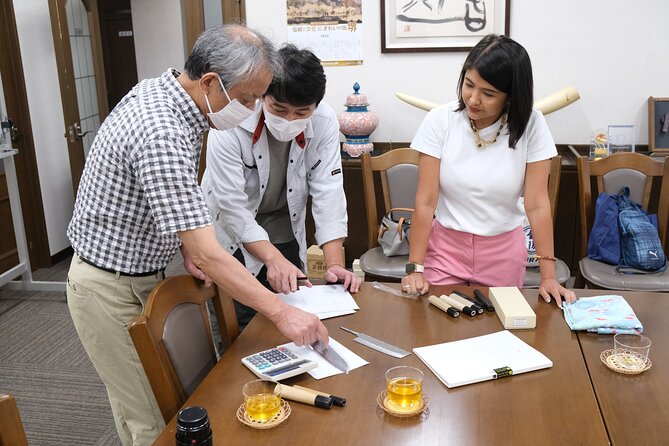
You’ll have a bilingual guide. There’s also a note about French: for requests of a francophone guide, the operator can’t guarantee French on a shared tour. That matters if language comfort is a deal-breaker.
The guide quality seems to be a major part of the overall experience. Several review highlights mention specific guides and styles:
- Scott is praised for interesting history and easy conversation.
- Jean-yves is praised for being knowledgeable and kind, plus making the day enjoyable.
- Rémi is praised for friendliness and knowledge about the knife-making process and Sakai history.
That gives you a good clue about what to expect: a guide who can explain both process and context, with enough personality to keep the pacing fun. Still, based on the one mixed review, you should also expect there can be variation in how history is presented.
Practical advice: if you want the most useful tour, come with one or two questions ready. For example: how sharpening differs by edge use, how to care for a handmade knife, or what features to look for if you buy later.
Who should book this tour (and who might not love it)
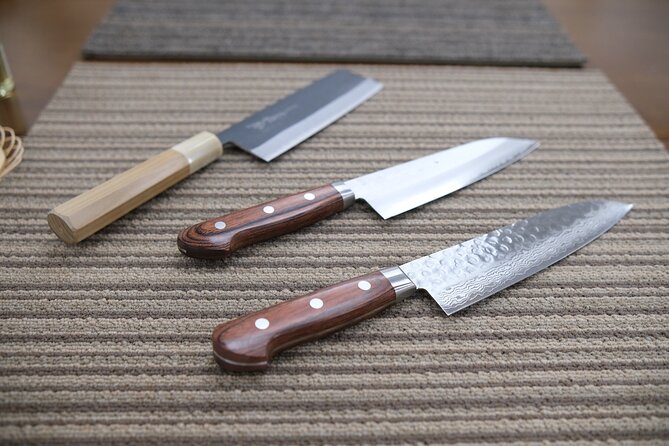
This is a great match if you:
- Care about hands-on craft, not just photo stops
- Want a serious kitchen knife experience with the chance to order custom
- Like learning how tools are made, including the sharpening process
- Prefer a smaller group setting (max 10)
You might be less excited if:
- You mainly want broad sightseeing and don’t care about sharpening or factory access
- You dislike shopping opportunities, even if the tour isn’t described as pushy
- You’re sensitive to how history is narrated, since at least one person felt the framing leaned too Western
Also, if you’re traveling specifically for a custom knife, keep your schedule flexibility in mind during March–April 2026 and around the 3rd Tuesday museum closure risk.
Should you book the Sakai Knife Factory and Craft Walking Tour?
I’d book it if you want a real craft-focused morning with access you can’t easily copy on your own. The combination of a cinnamon mochi origin story, a knife factory visit, and a hands-on sharpening lesson makes this more than a standard walking tour. It also gives you a meaningful way to spend your money if you decide to buy a knife, because you’ll understand what you’re paying for.
If you’re only curious about knives and don’t want any factory instruction time, you might find it a bit craft-heavy. But for anyone who enjoys learning by doing, this one is built for you.
FAQ
What time does the tour start?
The tour starts at 9:00 am.
How long is the Sakai Knife Factory and Craft Walking Tour?
It’s listed as about 3 to 4 hours.
What is included in the price?
You get a visit to the knife factory, a knife sharpening lesson, a bilingual guide, all fees and taxes, and one sweet per guest. The price is $66.05 per person.
Is a mochi snack included?
Yes. You receive one traditional Japanese cinnamon mochi as part of the experience.
Where does the tour start and end?
It starts at 3-chōme-22 Ebisujimachō, Sakai Ward, Sakai, Osaka 590-0985, Japan. The tour ends back at the meeting point.
Do I need to print a ticket?
No. The tour uses a mobile ticket.
Can I request a French-speaking guide?
You can make a request for a francophone guide, but the operator says they cannot guarantee French for a shared tour.
Is this tour only for people with more than one guest?
There’s a two guests minimum rule. If you book as a single guest, the session might be cancelled, and you’ll be notified with options for rescheduling or a full refund.
How many people are in the group?
The tour has a maximum of 10 travelers.