REVIEW · OSAKA
Osaka Temple :Warm Bamboo Oil Massage – Deep Restore〈90min〉
Book on GetYourGuide →Operated by japanese massage 唯一無二 -the one&only- · Bookable on GetYourGuide
A temple massage that feels like an exhale. In Osaka, this warm bamboo oil massage pairs deep body work with a guided temple visit, then closes with a matcha tea ceremony and Japanese sweets. I especially like that you get more than a spa session: you also get incense rituals, Zen meditation with a bell, and a cultural explanation as you go.
The biggest practical consideration is privacy: Zen meditation may be shared with other guests unless you request a private experience, even though the group is kept small.
Small-group energy helps. You’ll change into a simple yukata, meet your instructor (English and Japanese), and move through the ritual-paced schedule at a slower tempo than most tours. It’s designed for people who want stress relief and something real to take home besides photos.
In This Review
- Key Things I’d Prioritize
- Why the Temple Setting Changes the Osaka Bamboo Massage Experience
- The 90-Minute Warm Bamboo Oil Massage: Myofascial Release, Not Just Relaxation
- Incense Offering and Zen Meditation With Bell: What You’ll Actually Do
- Matcha Tea Ceremony and Japanese Sweets: The Calm Finale That Makes It Stick
- Yukata, Smartphone Photos, and the Nice Touches That Feel Worth It
- Price and Value: Is $129 for a 2-Hour Session Fair?
- How to Plan Your Day Around This Osaka Temple Massage
- Who This Osaka Temple Warm Bamboo Massage Fits Best
- Should You Book This Warm Bamboo Oil Massage at the Osaka Temple?
Key Things I’d Prioritize
- Warm bamboo + hand oil deep restore massage for full-body myofascial release
- Tea ceremony with cultural and historical explanation plus matcha and sweets
- Zen meditation in a serene temple setting with bell and incense ritual
- Yukata wear and commemorative smartphone photos included
- Small group limited to 3 participants for calmer attention
Why the Temple Setting Changes the Osaka Bamboo Massage Experience
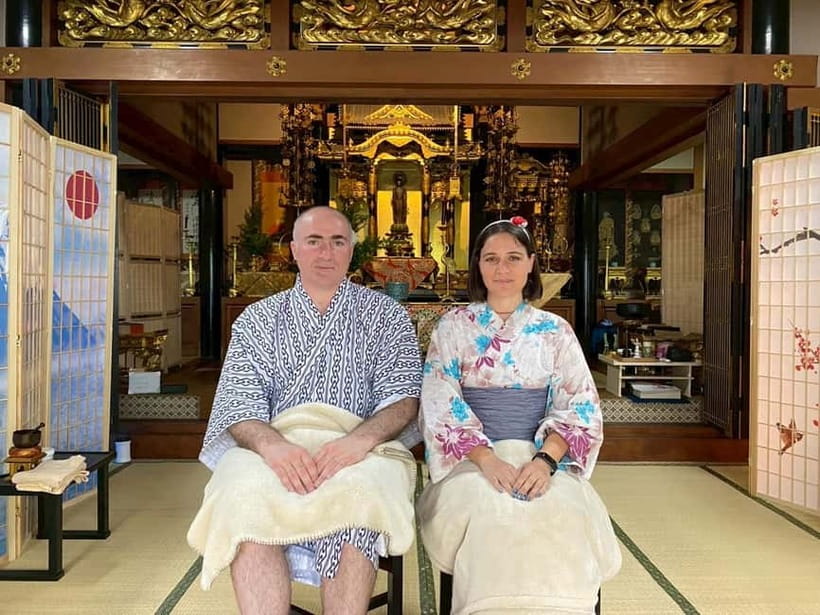
This experience is built around a temple rhythm, not a generic massage studio flow. You start with a welcome drink and a change into a yukata, which immediately shifts the tone from sightseeing mode into participant mode. The temple visit includes incense offering and an introduction to worship culture, so you’re not just following steps—you understand why those steps happen.
That context matters for your body work. When you know what the incense offering and meditation are meant to do, you’re less likely to treat the experience like a performance you rushed through. Instead, it becomes a slow sequence that helps you downshift: robe, ritual, breath, massage.
I also like that the schedule is structured to keep your nervous system from sprinting. There’s a progression: foot bath and scrub massage first (so you’re physically settled), then the warm bamboo and hand oil massage (the main release work), then Zen meditation and tea as the cool-down.
One more thing: incense is part of the experience. If you’re sensitive to strong smells or have breathing issues, plan your own comfort level carefully, since the ritual includes incense offerings and kneaded incense during meditation.
You can also read our reviews of more tours and experiences in Osaka.

The 90-Minute Warm Bamboo Oil Massage: Myofascial Release, Not Just Relaxation
The star of the show is the 90-minute warm bamboo and hand oil massage designed for deep restoration. The key phrase here is myofascial release, which means it targets the connective tissue network that can hold tension when your body is stressed, stiff, or travel-worn.
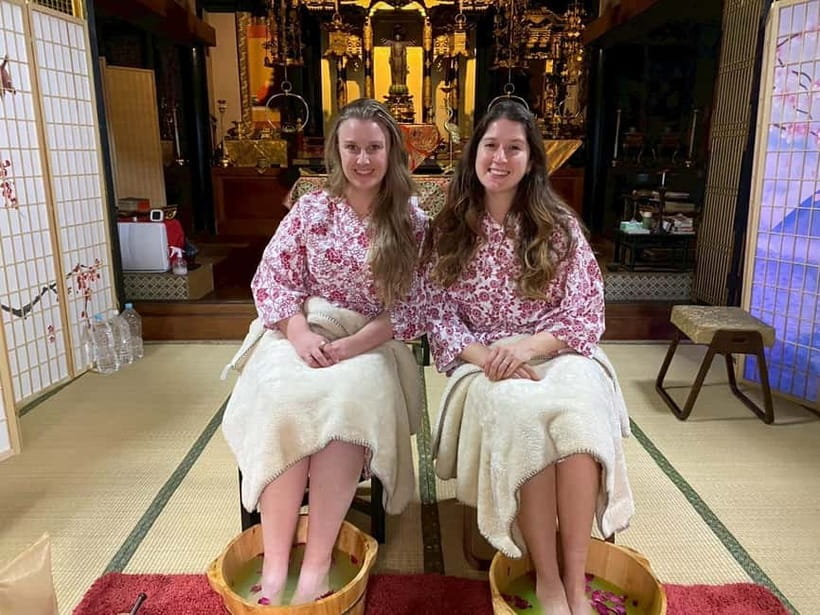
Before the bamboo portion, you get a foot bath and scrub massage. That’s a smart setup. Your feet and lower body often absorb the day’s walking fatigue, and starting there helps you feel cared for quickly. It also makes the transition to full-body work more comfortable, because your body feels warmed and clean rather than suddenly covered in oil.
Then comes the heart of it: warm bamboo and hand oil massage. Bamboo adds a distinct texture and temperature element, and the warmth is meant to support that deeper release feeling. The oils are part of the comfort, and the pacing matters too—this is not the kind of massage that feels like it’s trying to prove how hard it can press. Instead, the idea is gradual restoration, supported by the ritual calm around it.
If your goal is purely athletic recovery, this may still feel right because the session focuses on deep tissue release patterns. If your goal is emotional calm, the structure helps you get there too: your body work is paired with meditation and tea afterward, so you’re less likely to feel wiped out and more likely to feel settled.
Tip: plan your day so you don’t immediately jump into heavy sightseeing after. Give yourself a little space to feel the “after” state—the one where you stand slower and breathe deeper.
Incense Offering and Zen Meditation With Bell: What You’ll Actually Do
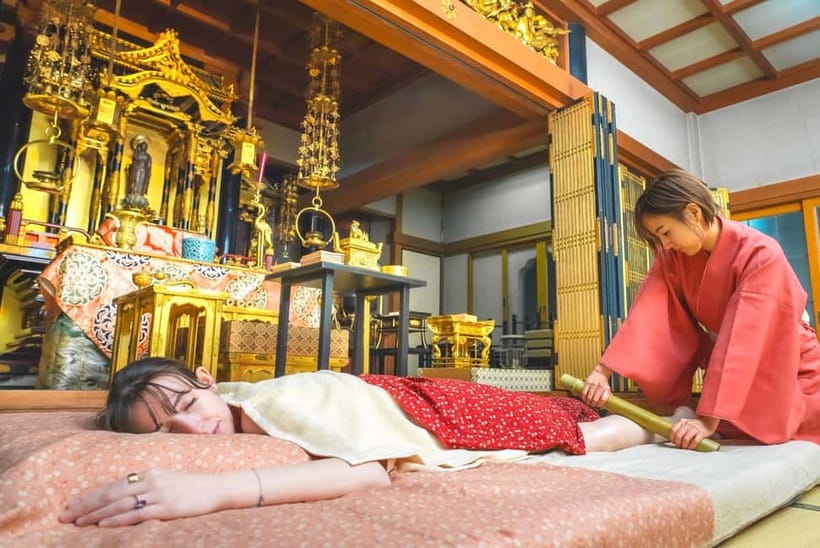
A temple visit can be vague on tours. Here, you’re guided through the worship culture with an introduction, including an incense offering. That turns the temple from a photo stop into a meaningful place you understand a bit better as you’re standing inside it.
Zen meditation is part of the program, with a bell and kneaded incense. The bell is often used as a timing cue in meditation settings, so it helps keep your attention on present sensations rather than counting minutes. Kneaded incense is part of the ritual feel, and it adds a tactile, practice-based element to what you’re doing.
One important detail for planning your expectations: Zen meditation may be shared with other guests unless you request a private experience. With a small group limited to 3 participants, it shouldn’t feel crowded. Still, if you’re the type who wants total silence and solitude, that private option is worth considering.
Also note that the instructors are English and Japanese, so you should be able to follow what’s happening rather than guessing. That matters during meditation and temple ritual, because understanding the purpose helps you relax instead of watching your own performance.
Matcha Tea Ceremony and Japanese Sweets: The Calm Finale That Makes It Stick
After the body work and meditation, the experience shifts into something slower: a traditional Japanese tea ceremony with a cultural and historical explanation. This is not just a sip-and-run. You’ll also get sweets, and there’s a matcha experience as part of the tea portion.
What I like about finishing with tea is that it turns relaxation into something you can mentally hold onto. Massage can make you feel good for a few hours, but tea ceremony adds a sense of continuity. You’re learning how to experience calm on purpose, not just hoping it shows up.
The sweets help too. Japanese sweets (wagashi) are often chosen to balance seasonality and flavors with matcha, so the pairing feels intentional, not random. Even if you don’t consider yourself a tea person, the explanation helps you taste with more awareness.
If you’re traveling fast, this part can be a reset. It gives you a quiet moment you might not otherwise schedule, especially in Osaka where the temptation to keep moving is strong.
Practical tip: take a slow moment after the ceremony ends. Stand up gradually if you’ve been lying down for massage work, and let your body settle before you start walking again.
Yukata, Smartphone Photos, and the Nice Touches That Feel Worth It
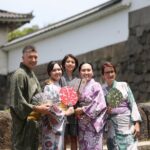
You’ll wear a simple yukata during the temple portion. That’s not just for cute photos. The robe signals you’re participating, not consuming. It also changes how you move—arms and posture tend to feel different—so it subtly supports the calmer pace of the day.
You’ll also get a commemorative smartphone photo, and you receive complimentary smartphone photos of your experience to take home as a keepsake. That’s valuable because you get images from a moment that’s hard to replicate later with friends. The temple setting plus your yukata plus the tea ceremony vibe is one of those combinations you won’t stumble into randomly.
The experience is small-group and carefully designed, which shows in those details. You’re not just rushed through a script; someone is guiding you so you get both the cultural pieces and the comfort pieces right.
And yes, it’s fun to dress up in a kimono-style outfit even if you’re only wearing it temporarily. Just remember: a little time spent changing and posing is part of the flow, not dead time.

Price and Value: Is $129 for a 2-Hour Session Fair?
At $129 per person, you’re paying for a package, not only the massage. You get a 90-minute warm bamboo oil massage with deep restore intent, plus foot bath and scrub massage, plus temple ritual elements (incense offering and Zen meditation), plus a traditional tea ceremony with matcha and sweets, plus photos.
That’s a lot of “staff time” bundled together: instruction, cultural explanation, guided ritual, and hands-on massage work. Many stand-alone experiences separate these pieces by location and timing—massage here, tea there—so the price can feel easier to justify when everything happens in one smooth sequence.
The small group size also adds value. Limited to 3 participants, you’re more likely to receive personal attention during transitions and guidance. The meditation portion being potentially shared is the trade-off, but the group limit keeps it from turning into a group spectacle.
How to decide if it’s worth it for you: if you want only a massage, compare the price to a standard spa and decide if you’re okay paying extra for ritual and tea. If you want a day experience that combines body reset with Japanese cultural moments, this feels like money spent in a focused way.
Also, it’s scheduled for about 2 hours total, so it fits a travel day without chewing up half your itinerary.
How to Plan Your Day Around This Osaka Temple Massage
This is the kind of experience where your timing habits matter. If you schedule it on a packed sightseeing day, you might miss the after-effects. I’d put it where you can enjoy a softer pace afterward—maybe a nearby stroll, a simple meal, and early rest.
What to bring is mostly about comfort and practicality. You’ll change into a yukata, so you should dress in something easy to put on and remove. You’ll also use a smartphone for photos, so make sure your phone is charged and ready. The experience provides complimentary smartphone photos to take home, but you’ll still want your own memory set in good shape.
For the meeting point, use the Google map location named Japanese Massage -the one&only-. If you type in the temple name, you might end up at the back entrance and get turned around. If you’re stuck, search for the restaurant Tossa de coracao; the massage place is right next to it.
Language support is another planning win. The instructor speaks English and Japanese, which makes the ritual explanations easier to follow during tea ceremony and meditation.
One more note: there’s mention of Reiki as a non-contact Japanese energy healing approach that supports deep relaxation and emotional balance. The data describes Reiki as part of the overall harmony theme, but if you’re specifically looking for hands-on or non-contact energy work, it’s worth clarifying with the provider at the start so you know what you’ll receive.
Who This Osaka Temple Warm Bamboo Massage Fits Best
This fits best if you want two things at once: a serious body release and a cultural pause in a real temple setting. If you’re a first-time Japan visitor, it’s also a clean introduction to tea culture, incense rituals, and Zen meditation structure—without needing to plan those pieces yourself.
It’s great for:
- Couples looking for a calm, shared ritual moment
- Solo travelers who want structure and quiet
- People who feel travel stress in their body and want targeted restoration
It may be less ideal if:
- You only want a standard spa massage with no ritual elements
- You strongly prefer private meditation from start to finish
Still, the small group size (limited to 3) usually keeps the experience feeling personal rather than public.
Should You Book This Warm Bamboo Oil Massage at the Osaka Temple?
Book it if you like your travel experiences to do double duty: feel good in your body and teach you something real while you’re there. The warm bamboo oil massage is the anchor, and the tea ceremony plus Zen meditation make the calm linger. At $129 for a 2-hour session that includes multiple guided cultural pieces, it’s a value move for people who want meaning, not just a massage appointment.
Skip it if you only want relaxation without incense, meditation, or tea ceremony explanations, or if sharing the meditation experience would annoy your sense of privacy. In that case, ask about a private meditation request before you commit.
If you’re on the fence, I’d focus on your motivation. Want a temple-rooted, ritual-paced reset with warm bamboo at the center? This is exactly that.