REVIEW · OSAKA
Osaka: Sumiyoshi, Osaka’s Most Iconic Shrine – Private Tour
Book on GetYourGuide →Operated by DeepExperience, Inc. · Bookable on GetYourGuide
Sumiyoshi Taisha feels like a local secret. One hour with a guide turns this famous shrine into a map you can actually use, with the fortune-telling stones and shrine details you’d likely miss on your own. I love how the tour pairs meaning with practical looking—what to notice, where to stand, and how to read the site like a Shinto believer would.
You’ll also get a satisfying photo moment on the steeply arched Taiko Bridge, plus a clearer sense of why this shrine matters near Osaka Bay. One thing to consider: the total time is only 90 minutes, so if you want long unstructured wandering inside the grounds, you may wish you had scheduled extra time before or after.
In This Review
- Key Things You’ll Appreciate
- Why Sumiyoshi Taisha Feels Different in Osaka
- Meeting at the West Grand Torii Gate (and avoiding the usual confusion)
- The 1-hour guided walk inside Sumiyoshi Taisha
- Fortune-Telling Stones, One-Inch Boy, and the sea-god vibe
- Taiko Bridge photo stop: meaning plus a practical photo plan
- Viewpoint and the Osaka photo segment
- Final stop at 大海神社 石鳥居
- Price and value for a 90-minute private shrine tour
- Who should book this tour
- Should you book this Sumiyoshi Taisha private tour?
- FAQ
- Where does the tour start?
- How long is the private tour?
- What language options are available?
- Is this a private group tour?
- What’s included in the price?
- Where does the tour end?
- Can I cancel for a refund, and can I reserve without paying now?
Key Things You’ll Appreciate
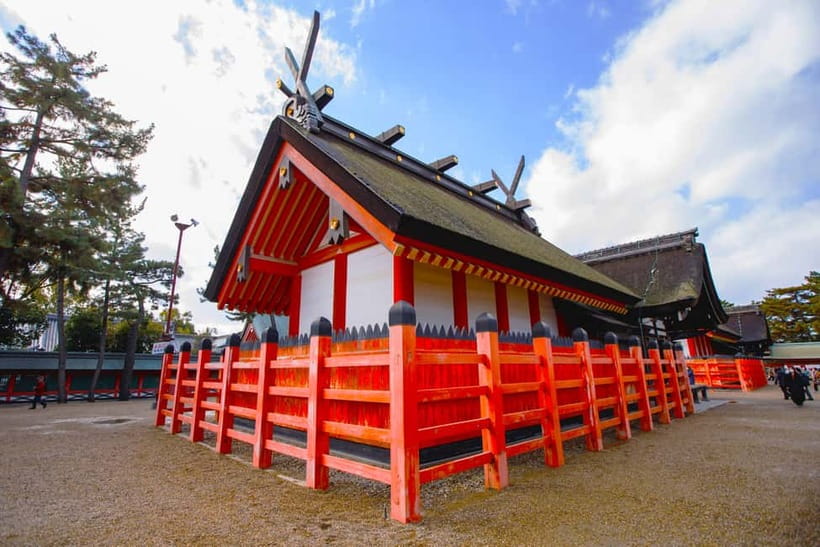
- A private guide who walks you through the shrine rather than just pointing
- Fortune-telling stops like the One-Inch Boy stones, explained in plain language
- Taiko Bridge photo help so you get the shot and the story behind it
- Shinto context that connects the shrine to everyday Japanese culture
- A scenic viewpoint and Osaka photo segment that keeps the tour from feeling like one long stop
Why Sumiyoshi Taisha Feels Different in Osaka
Sumiyoshi Taisha Shrine isn’t just a pretty temple stop. It’s a Shinto place tied to Osaka Bay and the sea god said to be enshrined here—so the whole vibe leans maritime and practical, like a community that depended on safe waters. That connection helps you understand why locals take this shrine seriously.
The setting also matters. The shrine sits in an area that grew as a trading centre linked to Nara and Kyoto, so you’re not only seeing religion—you’re seeing the shape of old Osaka commerce and travel. Even if you’re short on time, this tour helps you connect the dots without reading a textbook.
You can also read our reviews of more private tours in Osaka


Meeting at the West Grand Torii Gate (and avoiding the usual confusion)
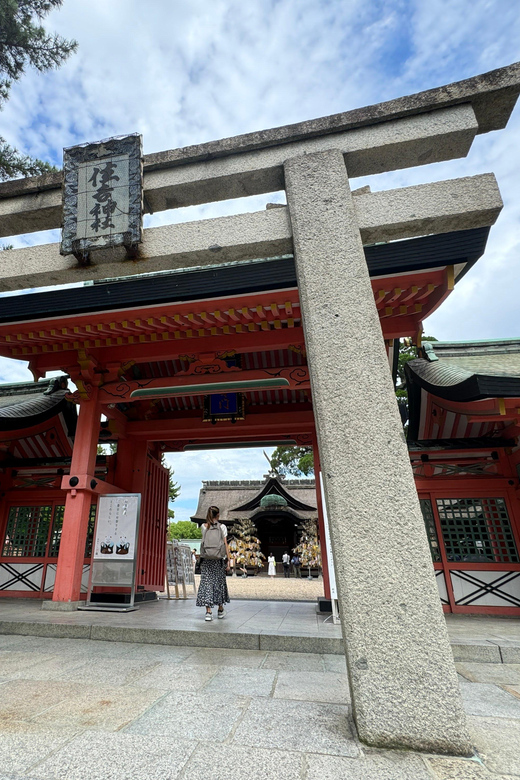
Your tour starts at 住吉大社 西大鳥居, the West Grand Torii Gate. Your guide will be holding a yellow sign with the DeepExperience logo, which makes it easier to spot the right person even if the crowds are thicker than you expected.
This is a good setup for first-timers. Torii gates can look similar, and Sumiyoshi Taisha has multiple entry points—so beginning at a clearly stated gate reduces that awkward moment of wandering in the wrong direction. You can get your bearings fast and focus on the shrine itself.
The 1-hour guided walk inside Sumiyoshi Taisha
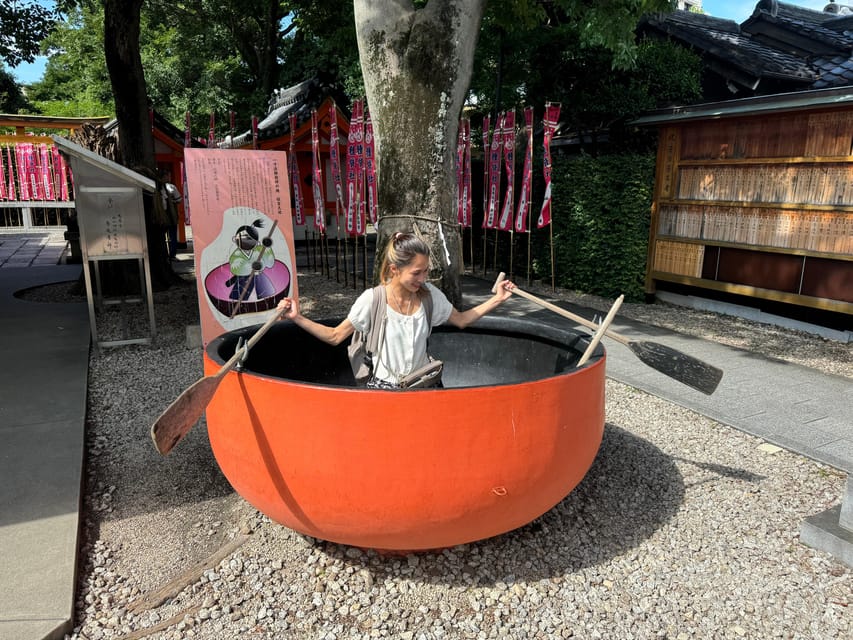
The core of the tour is the Sumiyoshi Taisha guided tour for 1 hour. This is where the guide helps you slow down and notice details. The tour focuses on the shrine’s charms and history—especially the architectural storytelling you’d otherwise miss while rushing photos.
You’ll learn about the shrine’s popularity among locals, and also how the crowds spike during New Year. The site draws over 2 million visitors annually in the first three days of the year when people come to make wishes. If you visit outside that window, you’ll often still feel that energy in the layout and rituals.
The guide also points out the oldest architectural style among the many buildings you’ll see. That sounds abstract until you’re there—then it becomes a “spot this, then compare it” kind of moment, which makes the architecture actually stick in your head.
Fortune-Telling Stones, One-Inch Boy, and the sea-god vibe
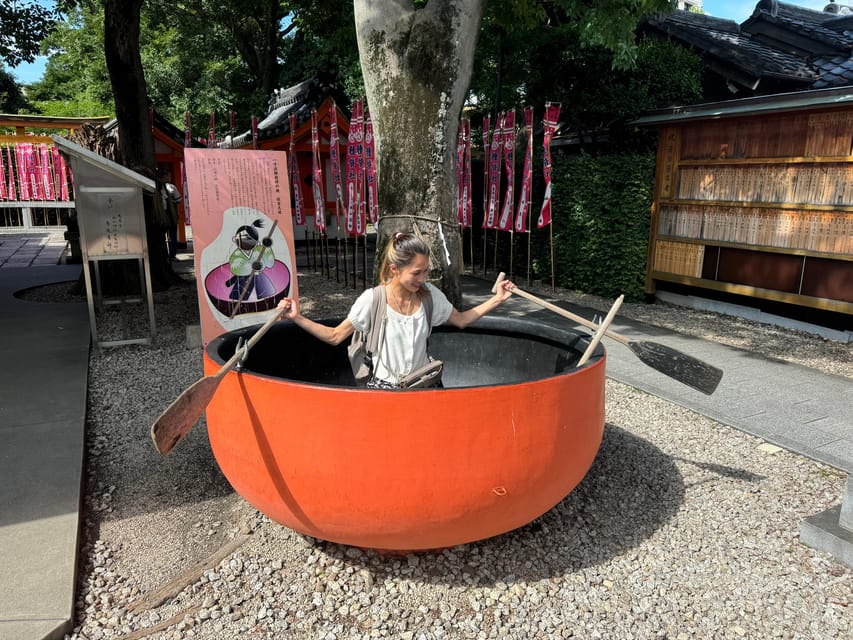
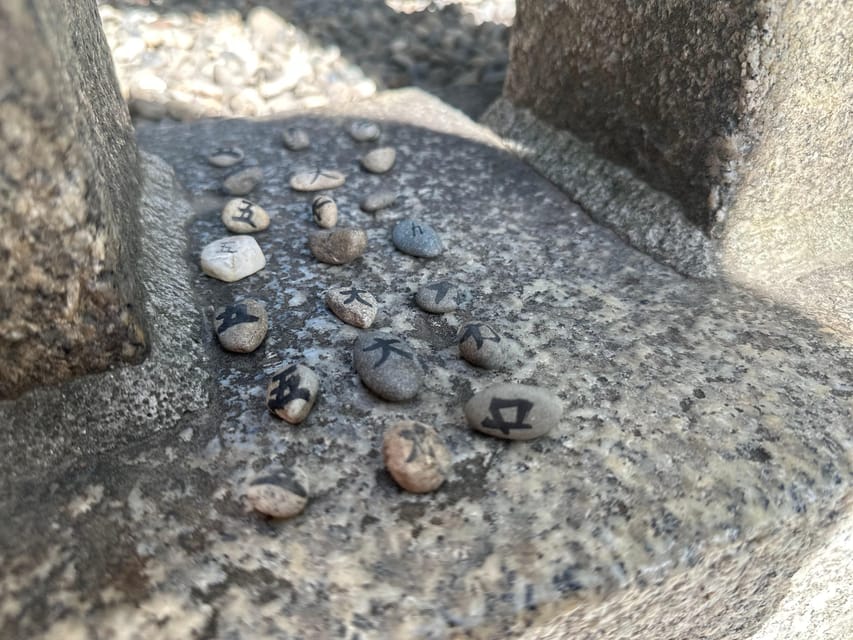
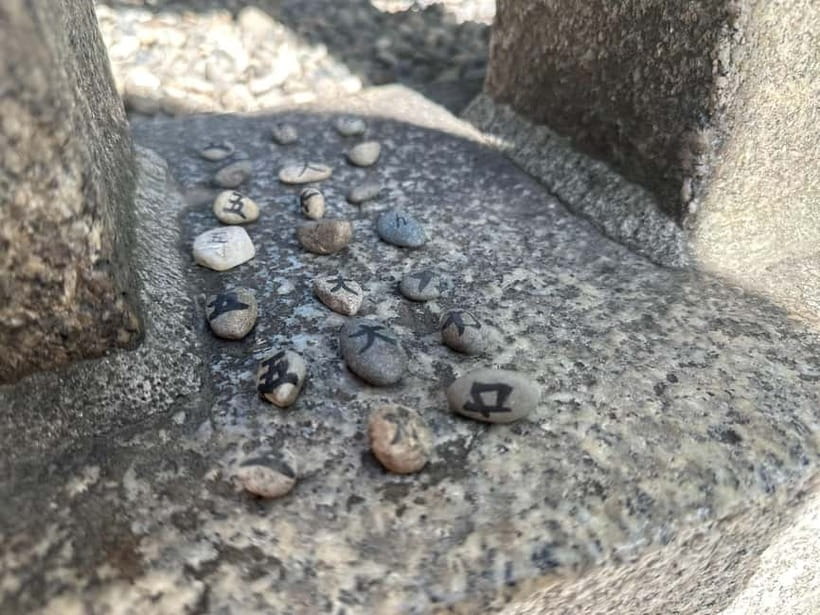
One of the best parts is the shrine’s fortune-telling elements, including the One-Inch Boy and other stones. This isn’t just a gimmick stop. It’s the physical way Shinto tradition turns belief into something you can participate in—gesture, intention, and a small hope that feels personal.
If you want to get more out of the experience, pay attention to what the guide emphasizes. In Shinto sites like this, small objects and specific spots can carry meaning that doesn’t translate well from signs alone. A guide helps you understand what you’re seeing and what people believe they’re doing when they interact with those features.
And because this shrine is associated with the sea god, the atmosphere feels grounded. You’re not dealing with a distant mythic world—you’re stepping into a tradition that makes sense for a place historically tied to the water and trade routes.
Taiko Bridge photo stop: meaning plus a practical photo plan
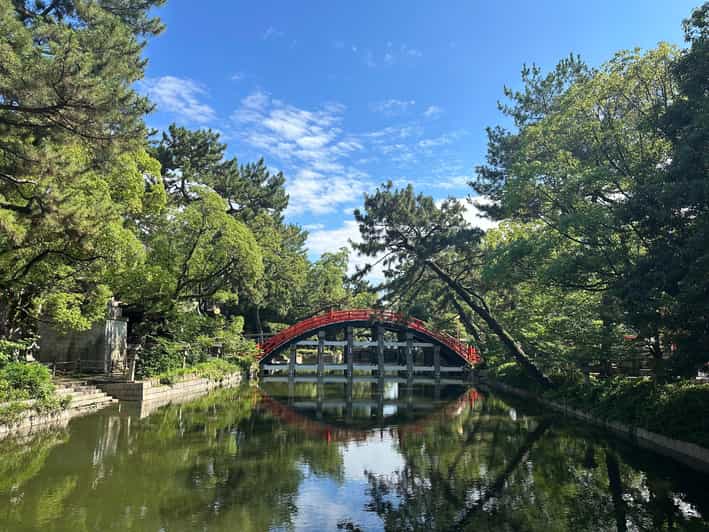
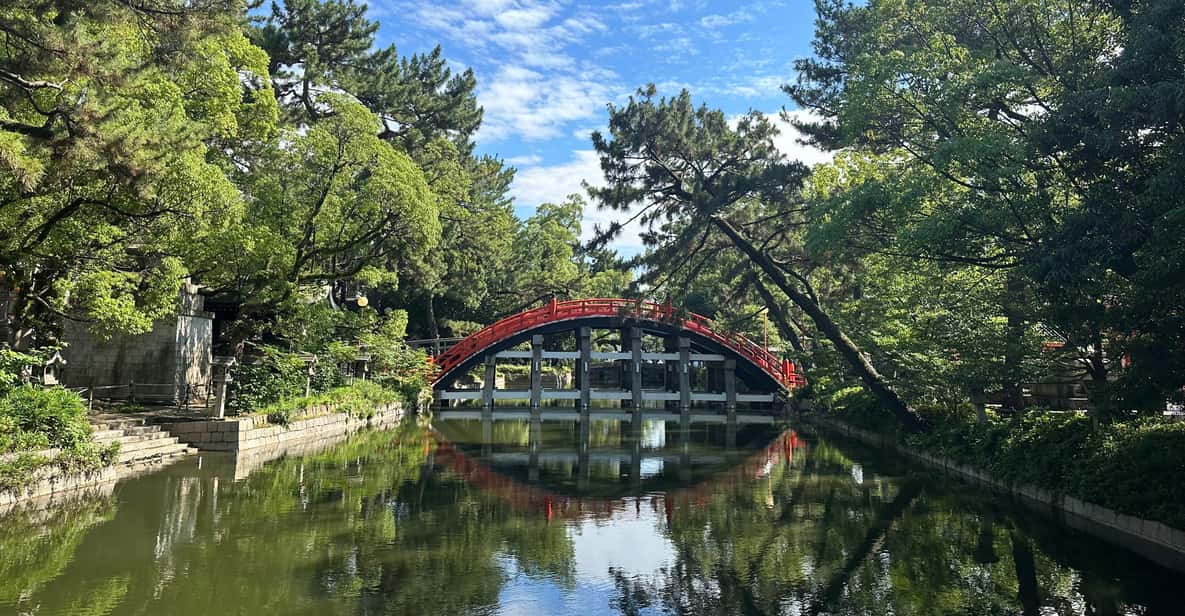
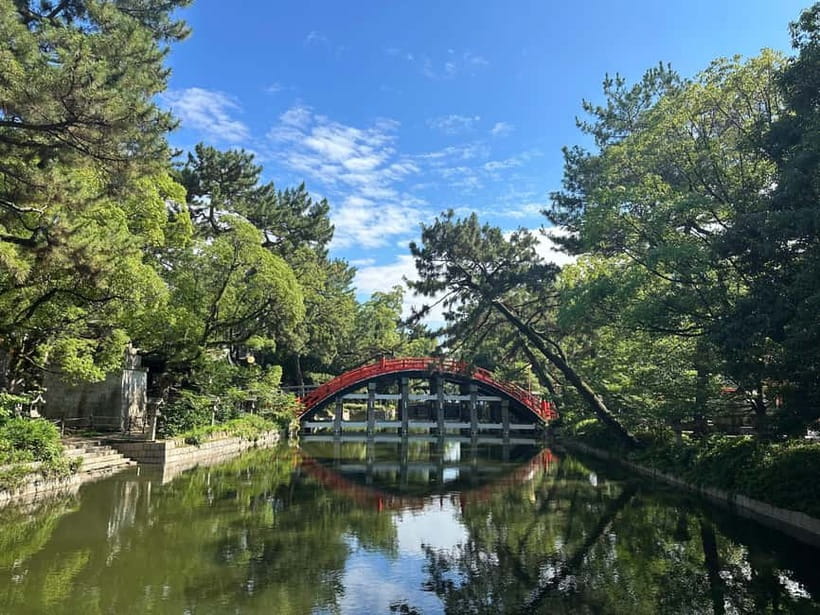
After the main shrine time, the tour includes a steeply arched Taiko Bridge photo moment. The guide doesn’t just let you stand there; the value is knowing where to position yourself for a clean shot without blocking others or ending up on the wrong angle.
This matters more than it sounds. Steep bridges can be tricky for balance, and narrow viewing areas mean good etiquette is part of getting a great photo. If you’re traveling with a camera, this is one of those moments where having a guide is basically “free composition help.”
Also, bridges at Shinto sites often carry symbolic weight—connections, transitions, and movement between spaces. Even without getting poetic, the tour helps you see why this bridge is treated like a milestone rather than just a way to cross.




Viewpoint and the Osaka photo segment
The itinerary includes a view point visit and sightseeing for 15 minutes, followed by an Osaka-focused segment: a photo stop plus guided tour for 15 minutes. These parts are short, but they’re important for two reasons.
First, they give your eyes a break from the shrine details. Even if you’re enjoying the storytelling, your brain needs a reset to keep the visit from turning into one blur of gates and structures. Second, the Osaka segment ties the shrine to the city around it—so the spirituality doesn’t feel sealed off from real daily life.
Because the area is tied to Osaka Bay, it helps to see the site’s relationship to the broader setting. You’ll leave with a sense of where you were and why that location makes sense historically, not just what the buildings look like.
Final stop at 大海神社 石鳥居
The tour ends at 大海神社 石鳥居. This finish point matters because it signals a complete visit path rather than a random “walk back and go” ending. It’s also a gentle way to close: you get one last specific marker, so you don’t feel like you left the shrine unfinished.
If you like having a clear end to a guided tour—especially when you’re coordinating transit—this kind of structured wrap-up is a plus. You know exactly where to go next without guessing.
Price and value for a 90-minute private shrine tour
The price is $72 per person for 90 minutes with a guide, in a private group. That may sound “small” in duration, but shrine tours often waste time without structure—slow starts, confusion about which object matters, and lots of guessing. Here, the time is concentrated on the points that actually give you understanding: the guided walk, the fortune elements, and the photo moments.
So the value depends on your goal:
- If you want a fast, meaningful introduction to Sumiyoshi Taisha, this is a tidy package.
- If you want long free time for wandering, sketching, or revisiting multiple corners without a schedule, you might prefer adding extra solo time.
One more practical note: English and Japanese are offered, and you’re in a private group. That’s helpful when you want questions answered on the spot instead of waiting for a larger group to catch up.
Who should book this tour
This is a great fit if you:
- want the spiritual and historical context without doing homework first
- enjoy hands-on meaning, like the fortune-telling stones and what they represent
- appreciate photo guidance at tricky spots like the Taiko Bridge
It’s also a solid choice if you’re visiting Osaka with a packed day and you want one shrine experience that feels complete and intentional rather than rushed.
Should you book this Sumiyoshi Taisha private tour?
If your goal is to understand Sumiyoshi Taisha quickly and well, I think you should book it. The tour focuses on the shrine’s most engaging elements—the guided walkthrough, the fortune-telling stones including the One-Inch Boy, and a photo moment on the Taiko Bridge—so you get both meaning and momentum.
If you’re the type who loves to roam for hours and build your own rhythm, you may want to treat this as a “get the essentials first” visit, then extend your time afterward on your own. Either way, meeting at the West Grand Torii Gate and following a clear path makes the experience feel organized instead of stressful.
FAQ
Where does the tour start?
Meet your guide in front of the West Grand Torii Gate of Sumiyoshi Taishae (住吉大社 西大鳥居). Your guide will be holding a yellow sign with the DeepExperience logo.
How long is the private tour?
The tour lasts 90 minutes total.
What language options are available?
The live tour guide is available in English and Japanese.
Is this a private group tour?
Yes. The tour is listed as a private group.
What’s included in the price?
The guide is included.
Where does the tour end?
The tour finishes at 大海神社 石鳥居.
Can I cancel for a refund, and can I reserve without paying now?
Yes. You can cancel up to 24 hours in advance for a full refund, and you can reserve now and pay later.