REVIEW · OSAKA
From Osaka: Private Customized Day Tour to Kyoto
Book on GetYourGuide →Operated by Miutour · Bookable on GetYourGuide
Kyoto, without the transit headaches. This private day tour from Osaka puts you in control once you arrive, with door-to-door round-trip transport and a professional driver handling the driving.
I especially like the easy logistics: pickup from your Osaka hotel and a return back to where you started. I also like that the day can be tailored and even reordered a bit to match your preferences, which matters when you’re trying to time crowds and get the most from limited hours.
One thing to consider: this is not a full-time English-speaking guide walking you through every site. The driver typically won’t speak English like a native, and they don’t accompany you inside attractions, so you’ll rely on self-guided exploring and translation support when needed.
In This Review
- Key things I’d plan for before booking
- Price and Logistics: Why $510 Can Feel Fair (or Not)
- Door-to-Door Pickup in Osaka (and What Happens If Plans Change)
- The Driver-and-Self-Guided Style: Great Convenience, Limited Narration
- Timing the Day: How the 10 Hours Actually Feel
- Kiyomizu-dera Stop: Time to Walk, Shop, and Reset
- Ninenzaka: The Self-Guided Walk That Sets the Mood
- Lunch at a Local Restaurant: Your Recovery Hour
- Gion: A Short Window to Explore at Your Pace
- Yasaka Shrine: A Calm-ish Segment Before Fushimi Inari
- Fushimi Inari Taisha: The Two-Hour Block That Lets You Choose Your Depth
- Rain or Shine: The Real Kyoto Variable
- Communication Tips That Make Self-Guided Work
- Accessibility and Age Notes You Should Not Ignore
- Tattoo Note If You’re Planning Hot Spring Time
- Who This Private Kyoto Day Tour Fits Best
- Should You Book This Tour?
- FAQ
- How much does the tour cost?
- How long is the Kyoto day tour from Osaka?
- What’s included in the price?
- Where do pickups happen?
- Does the driver speak English?
- Does the driver accompany you inside attractions?
- How much driving is allowed during the day?
- What if I need a child seat?
- What’s the cancellation policy?
Key things I’d plan for before booking

- Private car with a professional driver for a smooth Osaka-to-Kyoto round trip
- Customizable order and pacing based on what you want most that day
- Self-guided time at each stop, since the driver won’t go inside
- Real limits: no more than 300km, and pickups/drop-offs are only within the Osaka downtown area
- Communication matters: confirm your phone number or WhatsApp so the driver can reach you
Price and Logistics: Why $510 Can Feel Fair (or Not)
This tour costs $510 per group (up to 3 people) for a 10-hour car service. That pricing can be a good deal if you’re traveling as a small group, because you’re paying for private transportation and a driver, not per-person ticket style costs.
Here’s the practical math: if you fill the car with 3 people, the per-person cost drops a lot compared with booking separate taxis or trying to piece together a train day while also managing luggage, weather, and timing. If you’re just 1 person, you may feel like you’re paying extra for privacy and convenience. The value then depends on how much you hate logistics.
Also pay attention to the fine print that affects your day. The car service has a 300km limit, and the pickup/return area is limited to Osaka’s downtown zone. Go beyond that, and there are extra fees. If you’re staying farther out or want airport pickup, plan on adding cost in advance.
You can also read our reviews of more private tours in Osaka

Door-to-Door Pickup in Osaka (and What Happens If Plans Change)

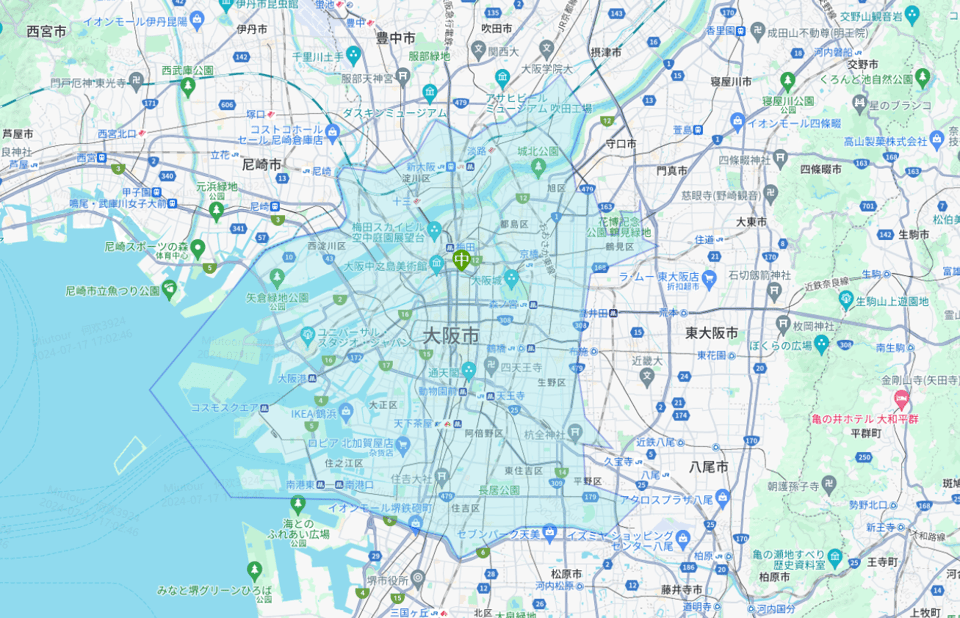
Your day begins with pickup at your hotel or anywhere you stay in Osaka, but only within the designated downtown area. You’re also expected to return to the place where you were picked up at the end of the tour. If your plans include an airport transfer or a destination outside Osaka’s 24 wards, you need to request it early, and it’s an extra cost.
One detail I like here is the communication rhythm. The customer service team reaches out before the day to talk through the itinerary, and you should share your phone number or WhatsApp. The driver also contacts you in advance (the day before) using WhatsApp, email, or message. If you can’t find the driver, customer service can help you locate them.
This matters more than it sounds. When you’re traveling solo or with family, the fastest way to reduce stress is getting clear “where are we meeting” instructions. So if you want a calm start, double-check your contact info and keep WhatsApp handy.
The Driver-and-Self-Guided Style: Great Convenience, Limited Narration
This is a private car day with self-guided time at each attraction. The driver won’t accompany you inside the sites, which means you’re not getting a walk-through commentary as you move from place to place.
In a perfect world, the driver would be fluent and act like a full guide. In reality, the driver may not speak English like a native. Translation can happen as an auxiliary tool, but that isn’t the same as having someone explain what you’re seeing and how to spend your time.
Still, the “cab driver meets custom itinerary” structure can work well if you do two things:
- Decide your priorities before pickup (your must-sees and the pace you want).
- Prepare to explore on your own at each stop, using your phone and maps.
A nice bonus: on days when you’re flexible, the driver may adjust the route order to suit your preferences. That kind of flexibility can turn a tight schedule into a smoother one—especially if rain or crowds change how you want to move.
Timing the Day: How the 10 Hours Actually Feel
The ride from Osaka to Kyoto takes about 1.5 hours. From there, your stops are built around blocks of self-guided time:
- Kiyomizu-dera: about 45 minutes
- Ninenzaka: about 45 minutes
- Gion: about 45 minutes
- Yasaka Shrine: about 45 minutes
- Fushimi Inari Taisha: about 2 hours
- Lunch break at a local restaurant: about 1 hour
That’s a lot of switching gears in one day. Each time you park, walk in, re-orient yourself, and then leave again, you lose a little “real time” even if the schedule lists only 45 minutes. So I’d treat those blocks as “time on site,” not “time to fully slow down.”
The upside: you’ll hit the major classic Kyoto areas without spending your vacation trapped on trains and transfers. The trade-off: if you’re a slow explorer who loves lingering, you’ll want to prioritize which stop gets your deepest attention. The 2-hour Fushimi Inari Taisha block is the obvious candidate for extra focus.
Kiyomizu-dera Stop: Time to Walk, Shop, and Reset
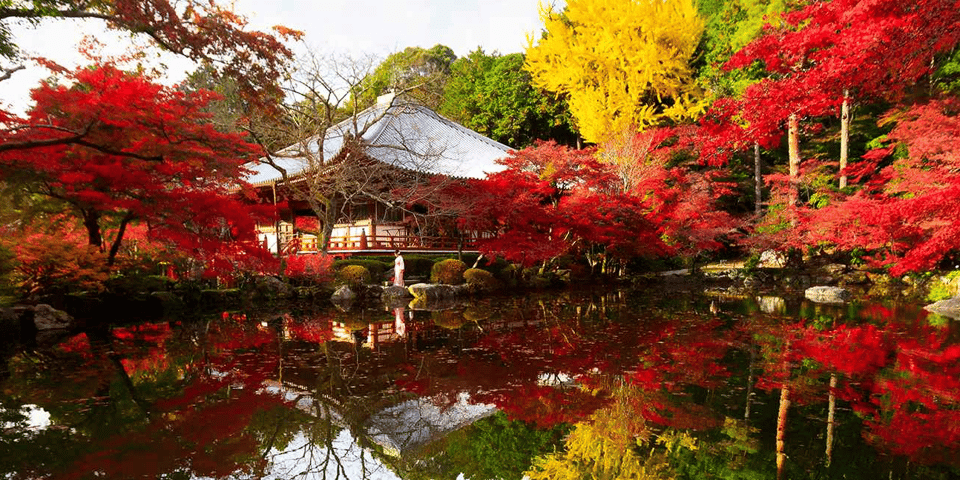
Your first Kyoto stop gives you about 45 minutes for visiting, free time, shopping, sightseeing, and walking, plus scenic views on the way. This is a good way to break the travel rhythm. By the time you arrive, you’re not jumping straight into the longest, busiest area of the day—you’re getting a manageable first taste of Kyoto.
What to expect day-of:
- You’ll have a set window, so it helps to decide what you want from this stop: photos, a short wandering loop, or a quick browse for snacks or souvenirs.
- Since you’re exploring on your own, you’ll want to be comfortable moving without step-by-step guidance.
Possible drawback: if it’s wet, this is the kind of place where foot traffic can feel tight. Umbrellas stack up, sidewalks compress, and your 45 minutes can evaporate faster than you’d expect.
Ninenzaka: The Self-Guided Walk That Sets the Mood
Next is Ninenzaka, again about 45 minutes for sightseeing and walking. This is the kind of stop that’s best when you’re willing to stroll without chasing one exact viewpoint. The schedule gives you enough time to wander and still make it back to the car without feeling panicked.
Self-guided time is a double-edged sword. If you’re comfortable using your phone for direction, this portion can feel easy and fun. If you rely heavily on an English-speaking guide to explain what you’re seeing, you’ll likely wish you had more narration. This is where bringing a few quick reference notes helps, even if it’s just knowing what you want to photograph.
Also, if rain hits, consider a quick gear check before you leave the car: shoes with grip, a small umbrella plan (or a rain jacket), and a way to keep your bag dry.
Lunch at a Local Restaurant: Your Recovery Hour
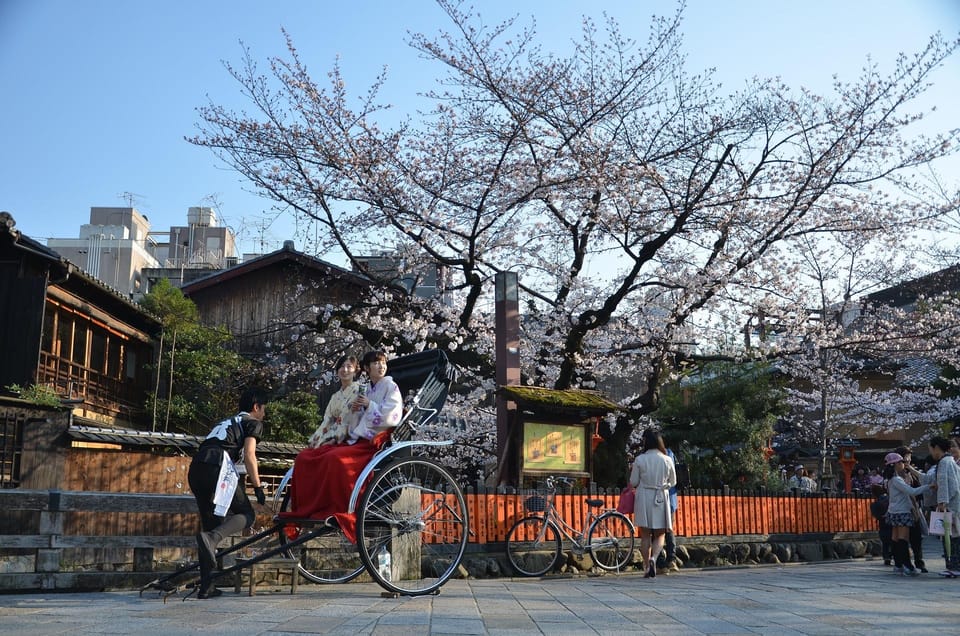
You get about 1 hour for a local restaurant break: lunch plus free time. This is a real gift in a 10-hour schedule, because it gives you a chance to sit down, reset your feet, and recharge your energy before the last leg of temples and walking.
Because meals and drinks aren’t included, you’ll want to budget for lunch separately. The upside is flexibility—you can pick what works for your appetite and dietary needs, within the time window.
One practical tip: build a quick timing strategy. If you’re someone who orders slowly or wants dessert, finish early so you can rejoin the car meeting point without stress.
Gion: A Short Window to Explore at Your Pace
Then comes Gion, about 45 minutes for walking and sightseeing. This is a good stop if you like atmosphere and side-street wandering rather than rushing through one specific landmark. Since the driver won’t go inside, your experience here depends on your own movement and comfort with navigation.
I like Gion in a schedule like this because it’s a contrast stop. After Kiyomizu-dera and the slope-walk vibe near Ninenzaka, Gion gives you a different pace—more strolling, more window-gazing, less frantic trying to cover everything.
If it’s crowded, keep your expectations realistic: 45 minutes can still be enjoyable, but you’ll likely spend more time moving through people than stopping for long photos.
Yasaka Shrine: A Calm-ish Segment Before Fushimi Inari
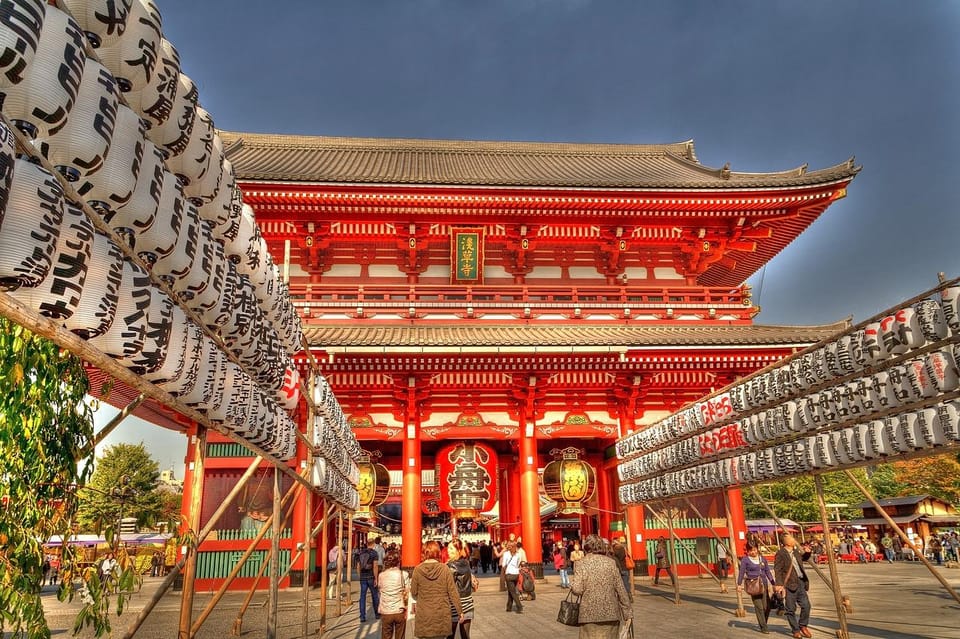
Next is Yasaka Shrine, again about 45 minutes for visiting, sightseeing, and walking. This part of the day can feel like the transition from “first half Kyoto” to “the big finale.”
Here’s how to make it work: decide whether you want a calm loop or a quick photo-and-go. With no English-speaking narration built in, the best plan is a simple one—get oriented, walk the area you can access comfortably, then return to your meeting point on time.
Weather will affect your energy level. If it rains hard, your best friend becomes sensible timing. Don’t try to do everything. Do what fits the time you have.
Fushimi Inari Taisha: The Two-Hour Block That Lets You Choose Your Depth
Your last stop is Fushimi Inari Taisha with about 2 hours for sightseeing and walking. This longer window is the best part of the schedule if you want any breathing room. It also makes sense because this stop is usually the most time-consuming to explore thoughtfully.
Since this is self-guided time, you have power over how deep you go. You can:
- Move quickly for photos and highlights
- Or slow down and focus on one area longer
This is also where I’d set your strategy for the day’s end. If you sense the day is running behind—rain, crowds, detours—use the extra two hours as your buffer. It’s better to leave this stop with energy than to scramble at the last minute.
Rain or Shine: The Real Kyoto Variable
This tour runs rain or shine. That’s honest, and it’s also why your footwear and timing matter. Wet sidewalks plus crowds can slow walking more than you expect. If you opt out of being soaked and you choose to head back early, that choice might shorten the time you want in the last stop—so plan your priorities with the weather in mind.
On rainy days, you might spend more effort than usual simply navigating around umbrellas and people. Keep your day flexible: quick decisions beat forced “checklists.”
Communication Tips That Make Self-Guided Work
Because the driver may not speak English like a native, and because they won’t guide you inside attractions, your success comes from how well you communicate.
I’d do three things:
- Share a clear WhatsApp number or phone so the driver can reach you reliably.
- Tell the provider the hotel address exactly, especially if you’re on the edge of the pickup zone.
- Have a short list of your top priorities so the driver can reorder the day if possible.
If you’re relying on Google Translate, keep it simple. Use it for logistics and basic questions, not for deep explanations. That helps avoid the feeling that the tour is only a ride between stops.
Accessibility and Age Notes You Should Not Ignore
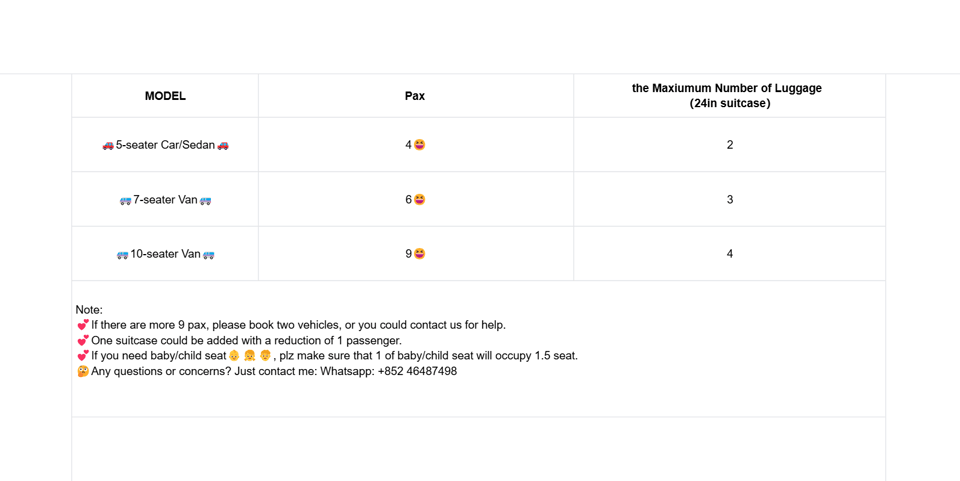
This experience isn’t suitable for people over 75. Also, if you’re traveling with a baby or child younger than 6, a child seat is required in Japan. The first one is free, and a second child seat is charged. Tell the provider in advance so they can prepare the seat.
If any of these apply to your group, confirm early. It’s much easier to solve transportation details before you’re in Kyoto than during.
Tattoo Note If You’re Planning Hot Spring Time
The tour’s information includes a rule: travelers with tattoos are not permitted to go into hot springs in Japan. The day’s listed stops are standard Kyoto sightseeing locations, but rules like this can still matter if your plans expand beyond the planned areas. If tattoos might be an issue for you, ask what’s realistically possible for your day.
Who This Private Kyoto Day Tour Fits Best
This is a smart match if you want:
- Private, door-to-door transportation from Osaka
- A day built around your pace and self-guided exploring
- A route that hits Kiyomizu-dera, Gion, and Fushimi Inari Taisha without train transfers
It may be less ideal if you want a narrated, English-led tour experience. The driver can be helpful and respectful, and some drivers (like Gavin or Yuki, depending on who you’re assigned) can be very kind and make communication comfortable. But the structure still leans toward car service plus your exploration, not constant guide commentary.
Should You Book This Tour?
Book it if you’re traveling as a small group and you value time. The best-case scenario is smooth pickup, efficient routing, and focused self-guided time in the big Kyoto areas. The price makes sense when you’re splitting the cost across up to 3 people and you’d otherwise waste energy coordinating trains.
Skip or rethink it if you need an English-first guide to walk you through everything, or if you know you’ll get frustrated by self-guided wandering when it’s wet and crowded. In that case, you may want a different style of tour where the guide stays involved inside attractions.
My vote for decision-making: choose this tour when you want flexibility more than narration. If that sounds like your style, you’ll likely feel like you paid for what you needed—transport, convenience, and control.
FAQ
How much does the tour cost?
It’s $510 per group (up to 3 people) for the full day.
How long is the Kyoto day tour from Osaka?
The car service runs for 10 hours.
What’s included in the price?
You get a private car with a professional driver and round-trip transport from your hotel in Osaka. Entrance fees and meals are not included.
Where do pickups happen?
Pickup is within Osaka’s downtown area and at your hotel or anywhere you stay in Osaka. If you’re outside the designated pickup/return area, extra fees may apply.
Does the driver speak English?
The driver may not speak English like a native. They may use translation tools as needed.
Does the driver accompany you inside attractions?
No. The driver-guide does not accompany guests into the attractions. You’ll have self-guided time at each stop.
How much driving is allowed during the day?
The service is described as 10 hours with no more than 300km.
What if I need a child seat?
If you have a baby or child under 6, you need to request it in advance. The first child seat is free; the second one is charged.
What’s the cancellation policy?
Free cancellation is available up to 24 hours in advance for a full refund.