REVIEW · OSAKA
2-Day Bus Tour to Shirakawago & Hida No Sato Winter Illumination
Book on Viator →Operated by H.I.S.Co., Ltd. · Bookable on Viator
A snowy Japan weekend can feel like a movie scene. This 2-day bus tour strings together Shirakawa-go’s winter village look, the evening Hida no Sato illumination, and a relaxing rooftop hot spring in Takayama with Alps views.
I especially like the mix of set sightseeing and hands-on time, like making Omi beef sushi at Sekigahara. I also appreciate the human touch: feedback highlights guides such as Sir Julien and Tamy for staying friendly, attentive, and solving issues on the spot.
The main drawback to plan for is the fixed schedule. You’ll have limited walking time at each stop, and winter conditions can slow the bus and shorten photo-perfect moments.
In This Review
- Key highlights you’ll feel right away
- Winter Hida is best seen with a plan
- Osaka departure: early start, clear meeting point
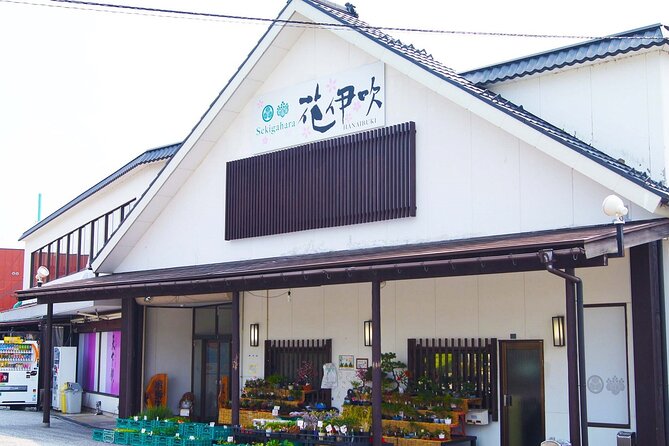
- Sekigahara Hanaibuki: make lunch, then keep moving
- Shirakawa-go in winter: gassho-zukuri village time
- Hida no Sato light-up festival: the night highlight
- Takayama at night: rooftop hot spring with Alps views
- Day 2 starts with Miyagawa Morning Market
- Takayama Jinya: one building that matters
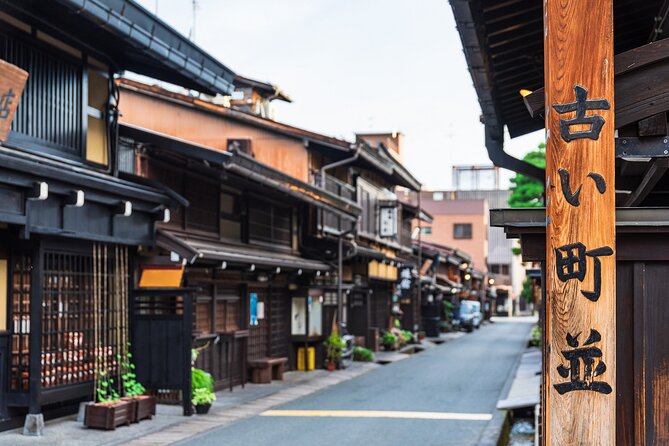
- Sanmachi Suji: old town streets and winter strolling
- Hida Bussankan: practical souvenirs with local flavor
- Hotel location and what the breakfast is doing for you
- Price and value: why $318.68 can make sense
- Winter weather and the set timetable reality
- Who this tour is best for
- Should you book this 2-day bus tour
- FAQ
- Where is the tour meeting point and what time does it start?
- How long is the tour?
- What’s included in the tour price?
- Is lunch included on both days?
- Is dinner included?
- What are the main activities on Day 1 and Day 2?
- How big is the group?
- What’s the cancellation and weather policy?
Key highlights you’ll feel right away
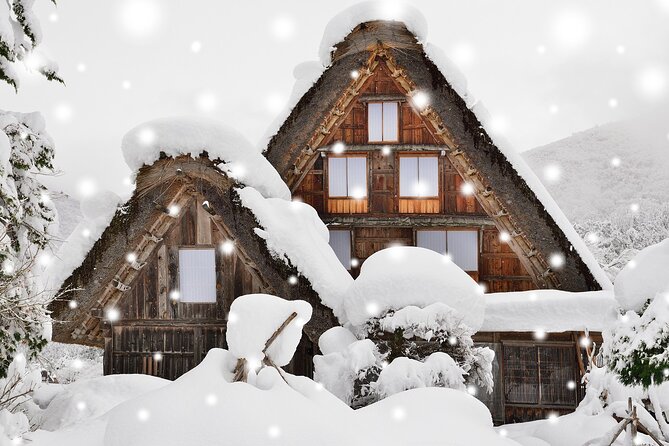
- UNESCO Shirakawa-go in winter with time to walk the gassho-zukuri village streets
- Hida no Sato light-up festival admission included, timed for night magic
- Alps-view rooftop open-air hot spring at your hotel after a long day
- Omi beef sushi-making lunch experience at Sekigahara Hanaibuki
- Takayama Jinya + Edo-period atmosphere with entry included
- Small-group feel possible, since the tour caps at 40 and some departures run in roomy mini buses
Winter Hida is best seen with a plan
Winter in Gifu Prefecture has a special look. Snow and cold turn old streets and traditional houses into something silvery and bright, and that effect is exactly what this route is built around.
What makes this tour work is that it puts the winter “wow” moments in the right order. You do the village daytime walking first, then you save the big night glow for Hida no Sato. Between those, you get a hot spring payoff at the end of Day 1, so you’re not just sightseeing until bedtime.
You also skip the hardest part for many people: figuring out how to connect Osaka, Shirakawa-go, and Takayama in winter. Here, a licensed guide and air-conditioned bus handle the long stretches.
You can also read our reviews of more tours and experiences in Osaka

Osaka departure: early start, clear meeting point
The tour meets at the Mainichi Newspaper building in Umeda (Kita Ward), Osaka at 8:30 am. The important practical tip is to arrive 15 minutes early, since the day runs on a timetable.
From Osaka, you’ll transfer toward Gifu Prefecture by bus. Expect about 2.5 hours of riding time. It’s not a quick hop, but that’s part of the deal: you’re trading control for comfort and fewer connections in cold weather.
On the plus side, the bus is air-conditioned and you’ll have bottled water each day. You also get a mobile ticket, which helps you avoid last-minute paper hunting.
Sekigahara Hanaibuki: make lunch, then keep moving
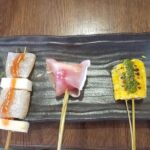
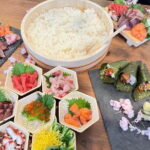
One of the better parts of the itinerary is the lunch-time stop in Sekigahara. You’ll head to Sekigahara Hanaibuki for the chance to try hands-on Omi beef sushi-making.
This is the kind of activity that breaks up the travel fatigue. Instead of just watching and taking photos, you’re doing something practical with your hands. Even if your sushi skills are still forming, you’ll still walk away with a story and a meal you helped create.
Timing matters here, too. The sushi-making experience is scheduled for about 2 hours, so you get enough time to do it properly rather than feeling rushed.
Shirakawa-go in winter: gassho-zukuri village time
Next up is Shirakawa-go, one of Japan’s best-known winter destinations. You’ll visit the Gassho Zukuri Village, a UNESCO World Heritage Site, famous for its thatched-roof houses.
In winter, those steep rooflines look especially dramatic. The tour gives you about 1.5 hours here, which is a realistic amount for walking the village and getting photos without feeling like you’re fighting the clock nonstop.
What to consider: 1.5 hours sounds short until you’re there. In winter, walking can slow down because you’ll be bundled up, and you’ll naturally stop more often to look at rooftops, lanes, and viewpoints. If you’re the type who needs time to wander slowly, keep your expectations aligned with a guided, set schedule.
Hida no Sato light-up festival: the night highlight
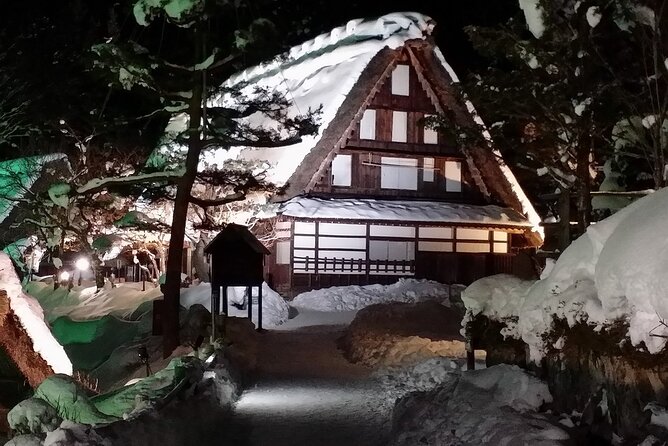
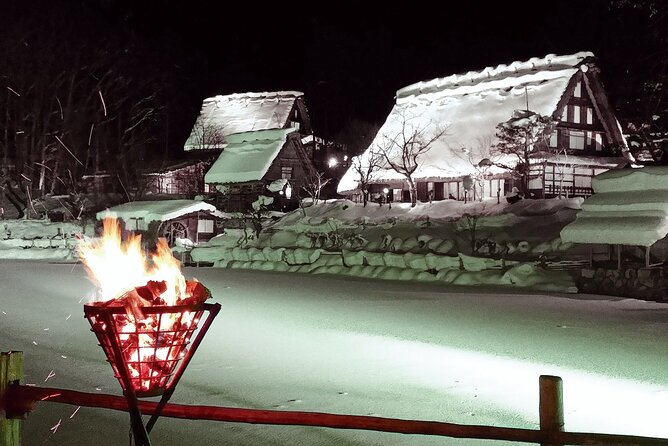
As day turns to night, the tour switches gears to atmosphere. At Hida no Sato, the village transforms into a winter illumination event, with lights creating a fairy-tale effect as you stroll.
Admission is included, and the time on site is about 45 minutes. That window is actually perfect for this particular kind of event. You get the glow, the photo moments, and the walking energy, without dragging on into the cold for too long.
The practical thing I’d plan for is clothing and footing. You’ll want warm layers you can move in, plus shoes that handle uneven winter surfaces. When you’re on your feet for short bursts in cold weather, it’s the difference between enjoying the lights and thinking about your next hot drink.
You can also read our reviews of more tours and experiences in Osaka
Takayama at night: rooftop hot spring with Alps views
You’ll arrive at the hotel around 19:15 on Day 1. The hotel is about a 5-minute walk from JR Takayama Station, which is convenient if you want to stretch your legs before you settle in.
The big reward here is the rooftop open-air hot spring with a view of the Alps. After a day of cold air and walking, that kind of soak is more than a perk. It’s how you reset your body for Day 2.
Your evening includes time at the hotel with a kaiseki-style dinner mentioned in the itinerary description. Just note: the tour information lists dinner on Day 1 and Day 2 as not included, so you’ll want to confirm what’s covered for your specific booking.
Either way, the structure of the day is smart. You’re not dragging yourself across town after the long bus ride. You arrive, soak, then eat and sleep.
Day 2 starts with Miyagawa Morning Market
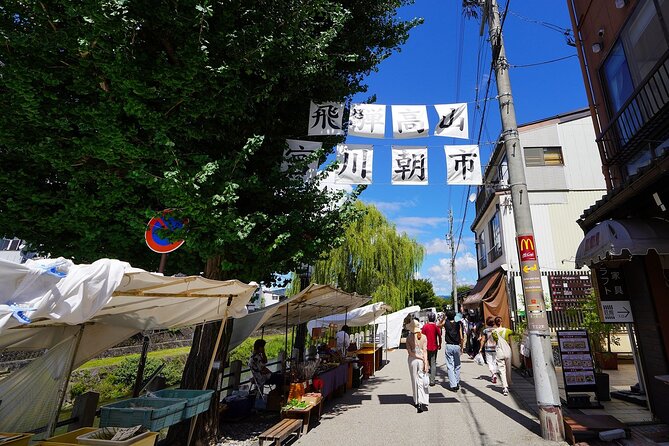
Day 2 begins with a departure from the hotel at 9:00 am. You’ll stroll the Hida-Takayama Miyagawa Morning Market on foot for about 1 hour 15 minutes.
This stop works for two reasons. First, it’s a great place to pick up small souvenirs without overplanning. Second, it gives you a local feel before the more historic sights.
The tour includes breakfast, so you’re not waking up and racing immediately into snacks. That’s a nice balance: you can browse and nibble rather than being hungry on an empty stomach.
Takayama Jinya: one building that matters
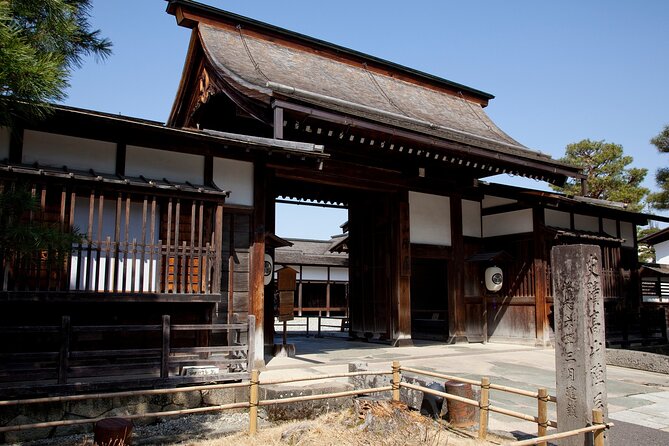
After the market, you’ll visit Takayama Jinya for about 30 minutes. Entry is included.
This building is special because it’s described as the only site in Japan where the provincial governor and magistrate’s office still exists with the main building. Even if you’re not deep into architecture, that fact gives the stop weight. You’re not just looking at another old structure. You’re seeing a surviving administrative space from the Edo period.
The time is short by design. The tour keeps you moving so you still get real walking time in the old-town streets afterward.
Sanmachi Suji: old town streets and winter strolling
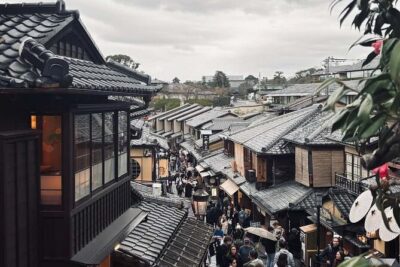
Next is Sanmachi Suji, the classic old town area of Takayama. You’ll have about 2 hours for a leisurely stroll, and lunch on Day 2 is on your own here.
This is where the winter atmosphere really takes over. The old streets, preserved buildings, and cool air make for slower, more sensory sightseeing. You’ll likely want to pause often for shop displays and side streets.
Because lunch is not included Day 2, plan to use this time flexibly. Treat the 2 hours as a walk plus a meal window, not two separate tasks with no overlap.
Hida Bussankan: practical souvenirs with local flavor
Before the tour wraps, you’ll stop at Hida Bussankan for around 50 minutes. This museum/shop stop is geared toward gifts and keepsakes.
I like a place like this late in the day because you’re less pressured. You’ve already seen the town, so you can shop with context. You’re not buying random items. You’re choosing things that match what you actually experienced.
If you’re traveling light, keep in mind that museum shops can tempt you into buying more than you planned. (It happens. Winter travel just makes it worse.)
Hotel location and what the breakfast is doing for you
The hotel is a short walk from JR Takayama Station, so you’re not stuck in a remote area where you feel trapped once you arrive. That location also makes the overall pace feel smoother, especially on Day 2 morning.
Breakfast is included. That’s not a small detail. In winter, a reliable morning meal can prevent the common problem of running on caffeine and vending machines. With breakfast taken care of, you can start the Miyagawa Market walk more comfortably.
The hot spring is the other big factor. You’re paying for the combination of bus transport, guide time, hotel time, and that rooftop soak. When you hit it after Day 1, it feels like a serious part of the itinerary, not just an add-on.
Price and value: why $318.68 can make sense
At $318.68 per person, this is not a “cheap” weekend. But winter sightseeing in Japan is rarely cheap when it includes intercity transport, hotel nights, and paid admissions.
Here’s what you’re getting that helps justify the price:
- Accommodation for one night
- Breakfast (included) and lunch on Day 1 (included)
- Air-conditioned vehicle, plus bottled water each day
- Admission fees for Hida no Sato light-up and Takayama Jinya
- Licensed tour guide
- Mobile ticket convenience
What isn’t included is dinner (Day 1 and Day 2) and lunch on Day 2. Also, you’re responsible for your own spending during market and old-town browsing.
My take: the value is strongest if you want structure and you’d otherwise struggle with winter connections. If you’re the kind of person who likes to plan your own pace, you might see this as “paying to not think.” If you want not to think, this tour is built for that.
Winter weather and the set timetable reality
This experience depends on good weather. If it has to be canceled due to poor weather, you’ll be offered a different date or a full refund.
Even when the tour runs, winter adds friction. Walking can take longer, photos can take longer, and buses can get delayed. Since you’re on a fixed schedule, the safest approach is to treat each stop as a taste rather than a deep stay.
The good news: the pacing is practical. You get a meaningful block of time at Shirakawa-go, a shorter but well-timed night stop at Hida no Sato, and then two main chunks of Takayama walking on Day 2.
Who this tour is best for
This tour fits best if you want winter highlights in Hida but don’t want to manage the logistics yourself.
It’s also a good choice if:
- You like a clear plan and don’t want to second-guess transportation in winter
- You want both traditional sights and a light-up evening event
- You’d value a hot spring reset after travel days
- You prefer a guide to handle timing and explanations (and help solve issues when they pop up)
Based on feedback about guides such as Sir Julien and Tamy, service quality matters here. People also praised the driver and noted help when items were left behind, plus a small-group feel on at least some departures.
Should you book this 2-day bus tour
I’d book if your priority is a high-comfort winter route: Osaka to Shirakawa-go, night lights at Hida no Sato, and Takayama old town, with a real hot spring payoff at the end of Day 1.
I’d think twice if you crave long, free-form hours in each place. With 1.5 hours at Shirakawa-go and 45 minutes for the illumination, you’re working within a guided schedule. This isn’t built for people who want to linger until their camera batteries beg for mercy.
If you want the “winter Japan hits” without the stress, this tour is a solid way to get there.
FAQ
Where is the tour meeting point and what time does it start?
You’ll meet at the Mainichi Newspaper building at 3-chōme-4-5 Umeda, Kita Ward, Osaka at 8:30 am. The instructions say to arrive 15 minutes before departure time.
How long is the tour?
It’s a 2-day tour (approx.).
What’s included in the tour price?
The tour includes lunch, breakfast, air-conditioned vehicle, bottled water each day, accommodation, admission to the Hida no Sato Light up festival, admission to Takayama Jinya, and a licensed tour guide.
Is lunch included on both days?
Lunch is included on Day 1. Lunch on Day 2 is not included.
Is dinner included?
Dinner on Day 1 and Day 2 is not included.
What are the main activities on Day 1 and Day 2?
Day 1 includes Osaka departure, Sekigahara Hanaibuki (including sushi-making), Shirakawago, Hida no Sato light-up, and arrival at the hotel in Takayama. Day 2 includes Miyagawa Morning Market, Takayama Jinya, Sanmachi Suji, and Hida Bussankan.
How big is the group?
The tour has a maximum of 40 travelers.
What’s the cancellation and weather policy?
You can cancel up to 6 days in advance for a full refund. Poor weather may result in cancellation, and you’ll be offered a different date or a full refund.