REVIEW · OSAKA
Osaka: Traditional Japanese Ceramics Private Experience
Book on GetYourGuide →Operated by Tocoton LLC · Bookable on GetYourGuide
Handmade ceramics in a real Osaka home. This private workshop in a century-old house turns a short walk from Teradachō Station into a hands-on lesson with Anna and Japanese culture that feels personal, not touristy.
I love the step-by-step teaching style—Anna breaks the process into clear moves you can actually follow in real time.
I also love the materials and the creative choice: you work with Shigaraki clay and typical Japanese glazes, then pick a food-themed piece—sake set, sushi set, or chawan. The little parting gift (a sushi dish and a Sakura-shaped chopstick holder) makes the whole thing feel like you left with something made on purpose, not just grabbed at the end.
The main drawback to plan around is timing and logistics: if you want shipping, your fired pottery takes about 1.5 months, and shipping costs aren’t included (so it may not suit last-minute souvenir needs).
In This Review
- Key highlights
- Teradachō Station to a studio in a century-old house
- A food-themed ceramic choice you’ll actually want to use
- Shigaraki clay: where the craft starts
- How the private lesson works (and why it feels un-rushed)
- The Anna factor: study background and culture talk
- What you’ll do with your hands: shaping, finishing, and choosing glazes
- The walk-and-studio rhythm: seeing a quieter side of Osaka
- The gift you take home, plus what you keep after firing
- Price and value: why $96 feels fair for what you get
- Practical tips before you go (so the day runs smoothly)
- Who should book this Osaka ceramics workshop
- Should you book Osaka Traditional Japanese Ceramics?
- FAQ
- How long is the Osaka ceramics experience?
- Where do I meet the guide in Osaka?
- What can I make during the workshop?
- What materials are used?
- Does the workshop include a take-home gift?
- Is this a private class?
- Can I ship the ceramics to my home?
- What languages are offered?
- Is there an age limit?
- What if I’m late to the meeting point?
Key highlights
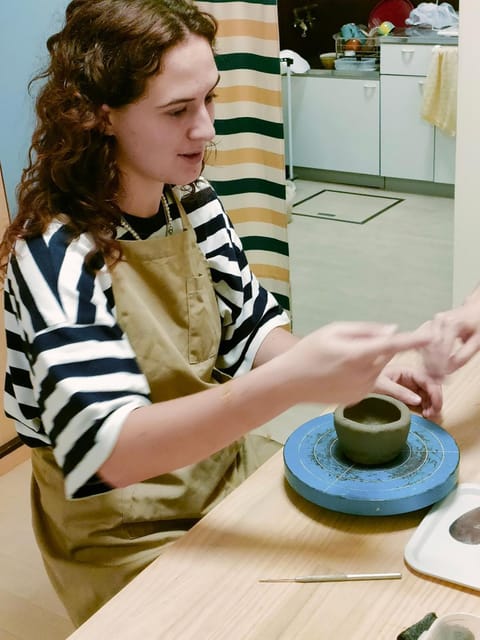
- Private class with Anna: you get patient, practical guidance and time for questions
- Shigaraki clay + Japanese glazes: craft a piece that feels properly traditional
- Pick your Japan-food project: sake set, sushi set, or a chawan for tea
- Walk to a real neighborhood: head out of the most touristed area toward local life
- A take-home gift too: a sushi dish with traditional pattern plus a Sakura chopsticks holder
- Optional shipping: firing requires patience, shipping fees are extra
Teradachō Station to a studio in a century-old house
The day starts simply: meet at JR Teradachō Station (north exit). Look for your guide holding a sign for the studio, Ceramics Tocoton. From there, you walk away from the busiest, most obvious tourist zone and toward the everyday side of Osaka—shops, street life, and that feeling that you’ve stepped into a normal routine for locals.
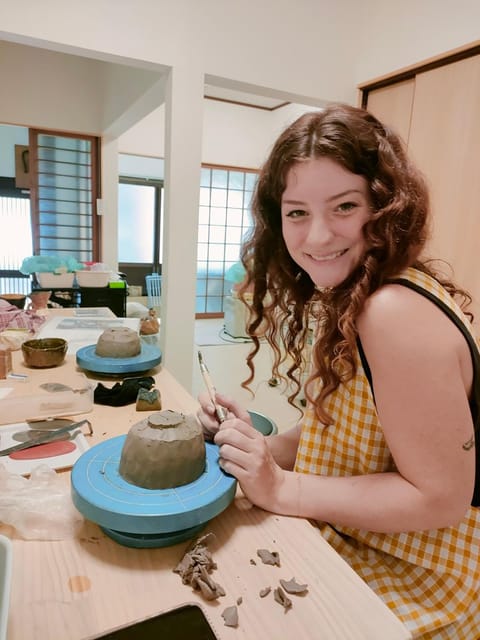
Then comes one of the best parts: the studio is in a two-story, century-old house next to a street lined with local food. That setting matters. It helps you slow down and pay attention, because you’re not just sitting in a classroom. You’re in a real space where craft is part of daily life.
And yes, Anna makes it easy to settle in. One of the strongest themes from people who did the class is how welcome and comfortable she makes the experience feel—more like a careful conversation with instructions than a “watch me do it” demo.
You can also read our reviews of more private tours in Osaka



A food-themed ceramic choice you’ll actually want to use

At the start of the workshop, you’ll discuss what you can make and help choose between three options. You’re not stuck with one generic souvenir. You pick a piece tied to Japanese gastronomy:
- Sake set: a small bottle and glass
- Sushi set: a sushi plate and a chopstick holder
- Chawan for tea: a tea bowl
I like this structure because it gives your hands something clear to do from the beginning. You’re also designing with a purpose. A sake bottle-and-glass set makes sense for future dinners. A sushi plate feels fun and giftable. A chawan is the kind of object you can keep out year-round and actually use.
Another smart detail: the class includes an explanation and the construction of the piece you choose. So you get the “why” behind the look and style, not just the “how” of shaping clay.
Shigaraki clay: where the craft starts
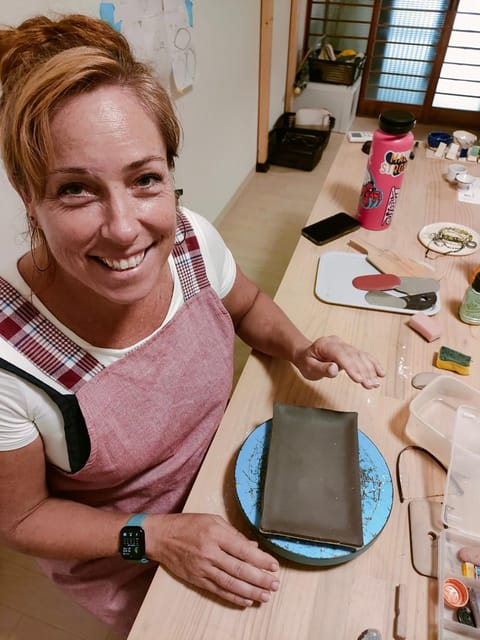
Your hands get to work with clay from the Shigaraki area. That’s a big deal because Shigaraki is known as one of Japan’s traditional pottery production areas. In practical terms, it means you’re not making something themed to Japanese culture—you’re working with something grounded in real regional craft.
Along with the clay, you’ll use typical Japanese glazes to decorate and finish your piece. People often underestimate glazes. They look like a final step. In reality, glaze choice controls the look of the object after firing—color depth, texture, and that finished pottery feel you can’t replicate with plain paint.
You’ll also pick from decorative colors that are typical for Japanese ceramic design. That helps your end result look like it belongs in Japan rather than looking like a DIY project.
How the private lesson works (and why it feels un-rushed)
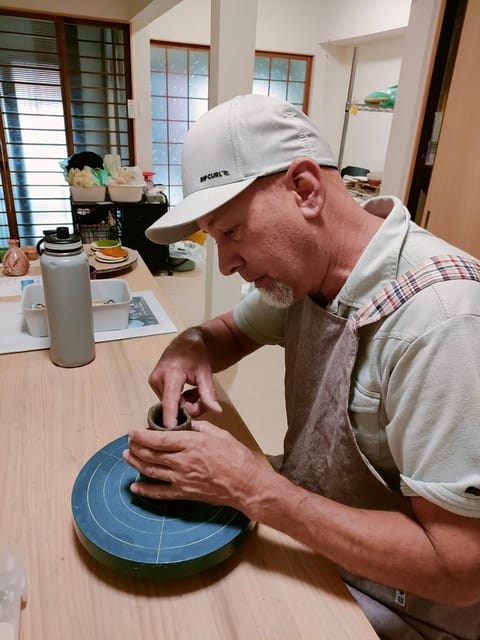
This is a private group class, and that changes the tone a lot. You’re not squeezed into a schedule with strangers and limited time. Instead, Anna can slow down with you when you need it.
From what I’ve seen in firsthand accounts of the workshop experience, the teaching rhythm is calm and precise:
- Anna introduces the options and design differences before you commit
- she demonstrates key techniques clearly
- then she guides you step-by-step through construction
- you can ask questions without feeling like you’re holding everyone up
That “no rush” feeling shows up again and again. Even if you’ve never touched pottery before, you don’t get treated like a lost beginner. Anna adjusts the lesson to the person in front of her, from first-timers through people who already have some pottery experience.
There’s also a helpful human element. People mention light humor and easy conversation during the walk to the studio and during the workshop itself. It makes the class feel like a real meeting with craft and culture, not a scripted activity.
The Anna factor: study background and culture talk
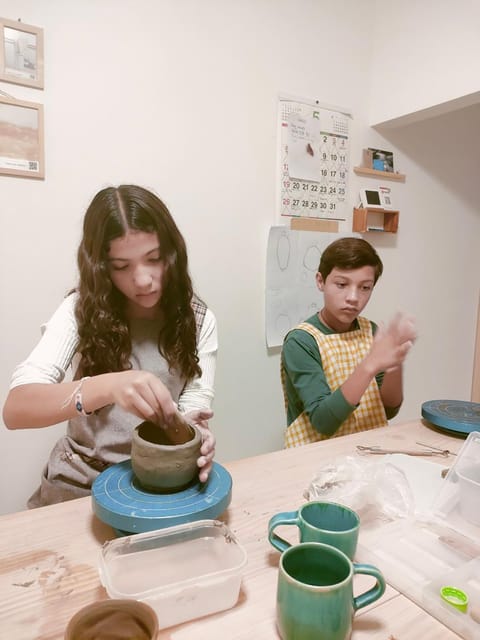
Anna is more than an instructor. She’s a cultural guide through the lens of ceramics. The workshop blends craft with conversation about Japanese culture and cuisine—especially how everyday eating habits connect to ceramic design.
A detail that matters here: Anna has studied ceramic making in Osaka and Barcelona. That mix helps explain why the instruction feels practical and teachable. You’re getting a Japanese craft perspective, but it’s communicated in a way that non-potters can follow.
Language is also a strength. The workshop runs in English, Catalan, Spanish, or Japanese, which is rare for ceramics experiences where language can be a hurdle. If you want a class where you can ask real questions and understand the cultural reasoning, this is set up for that.





What you’ll do with your hands: shaping, finishing, and choosing glazes
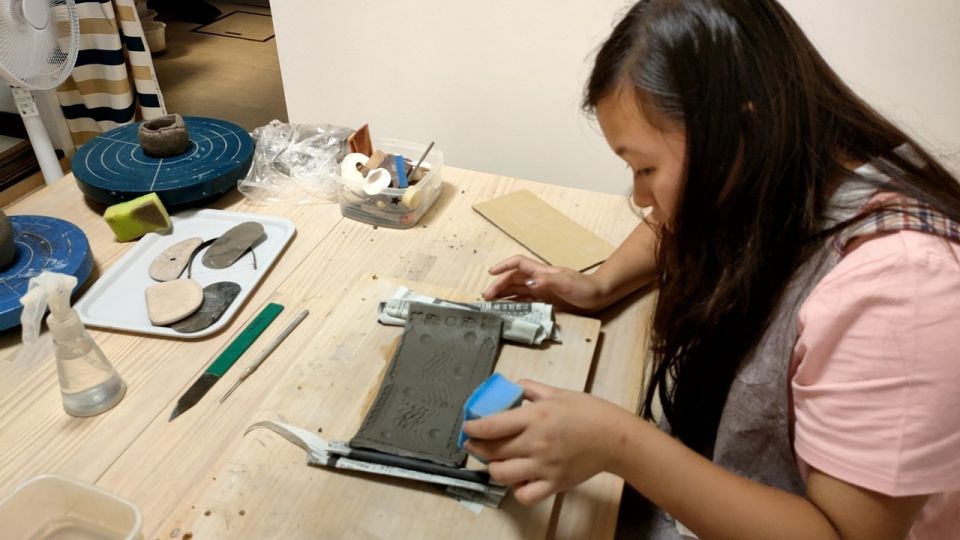
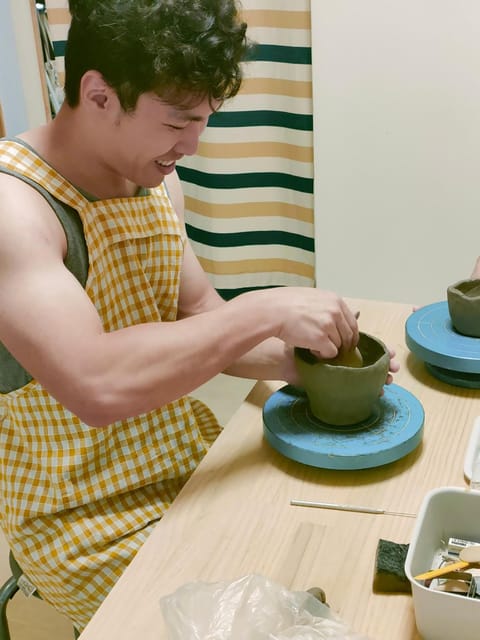
The workshop is hands-on throughout. It’s not “press this stamp and leave.” You work the clay to form your chosen item, then decide on a glazed finish.
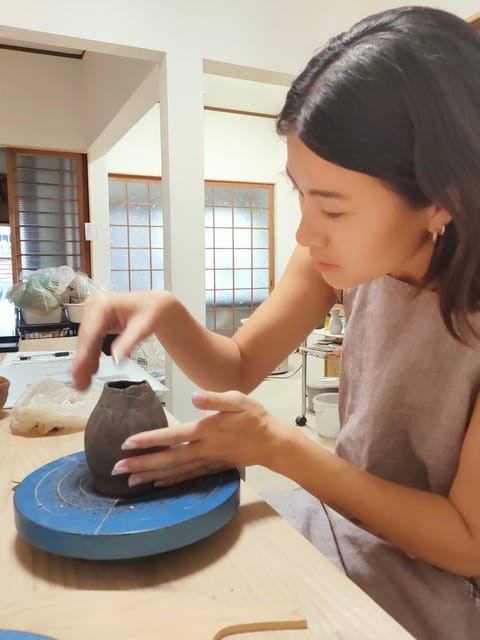
Because your piece is handmade, small choices you make along the way show up in the final object—how thick the walls are, how curves settle, and how the form feels in the hand. This is the part I think you’ll enjoy most: you’re watching your skill level rise over two hours.
Anna’s instructions are built around clear technique. People describe her guidance as patient and easy to follow, with specific direction at each stage. If you’re nervous at the start, that’s normal. The workshop is designed to turn nervous hands into confident ones.
At the end, there’s clean-up and final steps for glazing and posting (the fired results are handled through the studio process). If you’re choosing between the three options, remember this: each one has a different “use” story. Make the piece that matches how you’d like to bring Japan back into your home.
The walk-and-studio rhythm: seeing a quieter side of Osaka
A lot of Osaka activities end up in the same obvious zones. This one starts at the station, then guides you away from the most tourist-heavy strip toward a calmer local street.
That walk is part of the experience. You get context for why the craft makes sense where it’s made—near food shops, in neighborhood rhythms, in a house that looks lived-in rather than staged.
Once you reach the studio, the vibe stays grounded. People mention the studio being clean and comfortable, with warming in winter. That’s not flashy, but it helps if you’re doing this on a day when Osaka weather changes your plans.
The gift you take home, plus what you keep after firing
Even if your main piece needs time to fire, you’re not leaving with empty hands. Your parting gift includes:
- a small sushi dish decorated with a traditional Japanese pattern (described as having traditional enamels in accounts)
- a Sakura-shaped chopstick holder made by your instructor
This is a nice touch for two reasons. First, it gives you an immediate souvenir to enjoy right away. Second, it keeps the theme consistent. You’re not buying a generic token; you’re receiving another small handmade piece connected to the workshop craft.
What you make during the workshop becomes your finished item after the firing process. If you’d like, your pottery can be sent to your home. The workshop notes that shipping takes about one and a half months, and shipping costs are not included.
Price and value: why $96 feels fair for what you get
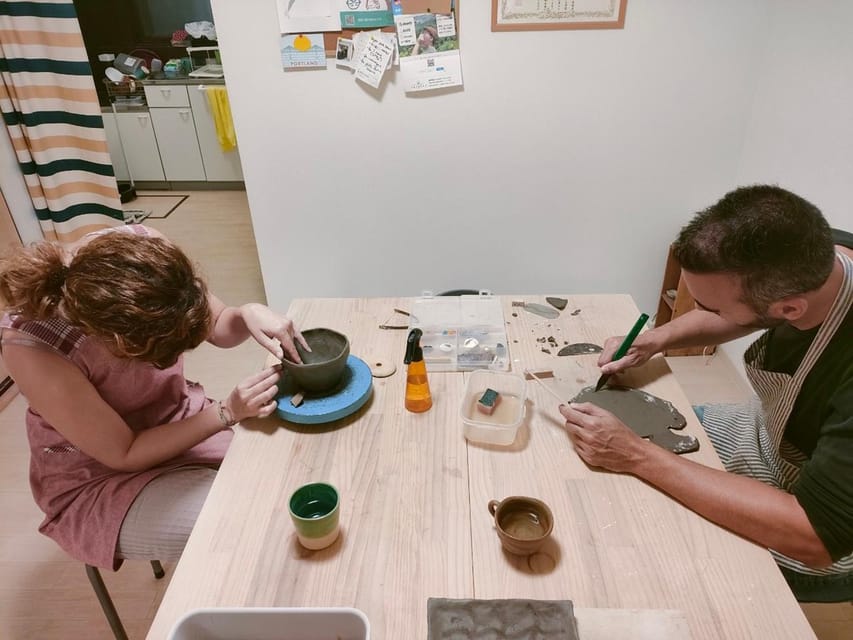
At $96 per person for a two-hour private class, the key question is: what’s the real value?
For me, the value comes from four things you rarely get together in craft tours:
- Private instruction instead of a classroom-style group session
- Traditional materials: Shigaraki clay plus typical Japanese glazes
- A meaningful, useable ceramic object (sake set, sushi set, or chawan)
- A handmade gift you take home right after the workshop
You’re paying for hands-on time with an instructor and for the materials and firing outcome. If you’ve ever done a “make something quick” souvenir workshop, you’ll notice the difference: this one is structured around actual craft steps and a finished piece you’ll want to keep.
Also, language options matter. If you’re traveling without Japanese and you want to understand the cultural logic behind the craft, that’s part of the value too.
Practical tips before you go (so the day runs smoothly)
Here are the few things that can make or break a ceramics session:
- Arrive on time. If you’re more than 15 minutes late, it’s considered a no-show, so build in buffer time from wherever you’re staying.
- Choose your food piece based on real habits. Sake set for dinner evenings, sushi set if you like hosting, chawan if you actually want a tea bowl that looks like it belongs in a small ritual.
- Plan for the firing timeline. If you want shipping, remember the pottery takes about 1.5 months and you’ll pay shipping separately.
- Wear clothes you don’t mind. Clay work can be messy in small ways. Even when the studio is clean, accidents happen.
If you’re going with kids: it’s not suitable for children under 5. For older kids, the private format can make it easier to focus and learn without the pressure of a large group.
Who should book this Osaka ceramics workshop
You’ll probably love this class if you want:
- a hands-on craft activity that isn’t just a photo stop
- a souvenir with actual function and a story you can explain
- culture talk connected to food and daily life in Japan
- an English, Spanish, or Catalan option where you can ask questions
It also fits couples and solo travelers who want something calm and structured. One of the recurring themes in the experience accounts is that it feels relaxing and therapeutic—exactly the kind of break you might want in a trip schedule full of shrines, crowds, and train stations.
If you’re only interested in buying a quick gift and moving on, you might find this too hands-on. But if you want a skill you can share with friends back home, this is built for that.
Should you book Osaka Traditional Japanese Ceramics?
Yes, if you want a private class that blends craft and culture in a real neighborhood setting. The standout strengths are Anna’s instruction style, the use of Shigaraki clay, and the food-themed piece choices that make your souvenir feel personal and practical.
Book it especially if:
- you want something quieter and more meaningful than typical sightseeing
- you care about learning, not just making
- you’d like an English/Spanish/Catalan-friendly experience
Skip or think twice if you need a finished item immediately in the next few days, since firing and optional shipping take time and shipping costs are extra. If that timeline works for you, this workshop is one of the best ways to bring Japan home—one handmade object, one skill, and one small story you can tell without sounding like a brochure.
FAQ
How long is the Osaka ceramics experience?
The class runs for about 2 hours.
Where do I meet the guide in Osaka?
Meet at JR Teradachō Station’s north exit. Look for the guide carrying a sign for Ceramics Tocoton.
What can I make during the workshop?
You can make one of these: a sake set, a sushi set, or a chawan for tea. The experience includes explanation plus construction of the set or piece you choose.
What materials are used?
You’ll work with clay from the Shigaraki area and typical Japanese glazes.
Does the workshop include a take-home gift?
Yes. You receive a parting gift: a small sushi dish with a traditional Japanese pattern and a Sakura-shaped chopsticks holder made by your instructor.
Is this a private class?
Yes. It’s a private group experience.
Can I ship the ceramics to my home?
Yes, if you want, the pieces made during the workshop can be sent home. It takes about 1.5 months, and shipping costs are not included.
What languages are offered?
The workshop is available in English, Catalan, Spanish, and Japanese.
Is there an age limit?
It’s not suitable for children under 5 years old.
What if I’m late to the meeting point?
If you’re more than 15 minutes late, it will be considered a no-show, so contact the team if delays happen.