REVIEW · OSAKA
Osaka: Osaka Castle Guided Tour with Local Guide
Book on GetYourGuide →Operated by Trip with Goku · Bookable on GetYourGuide
Samurai politics meet city views here. I like how this tour turns Osaka Castle into a clear story about samurai and shoguns, and I love that you end with panoramic Osaka views from the castle keep.
The main tradeoff is simple: you’ll climb a lot of stairs inside the keep (from the first floor up to the eighth), so it’s not a good fit if walking is tough. The flip side is that those climbs are exactly what let the guide explain the castle the way it was meant to be experienced—layer by layer, defense by defense.
In This Review
- Why This Osaka Castle Tour Feels Different
- Key Highlights You’ll Actually Feel on the Ground
- Meeting Osaka Castle: Start Right at the Main Entrance
- Walking the Grounds Like a Local Would
- The Samurai and Castle Defenses Part (This Is the Heart)
- Inside the Keep: Stairs, Floors, and the City View Payoff
- Edo Period Context: Politics You Can Put into Perspective
- “Hidden” Stops and Local Kansai Stories (Without the Fake Hype)
- Small Group Size: The Real Value of Up to 5 People
- Price: Is $48 Worth It for 2 Hours?
- What to Bring (And What to Leave at Home)
- Who This Tour Suits Best
- Booking Tips: Get the Most Out of Your 2 Hours
- Should You Book This Osaka Castle Guided Tour?
- FAQ
- Where is the meeting point?
- Is the admission ticket included in the tour fee?
- How long is the tour?
- What languages are the guides available in?
- How many people are in the group?
- What should I bring?
- Is flash photography allowed?
- Is the tour suitable for children and people with mobility impairments?
- Does this include hotel pickup or drop-off?
Why This Osaka Castle Tour Feels Different
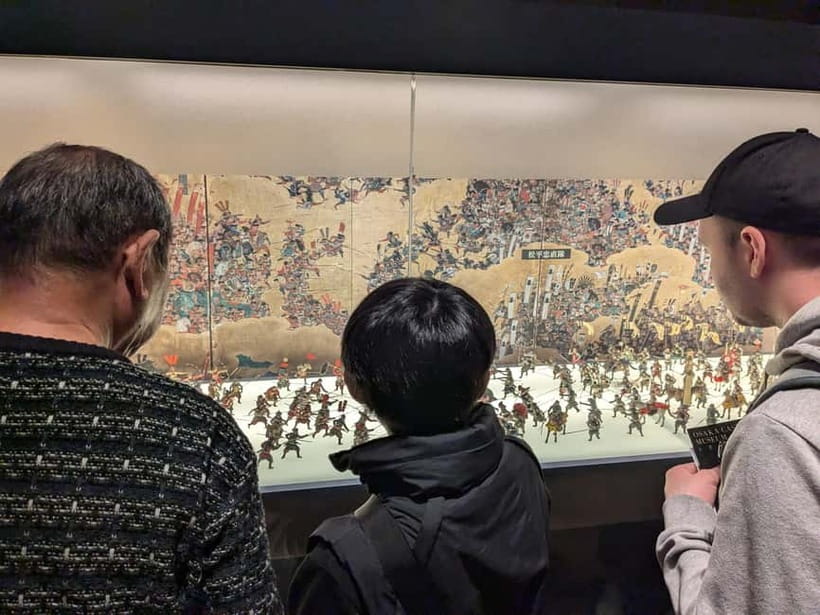
Osaka Castle can be one of those places where you show up, take pictures, and leave with lots of pretty walls but not much context. This guided format fixes that fast. In about two hours, you’ll get the big political picture—Sengoku-era conflict, shogun rule, and the Edo period’s shift into stability—without drowning in dates.
And the guide approach matters. One person you might be paired with is Kosuke-san, who explained roles of samurai, shoguns, and emperors in fluent English in a way that felt easy to follow. Another example is Yuna, who didn’t just point out features—she also shared practical tips for what to do next in Osaka after the tour. Different guides, same core goal: help you read the castle like a living machine, not just a monument.
Key Highlights You’ll Actually Feel on the Ground
- Samurai storytelling with clear context: how Sengoku-era fighting shaped decisions and structures
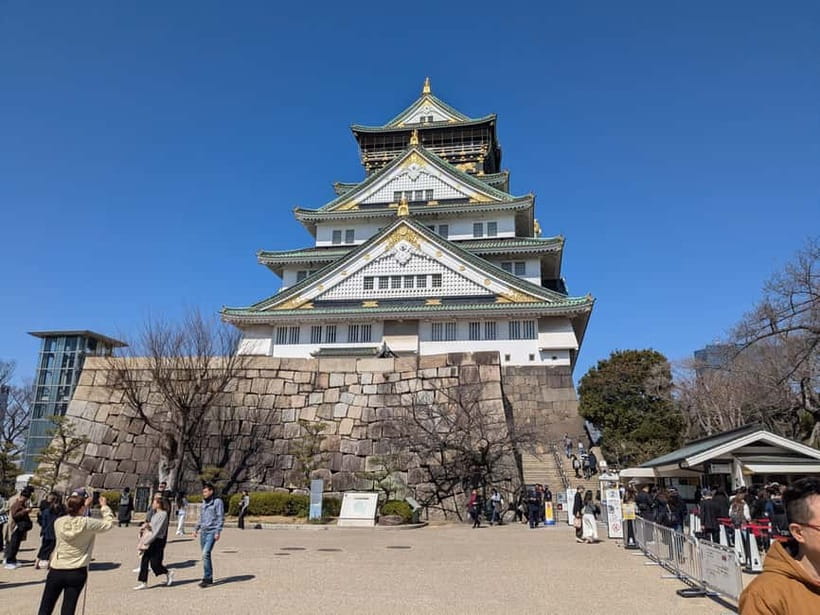
- City views from the keep: you’ll reach the top levels for wide Osaka panoramas
- Defense-by-design explanations: stone walls and layered architecture make sense as you walk
- Local Kansai stories: side narratives that feel distinctly Osaka, not copy-paste history
- Small group pacing (up to 5 people): fewer crowds and more Q&A time
You can also read our reviews of more guided tours in Osaka


Meeting Osaka Castle: Start Right at the Main Entrance
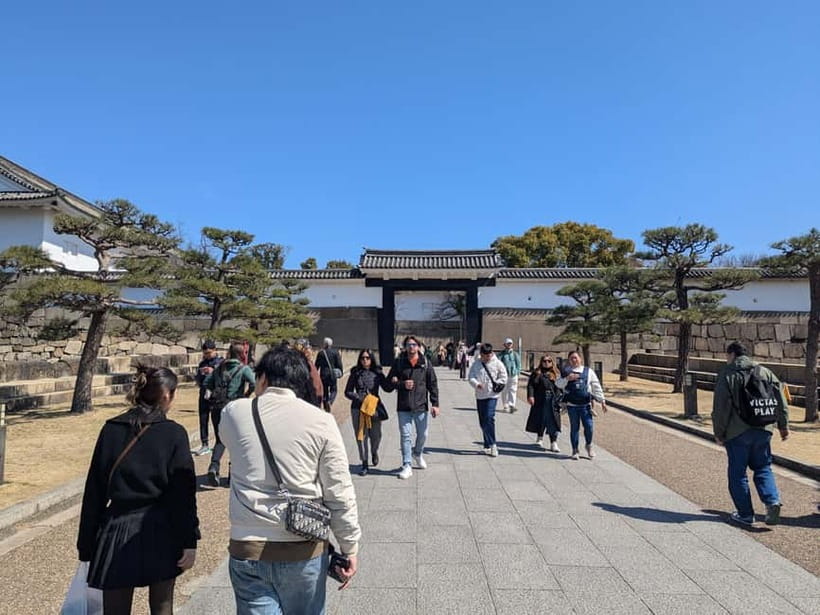
You meet in front of the main building of Osaka Castle, next to the ticket counter. Good to know: the admission ticket is already included in your tour fee, so you don’t need to buy one yourself. That saves time and lowers the chance of anyone getting stuck at the wrong line while your group is waiting.
Since there’s no hotel pickup or drop-off, build the day around arriving on foot or by local transit. Osaka Castle sits in a busy area, so I suggest you plan to arrive a little early—say 10 to 15 minutes—especially if your language partner is picking up the group and there’s a quick headcount.
Walking the Grounds Like a Local Would
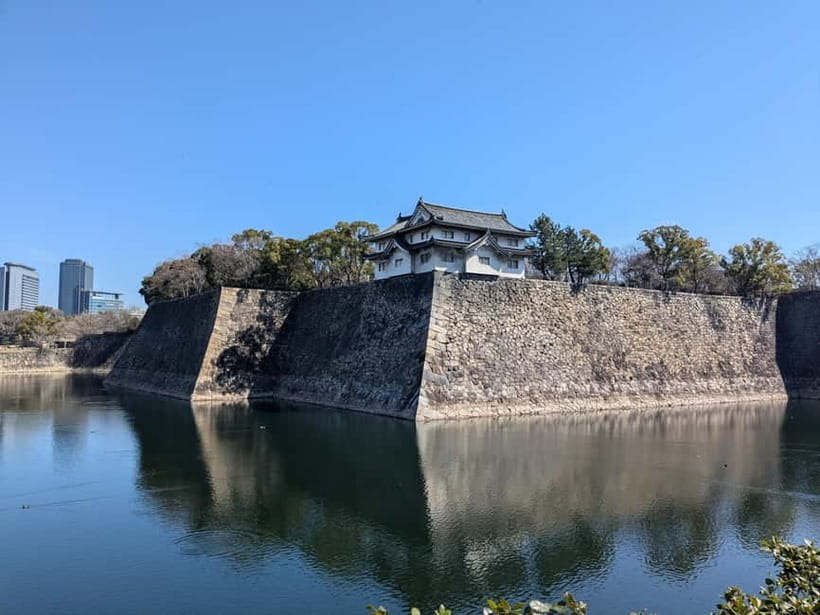
Once you’re together, the tour focuses on the parts that make Osaka Castle feel real: the historical grounds and the structural choices that helped it survive attacks.
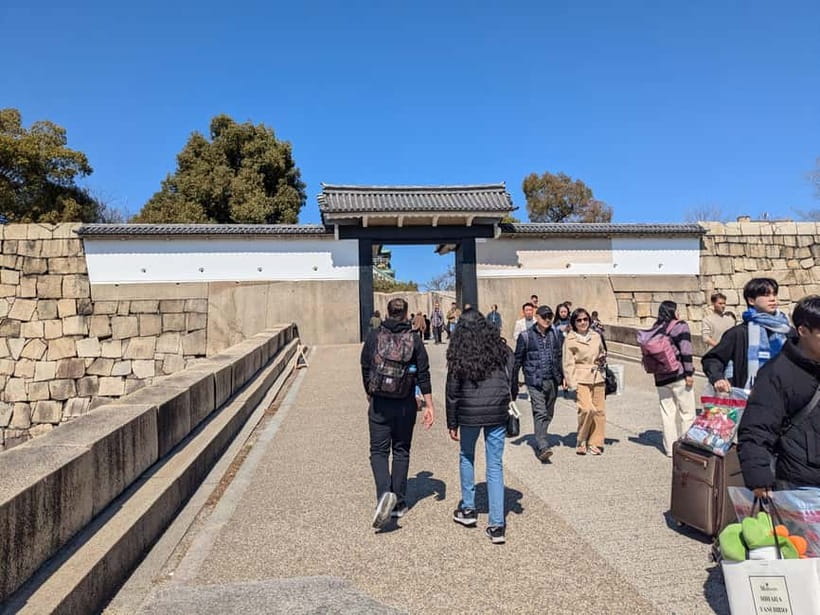
You’ll spend time around major features like the massive stone walls, which are more than dramatic backdrops. The guide explains them as part of the castle’s defensive thinking—why certain shapes matter, how fortifications control movement, and what attackers would have faced if they tried to push in.
This is where a good guide earns their fee. The castle is big, and if you wander on your own you can end up treating every gate and wall as the same kind of photo. With a guide, those elements become a sequence. You start noticing how the castle guides people through space, how it funnels risk, and how it tells you what mattered most to the feudal lords who controlled it.
The Samurai and Castle Defenses Part (This Is the Heart)
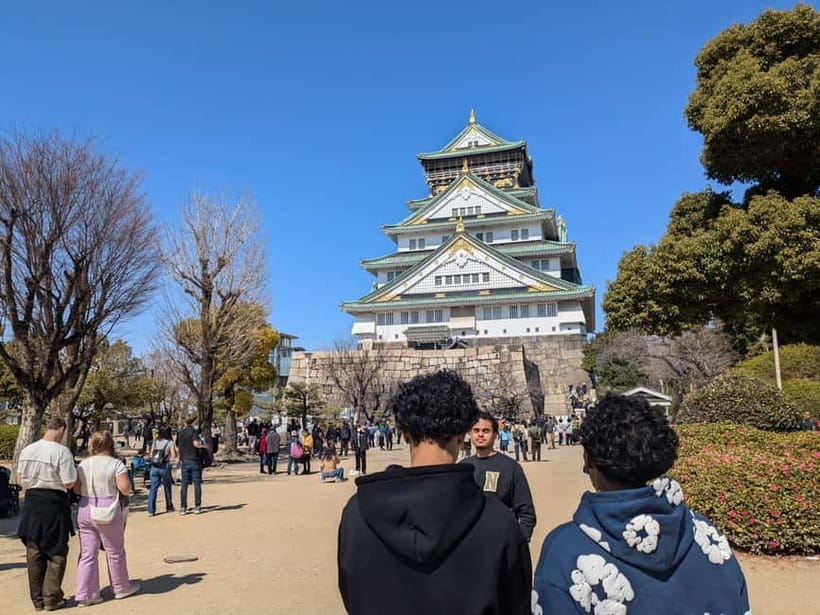
The tour really shines when it connects three things: samurai tradition, feudal politics, and defensive design.
Expect explanations that cover:
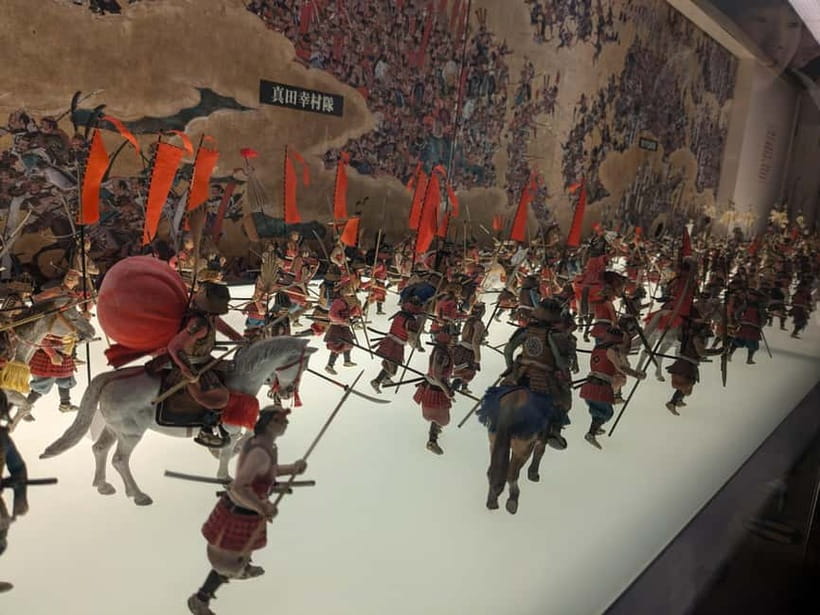
- how samurai fought during the Sengoku period
- how roles of powerful leaders shifted over time
- how weapons and armor fit into the realities of conflict
- why castle defenses weren’t only about brute force
From the reviews, guides like Kosuke-san and Diego are praised for making sword-and-spear details and political context feel easy to grasp. Nil stands out in comments for not sounding scripted—he adapts to your interests and even researches follow-up questions later if he doesn’t have an immediate answer. That “listen first, then tailor” style is a big reason this experience gets such strong ratings.
Also, pay attention to how your guide talks about the keep and the defensive layers. Osaka Castle isn’t just a single building. It’s a whole system, and this tour helps you see it that way.
Inside the Keep: Stairs, Floors, and the City View Payoff
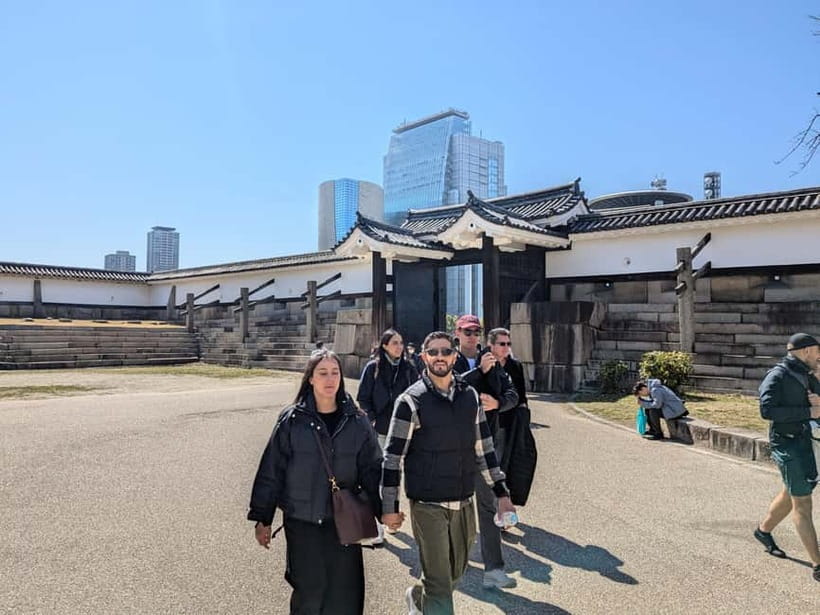
The castle keep is the showstopper. But the important part isn’t just that it’s tall—it’s that you’ll climb from the first floor to the eighth floor. That climb is part of the experience, because the guide uses the movement through levels to explain how the castle functioned.
A few practical notes before you go:
- Wear comfortable shoes. You’ll want grip and support.
- Bring water. The weather can shift, and you’ll be walking on uneven terrain plus stairs.
- Photography is allowed, but flash photography is not.
The reward is the panoramic view. Reviews repeatedly mention the top of the keep as a highlight, especially when the weather is good. If you’re the type who likes skyline photos, plan to take your time at the viewpoint areas, even if the group is moving quickly. This is the moment where the castle stops being “history class” and becomes “wow, I get why this was important.”




Edo Period Context: Politics You Can Put into Perspective
You’ll also hear how the Edo period influenced Japanese cultural and political life. This tour doesn’t treat Edo as a vague “later time.” It links Edo to what castles were for after the chaos eased.
What that means for you: the guide helps you understand why the castle’s story matters beyond the walls you’re standing in. It’s not only about battles. It’s about power, order, and control—how feudal rulers used architecture and symbolism to keep authority visible.
Some guides also cover the interactions and intrigues tied to major figures associated with the castle. If you like narratives—who competed with whom, and why it mattered—you’ll probably enjoy how the story is paced as you move through the keep.
“Hidden” Stops and Local Kansai Stories (Without the Fake Hype)
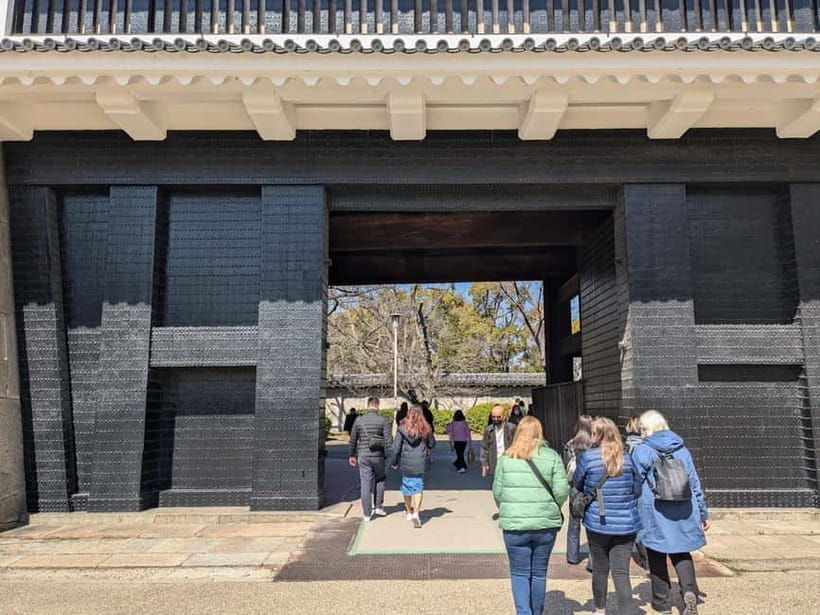
This tour promises exclusive hidden spots and local stories that only a Kansai native would share. In practice, that usually means small diversions: a better angle for a view, a detail in the grounds most people miss while chasing the main photo, or a local explanation for what you’re seeing.
I like this approach because it doesn’t try to invent mystery. It just gives you useful context. When a guide points out something specific—like a defensive detail on the walls—it’s easier to remember because you understand the “why,” not just the “what.”
One more nuance from the tour description: your guide isn’t only a history person. They may bring modern and subcultural influences into the explanation, especially if the guide has a background as a musician and manga artist. That can make the samurai material feel less like a lecture and more like a story you can connect to your own frame of reference.
Small Group Size: The Real Value of Up to 5 People
Small group tours sound nice in brochures. Here, it’s actually practical.
With a limit of 5 participants, you tend to get:
- more question time
- faster adjustments to what your group cares about
- less crowd pressure at key moments like viewpoints
Reviews also show guides adapting pace to the group. One person noted that Kosuke-san made the tour pace comfortable, and others praised guides for answering questions and keeping communication clear in English and other languages.
If you’re traveling with friends and want everyone’s questions answered, this size can be the sweet spot between private and public.
Price: Is $48 Worth It for 2 Hours?
Let’s talk value. At $48 per person for about two hours, you’re paying for three things at once:
- a guide with 10+ years of experience
- a guided route through the castle’s most important parts
- the admission ticket being included in the price
That matters because Osaka Castle isn’t a quick “pop in and out” site if you want to understand it. The keep involves climbing and time, so a guided structure helps you use your limited vacation hours better.
Also, some comments suggest guides helped people avoid the longest ticket line at least in some situations. Even if that’s not always the case, the overall value remains strong because the ticket is already included, and your time on-site isn’t wasted figuring out what to see first.
When might it not be worth it? If you’re purely a collector of photos and you don’t care about samurai politics or castle defenses, you could do it on your own. But if you want the “why” behind the walls, this price is fair for what you’re getting.
What to Bring (And What to Leave at Home)
Plan for a walking-and-stairs experience. The essentials are simple:
- Comfortable shoes
- Camera (flash is not allowed)
- Water
And for clothes: dress for weather changes. The description warns conditions can vary, and you’ll be outdoors around the grounds before you start climbing inside the keep.
Who This Tour Suits Best
This tour is a strong match if you:
- want a clear introduction to samurai and castle defenses without sorting everything out yourself
- like storytelling that links politics to architecture
- enjoy city views and want a reason to take your time at the top
- prefer a small-group pace with real Q&A
It’s not a great fit if you:
- have difficulty climbing stairs (the route includes climbing up to the eighth floor)
- use a wheelchair or have mobility impairments
- are traveling with children under 6
If you’re unsure about your comfort level, consider that the stairs inside the keep are not optional for the planned tour flow.
Booking Tips: Get the Most Out of Your 2 Hours
A few practical moves can help you enjoy the full experience instead of rushing:
- If you care about photos, aim for better light when you can. Some comments specifically called out sunset timing for photo opportunities.
- Keep one or two questions ready. Ask about what you’re seeing right then—stone walls, gates, or the keep’s defensive logic.
- After the tour, ask your guide for next stops. Reviews mention that guides like Yuna offered recommendations for what to see in Osaka afterward.
This tour is short. Your best results come when you treat it like a guided “primer” rather than a photo sprint.
Should You Book This Osaka Castle Guided Tour?
If you want Osaka Castle to make sense, book it. For $48, you’re buying a structured walk through the keep and grounds, plus the political and defensive context that makes the place memorable. The small group size helps, and the guide style—whether it’s Kosuke-san, Yuna, Diego, or Nil—leans toward clarity and real conversation.
Skip it only if you can’t manage lots of stairs or you don’t care about samurai history beyond pictures. If that’s you, Osaka Castle on your own might be enough. If you want the story behind the walls, this guided tour is a solid call.
FAQ
Where is the meeting point?
Meet in front of the main building of Osaka Castle, next to the ticket counter.
Is the admission ticket included in the tour fee?
Yes. The admission ticket is included, so you don’t need to buy it separately.
How long is the tour?
The tour lasts about 2 hours.
What languages are the guides available in?
The live guide is offered in English, Japanese, French, Spanish, Portuguese, and Russian.
How many people are in the group?
This is a small group limited to 5 participants.
What should I bring?
Bring comfortable shoes, a camera, and water.
Is flash photography allowed?
No. Flash photography is not allowed.
Is the tour suitable for children and people with mobility impairments?
It’s not suitable for children under 6. It’s also not recommended for people with mobility impairments or wheelchair users, since the tour requires climbing stairs from the first floor to the eighth floor.
Does this include hotel pickup or drop-off?
No. Hotel pickup and drop-off are not included.