REVIEW · OSAKA
Learn The Katana ‘Sword’ Technique of Samurai and Ninja
Book on Viator →Operated by Beauty of Japan · Bookable on Viator
Katana class in Osaka, no fighting required. What makes this one interesting is the mix of hands-on sword technique plus a theatrical performance you watch right before you suit up.
You’ll learn the Japanese warrior basics in a friendly small-group setting, with costumes and photo time built in. It’s also built for participation, so even if you’re new to anything samurai or ninja related, you won’t feel lost.
I especially liked the way the class breaks training into clear steps: how to wear kimono hakama, how to hold the katana, and then practical practice of the tate battle experience. The instructor keeps things moving, and you end up performing alongside the group instead of just standing around.
One thing I really appreciated is the finale: ninja scene acting and throwing rubber shuriken. It turns the whole session into a memory, not just a demo.
The main thing to consider: this is not marketed as serious martial-arts-only training. Based on the style of the class (more stage-performance friendly than hardcore dojo), you may find it more fun and theatrical than technically intense.
In This Review
- Key highlights to look for
- Osaka Samurai and Ninja Training: What the Experience Is Like
- Meeting at Imai Building and Getting Set Up in Nishi Ward
- Costume Changes Matter: Wearing Kimono Hakama, Ninja, and Samurai Gear
- Katana Basics: How You Learn to Hold It and Start Moving
- The Tate Sword Technique: Posture, Balance, and Mental Focus
- Practicing Eight Katas and Getting Photo/Video Moments
- Ninja Scene Finale and Rubber Shuriken Throwing
- Watching the Samurai and Ninja Performance Before You Train
- Price and Value: Is $162.59 Worth It?
- Who This Samurai Katana Class Suits Best (and Who Should Skip It)
- Should You Book This Samurai Katana Experience in Osaka?
- FAQ
- How long is the Osaka katana and shuriken experience?
- What will I learn during the class?
- Do I get a costume?
- Is shuriken throwing included?
- Will there be a performance during the lesson?
- Where do we meet in Osaka?
- Is hotel pickup included?
- What’s the cancellation window for a full refund?
Key highlights to look for
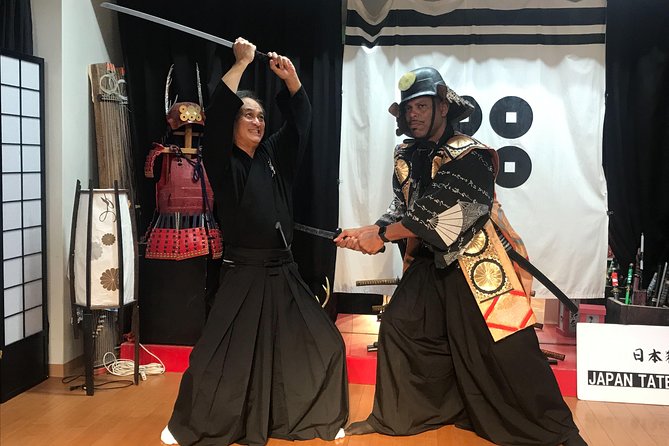
- Tate sword technique practice focused on posture, balance, and mental focus
- Costume experience including kimono hakama, ninja costume, and samurai armor options
- Eight katana katas with a chance to take video of what you practice
- Ninja scene performance where you step into the action as part of the show
- Rubber shuriken throwing to finish the session with a safe, playful challenge
- Small group size with a maximum of 10 people, so you’re not lost in the crowd
Osaka Samurai and Ninja Training: What the Experience Is Like
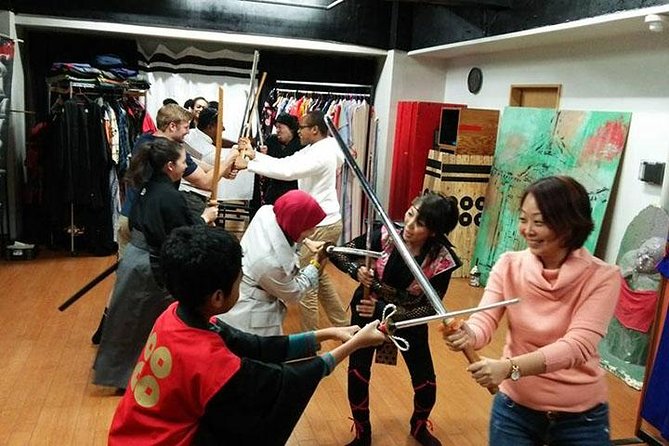
This class is built around the idea that you learn best by doing. You’ll start with a short performance vibe, then you’ll get dressed, learn the movements, and finally take part in a scene yourself. It feels like training meets cosplay meets a stage production, but with real instruction.
You’ll also get a guided path through the basics. That matters in sword work, where people often get intimidated by the terminology. Here, you’re taught what you need in plain, step-by-step form so you can actually try the moves.
And because the group stays small, it doesn’t become a long waiting game. You’ll move from dressing to practice to photos without spending most of your time watching other people.
You can also read our reviews of more tours and experiences in Osaka.



Meeting at Imai Building and Getting Set Up in Nishi Ward
The class meets at Imai Building, 1-chōme-1-27 Kitahorie, Nishi Ward, Osaka. That neighborhood is listed as near public transportation, which is a big plus in Osaka where you often rely on trains and subways.
You’ll want to show up with enough time to settle in and get into costume. The class includes an instructor and rental costume, so you’re not arriving to manage gear yourself. Still, dressing takes time, especially if you’re unfamiliar with how the garments fasten.
There’s no hotel pickup or drop-off included. In plain terms: plan your own route to the meeting point and back. If you’re staying in the city center, that’s usually easy, but it does mean you should budget a little extra time.
Costume Changes Matter: Wearing Kimono Hakama, Ninja, and Samurai Gear
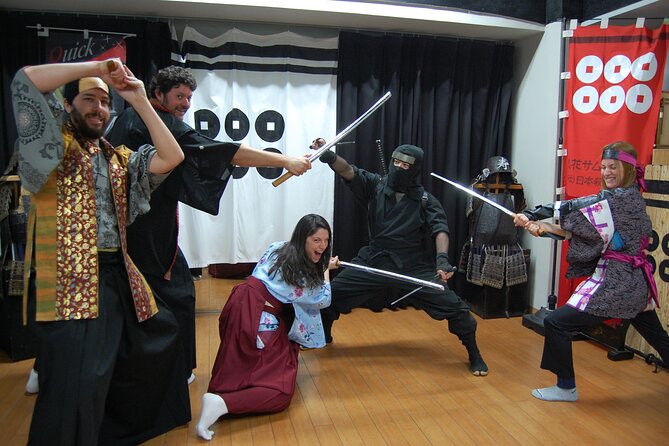
One of the best parts of this experience is that it treats clothing as part of the learning. You’ll learn how to wear kimono hakama and then you’ll have costume options that fit the theme: kimono, ninja costume, or samurai armor.
Why does this matter? Because posture and movement change when you wear the right outfit. Even if you only care about the sword part, the costume helps you fall into the role. You’ll look the part during katana practice, and that makes it easier to remember the steps.
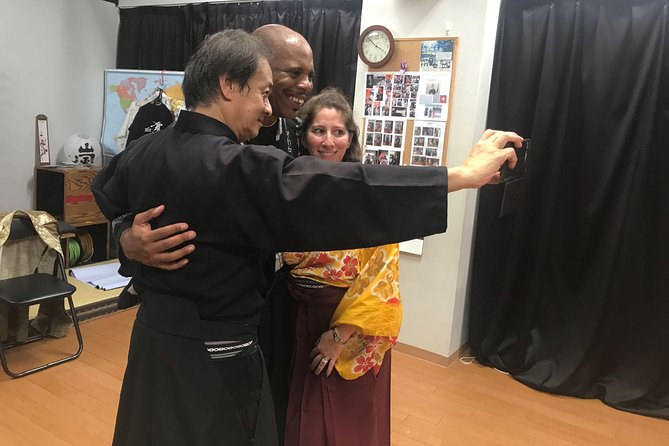
Also, the class doesn’t rush the costume side. You’re not just handed something and told to figure it out. The instructor is there, and the session includes picture time at the end, which means you’ll want your outfits to be camera-ready.
Katana Basics: How You Learn to Hold It and Start Moving
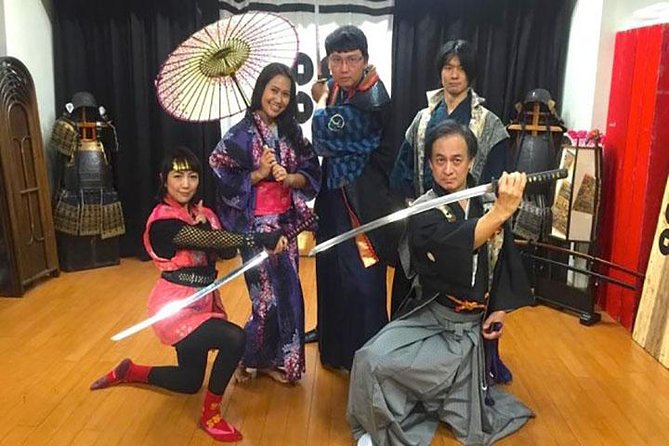
Before you start doing the full sequence, you’ll get the foundation. You’ll learn how to use a katana, including how to hold it. That sounds simple, but for beginners it’s the difference between looking awkward and actually being able to try the technique without overthinking.
You’ll also learn the set-up for practice by working through 8 katas, and you’ll have a chance to take video of what you learn. That’s a smart touch. In sword technique, the body position matters, and video helps you correct what you can’t easily see in the mirror.
If you’re coming with a friend or partner, this is a good activity to do together. You’ll both be suited up, practicing the same movements, and sharing the same learning moment. That also helps the vibe. You’re less likely to freeze up when it’s not just you in front of the instructor.
The Tate Sword Technique: Posture, Balance, and Mental Focus
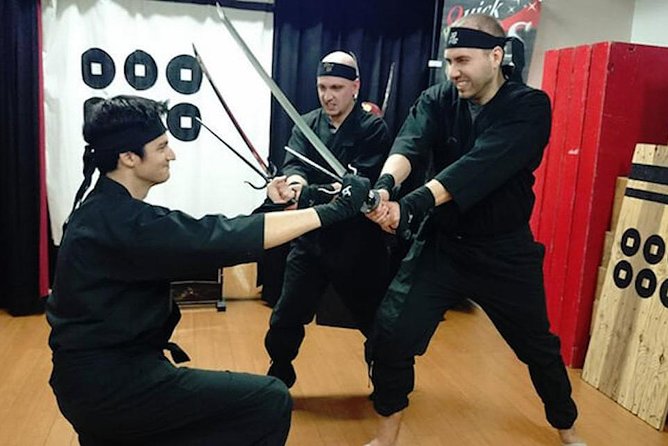
The centerpiece of the class is learning the tate sword technique, which focuses on posture, balance, and mental focus. That trio shows up again and again in Japanese martial-inspired training, and here it’s taught in a way you can actually feel.
Instead of only focusing on speed or power, you’re guided toward the positions that make the movement work. You’ll practice until you can hold the stance and perform the sequence in a controlled way.
The class also includes a tate battle experience. That’s where the training shifts from basic practice to a more performance-style action segment. It’s not just about making a pose; you’re encouraged to go through the moves with the right attitude, timing, and balance.
Practical tip: if you feel yourself getting tense, slow down your breath and focus on the stance first. The technique depends on stability, not muscle. You’ll look better and get better results with calm control.


Practicing Eight Katas and Getting Photo/Video Moments
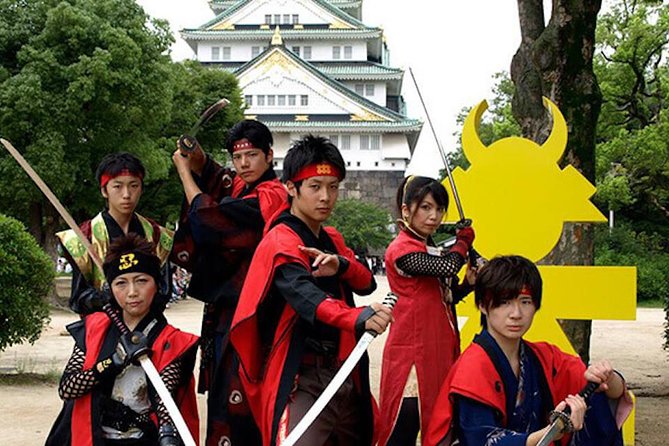
The session is structured so you get both learning and documentation. You’ll cover 8 katas for katana handling, and you’ll be able to take video. Then later there’s picture time, and the closing moments include acting out your part in the show.
For many activities, photos happen after the fun part. Here, photos and video feel like they’re tied to the actual practice, so you get a record of what you did, not just proof that you were there.
This is also where the instructor style really matters. The class is designed to keep beginners engaged, with patient coaching so you can try again if something feels off. You’re not expected to “already know samurai” to succeed here.
Ninja Scene Finale and Rubber Shuriken Throwing
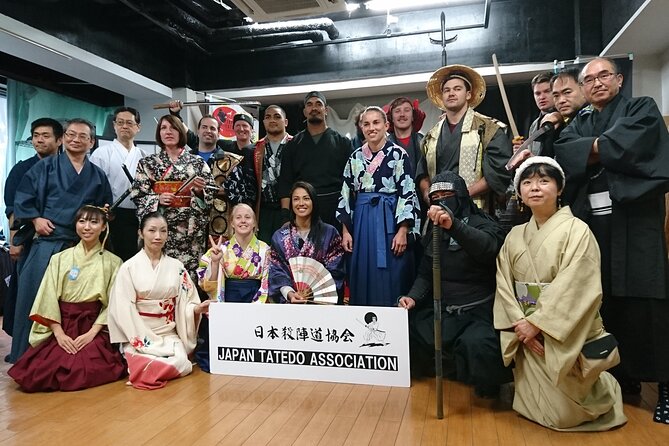
The ending is the most playful section of the experience. You’ll do a ninja scene as a group, then you’ll try throwing rubber shuriken (ninja stars).
Rubber weapons change the tone in a good way. You get the thrill of trying the motion without the fear that comes with real blades. It lets you focus on form and timing, and it makes the finale work for a wide range of skill levels.
The ninja scene is also a strong audience-magnet moment, even if you think you’re shy. The group scene structure usually helps you jump in without feeling like you must be the star. Still, you’ll end up participating, which is the point.
If you’re traveling with kids or teens, this is often the highlight. It converts the whole experience into something you can talk about immediately afterward: what pose you liked, what throws you landed, and who looked the most dramatic.
Watching the Samurai and Ninja Performance Before You Train
Before you start your own practice, you’ll watch inspiration from a fight performance by three Samurai and a Ninja. This matters because it gives you a “visual map” of what the class is working toward.
When you’ve just learned the stance or the grip, seeing it performed first makes it easier to understand what the instructor is aiming for. You’re not learning in a vacuum. You’ve got a model, and you can copy what you saw with your own body.
Also, performances help the group vibe. Everyone is in the same mood, and you transition from watching to participating with less awkwardness. That’s a big deal in a skill activity where beginners can feel self-conscious.
Price and Value: Is $162.59 Worth It?
The price is $162.59 per person, and it’s typically booked about 112 days in advance on average. That booking window hints at demand, so if you want a specific date, planning ahead is smart.
What you’re paying for isn’t just sword instruction. You’re paying for the full package:
- Rental costume (so you don’t have to source anything)
- A local instructor guiding you through katana fundamentals and tate
- A performance segment (so you understand the style before you practice)
- Practicing 8 katas plus video time
- Shuriken throwing experience (rubber, so it’s manageable)
- Ninja scene participation and picture time
In other words, it’s not a “drop-in quick demo.” It’s a guided experience that uses costumes and performance to help you learn. If you want a serious dojo-style session only, this might feel too theatrical. But if you want authentic-feeling movements with a memorable, shareable show finale, the value makes sense.
Also, the maximum group size is 10 travelers. Small groups usually mean more coaching and less time waiting. That’s part of what helps justify the price.
Who This Samurai Katana Class Suits Best (and Who Should Skip It)
This experience is a great fit if you want a hands-on cultural activity in Osaka that’s fun and structured. You’ll be participating from start to finish, with enough instruction to try the movements without needing prior experience.
It also works well if you like performance-style learning. The format includes acting out scenes, and the class feels stage-friendly. If you’re the type who enjoys dressing up and doing something you can photograph and share, you’ll probably have a strong time.
On the flip side, if you’re looking for a serious martial arts class with long, intense drills, you might be disappointed. One key consideration is the class style: it’s run by stage-focused performers rather than a traditional training-only environment. Think of it as warrior-inspired choreography with instruction, not a hardcore self-defense workshop.
Finally, because this is a costume-based activity, choose it if you’re comfortable changing into traditional-style clothing and moving around in it.
Should You Book This Samurai Katana Experience in Osaka?
I’d book this if your goal is a memorable, interactive day that mixes katana technique with ninja/shuriken fun. The tate focus, the 8 katas practice, and the ending with rubber shuriken make it more than a one-note show.
You should also book it if you’re traveling with friends or family. The pacing supports group energy, and the small size helps everyone participate instead of watching from the sidelines.
Skip it if you want a strict, training-only martial arts session with no theatrical elements. This is designed for performance and pictures, and that’s not a flaw if you’re there for the full experience.
If you can handle that vibe, you’ll leave with more than memories. You’ll leave knowing how to hold a katana properly, what the tate stance feels like, and how to toss a shuriken-shaped challenge with confidence.
FAQ
How long is the Osaka katana and shuriken experience?
The experience is listed as about 1 hour, and the training format includes instruction plus performance and participation time.
What will I learn during the class?
You’ll learn how to wear kimono hakama, how to use and hold a katana, the tate sword technique, and you’ll also practice ninja scene acting and rubber shuriken throwing.
Do I get a costume?
Yes. Rental costume is included, and the class involves dressing up in kimono, ninja costume, or samurai armor.
Is shuriken throwing included?
Yes. The class includes a shuriken throwing experience using rubber ninja stars.
Will there be a performance during the lesson?
Yes. You’ll watch an inspiring fighting performance by three Samurai and a Ninja before you start training and participating.
Where do we meet in Osaka?
You meet at Imai Building, 1-chōme-1-27 Kitahorie, Nishi Ward, Osaka, 550-0014, Japan. The activity ends back at the same meeting point.
Is hotel pickup included?
No. Transportation to and from attractions is not included, and there is no hotel pickup or drop-off.
What’s the cancellation window for a full refund?
You can cancel up to 6 days in advance for a full refund.