REVIEW · OSAKA
Eat Like a Local in Osaka – Private Custom Street Food Tour
Book on GetYourGuide →Operated by City Unscripted · Bookable on GetYourGuide
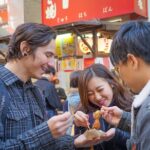
Osaka is the city that turns dinner into a game. This private, 3-hour tour puts you in Dotonbori and Namba street scenes with a local foodie who adjusts the stops to your tastes. I like the way you get real conversation with a person who eats this way every day, not just a list of dishes on a clipboard.
I also like the built-in structure: you’ll sample 6–8 street-food favorites (like takoyaki and okonomiyaki) plus two local drinks, and you can steer the route using a short questionnaire. One possible drawback to keep in mind: because your host builds a flexible route, the “street food” vibe can lean more cart/stall or more small eateries depending on your guide and your preferences—so it helps to be clear about what you want.
In This Review
- Key things that make this tour work
- Osaka’s street-food shortcut through Dotonbori and Namba
- Matching with a local foodie: how personalization affects what you eat
- Price and value: what $169 buys in a 3-hour private tour
- What 6–8 Osakan street-food tastings feels like
- Dotonbori first: neon lanes, hot plates, and the Osaka lineup
- Namba lantern alleys: where “street” feels more personal
- Drinks, pacing, and walking: the practical side you should plan for
- The hidden value: learning the stories, not just collecting names
- How to get the best version of this tour
- Who should book this street-food evening
- Should you book it or DIY Osaka snacks instead?
- FAQ
- How long is the Osaka street food tour?
- Is this a private tour?
- How many dishes will I taste?
- Are drinks included?
- Where does the tour meet if pickup is not arranged?
- Is the tour mostly walking?
- What languages are offered?
- What is the cancellation policy?
Key things that make this tour work
- Local-foodie matching: your host is picked based on your tastes and personality, not a generic script
- A flexible route: you can aim for adventurous or easygoing eating during the planning stage
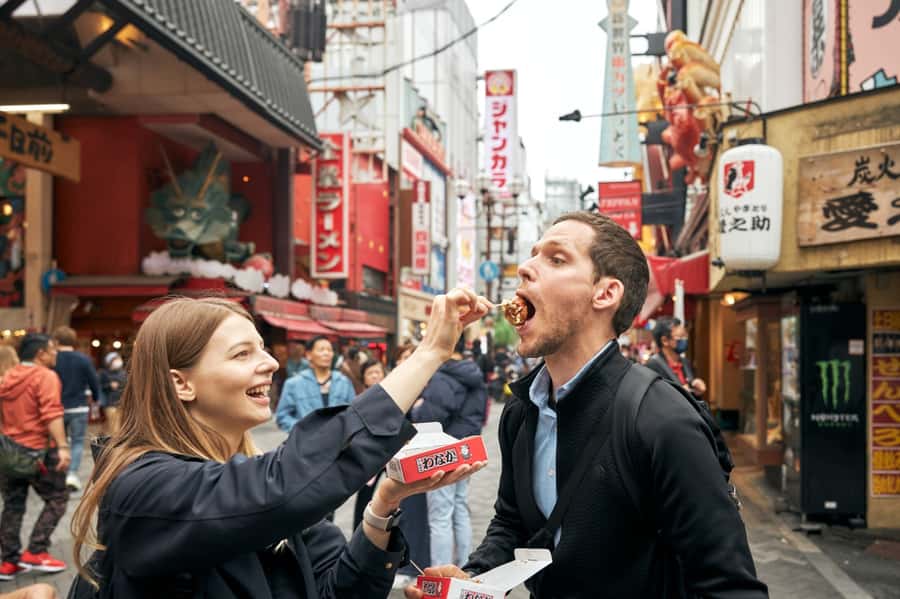
- Real street settings: you walk through lantern-lit areas and neon-lit lanes, not a museum loop
- 6–8 tastings: enough variety to learn Osaka favorites without packing in too much
- Dotonbori + Namba in one go: you cover both the famous and the side-street feel of Osaka
Osaka’s street-food shortcut through Dotonbori and Namba
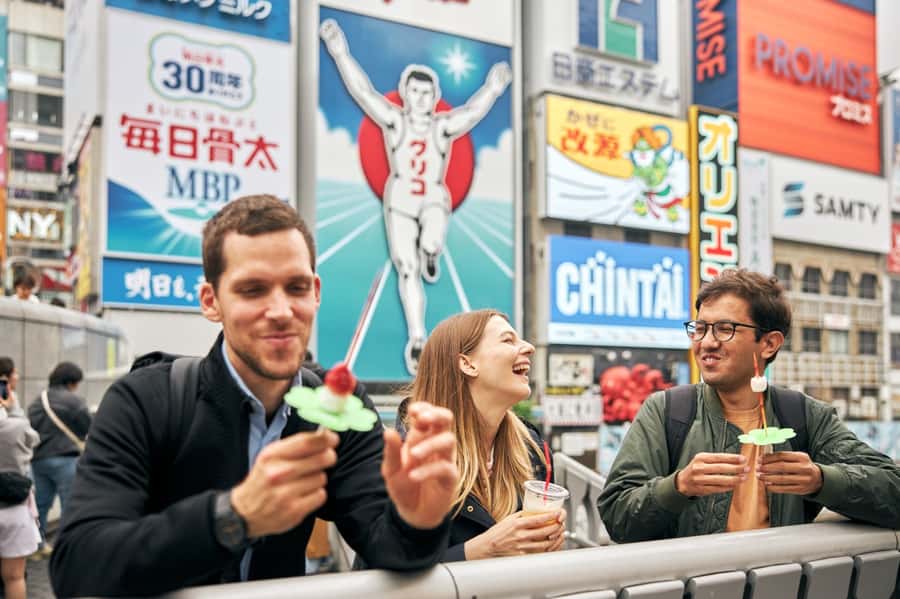
If you’ve ever stood in a line for street snacks in Japan, you already know the magic: food here is fast, loud, and meant to be eaten outside. Osaka takes that idea and dials it up. The best part of this tour is that it does not treat street food like a checklist. It treats it like a neighborhood rhythm.
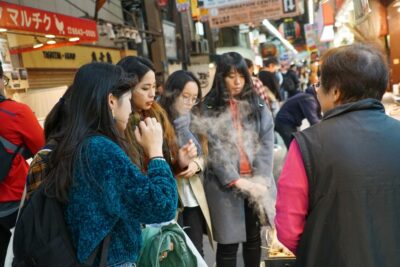
You spend your time where people actually go for quick meals and snacks—first around Dotonbori, then toward Namba’s lantern-lined alley atmosphere. That matters because Osaka street food is not just about flavor. It is also about setting: the steam from hot plates, the sizzle at a counter, and the way stalls cluster around foot traffic.
The tour is also private, which changes everything. You move at your pace, you can ask questions as you go, and you are not forced into a group schedule that ignores your food comfort level. Even in a city as food-obsessed as Osaka, a personal host can make the difference between eating “stuff” and learning what makes Osaka Osaka.
You can also read our reviews of more food & drink experiences in Osaka
Matching with a local foodie: how personalization affects what you eat
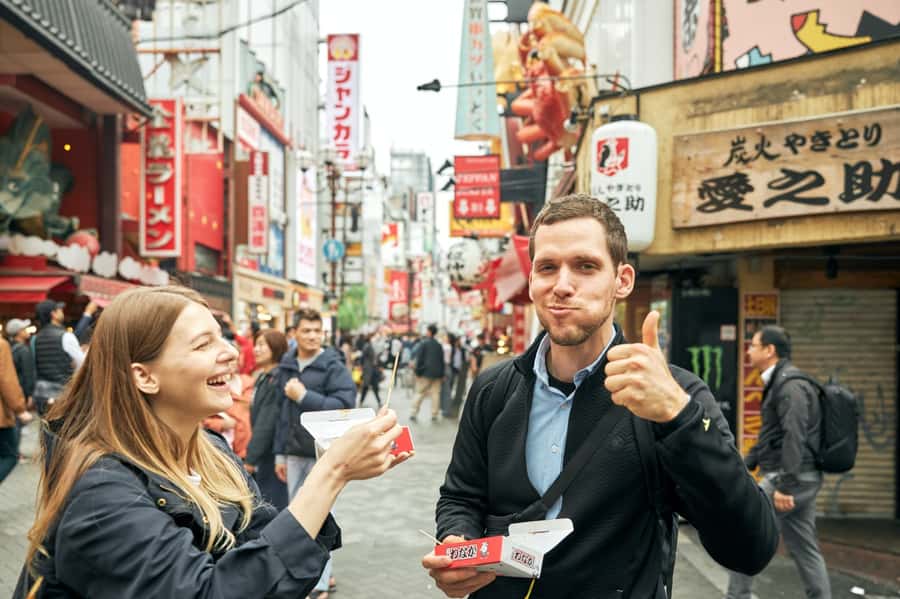
After you book, you fill out a questionnaire so the company can match you with a local host based on your tastes and personality. Then your host reaches out to shape the itinerary around what you want to experience.
That customization shows up in two practical ways:
First, it helps decide the type of food you get. The tour can include classics like takoyaki, okonomiyaki, oden, and more, and your route can flex toward your comfort zone. One guide example that stands out from real experiences: Lay is described as knowing the area well and giving strong restaurant and food recommendations, plus sharing perspective from living in Japan as an ex-pat. That kind of context can turn a bite into a story you remember.
Second, personalization can influence how adventurous the stops feel. There is an important signal in the available feedback: at least one group noted that the guide respected they were not too adventurous, and they still came away with a clear sense of Osaka specialties. That is exactly what you want—structure plus flexibility.
A gentle caution: this tour is not just a “walk and eat” format. You are talking with your host, and the quality of the experience depends on that back-and-forth. If you have strong preferences (no seafood, no spicy, prefer crispy over brothy), say so early and clearly.
Price and value: what $169 buys in a 3-hour private tour
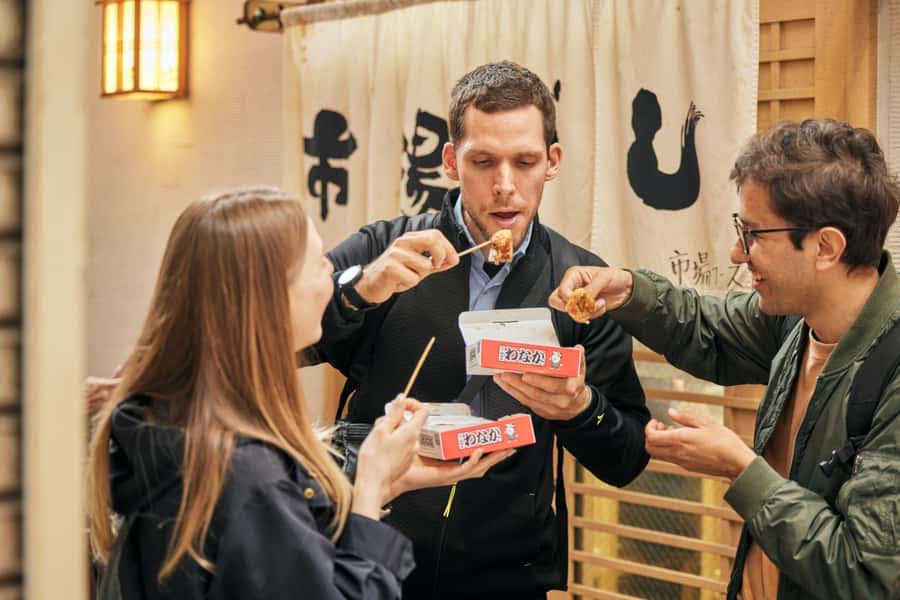
At $169 per person for 3 hours, you are paying for several things at once: a matched private host, guided selection, and meal-style tastings rather than a single snack.
If you do the math across the 6–8 tastings, you are roughly landing in the neighborhood of $21–$28 per tasting, before factoring in drinks and host time. That might sound high if you compare it to buying street snacks on your own. But street snacks can also add up fast—especially if you try to sample widely while also navigating language barriers, menus, and long lines.
What you are really buying is efficiency and decision-making help:
- someone else selects what fits your tastes,
- you get guidance on what you are eating and why it matters, and
- you get insider recommendations for the rest of your Osaka stay.
Also, the tour includes two local drinks, alcoholic or soft depending on your preference. That is not a small detail. Drinks in Japan can feel like a bonus at the end of a day, so having them part of the plan makes the whole experience feel more like a guided “evening out” than a quick tasting.
What 6–8 Osakan street-food tastings feels like
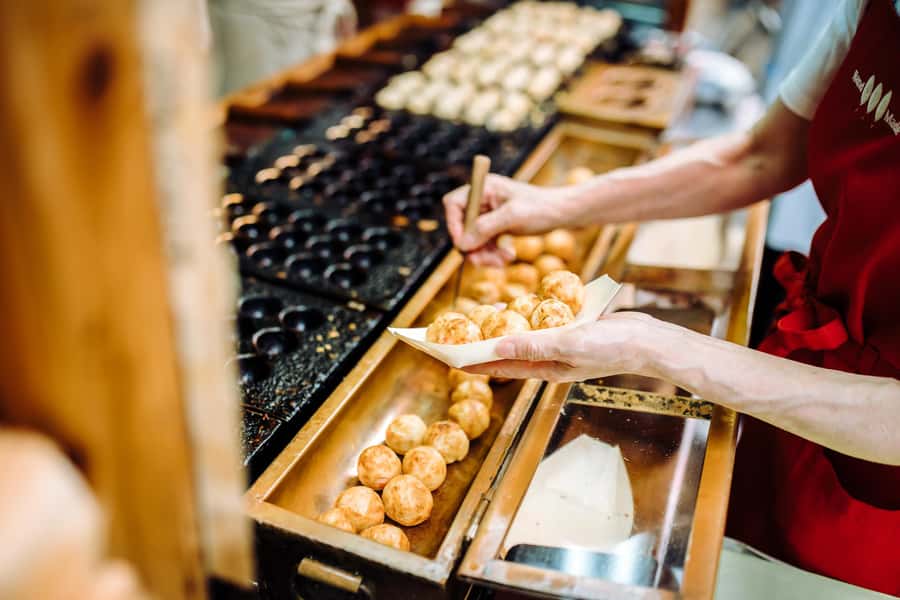
Street food tours can go two ways: either they overload you with too much food, or they skim the surface and leave you hungry for real flavors. This one aims for the middle, with 6–8 iconic dishes.
The emphasis on classics is useful for first-timers. You get a fast education in Osaka’s signature cravings, and you also learn how the city’s flavors developed. The tour is designed around the idea that the stories behind a dish are part of the meal.
Here are the types of flavors you can expect from the dishes mentioned in the tour description:
- Takoyaki: crispy-edged batter with savory fillings, often eaten hot and fast
- Okonomiyaki: a savory pancake/griddle style that feels like comfort food with street-food attitude
- Oden: warm, brothy comfort that can slow the pace down just enough to reset you
- Yakisoba: smoky, saucy noodles that match Osaka’s love of bold seasoning
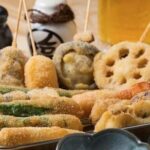
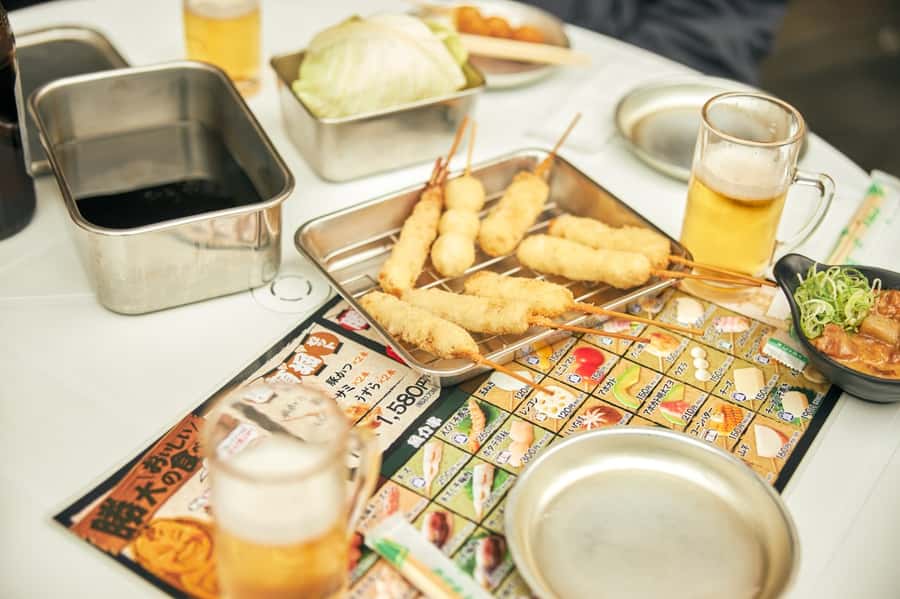
- Kushikatsu: skewers with a crunchy coating that pushes the “one more bite” impulse
Your host chooses the final set based on your preferences. That is smart, because Osaka has plenty of food, and not everyone wants the same textures. If you are more cautious, you can still get variety without forcing yourself into flavors you will not enjoy.
Two more practical notes. First, you get direct communication with your host for itinerary planning and local recommendations. That’s what helps you turn the tasting tour into better self-guided eating afterward. Second, the tour includes only the specified tastings and two drinks, so if you want extra pours or more desserts, you will need to budget for those separately.
Dotonbori first: neon lanes, hot plates, and the Osaka lineup
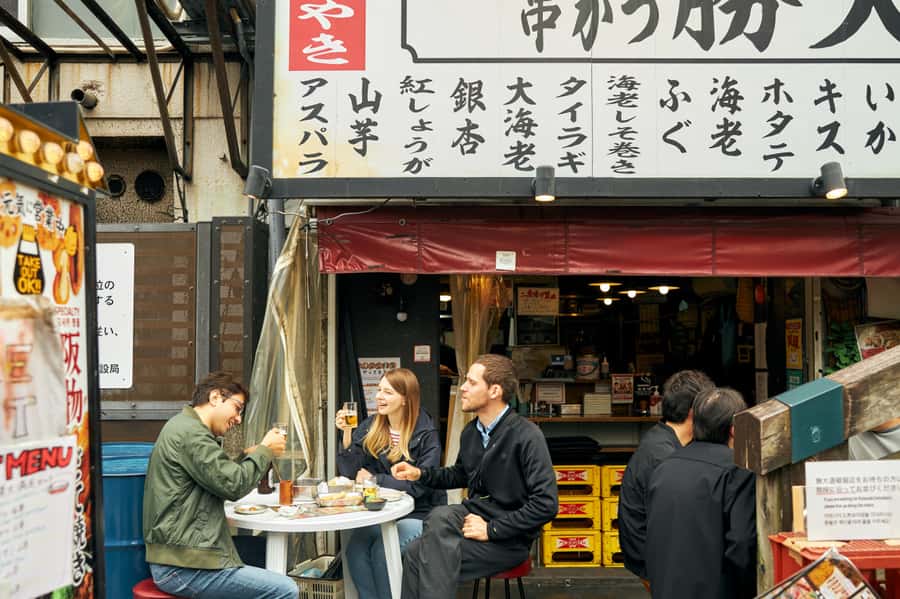
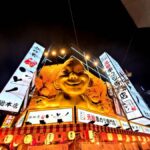
Dotonbori is one of those places where the city seems to eat out loud. Bright signage, intense foot traffic, and a lot of snack energy in a small radius. Starting here makes sense because it quickly orients you: you see the food culture in action and you get your first hits of Osaka comfort flavors.
In practice, Dotonbori is where you can catch the vibe of how Osaka street food moves:
- small stops with quick service,
- snacks that are meant to be eaten on the move or at a very short pause,
- and flavors that show up fast so you can keep walking and tasting.
This tour’s Dotonbori time typically connects to iconic items like takoyaki and okonomiyaki, and it is set up so you learn the cultural roots as you eat. That matters because Osaka’s food identity is not just “it tastes good.” It is also about the city’s approach to everyday meals: satisfying, social, and a little dramatic in presentation.
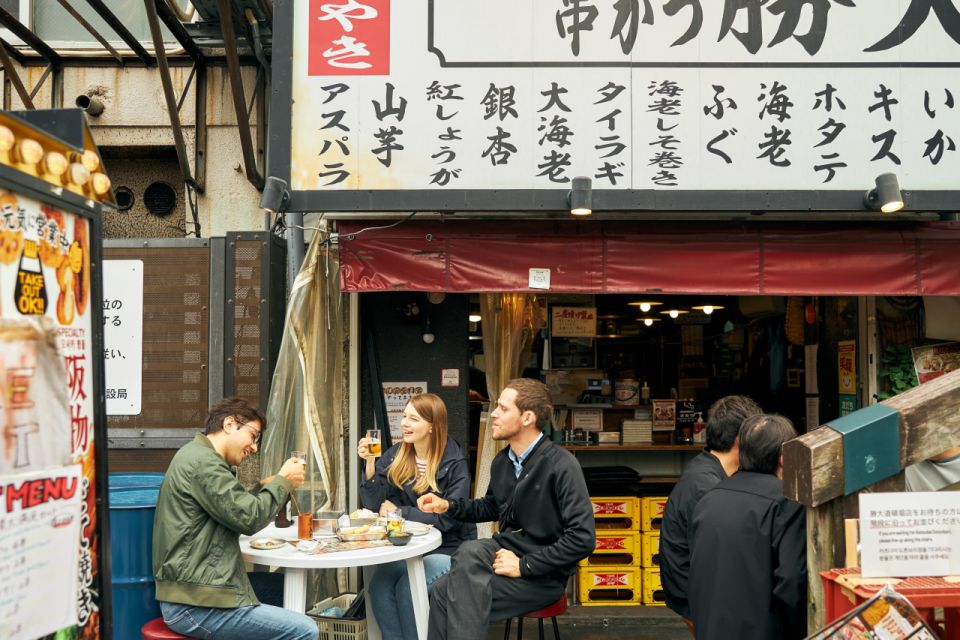
One caution based on the range of outcomes in real life: some people expect pure street carts and stalls the entire time. If that is your expectation, do not be shy about clarifying your definition of street food during planning. Your host may include small eateries along the way, especially if that helps you eat comfortably and efficiently. If you want only cart-style snacks, say so early.
You can also read our reviews of more tours and experiences in Osaka

Namba lantern alleys: where “street” feels more personal
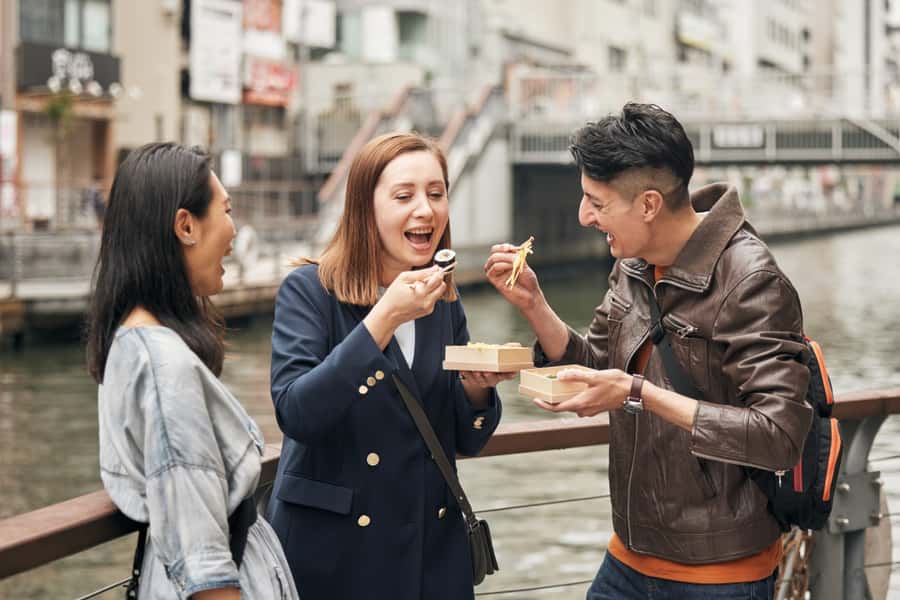
After Dotonbori, the tour shifts the mood. You move toward Namba’s lantern-lit alleys—narrower, more intimate, and usually more about atmosphere than neon spectacle. This is where street food can feel like a local habit rather than a tourist attraction.
That change of setting helps your tasting experience, too. When you switch neighborhoods, you naturally notice different textures and pacing. You might slow down long enough to really taste something like oden, which fits the alley vibe: warm, savory, and easy to linger with for a few minutes.
Namba is also a strong place for “insider foodie tips” to land. After a couple of tastings, you start to understand what you like. Then your host can point you toward the kinds of places that match your preferences for the rest of your trip—whether that is where to go next for a second round of crispy bites or where to stop for something calmer.
If you are a bit nervous about ordering in Japan, this portion of the tour can feel especially helpful. Your host is handling the timing and the selection, so you do not have to spend mental energy decoding menus while hungry and distracted.
Drinks, pacing, and walking: the practical side you should plan for
This is primarily a walking experience, and you should plan for that. There is no private vehicle included. Public transport or local taxis may be used between sites, and exact costs can be discussed with your host after the reservation is finalized. If you want the smoothest day, wear comfortable walking shoes—you will thank yourself later.
The tour includes two local drinks (alcoholic or soft, based on your preference). This is a nice way to make the tastings feel like a complete evening meal, not just snack sampling. It also helps you keep energy steady while you walk and eat in quick succession.
Pacing is private, so you can usually slow down when you want to. The tour is 3 hours, which is long enough to get variety but not so long that you feel like you are chewing through a marathon. Still, street food has a way of piling up—so treat the tastings as the main event and keep room for water.
Wheelchair accessibility is supported, but since the tour is walking-based, you should ask your host what the route will look like for your specific needs.
The hidden value: learning the stories, not just collecting names
Osaka street food has a way of making you curious. Why does it taste the way it does? Why does one dish dominate a neighborhood? Why do people eat it with certain sauces or in certain rhythms?
A big part of the value here is that you are not just handed food. Your host explains the origins of Osaka’s most famous flavors and food culture as you eat. Even if you are not a “history person,” those small explanations help you remember what you ate and why it is part of the city.
This is also where the host’s personality matters. When a guide is engaging and communicates clearly, you feel like you are chatting with someone who genuinely lives the food culture. In one example, a guide’s English clarity came up as a concern for a booking, so it is worth noting: this tour is offered in English and Japanese, but like any human-led experience, communication can vary by host. If language clarity is crucial for you, flag it in your questionnaire so expectations are aligned.
How to get the best version of this tour
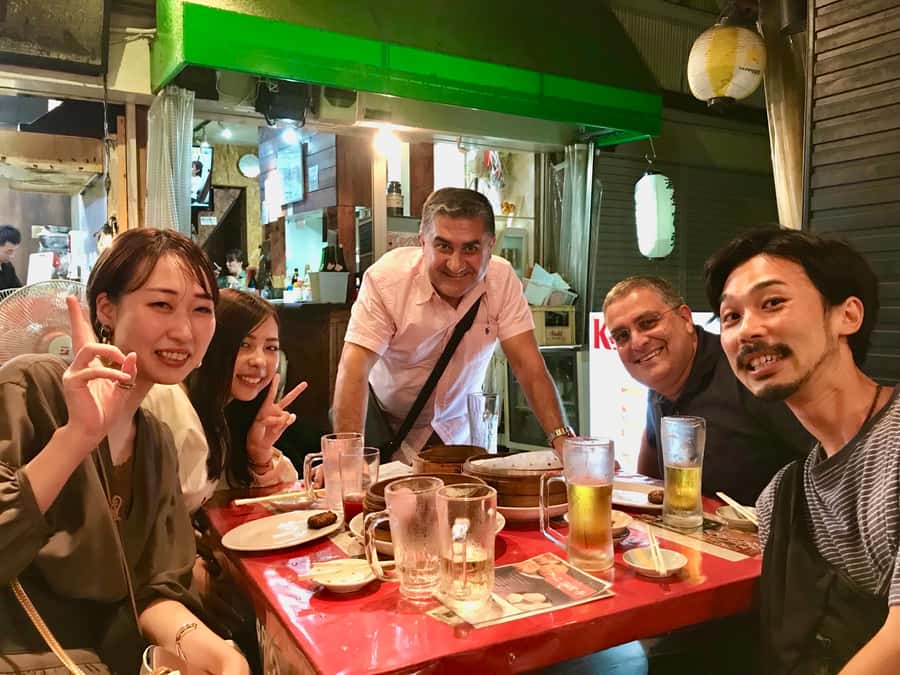
You can steer this tour toward the experience you actually want. Here’s what I recommend you do before you meet your host:
- Be specific about your taste preferences in the questionnaire (especially if you have spice, seafood, or texture limits).
- Tell them what you consider street food: carts only, or small eateries included.
- Mention your must-dos in Osaka, so the route supports your overall schedule.
- Plan for walking time and comfortable shoes, since this is not a ride-between-stops tour.
Also, once you get your host, use the direct communication to ask for the rest of your stay. The tour is designed to leave you with an authentic shortlist, and that is where you can turn 3 hours into multiple delicious days.
Who should book this street-food evening
This tour is a great fit if you want:
- a private food experience with a local host,
- a solid intro to Osaka’s best-known street eats without trial-and-error,
- conversation and explanations while you eat,
- and a practical list of where to go next.
It may not be the best fit if:
- you only want cart-and-stall street food with zero exceptions,
- you dislike sitting at small eateries that are still part of local life,
- or you expect a single, rigid itinerary where every stop is guaranteed to match your personal wishlist.
Should you book it or DIY Osaka snacks instead?
My take: book it if you value guidance, variety, and the chance to eat smarter on day one or during a short trip. The price can feel steep until you count the combination of private host time, 6–8 tastings, and two drinks—plus the advantage of having someone help you understand what you are eating.
DIY can work if you already know Osaka well and you are comfortable ordering from menus and choosing stalls confidently. But if you want Osaka’s street-food culture with less stress and more context, this tour is a strong way to start.
If you do book, give your host clear guidance on what you mean by street food and what you want to prioritize. That one step helps you land closer to the version of the tour that feels like pure Osaka street life.
FAQ
How long is the Osaka street food tour?
It lasts 3 hours.
Is this a private tour?
Yes, it is a private group tour with a local host.
How many dishes will I taste?
You will taste 6–8 street food dishes selected based on your preferences.
Are drinks included?
Yes. The tour includes two local drinks, either alcoholic or soft drinks based on your preference.
Where does the tour meet if pickup is not arranged?
If you do not get central hotel pickup on foot, the meeting point is Starbucks Coffee – Tsutaya Ebisubashi (1 Chome-8-19 Dotonbori, Chuo Ward, Osaka, 542-0071).
Is the tour mostly walking?
Yes. It is primarily a walking experience, and public transport or taxis may be used between sites with your host’s help.
What languages are offered?
The tour guide is available in English and Japanese.
What is the cancellation policy?
You can cancel up to 24 hours in advance for a full refund.