REVIEW · OSAKA
Osaka Traditional Performing Arts Heritage Night
Book on GetYourGuide →Operated by Yamamoto Noh Theater · Bookable on GetYourGuide
Want a fast tour of Japan’s stage arts? This Osaka Heritage Night strings together Noh, Kyogen, Bunraku, Rakugo and more, with clear English support so you can follow what’s happening. I love the hands-on Noh stage moment that makes you part of the show. I also love that every segment comes with explanations and materials, so it feels educational instead of mysterious.
One catch: photography and video recording are not allowed inside. That means you’ll enjoy the performance with your eyes only, not your phone.
You’ll spend about two hours inside Yamamoto Noh Theater in Osaka, watching short performances, then leaning into the traditions with guidance in English and Japanese.
In This Review
- Key takeaways before you go
- Why this Osaka Heritage Night is a smart first look at traditional theater
- Inside Yamamoto Noh Theater: what the 2-hour format feels like
- Noh and Kyogen: how the show teaches you to watch the acting
- The Bunraku, Rakugo, and other storytelling arts: variety that actually builds understanding
- Hands-on participation: the white-sock Noh stage moment
- Multilingual explanations and subtitles: the difference between watching and learning
- What performances and traditions you’ll likely see
- Rules, age limits, and keeping expectations realistic
- Value for $32: what you’re really paying for
- Who should book this Osaka show (and who might pass)
- Should you book Osaka Traditional Performing Arts Heritage Night?
- FAQ
- How long is the Osaka Traditional Performing Arts Heritage Night?
- What performances are included?
- Is photography or video recording allowed during the show?
- Are subtitles or explanations available for non-Japanese speakers?
- Is the experience suitable for children?
- Can I attend if I use a wheelchair?
- How flexible is the booking?
Key takeaways before you go
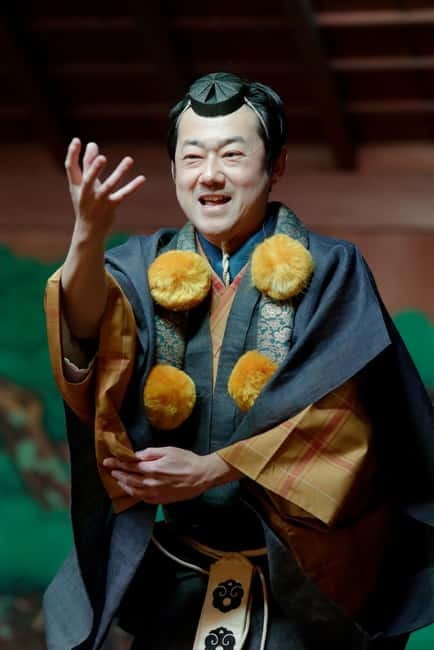
- Omnibus program: multiple traditional forms in one night, not just one show
- English support: multilingual explanations, subtitles, and printed materials
- Audience participation: a couple of people wear white socks and try something on the Noh stage
- Short, varied segments: Noh, Kyogen, Bunraku, Rakugo, and more keep the pace moving
- Beginner-friendly: you don’t need prior knowledge to enjoy it
- Rules inside the theater: no video recording, no photography
Why this Osaka Heritage Night is a smart first look at traditional theater
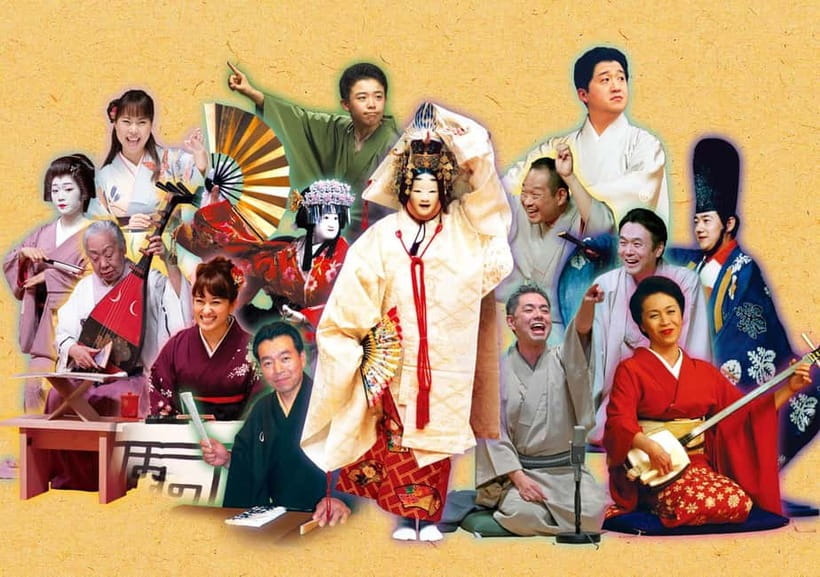
If your Japan trip goal is culture, not just sightseeing, this is a very efficient way to do it. Instead of picking one niche art form and hoping you “get it,” you watch several. That helps you catch patterns in Japanese performance: pacing, rhythm, voice, gesture, and the way humor and solemnity can sit next to each other.
What I like best is that the show doesn’t assume you already know the codes. You get multilingual explanations and subtitles, plus materials that help you connect what you’re seeing to what it means. That’s the difference between watching a performance and understanding how it works.
The other reason this works is the mixture. You’ll see slow, stylized forms like Noh, then jump to more playful storytelling like Rakugo. You’re not waiting around for one mood to end—you’re sampling the toolbox.
You can also read our reviews of more historical tours in Osaka
Inside Yamamoto Noh Theater: what the 2-hour format feels like
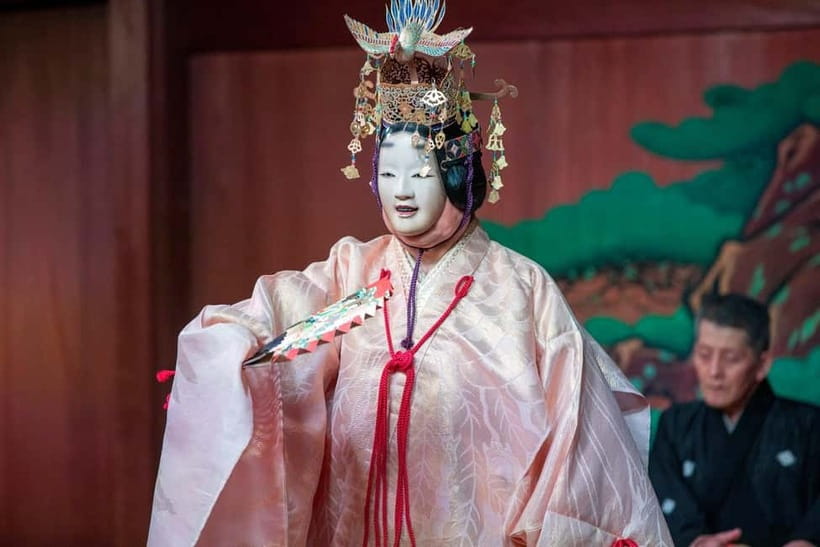
This experience runs about two hours, which is just enough time to cover a lot without exhausting your attention. Traditional performing arts can take time to tune your ears and eyes to. A shorter format keeps you engaged while you learn the basics of how to watch.
Yamamoto Noh Theater is the setting for the evening, and it’s designed for this kind of performance style. Expect a theater setting where the performers’ presence matters—your job is to watch closely, not wander.
You also have an advantage if you’re traveling with mobility needs: the experience is listed as wheelchair accessible. If you’re bringing a chair or mobility device, plan for normal theater seating flow, but you should be able to attend.
Noh and Kyogen: how the show teaches you to watch the acting
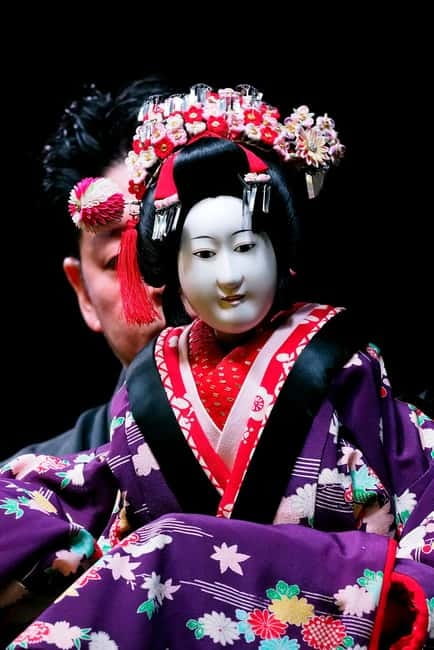
The night includes Noh and Kyogen, two theater styles that sit close together historically but feel different in practice. Noh is known for its deliberate movement and formal tone. Kyogen tends to be lighter and more comic, with a different kind of timing.
In this omnibus format, you don’t just get a performance clip—you get framing. The show provides explanations before segments, so you know what to look for. That matters because in Noh, small gestures can carry big meaning, and if you miss the meaning, the performance can feel slow instead of precise.
Here’s the practical takeaway for you: watch the rhythm first. Then watch how characters move through space. With the guidance and subtitles on screen, you’ll start recognizing what the performance is doing, even if you don’t speak Japanese yet.
The Bunraku, Rakugo, and other storytelling arts: variety that actually builds understanding
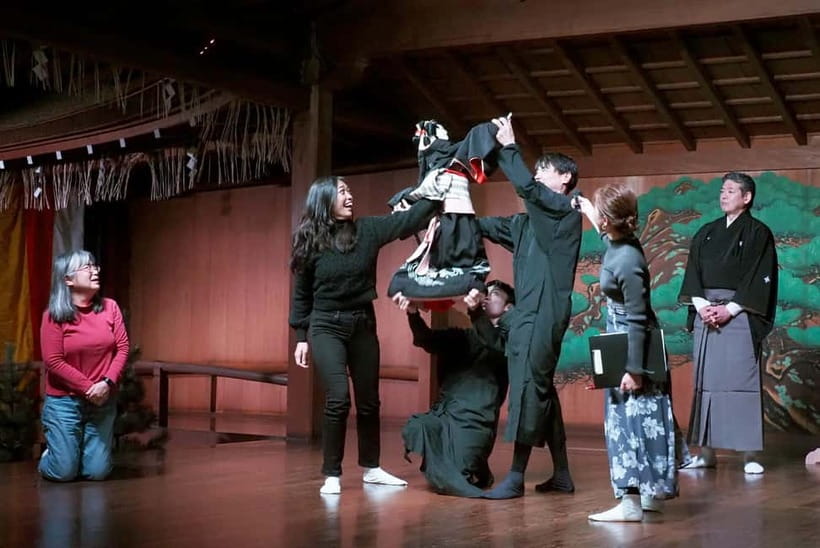
One of the most enjoyable things about this night is that it’s not just “one traditional thing.” You’ll see Bunraku and Rakugo as part of the program, along with additional Osaka and Japanese performance traditions.
Bunraku is a form that blends voice and movement. It’s the kind of art where you notice how narration shapes emotion. Rakugo, on the other hand, is built around storytelling and punchlines, where the timing of speech and the shifts in character are the whole point. When you watch both in a single evening, you can feel the range: same cultural roots, different performance engines.
You may also see other listed forms including Rokyoku, Kodan, Kamigata Mai, Gagaku, Onna Doraku, and Chikuzen Biwa. Even if each one is new to you, having them in one show helps you do something useful: compare how each tradition uses voice, gesture, instrument, or movement to communicate.
My advice: don’t try to “master” each form. Instead, pick one question while you watch, like: Who is telling the story? How do they signal mood? Then let each segment answer it in its own way.
Hands-on participation: the white-sock Noh stage moment
This is the part that makes the show feel alive. The experience includes a hands-on element where a couple of audience members wear white socks and go up to the Noh stage.
That moment is more than a novelty. It’s a fast way to understand how physical the performance is—even when the style looks formal. You’ll see that Noh-style movement involves control and intention. And you get to experience that closeness to the stage rather than only watching from your seat.
Important practical note: the show does not allow video recording or photography inside, so your “souvenir” is your memory and what you learn in the moment. If you’re someone who likes to capture everything, plan on relying on notes after.
You can also read our reviews of more evening experiences in Osaka






Multilingual explanations and subtitles: the difference between watching and learning
This is a major value point. The program includes multilingual explanations, subtitles, and materials designed for foreign visitors. The host or greeter is listed as English and Japanese, so you’re not stuck when you have questions or need help orienting yourself.
What that support does for you is simple: it keeps the experience from becoming a wall of sounds. Traditional performing arts can be mesmerizing, but without context, you can miss why the performer is doing what they’re doing.
With the subtitles and materials in the mix, you can follow along through multiple segments. And because the show is structured as an omnibus program, you benefit from “mini teaching moments” that repeat. Each time a new art form starts, you get enough guidance to stay oriented.
If you’ve ever had a cultural show where you felt like you were guessing the whole time, this is the antidote: you’re still surprised, but you’re not confused.
What performances and traditions you’ll likely see
The program is built as a highlight bundle of Osaka and Japanese traditional arts. Based on the listed content, you can expect to encounter a variety of these forms:
- Noh (and an audience-stage participation moment)
- Kyogen
- Bunraku
- Rakugo
- Rokyoku
- Kodan
- Kamigata Mai
- Gagaku
- Onna Doraku
- Chikuzen Biwa
Even if you don’t know the names, you’ll get a guided sense of what each one is doing. The show’s structure matters here: you’re not dumped into one unfamiliar tradition for the full two hours. Instead, you rotate through styles, which is easier on first-timers.
Rules, age limits, and keeping expectations realistic
The evening has clear rules: no video recording and no photography inside. If you rely on your phone for “proof” or memories, you’ll need a different plan—write down what you learn, and take notes about what each art form felt like.
It also isn’t listed as suitable for children under 7. If you’re bringing kids, consider whether they can sit through a performance-heavy evening with explanations and no screen distractions. The show is designed to welcome beginners, but it’s still a theater experience.
Finally, because it’s a performance with multiple segments, expect an active schedule inside the show. You’ll stay focused because the content changes often, but you shouldn’t plan this as a casual “wander and snack” stop.
Value for $32: what you’re really paying for
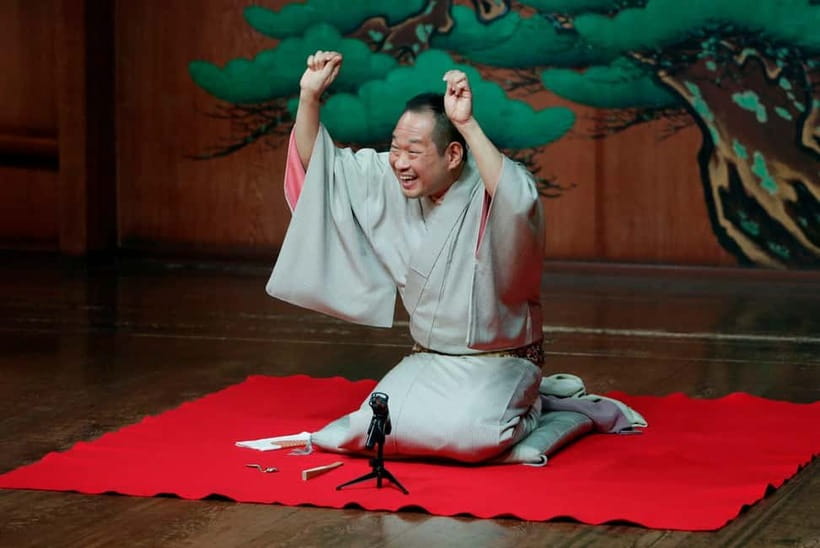
At $32 per person for a two-hour experience, the value comes from the range and the support. You’re getting multiple major traditional art forms in one night, plus hands-on participation. You’re also getting explanations, subtitles, and materials in English and Japanese, which is often the missing piece in cultural shows.
Think of the price as paying for three things at once:
- access to a theater program (not just a lecture)
- structured variety across several performance traditions
- the translation layer that helps you enjoy it instead of just tolerate it
If you’ve been on the fence about whether traditional arts are “worth it” for non-Japanese speakers, this is the kind of ticket that turns learning into an experience you can actually enjoy in real time.
Who should book this Osaka show (and who might pass)
This is a strong fit for:
- you if you want a quick, guided introduction to Japanese traditional performing arts in Osaka
- you if you like variety and want to see several forms without doing separate tickets
- you if you’re traveling with teens or adults who can sit through a performance but want it explained
- you if you appreciate hands-on moments and like when culture isn’t just passive
You might think twice if:
- you strongly want to take photos or record video during the show (that’s not allowed)
- you’re traveling with younger children who may not handle a performance format and rules
- you prefer very long, single-focus programs instead of an omnibus bundle
Should you book Osaka Traditional Performing Arts Heritage Night?
If you want a one-night snapshot of Japanese traditional stage arts with translation support, I’d book it. The combination of Noh, Kyogen, Bunraku, Rakugo, and other listed forms gives you breadth, and the multilingual explanations and subtitles keep you grounded. Add the white-sock audience stage moment, and you get something more memorable than a standard sit-and-watch show.
It’s especially worth booking if you’re in Osaka for a short time and you want a cultural experience that teaches you how to watch, not just what to watch.
FAQ
How long is the Osaka Traditional Performing Arts Heritage Night?
It lasts about 2 hours.
What performances are included?
The program highlights multiple traditional performing arts, including Noh, Kyogen, Bunraku, Rakugo, Rokyoku, Kodan, Kamigata Mai, Gagaku, Onna Doraku, and Chikuzen Biwa.
Is photography or video recording allowed during the show?
No. Video recording and photography inside are not allowed.
Are subtitles or explanations available for non-Japanese speakers?
Yes. The show includes multilingual explanations, subtitles, and materials, and the host or greeter is listed as English and Japanese.
Is the experience suitable for children?
It is not suitable for children under 7.
Can I attend if I use a wheelchair?
Yes. The experience is listed as wheelchair accessible.
How flexible is the booking?
You can reserve now and pay later, and free cancellation is available up to 24 hours in advance for a full refund.