REVIEW · NAMBA
Kyoto Highlights Eastern Western Northern and Southern Routes
Book on Viator →Operated by OrigamiGo · Bookable on Viator
Kyoto in one smooth, guided loop. This private tour strings together Kyoto’s most famous sights—UNESCO temples, classic neighborhoods, and major photo stops—while still leaving room for calmer moments like a tea ceremony and stories tied to samurai-era Kyoto. I like how efficiently it covers multiple sides of the city in one day, and I really enjoy the mix of dramatic views plus quiet Zen atmosphere. One consideration: the stops are timed (often around 40–60 minutes), so you’ll want to be ready to move on when the crowd and the clock show up.
The value here comes from the fact that it’s built for small groups (up to 2) with private transportation from Namba, plus fuel and parking fees handled. You’ll also use a mobile ticket, which cuts down on hassle when you’re hopping between sites. If you’re set on a super slow, sit-and-stay style day with zero time pressure, this route may feel a bit structured.
In This Review
- Key Things You’ll Love About This Kyoto Highlights Tour
- Why This Kyoto “Highlights” Route Works Better Than a Loose Plan
- Price and Logistics: What $325.76 Covers (and What It Doesn’t)
- Starting at Namba Station: Private Ride, Mobile Ticket, Simple Flow
- East Kyoto: Kiyomizu Views and Gion’s Slow Streets
- Stop 1: Kiyomizu-dera for panoramic Kyoto
- Stop 2: Gion for machiya streets and teahouse atmosphere
- North Kyoto Calm: Kyoto Gyoen and Ryoanji’s Minimal Rock Garden
- Stop 3: Kyoto Gyoen for imperial-era gardens
- Stop 4: Ryoanji for the rock garden that forces you to look
- West Kyoto Elegance: Kinkaku-ji and Ginkaku-ji Side by Side
- Stop 5: Kinkaku-ji (the gold temple) and pond reflections
- Stop 6: Ginkaku-ji for quiet gardens and tea culture vibes
- South Kyoto Icons: Fushimi Inari and Nanzen-ji’s Tsutenkyo Bridge
- Stop 7: Fushimi Inari for the torii tunnel
- Stop 8: Honmachi and the Tsutenkyo Bridge moment
- The Signature Moments: Tea Ceremony and Samurai Story Context
- How the Guide Style Helps Couples and Solo Visitors
- Weather, Crowds, and Time: Practical Tips That Make the Day Easier
- Should You Book This Kyoto Highlights Tour?
- FAQ
- How long is the Kyoto highlights tour?
- Is pickup included, and where do we meet?
- Is this a private tour or a shared group?
- Are admission tickets included for the stops?
- What does the price cover?
- What happens if the weather is bad?
- What is the cancellation policy?
Key Things You’ll Love About This Kyoto Highlights Tour
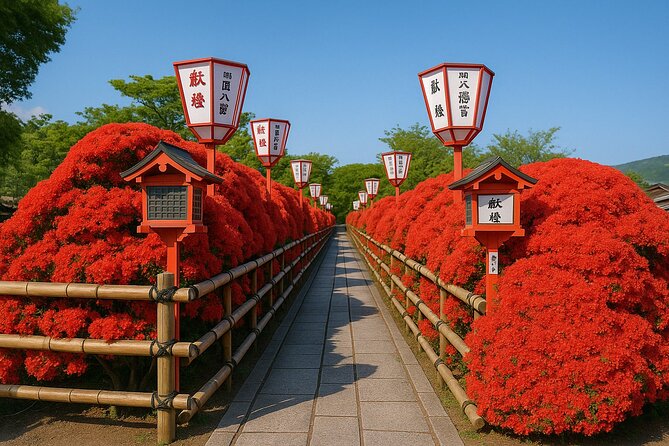
- A “best-of” route that still feels organized, pulling together east, north, and west Kyoto in one pass
- Zen temples with iconic gardens, including a rock garden stop that’s famous for a reason
- Gion time that’s short but atmospheric, with classic machiya-style streets and teahouse vibes
- Fushimi Inari and its torii tunnel, timed for the best balance of views and crowd control
- Kinkaku-ji and Ginkaku-ji in the same day, so you can compare gold-leaf and silver-scented elegance
- A private, friendly guide style, especially helpful for solo visitors who want conversation without pressure
Why This Kyoto “Highlights” Route Works Better Than a Loose Plan
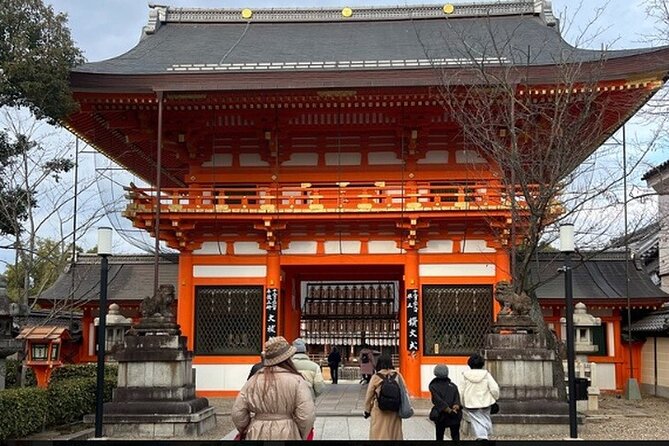
Kyoto can feel like a puzzle when you try to DIY it. The city spreads out, the walking adds up, and you end up making compromises like skipping one side of town or arriving at your main temple after the best light. This tour fixes that by building a clear loop that touches the big “must-see” anchors across the city: towering temple viewpoints, geisha-era streets, Zen gardens, and shrine paths.
What I like most is the balance. You get places that reward a quick glance (doorway details, pond reflections, torii patterns) and places that reward a pause (minimalist rock garden composition, temple garden pacing). It’s also practical for people based in Osaka, because the meeting point is right at Namba Station, and you go and come back there.
And since it’s private and customizable in the sense that your group controls the pace, it doesn’t feel like you’re being dragged through Kyoto like luggage. Reviews also point to a guide who helps create a relaxed, welcoming mood—great for couples looking for a calm day together, and good for solo visitors who want easy conversation without awkwardness.
You can also read our reviews of more tours and experiences in Namba.

Price and Logistics: What $325.76 Covers (and What It Doesn’t)
The headline number is $325.76 per group (up to 2). That can feel high until you look at what’s included: private transportation, fuel surcharge, and parking fees. In Kyoto, those costs are often the silent killer for DIY days, because taxis add up and trains plus transfers can eat your time.
Here’s the honest value math: if you’d otherwise pay for transit and time lost between far-flung sites, the private format starts to make sense fast. Plus, the itinerary runs long enough (listed as 8 to 14 hours) that minimizing transit friction matters.
What’s not included is also clear: lunch isn’t included, and landing and facility fees are not included. The good news is that the site list you’ll visit shows admission tickets free for each stop, so you’re mostly paying for the experience of getting there, not entry fees.
Starting at Namba Station: Private Ride, Mobile Ticket, Simple Flow
You meet at Namba Station in Osaka. The tour ends back at the meeting point, so you’re not stuck figuring out your return route when you’re tired and temples have started to blur together.
You’ll get a mobile ticket, and the day is supported with private transportation, so you’re not hunting down each location with a map app and a dead phone battery. The route also says it’s near public transportation, which matters because Kyoto days can go sideways if something changes—traffic, lines, or weather.
Two small but real considerations:
- This tour works best when the schedule stays on track, so plan to be on time at Namba.
- It requires good weather, so if weather turns, you’ll either be offered a different date or a full refund (details are in the FAQ).
East Kyoto: Kiyomizu Views and Gion’s Slow Streets
Stop 1: Kiyomizu-dera for panoramic Kyoto
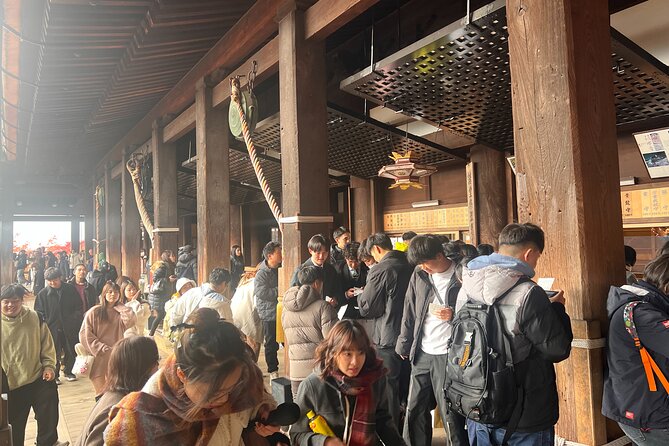
Kicking off with Kiyomizu-dera is smart because it gives you instant “map sense.” You look out over the city from a temple complex built for views, and suddenly Kyoto’s layout makes more sense. It’s also a UNESCO site, and you’ll notice the architectural style that keeps drawing people back: wooden structures, classic temple design, and the feeling that the whole area was built to support ceremony, not just tourism.
Time on this stop is about 45 minutes, with admission listed as free. That’s enough time to get one good viewpoint and a few close-up details without turning the stop into a whole day. If you’re chasing photos, aim to move early within your time window—viewpoints fill quickly when tour groups overlap.


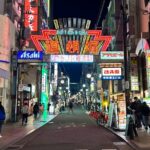
Stop 2: Gion for machiya streets and teahouse atmosphere
Then you move into Gion, Kyoto’s signature geisha district. This is less about a single “thing you must see” and more about atmosphere: historic machiya-style houses, narrow streets, and the sense that Kyoto’s older rhythms still run under the surface.
The stop is also about 45 minutes and admission is listed as free. That’s the right amount of time because Gion can be sensory overload if you try to spend hours. Here, you can stroll, pause at a few corners, and then let your guide point out what’s worth noticing—street patterns, traditional frontage, and how to move through without getting tangled in crowds.
A drawback to note: Gion is famous, so even with a guide’s pacing, you’ll likely deal with some density. The upside is that the stop is short, so you’re not stuck “waiting” for the crowd to thin.
North Kyoto Calm: Kyoto Gyoen and Ryoanji’s Minimal Rock Garden
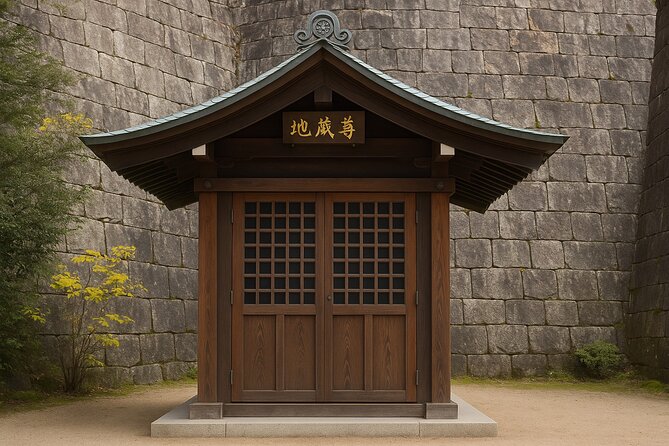
Stop 3: Kyoto Gyoen for imperial-era gardens
Next comes Kyoto Gyoen, a historic residence area tied to Japan’s Imperial Family. This stop is a tempo shift. Instead of the street buzz, you get gardens and traditional architecture, and the energy feels more “protected” and quiet.
At about 45 minutes with free admission listed, it’s a good break before the Zen stops get heavy. If you’ve been walking Kyoto all morning, this is where you reset your senses.
Stop 4: Ryoanji for the rock garden that forces you to look
Then comes Ryoanji, a UNESCO Zen temple famous for its minimalist rock garden. This is the stop where you can feel the power of restraint. The garden is designed to make you look closely—and to keep noticing new arrangements as your viewing angle changes.
You get about 45 minutes here, which is plenty if you use the time well: don’t just take a photo and rush. Look from a few angles. Watch where your attention naturally lands. A good guide helps too, because Zen gardens are built for interpretation, not checklists.
Potential consideration: this stop is popular for a reason, so if you prefer solitary spaces, you’ll want to be mindful of how you time your viewing within the allotted window.
West Kyoto Elegance: Kinkaku-ji and Ginkaku-ji Side by Side
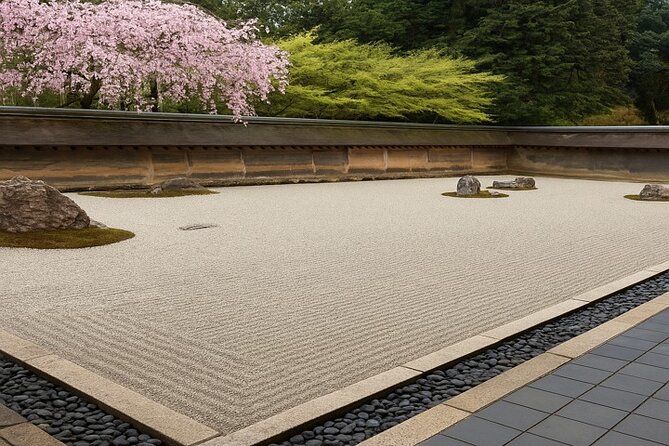
Stop 5: Kinkaku-ji (the gold temple) and pond reflections
Then you hit Kinkaku-ji, the Zen temple covered in gold leaf. This is the “wow” stop, and it delivers. The big draw is how the gold and the surrounding pond reflections change with your position and the light. You don’t need a long lecture to enjoy it; you can just watch how the scene behaves like a mirror.
Time is about 45 minutes and admission is listed as free. That works because you’re not trying to spend half a day in one spot. You’ll get your photos, your reflection moment, and then still have time to see the next temple without turning the whole day into a single highlight contest.
Stop 6: Ginkaku-ji for quiet gardens and tea culture vibes
After gold comes Ginkaku-ji, the celebrated Zen temple tied to beautiful gardens and traditional tea culture. If Kinkaku-ji grabs you with shine, Ginkaku-ji tends to grab you with calm. It’s the sort of place where even when people are around, the mood stays gentle.
This stop is listed around 40 minutes with free admission. Again, it’s timed well. You can enjoy the garden feel, take in the architectural atmosphere, and not lose your energy before the next major shrine.
One practical point: temple interiors and viewing areas can be different depending on maintenance, lines, and weather. Since the tour is private, your guide can help you make the best of the exact conditions you encounter.
South Kyoto Icons: Fushimi Inari and Nanzen-ji’s Tsutenkyo Bridge

Stop 7: Fushimi Inari for the torii tunnel
Next is Fushimi Inari, the shrine famous for thousands of red torii gates winding up a mountainside. It’s one of those places that feels like a visual rhythm: repetition, perspective, and the way each turn reveals a new slice of the path.
You get about 1 hour with free admission listed. That’s enough time to experience the structure and still have time to regroup after the climb segments. You’ll likely want to choose how far up you go. If your goal is views and the classic torii tunnel photo, you don’t need to push to the very top for the experience to feel complete.
Crowd note: Inari is popular. In a private format, you can often move in a smarter way than a group caught in a single line, but you still can’t avoid the fact that it’s a top Kyoto attraction.
Stop 8: Honmachi and the Tsutenkyo Bridge moment
Finally, you end with Honmachi, a Zen temple area known for gardens and the iconic Tsutenkyo Bridge. This is a nice finale because it gives you an image you don’t get from the big “list” alone. The bridge is memorable, and the garden setting makes the end of the day feel less like a sprint.
Time is about 45 minutes, free admission listed. The seasonal colors here are especially noted for autumn, but even outside peak season, the garden-style pacing is a good way to wind down.
Also, if you’re trying to remember Kyoto by images: this stop tends to stick in your head because it’s a mix of structure (the bridge) and nature (the garden framing).
The Signature Moments: Tea Ceremony and Samurai Story Context
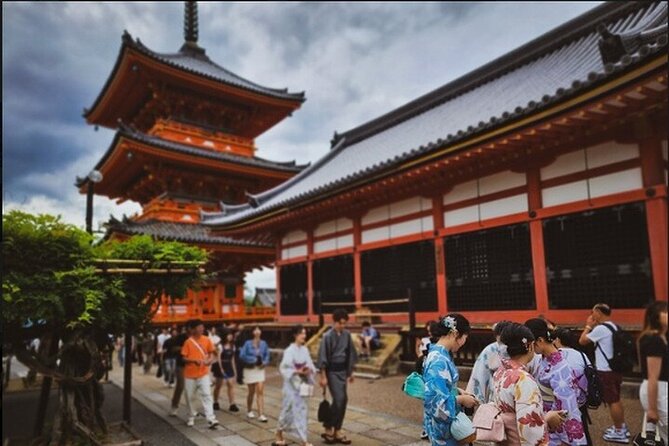
The tour isn’t only about ticking off temples. It’s designed to include an authentic tea ceremony and samurai-history context with exclusive access. That matters because Kyoto’s famous sites feel more meaningful when you understand what they represented in daily life and power structures.
A tea ceremony also works as a physical reset. After hours of walking and viewing, you’re still moving, but your body gets a rest while your mind slows down. It’s the kind of moment that makes a “highlights day” feel like a real experience instead of a photo run.
Samurai-era context does the opposite: it turns stone walls and temple grounds into something with cause and effect. Even if you only learn a few key points, you’ll start noticing details you’d otherwise pass over.
How the Guide Style Helps Couples and Solo Visitors
One strong theme in the feedback is that the guide creates a welcoming atmosphere. For couples, the tone is described as peaceful and connection-focused. For solo visitors, the big win is how easy it is to talk without forcing anything. It’s less about big group entertainment and more about natural conversation during different pacing moments—quiet walking stretches, waiting for photos, and short pauses inside temple areas.
If you’re traveling alone, this approach can be a relief. Solo days in Japan sometimes feel like you’re constantly “managing” your interactions. Here, you’re given a friendly structure so conversation can happen if you want it, and silence works if you don’t.
If you’re with a partner, that same setup often leads to a calmer day. You don’t have to decide every turn. You can focus on the moment: views from Kiyomizu, the shift into Gion, the gold reflections at Kinkaku-ji, and the torii tunnel at Inari.
Weather, Crowds, and Time: Practical Tips That Make the Day Easier
This experience requires good weather, so check forecasts and plan for flexibility. If weather cancels the tour, you’ll either be offered another date or refunded.
Crowd control tips you can use right away:
- Wear comfortable shoes you don’t mind getting dust on. Kyoto temples have uneven ground and you’ll do a lot of walking between sites.
- Have a plan for photos that matters to you. You won’t have unlimited time at each stop, so decide whether you want close-ups, wide views, or reflection shots.
- Bring water and a light layer. Temple areas and shrine paths can swing in temperature depending on time of day.
Also remember: you’ll spend time in both classic street Kyoto and major sightlines. That’s why the private pacing is useful. You can adjust within your time window rather than rigidly following a group pace.
Should You Book This Kyoto Highlights Tour?
Book it if you want a well-run, private day that covers Kyoto’s top “visual hits” without you fighting transit maps. It’s a great match for:
- couples who want a calm, guided day from Osaka
- solo visitors who want friendliness and easy conversation
- anyone who wants UNESCO temples plus Gion plus torii gates in one coordinated loop
Skip it if you’re craving a super unstructured day where you linger for hours in just one neighborhood, or if you hate the idea of timed stops. Also, since the experience needs good weather, it’s best for seasons and days when forecasts look promising.
If you like your travel days organized but not robotic, this route hits a sweet spot.
FAQ
How long is the Kyoto highlights tour?
The duration is listed as about 8 to 14 hours, depending on timing and how the day runs.
Is pickup included, and where do we meet?
Pickup is offered, and the meeting point is Namba Station (1 Chome-9 Namba, Chuo Ward, Osaka). The tour ends back at the meeting point.
Is this a private tour or a shared group?
It’s private. Only your group will participate.
Are admission tickets included for the stops?
The stop details list admission tickets as free for each included location. However, landing and facility fees are not included.
What does the price cover?
The price is $325.76 per group (up to 2) and includes private transportation, fuel surcharge, and parking fees. Lunch is not included.
What happens if the weather is bad?
The experience requires good weather. If it’s canceled due to poor weather, you’ll be offered a different date or a full refund.
What is the cancellation policy?
This experience is non-refundable and cannot be changed for any reason. If it’s canceled because a minimum number of travelers isn’t met, you’ll be offered a different experience/date or a full refund.