REVIEW · OSAKA
Osaka: City Highlights Bike Tour
Book on GetYourGuide →Operated by InKansai Ltd · Bookable on GetYourGuide
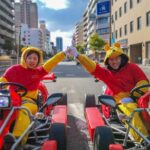
Biking Osaka feels like speed-reading the city. This 3-hour ride takes you around north Osaka by bike, so you skip the trial-and-error of trains and signage and just follow your guide. I especially like the 90% flat route, which makes the effort match the fun. The main drawback is that at $70, it’s not the cheapest way to get around, so you’ll want to feel good about paying for guidance and bike convenience.
I also love the mix of big names and quieter stops that actually pace the morning. You’ll roll from the riverside toward the Japan Mint area, pause at Tenmangu Shrine, then continue to Nakanoshima’s European-leaning buildings and gardens. If you enjoy history with practical city tips, this tour is built for that; one guide name that’s shown up for this route is Akira, noted for back-street riding and clear Osaka context.
In This Review
- Key Points at a Glance
- Why This 3-Hour Ride Works in Osaka
- Where You Start: Cycle Osaka Near Tenmabashi
- Safety Briefing and Bike Setup That Actually Helps
- Riverside First: From Sakuranomiya to the Japan Mint Area
- Tenmangu Shrine: A Short Guided Pause Without Turning It Into a Lecture
- Nakanoshima Rose Garden and Island Time (Plus That European-Style Flavor)
- Utsubo Park: Green Reset Before Osaka Castle
- Osaka Castle by Bike: Feudal Past, Your Pace
- How the Guide Changes the Whole Experience
- Price and Value: Is $70 Reasonable for 3 Hours?
- What to Bring (So You Don’t Regret It Later)
- Who This Bike Tour Suits Best (And Who Should Skip)
- Should You Book This Osaka City Highlights Bike Tour?
- FAQ
- How long is the Osaka City Highlights Bike Tour?
- What does the tour cost?
- What is included in the price?
- What is the meeting point and how do I get there?
- Is the route flat?
- Is the tour in English?
- Is food and drinks included?
- FAQ
- Is the tour okay for kids?
- What should I bring?
- What if it rains?
- What type of group size should I expect?
Key Points at a Glance
- Mostly-flat riding (90%) keeps the pace comfortable for most skill levels
- Japan Mint + museum-style stop adds context beyond postcard Osaka
- Tenmangu Shrine pause gives you a breather before the castle area
- Nakanoshima Island gardens swap traffic noise for calmer pathways
- Small group size (up to 8) helps you feel guided without feeling herded
- Included bike, helmet, and water means you can travel light
Why This 3-Hour Ride Works in Osaka
Osaka is easy to love, but it can be a headache to navigate on foot and a language maze on transit. This bike tour is a smart middle ground: you get movement, fresh air, and a route plan that doesn’t require decoding station exits. In a few hours, you see the kind of spread that would take you most of a day by yourself.
The promise here is comfort first. With a 90% flat route, you’re not signing up for a workout disguised as sightseeing. You still get city rhythm—turns, crossings, and changes in neighborhoods—but it’s manageable for typical vacation energy.
You’ll also get the small-group feel. When a group is capped at 8 people, the guide can slow down for questions and keep the ride safer and smoother than big-bus chaos. It’s especially useful in Osaka, where streets can feel busy even when they don’t look that dramatic.
You can also read our reviews of more cycling tours in Osaka
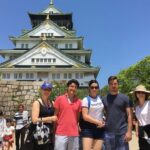
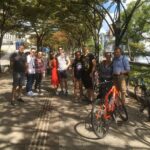
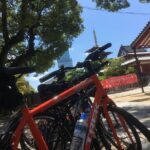
Where You Start: Cycle Osaka Near Tenmabashi
You meet at Cycle Osaka, using the directions on their site. The good news is the location is straightforward: it’s about a 10-minute walk from Tenmabashi Station on the Osaka Metro or Keihan lines.
That matters because bike tours go faster than walking tours. If you’re late, you’ll miss the safety briefing and you’ll start the ride with less buffer. Give yourself time to park your brain, find the shop, and get fitted for your bike before everyone wheels out.
Also, bring the mindset of a short morning adventure. The start is close to transit, so you can arrive without stress. From there, the tour basically becomes a moving checklist of north Osaka highlights.
Safety Briefing and Bike Setup That Actually Helps
Before you ride, you get a 15-minute safety briefing. This isn’t wasted time. On a guided bike route, small rules matter: how the group handles turns, where to line up, and how the guide expects you to signal and slow down.
Bike rental is included, along with a helmet and water. That combination is practical. You don’t need to pack bulky gear or worry about finding a helmet on arrival. Water is also more than a nice touch, since Osaka’s summer humidity (and even shoulder-season warmth) can sneak up on you.
If you’re nervous about biking in a city, this is the right kind of setup. You’re not dropped into the flow with zero instruction. It’s still a real ride—you do need to be able to control your bike—but the start is designed to help you feel steady.
Riverside First: From Sakuranomiya to the Japan Mint Area
The tour kicks off along the winding riverside path at Sakuranomiya. That opening stretch is a gift. Bike lanes and river paths tend to feel calmer than major roads, and you get into the rhythm without immediately negotiating crowded intersections.
From there, you learn about the Japan Mint as you move toward the museum area. There’s a guided, museum-style stop here—about 15 minutes—so you’re not just passing a sign and waving. This is where the tour turns from sightseeing to understanding how Osaka thinks about industry and place.
One thing I like about this kind of stop is the contrast. Osaka can feel like a shopping and nightlife city first, but a mint/museum moment reminds you the city’s history isn’t only about castles and temples. It’s also about craft, regulation, and making things that matter.
Tenmangu Shrine: A Short Guided Pause Without Turning It Into a Lecture
After the mint area, you head to Osaka Tenmangu Shrine for a guided visit. You’re there for about 20 minutes, and it’s timed to give you a moment of quiet before the ride grows more “sightseeing mode.”
A shrine stop on a bike tour works best when it’s short and respectful. That’s what you’re getting: you get context, a chance to look around at a slower pace, and then you move on. The ride rhythm matters—if you spend too long stopped, you lose the whole point of bike-based sightseeing.
If you like cultural stops that don’t steamroll your attention span, this is a good fit. You’ll walk a bit, look at the shrine, and then you’re back on the bike with fresh legs for the next section.
You can also read our reviews of more city tours in Osaka



Nakanoshima Rose Garden and Island Time (Plus That European-Style Flavor)
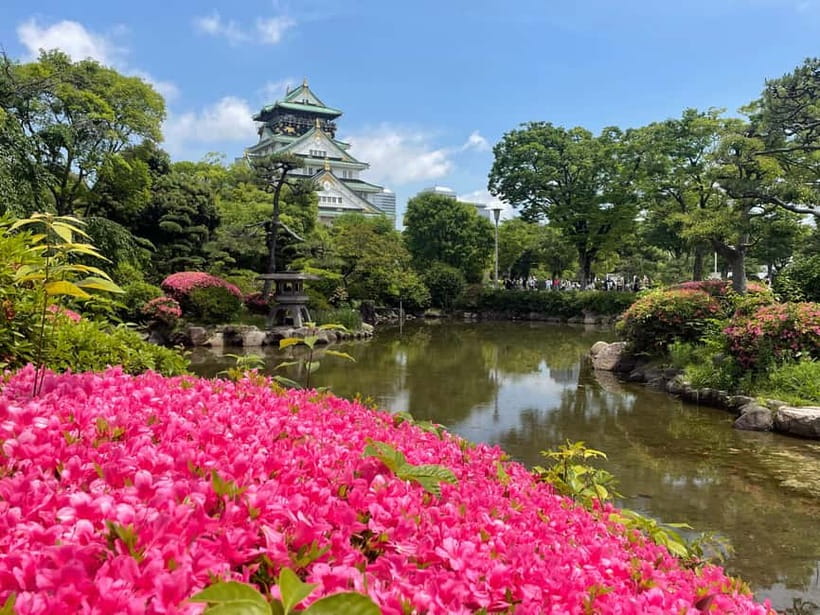
Next comes Nakanoshima Island, including a rose garden stop. The ride takes you toward an area known for European-inspired buildings and gardens, which is a fun Osaka twist. Instead of repeating the usual temple-and-market loop, you get a different kind of atmosphere: more open space, more garden edges, and fewer street-corner interruptions.
You’ll cycle for about 15 minutes during this section, which is the right amount of time to wander a bit without feeling rushed. Gardens can make you slow down naturally, and that pairs well with biking. You arrive, breathe, look, and then you move again with your guide.
This is also where the tour’s “hidden corners” idea shows up in a practical way. You’re not only hitting the most famous skyline moments. You’re threading through a different side of town—one that feels planned for walking, resting, and strolling.
Utsubo Park: Green Reset Before Osaka Castle
After Nakanoshima, you head to the greener part of the city—Utsubo Park. The tour gives you a break here before you tackle Osaka Castle, and that sequencing is smart.
A lot of tours pile major landmarks back-to-back. That works if you like sprinting. If you prefer looking and absorbing, a mid-ride park reset matters. It gives you a chance to breathe, check your photos, and re-focus your attention for the feudal-past section ahead.
Even if you’re not the type who stops in parks for long, you’ll probably appreciate the pacing. This is one of those rides where the “how you move” is part of the experience, not just the list of stops.
Osaka Castle by Bike: Feudal Past, Your Pace
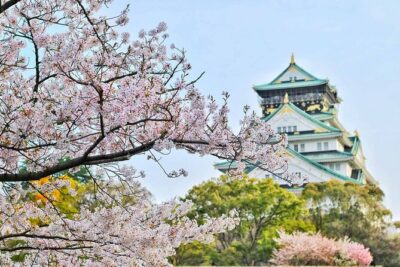
Finally, you arrive at Osaka Castle for about a 30-minute bike segment. That longer window is key. Castle areas are visually dense. You need time to take in the scale, read what you can, and decide what to focus on rather than ticking boxes.
Riding in helps you appreciate the surroundings too. You’re not only seeing the castle as a single object; you’re seeing the approach, the open space around it, and how the area functions in the city. It’s a different feeling than approaching strictly on foot.
One practical note: even with the short duration, you’ll likely want comfortable shoes. Castle areas can involve walking, and you’ll want your legs to feel good for any exploring you choose to do beyond what the bike route covers.
This stop is where the tour pays off for people who want “famous Osaka” but don’t want to spend their whole day in lines or public-transport puzzles.
How the Guide Changes the Whole Experience
A good bike guide is the difference between a route and a story. Here, the local English-speaking guide helps you connect the dots as you ride. You learn about the city’s history in chunks that fit the ride pace, not in a nonstop lecture.
You’ll also get tips for where to eat and drink. That’s the kind of help that pays off after the tour ends, when you’re trying to decide between convenient and good. Instead of guessing, you get a guide’s perspective on what’s worth your time.
There’s also evidence the operation runs smoothly. One previously featured guide name connected to this route is Akira, who has been praised for riding through back streets and sharing solid Osaka context. Another guest highlighted that the organization felt polished and the guide was friendly and funny, which matters because you’re trusting this person with your route and your pace.
If you’re sensitive to strong nationalistic or chauvinistic commentary, keep that in mind. One guest felt the guide’s tone in that direction, and that can turn an otherwise good tour sour. It’s a rare mismatch, but it’s worth acknowledging because you can’t fully control the guide’s style once you’re on the bike.
Price and Value: Is $70 Reasonable for 3 Hours?
At $70 per person for 3 hours, you’re paying for three things at once: a bike you don’t have to arrange, a guide who plans the route, and on-the-ground context at key stops.
If you’re the DIY type, you might wonder why not do it on your own. You’re absolutely capable of cycling in Osaka, but it takes planning. You’d need a route, bike rental logistics, and the patience to translate context on the fly.
This tour earns its value by reducing that friction. You get the route structure—especially the 90% flat design—and you spend your limited vacation time actually moving through neighborhoods. The included items (bike rental, helmet, and water) also cut down on the extras that add up fast when you travel independently.
The best way to decide is to ask yourself what you want from your day. If you want a confident plan plus history plus food tips, $70 can feel fair. If you only want scenery and you enjoy independent wandering more than guidance, you may feel like it’s pricey.
What to Bring (So You Don’t Regret It Later)
You’ll want practical basics:
- Comfortable shoes (for shrine and castle-area walking)
- A camera (Nakanoshima’s garden setting and castle visuals are photo-friendly)
- Comfortable clothes that handle the weather
And simple reminders:
- No smoking during the tour
- Bring a sense of “short ride, steady pace.” This is not an all-day cycling marathon.
Because food and drinks aren’t included, you’ll likely want to plan your meal timing around the ride. If you’re hungry afterward, you’ll be in luck; the guide’s eating tips can help you pick a solid option without wasting time.
Who This Bike Tour Suits Best (And Who Should Skip)
This tour fits well if you can ride a bike comfortably and you want to see a lot without over-planning. It’s designed to be suitable for all fitness levels thanks to the mostly flat route, and the ride length (3 hours) feels approachable.
It’s also a good match for people who want a guided mix of major sights and calmer city sections on the north side of Osaka. If you like castles and shrines but also want gardens and river views, you’re likely to enjoy the pacing.
It is not suitable for:
- People who can’t ride a bike
- Wheelchair users
- Pregnant women
- Children under 13 (minimum age is 13)
So, be honest about the biking part. If balancing and starting/stopping a bike in traffic-adjacent areas makes you anxious, you might prefer a walking-based tour instead.
Should You Book This Osaka City Highlights Bike Tour?
I think this tour is a smart booking if your goal is guided city coverage without the stress. You get a focused route across north Osaka, and you do it with a small group, a real guide, and a mostly-flat ride that doesn’t punish you for vacationing.
Book it if you want:
- A 3-hour plan that includes Japan Mint, Tenmangu Shrine, Nakanoshima gardens, and Osaka Castle
- Practical eating/drinking tips for after the tour
- Comfort features that travel well: bike rental, helmet, and water
Skip it if:
- You’re looking for the cheapest way to get around Osaka
- You’re not comfortable riding a bike, or you need accessibility accommodations the tour doesn’t support
- You know you strongly prefer guides who avoid political or nationalistic tone
FAQ
How long is the Osaka City Highlights Bike Tour?
The tour lasts 3 hours.
What does the tour cost?
It costs $70 per person.
What is included in the price?
You get a guided bike tour, bike rental, helmet, a local guide, and water.
What is the meeting point and how do I get there?
You meet at Cycle Osaka. The meeting location is about a 10-minute walk from Tenmabashi Station (Osaka Metro/Keihan line).
Is the route flat?
The route is listed as 90% flat, which is designed to be suitable for all fitness levels.
Is the tour in English?
Yes, the live tour guide speaks English.
Is food and drinks included?
No, food and drinks are not included.
FAQ
Is the tour okay for kids?
The minimum age is 13 years old, and children under that age are not suitable.
What should I bring?
Bring comfortable shoes, a camera, and comfortable clothes.
What if it rains?
If there is a 60% or greater chance of rain, you’ll be contacted with an option for a different date or a full refund.
What type of group size should I expect?
The group is small, limited to 8 participants.