REVIEW · OSAKA
Lake Biwa Tour: Shirahige Shrine, Ukimido ,La Collina Omihachiman
Book on Viator →Operated by Hotel Takitei · Bookable on Viator
Lake Biwa’s floating torii is the kind of sight that resets your morning. In this one-day outing from Osaka, you’ll also get to enjoy La Collina Omihachiman, a storybook sweets stop that feels like Japan did set design on purpose. I like how the day mixes big scenery with small, calm moments instead of only rushing through landmarks.
The main trade-off is that it’s a long shared-group ride, and some key costs are added on top—like the cable car around $28 and a couple temple admissions—plus language coverage can vary in practice.
In This Review
- Key highlights to watch for
- Lake Biwa in one day: what the pace really feels like
- Shirahige Shrine and the floating torii on Lake Biwa
- Ropeway time: getting big views with a ticket you should budget
- Sanzen-in Temple vs. Lake Biwa Observatory: a seasonal swap you should expect
- Mangetsu-ji and the Ukimido Floating Hall
- La Collina Omihachiman: the fairy-tale sweets break that people actually enjoy
- Price and logistics: what $65.03 really buys you
- Meeting points, timing, and why you should avoid planning the evening
- Language comfort: how to set expectations for a multilingual day
- Who this tour suits best (and who should think twice)
- Should you book Lake Biwa Tour: Shirahige Shrine, Ukimido, La Collina Omihachiman?
- FAQ
- What’s included in the Lake Biwa tour price?
- What entrance fees should I expect to pay on top of the $65.03?
- How long is the tour, and what times does it run?
- Is the itinerary the same all year?
- Do I need to pay for food and drinks during the tour?
- How big is the group?
- What if the ropeway is closed or the weather is bad?
- What’s the cancellation policy?
Key highlights to watch for
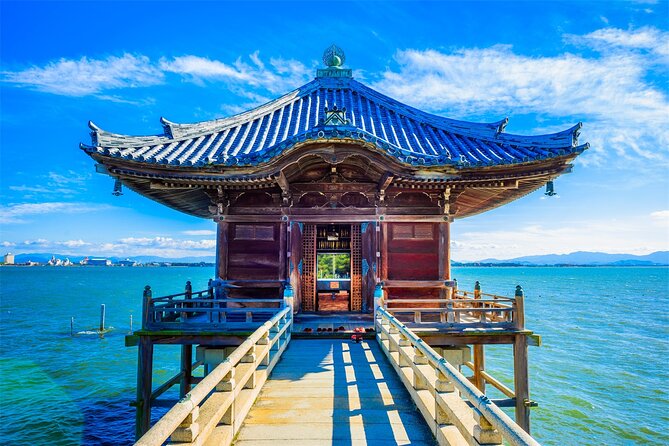
- Shirahige Shrine floating torii on Lake Biwa, timed as a morning stop
- A fast ropeway/cable car ride that’s treated as a “don’t miss” experience
- Sanzen-in Temple or Lake Biwa Observatory, depending on season and conditions
- Ukimido Hall (Mangetsu-ji) for that calm, historic Zen-lake setting
- La Collina Omihachiman for grass-roof sweets vibes and an easy decompression hour
- Shared group logistics with up to 45 people, plus possible schedule tweaks for traffic or weather
Lake Biwa in one day: what the pace really feels like
This tour is built around distance. You start from Osaka (with pickup timing listed as 8:00 AM) and you’re back to Osaka or Kyoto around 6:30 PM, for a day that’s roughly 10.5 hours total. That means the bus ride is part of the experience, not just the road between stops. If you hate long transit days, this might feel like homework.
That said, I like the way the route is arranged. The mornings hit the most visually dramatic water-and-temple moments, then the afternoon slows down with a floating-hall temple stop and a sweets village where you can actually sit, snack, and reset. It’s a good structure for families, friends, and culture-minded visitors who want a “best of” Lake Biwa day without planning routes between cities.
You can also read our reviews of more tours and experiences in Osaka.

Shirahige Shrine and the floating torii on Lake Biwa
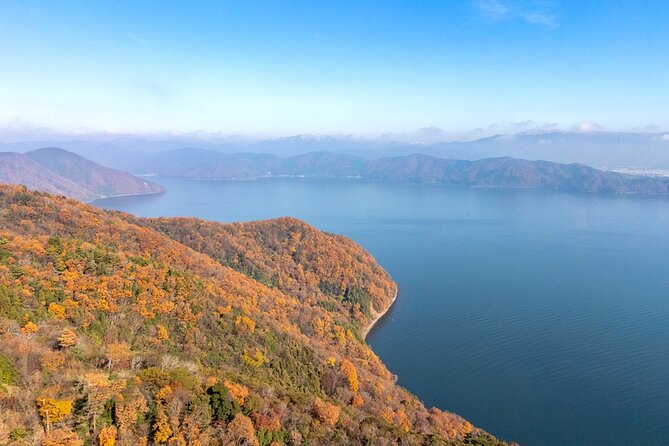
The day starts with Lake Biwa itself, then moves to Shirahige Shrine and its famous floating torii gate. The timing is the kind of morning schedule that helps you see the lake at a calmer pace than late-afternoon glare. Even if you don’t think you’re a temple person, the torii-on-water view is the sort of scene that pulls you into the setting fast.
A practical note: Shirahige admission is listed as free for this stop. That’s one more reason the morning works as an easy “yes” moment—low friction, high payoff. Expect the area to be scenic but not necessarily a long stay. This stop is about 30 minutes, so it’s more about seeing the key view than wandering for hours.
Ropeway time: getting big views with a ticket you should budget
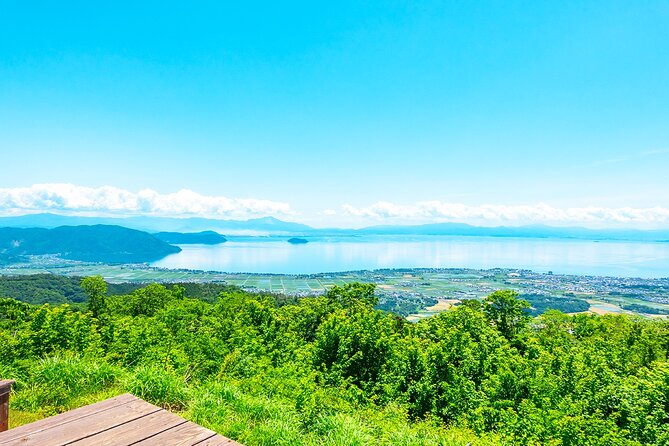
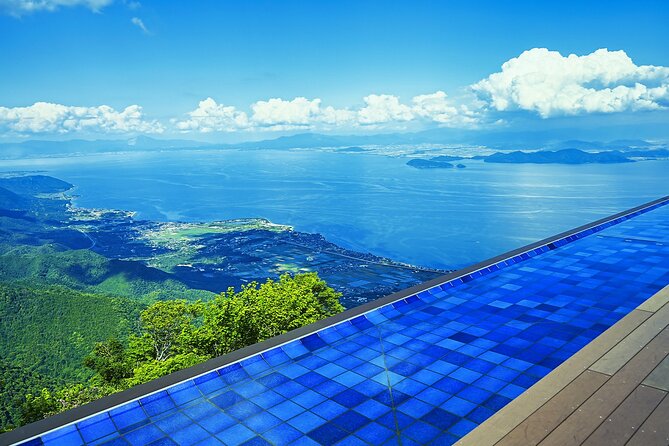
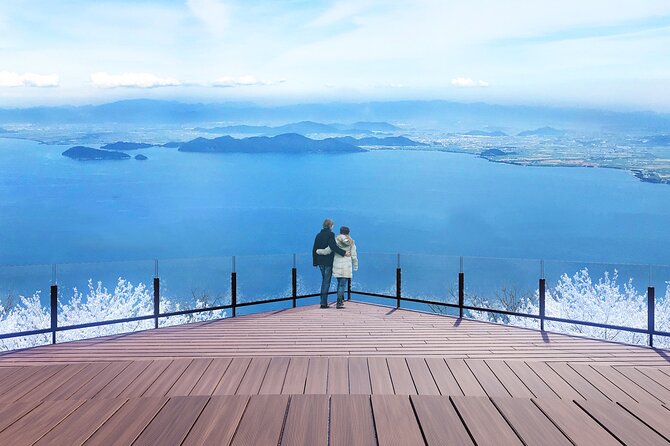
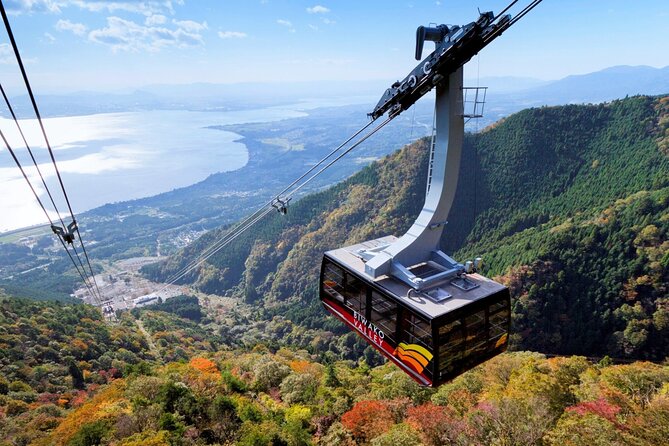
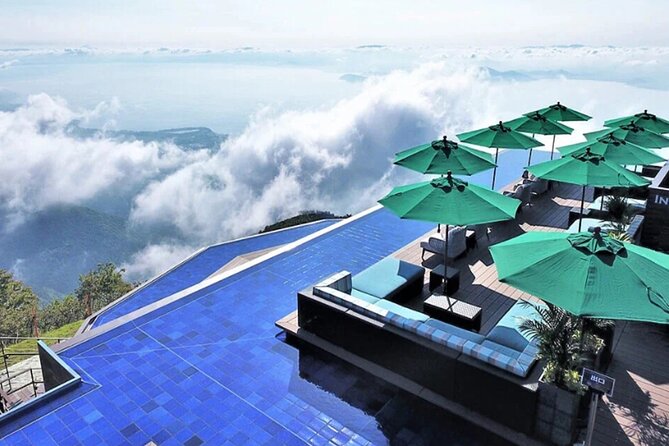
Later, you’ll head to a Lake Biwa Observatory stop that includes a panoramic view component, typically around 2 hours of time on site (free time plus optional lunch at your own expense). It’s also seasonal: the observatory is available from May 1 to Oct 31, 2025 in the information you have.
A key detail for planning: the cable car ticket is not included, and it’s listed around $28. That matters for value. Your base price is $65.03, but the “must ride” component likely adds to your total day. Also, the tour notes the ropeway can affect the itinerary—on dates when it can’t operate, the schedule may shift.
So how do you handle this? You budget for the ropeway cost upfront, then treat the views as the main event. If you’re the type who loves a great overlook and doesn’t mind paying a separate fee for it, this stop is likely to land well.
Sanzen-in Temple vs. Lake Biwa Observatory: a seasonal swap you should expect
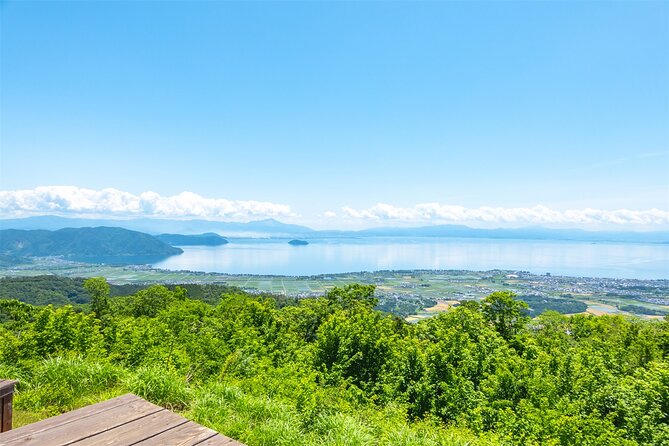
One of the smartest things about this tour is that it doesn’t force the same exact route every time. From Nov 1, 2025 to Apr 30, 2026, the itinerary visits Sanzen-in Temple instead of the Lake Biwa Observatory. In the other months, the observatory is the view-focused option.
When Sanzen-in Temple is in the plan, you get about 120 minutes there, with free time and optional lunch at your own expense. The temple admission is listed around $5, so again: small relative to the ropeway add-on, but still something to carry in your planning.
There’s also an extra wrinkle: Sanzen-in can be visited on other dates or when the ropeway is closed. That tells you the operator is building in flexibility, but it also means you shouldn’t schedule your evening plans based on an exact stop order and timing to the minute.
Mangetsu-ji and the Ukimido Floating Hall
After the main view stop, you head to Mangetsu-ji Temple, specifically the Ukimido (Floating Hall). This is the kind of place that feels more meditative than “photo-op loud,” and that contrast helps the whole day feel balanced. You get about 30 minutes here, which is short, but enough for the key sight and a breather before the sweets stop.
Admission for this temple stop is not included and is listed around $2. Again, not a huge add-on, but it’s a reminder: you’ll want a bit of spending flexibility if you’re trying to keep your day’s total predictable.
If you only remember one thing about Mangetsu-ji, make it the calm. The floating hall setting does something to the pace—your eyes move more slowly, and you’ll probably want a couple quiet minutes after the earlier bus-and-view rhythm.

La Collina Omihachiman: the fairy-tale sweets break that people actually enjoy
If you’ve got a soft spot for playful food stops, this is the one. La Collina Omihachiman is described as a sweets village designed in a storybook style, with a grass roof, and it’s allocated about 60 minutes of free time. It’s also listed as free admission for this stop.
I like La Collina because it gives your body a real break after temples and viewpoints. You’re not forced into a “walk fast and look only” schedule. It’s more like a pause where you can browse, buy, and snack without feeling rushed.
It’s also a smart choice for mixed groups. Even if someone in your group isn’t into religious sites, they’ll probably enjoy the atmosphere here—and anyone who does like snacks will benefit from having a full hour instead of a quick 15-minute stop.
Price and logistics: what $65.03 really buys you
At $65.03 per person, the tour is priced to feel like good value for a one-day multi-stop route out of Osaka. The included parts are solid: a multilingual tour guide (with the understanding that language coverage can vary in practice), an air-conditioned vehicle, a professional driver, and fuel/tolls/highway fees and guide overtime.
But you should budget separately for the major extras:
- Cable car/ropeway ticket around $28
- Sanzen-in admission around $5 (if that season’s route is active)
- Mangetsu-ji admission around $2
Food and drinks are not included. That’s not a dealbreaker, but it does mean you should plan for either purchasing lunch on your own during free-time windows or using snacks you bring. Since the tour is long, this is the difference between a fun day and a cranky one.
Also, the tour is shared with up to 45 travelers. That makes it comfortable enough for most people, but it can also mean waiting at the edges of busy attractions, and time can compress if traffic or weather forces changes.
Meeting points, timing, and why you should avoid planning the evening
The tour runs a full day with a departure around 8:00 AM and drop-off around 6:30 PM. That’s about as straightforward as day trips get—yet the operator also warns that traffic congestion can happen on weekends and holidays, and the guide may adjust the schedule and reduce time at certain attractions.
So here’s my practical advice: don’t schedule dinner 10 minutes from the drop-off point, and don’t plan a second activity right after the tour. The day has built-in uncertainty, and you don’t want your plans to turn into stress.
One more realism check from past experiences: buses can run a few minutes late, and you shouldn’t rely on an exact vehicle description. If you’re meeting at a specific point, confirm the meeting location details when you arrive and be ready for small variations.
Language comfort: how to set expectations for a multilingual day
The tour includes a multilingual tour guide, and the group can combine guests speaking different languages. That’s the idea.
In practice, I’d treat this as an English/Japanese-first tour. One experience noted that Spanish was not available as hoped through the app-based support. If you need Spanish explanations, plan to rely on visuals, and be comfortable using your own phone translation for key moments.
Good news: even when language support isn’t perfect, the sights are doing most of the work. A floating torii and a floating hall won’t require perfect translation to understand why they matter.
Who this tour suits best (and who should think twice)
This is a strong fit if you want:
- a scenic Lake Biwa day without route planning
- a morning-with-views structure that breaks up the day
- a mix of temples and a fun sweets stop
It’s less ideal if:
- you hate long bus days
- you dislike paying extra for major transport (the ropeway ticket is not included)
- you want detailed explanations in a specific language beyond what the guide can deliver on the day
Families often do well here because the schedule gives a big, memorable scene early, then hands over an hour to relax at La Collina. Couples and friends who like scenery and easy structure also tend to enjoy it.
Should you book Lake Biwa Tour: Shirahige Shrine, Ukimido, La Collina Omihachiman?
You should book if you’re aiming for a one-day Lake Biwa highlight reel with minimal planning: Shirahige’s floating torii, a ropeway-based view stop, Ukimido at Mangetsu-ji, and an hour at La Collina where you can snack and unwind. For many people, the biggest value is that it strings together water views, Zen calm, and a playful sweets village in one smooth timeline.
I’d think twice if you’re very time-tight, sensitive to bus-time, or expecting everything (including ropeway and temple admissions) to be fully covered in the base price. The tour is a good deal, but only if you remember that some tickets are added during the day and the itinerary can shift with weather and traffic.
If you want, tell me your travel month (and whether you’re starting from Osaka or Kyoto). I can help you estimate the likely seasonal version of the route and what your total add-on costs may feel like.
FAQ
What’s included in the Lake Biwa tour price?
The tour includes a multilingual tour guide, an air-conditioned tourist vehicle, a professional driver, and fuel, toll, and highway fees, plus overtime fees for the guide and driver.
What entrance fees should I expect to pay on top of the $65.03?
Not included: the cable car ticket (around $28), Sanzen-in Temple ticket (around $5), and Mangetsu-ji Temple ticket (around $2).
How long is the tour, and what times does it run?
The total duration is about 10 hours 30 minutes. Departure from the first meeting point is 8:00 AM, and drop-off is around 6:30 PM.
Is the itinerary the same all year?
No. From Nov 1, 2025 to Apr 30, 2026, the tour visits Sanzen-in Temple. From May 1 to Oct 30, the tour goes to Lake Biwa Observatory.
Do I need to pay for food and drinks during the tour?
Yes. Food and drinks are not included, though some stops list free time where you can buy lunch at your own expense.
How big is the group?
The tour has a maximum of 45 travelers.
What if the ropeway is closed or the weather is bad?
The guide may adjust the itinerary if traffic and weather affect timing, and some attractions or shows may be adjusted or canceled without notice.
What’s the cancellation policy?
You can cancel up to 24 hours in advance for a full refund. If you cancel less than 24 hours before the start time, the amount paid is not refunded.