Osaka has a side you only find by walking. This small-group Nishinari foodie tour mixes local meals with street-level history, including a stretch of an old samurai pilgrim route and colorful backstreets in the Kamagasaki area. The vibe is practical, real-life Osaka, with a guide who helps you read what you’re seeing.
I love how the tour builds in food stops plus a cultural walk, so you’re not just eating, then moving on. I also like the very small group size (max 5), which keeps questions easy and makes the stories feel personal instead of generic. One drawback to consider: you’ll be on your feet for a few hours, and this is more neighborhood-watching than major sightseeing.
The tour ends in a smart spot—Tengachaya Station—so you can get back to the rest of Osaka with minimal fuss. And if you like when a guide connects food, art, and local life, you’ll probably enjoy the pace and the explanations. One thing to watch: the focus is Nishinari, so if you want postcard landmarks, this may feel intentionally off-beat.
In This Review
- Key Points You’ll Care About
- Walking Nishinari Is the Real Osaka Experience
- Meet at Lawson, Finish at Tengachaya: Logistics That Don’t Eat Your Day
- The 3–4 Hour Flow: Food Stops First, Story Stops Along the Way
- Stop 1: Nishinari Dobutsuen-mae Deep Osaka Street and Kamagasaki’s Shift Over Time
- The Old Samurai Pilgrim Route: What You’re Actually Getting From the Walk
- Street Art and Graffiti That Make Sense in Context
- How the Meals Help Family-Run Restaurants at Quieter Hours
- Price and Value: Is $84.92 Worth It?
- Who Should Book This Osaka Foodie Walk
- A Few Practical Tips to Get More From It
- Should You Book This Hidden Osaka Foodie Tour?
- FAQ
- How long is the Hidden Osaka Foodie Tour in Nishinari?
- Where do I start and where does the tour end?
- What’s the group size limit?
- What’s included with the food during the tour?
- Does it use a mobile ticket?
- Is there free cancellation?
Key Points You’ll Care About
- Max 5 travelers means more attention from the guide and a calmer walk through residential streets.
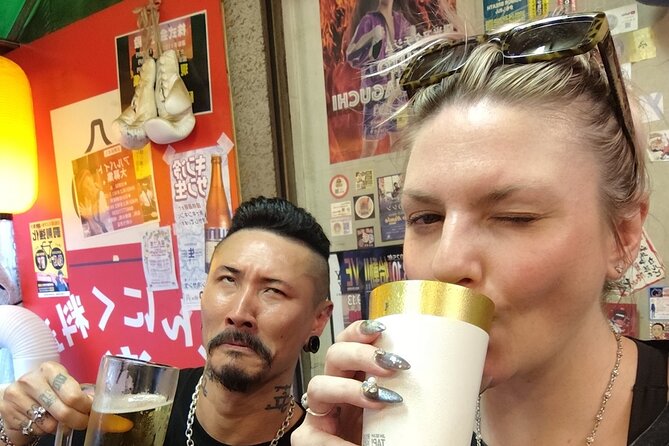
- Local dishes with a drink at hand-picked neighborhood restaurants keeps the meal side straightforward.
- Kamagasaki called Deep Osaka sets expectations for a grittier, more honest slice of the city.
- Old samurai pilgrim route + retro backstreets adds story to the route between restaurants.
- Family-run businesses during quieter hours gives your meals a purpose beyond eating.
- Ends at Tengachaya Station with quick access to the Osaka Metro and Nankai Line.
Walking Nishinari Is the Real Osaka Experience
Nishinari isn’t trying to be easy. It’s the kind of place where you learn the city by moving through it—side streets, everyday storefronts, and the lived-in textures you don’t get from big attractions.
This tour leans into that. You’ll follow part of an old samurai pilgrim route, then wander retro backstreets with colorful street art and local history threaded through the walk. It’s a “look around with your eyes open” style tour, not a museum briefing.
You can also read our reviews of more tours and experiences in Osaka

Meet at Lawson, Finish at Tengachaya: Logistics That Don’t Eat Your Day
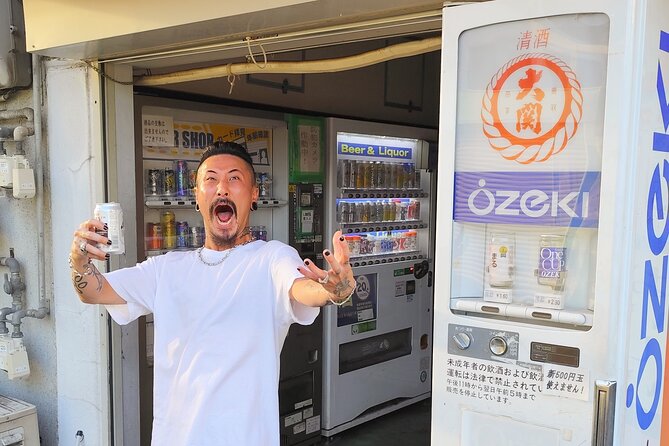
The meeting point is LAWSON Haginochaya 1 Chome Store at 1-chōme-6-20 Haginochaya, Nishinari Ward. That’s a helpful detail because convenience stores are easy to spot, and Lawson locations are familiar territory once you’ve used them in Japan.
The tour ends at Tengachaya Station. The station sits on Osaka Metro Lines and the Nankai Line, and there’s also a taxi stand in front. In practice, that means you won’t be stranded at the end of a long walk with no clear exit plan.
Expect a mobile ticket, and you should receive confirmation at booking. If you like to keep travel days smooth, this is the kind of setup that reduces last-minute chaos.
The 3–4 Hour Flow: Food Stops First, Story Stops Along the Way
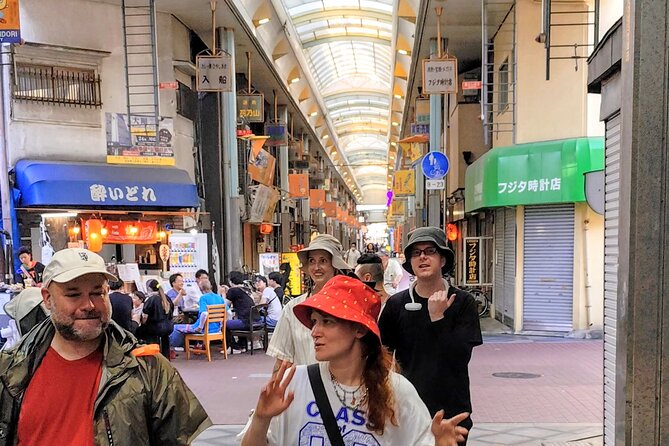
The whole tour runs about 3 to 4 hours. The rhythm is simple: you eat at neighborhood restaurants, then you walk between stops with history and street-scene commentary guiding your route.
The “between-foods” time matters here. Instead of treating the walking portion like downtime, the tour uses it to connect what you’re seeing—backstreets, street art, and local life—to the stories the guide shares.
This also helps you pace yourself. A few hours can feel long if you’re rushing from point to point, but this format keeps you fed and reoriented, so you stay present instead of just collecting photos.
Stop 1: Nishinari Dobutsuen-mae Deep Osaka Street and Kamagasaki’s Shift Over Time
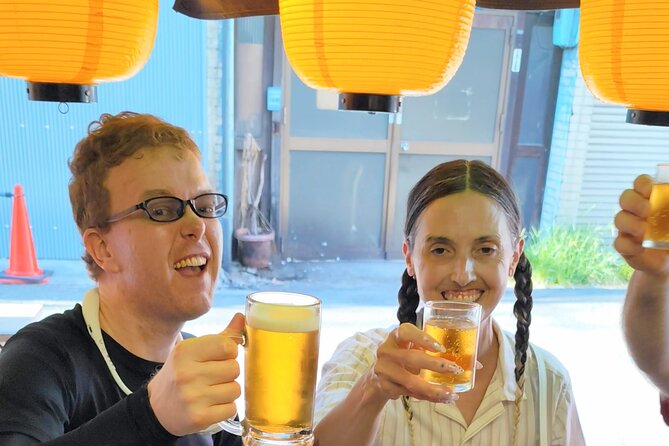
Stop 1 is Nishinari Dobutsuen-mae Deep Osaka Street. This is where the tour brings you into the Kamagasaki area, which locals refer to as Deep Osaka.
Here’s what you should expect: your guide takes you through back streets with a timeline in mind, from Edo Period samurais to modern urbanization and social unrest. That might sound heavy, but the point is to show how communities adapt and keep going.
Stop 1 includes an admission ticket (free). So while you’re paying the tour price for the guided experience, you’re not also getting hit with extra entry fees at this part of the route.
If you enjoy walking tours that explain why a neighborhood looks the way it does—rather than just where to stand for a picture—this is the part that can click fast.
The Old Samurai Pilgrim Route: What You’re Actually Getting From the Walk
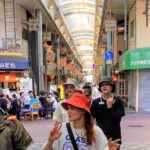
The tour follows part of an old samurai pilgrim route between food stops. You won’t be walking a straight-line path like a countryside hike; you’ll be weaving through urban backstreets, which changes how history lands in your mind.
This matters because you don’t just hear about the past. You see how old routes and newer streets share the same space, even when the city’s needs have changed. It’s an easy way to understand Osaka’s layering without turning it into a lecture.
A nice bonus: the guide’s stories are meant to fit the walk. So you can connect the history to what’s around you—street art, everyday movement, and the feel of the area—while the tour is still fresh in your legs and your attention.
You can also read our reviews of more tours and experiences in Osaka



Street Art and Graffiti That Make Sense in Context
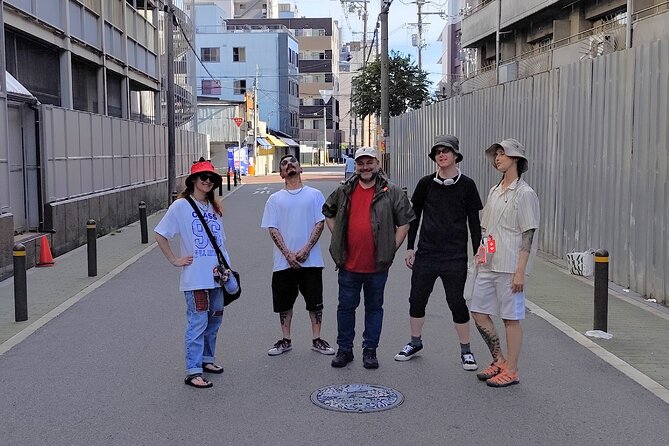
One of the best bits from the praise is how the tour connects street art to the place. The feedback specifically calls out graffiti artist works and credits the guide for pairing that with food and history.
So instead of treating murals as background decoration, you’re encouraged to treat them like communication. In a neighborhood like Kamagasaki, art can be part of how people mark identity, add color, and keep creativity visible even when circumstances aren’t ideal.
If street art is your thing, this tour gives it a reason to exist. And if you’re not usually into graffiti, the context can still make you look slower.
How the Meals Help Family-Run Restaurants at Quieter Hours

The tour isn’t just a list of restaurants. It’s designed to support family-run businesses during quieter hours, which is a real value for local communities.
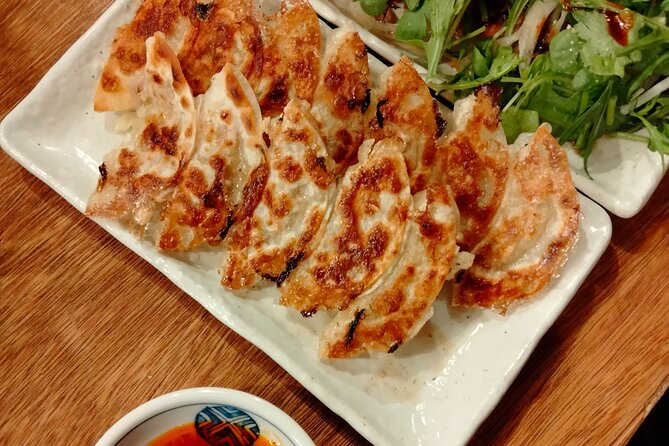
Practically, that often changes the mood of a meal. You’re more likely to get a welcome that feels human-scale instead of an assembly-line experience. And when a guide is helping you navigate what’s worth ordering or how a dish fits local life, the food tends to feel more satisfying.
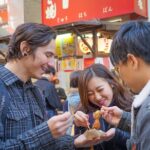
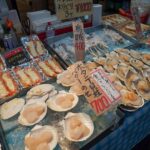
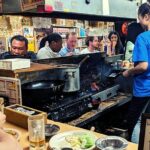
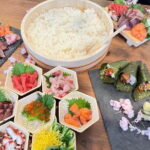
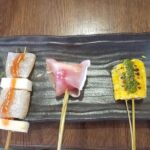
You’ll enjoy authentic local dishes at hand-picked restaurants, with each dish served with a drink. That’s a smart setup if you want to try things without turning your night into a self-guided guessing game.
Also, since this is a small-group tour, it’s easier for the restaurants to handle you without the chaos that comes with larger crowds.
Price and Value: Is $84.92 Worth It?
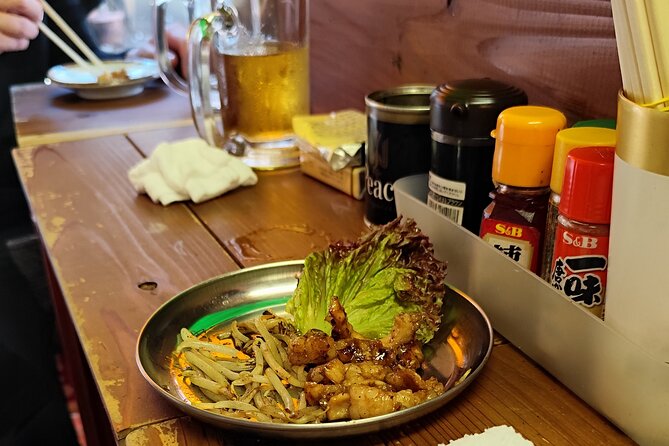
At $84.92 per person, this isn’t the cheapest way to eat in Osaka. But it also isn’t trying to compete with a DIY grocery-and-walk plan.
Here’s where the value comes from:
- You’re paying for direction: the guide maps the neighborhood and provides context.
- You’re paying for access: hand-picked local restaurants, not just whatever is closest.
- You’re paying for time saved: figuring out what to eat, where to go, and how to understand the area takes effort.
The max group size (5) is a big part of the value story. For many people, the difference between an okay meal and a great one is whether someone helps you understand what you’re tasting and seeing.
One consideration: if you already love Nishinari, speak enough Japanese to follow local restaurant details, or prefer totally independent pacing, you may find better value going solo. But if you want a guided, narrative-driven food walk, the price is easier to justify.
Who Should Book This Osaka Foodie Walk
This tour fits best if you want the Osaka that lives beyond the main tourist routes. It’s ideal for food-first travelers who also like street-level storytelling and don’t mind neighborhoods that feel more real and less polished.
It also makes sense if you appreciate small-group walking. When the group is limited to five, you can ask questions without feeling like you’re slowing a train.
The data says most travelers can participate, so it’s not positioned as a niche activity. Still, plan for walking and expect a neighborhood vibe, not a theme-park one.
If your ideal Osaka day is all scenic views and landmark photos, you might be happier with a classic sightseeing route. This one is built for people who enjoy texture, context, and local eating.
A Few Practical Tips to Get More From It
This tour is about reading a neighborhood. So give yourself a mindset shift: instead of hunting for the next big view, watch how people live their day.
A guide can’t control everything—weather, your pace, your appetite—but you can control how you engage. If you’re the type who likes asking one good question during a meal, you’ll get more out of this than someone who stays silent the whole time.
Also, since the tour ends at Tengachaya Station, plan your next step in advance. I’d rather you have your route back to your hotel already decided so you can enjoy the last stretch instead of thinking about logistics.
And if you’re booking close to your trip dates, note that it’s commonly booked about 12 days in advance. That doesn’t guarantee availability, but it’s a good hint not to wait until the last minute.
Should You Book This Hidden Osaka Foodie Tour?
If you want a guided Osaka food day that includes local dishes, drinks, street art, and neighborhood stories, this tour is a strong pick. The highest praise centers on the combination of good eats and meaningful context, with the guide name Jaymie showing up in the standout praise for connecting history, graffiti, and the area’s feel.
I’d book it if you’re curious about Nishinari and you like tours that explain why a place matters, not just what to photograph. I’d reconsider if you’re chasing only the most famous Osaka sights or you’d rather spend your time totally on your own schedule.
FAQ
How long is the Hidden Osaka Foodie Tour in Nishinari?
The tour lasts about 3 to 4 hours.
Where do I start and where does the tour end?
You start at LAWSON Haginochaya 1 Chome Store in Nishinari Ward, and the tour ends at Tengachaya Station.
What’s the group size limit?
This is a small-group tour with a maximum of 5 travelers.
What’s included with the food during the tour?
You’ll visit hand-picked neighborhood restaurants and enjoy authentic local dishes, each served with a drink.
Does it use a mobile ticket?
Yes. The tour lists a mobile ticket option.
Is there free cancellation?
Yes. Free cancellation is available up to 24 hours in advance for a full refund.