REVIEW · OSAKA
SUSHI Making Experience at Restaurant
Book on Viator →Operated by 善-zen- · Bookable on Viator
Sushi class in Osaka can be a little magical. In this 2-hour hands-on session, Chef Shinichi Kono (30+ years in the trade) teaches the steps calmly, in a real sushi restaurant setting, and you finish by eating your own creations. I especially love the one-on-one feel with careful guidance, and I also like that they prep key parts (like sushi rice and fish cuts) so you get moving fast.
One thing to consider: the experience is priced at a premium, so it only really feels like a great deal if you’ll enjoy learning the technique and eating a full meal afterward. Also, it’s for kids 11+—so smaller kids are out.
In This Review
- Key things to know before you go
- Why Osaka sushi, and why this is a real restaurant class
- Meeting Chef Shinichi Kono: what makes the instruction feel personal
- What you learn in 2 hours: nigiri, hand-rolled sushi, and more
- The calm Japanese space—and why it matters for learning
- The meal after: what you eat (and how to plan for it)
- Tools, knives, and ingredients: what “high quality” means in practice
- Where it is in Osaka, and how to make logistics painless
- Price and value: is $195.46 per person worth it?
- Who should book (and who should skip)
- Should you book this sushi class in Osaka?
- FAQ
- How long is the sushi-making experience?
- What time does the class start?
- Where does the experience take place?
- Is this a private experience?
- Do beginners need sushi-making experience?
- Is there a minimum age for children?
- What will I eat at the end?
- What should I do if I have allergies or dislikes?
Key things to know before you go
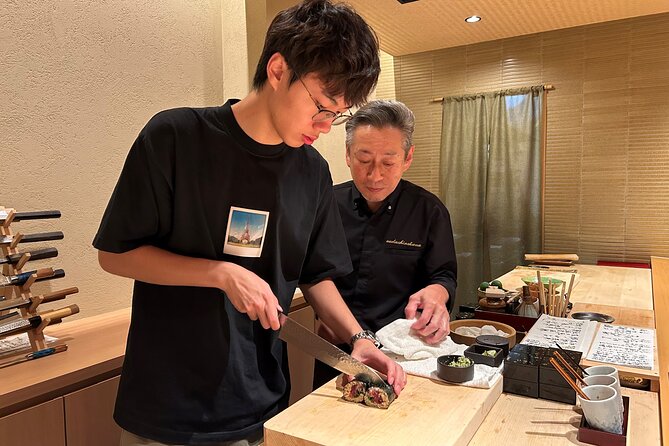
- Chef-led, not a demo: Shinichi Kono teaches you step by step, then you make the sushi yourself.
- Private session: Only your group participates, so questions don’t get lost in the crowd.
- Beginners are welcome: The chef instructs each person carefully, plus there’s support for explanation/translation.
- You eat what you make: After the lesson, you’ll enjoy the sushi (and more) that you prepared.
- Real tools and quality ingredients: You use restaurant-level knives and work with high-quality sushi ingredients.
- Location takes a minute: It’s not in the most central area, so plan transit accordingly.
Why Osaka sushi, and why this is a real restaurant class
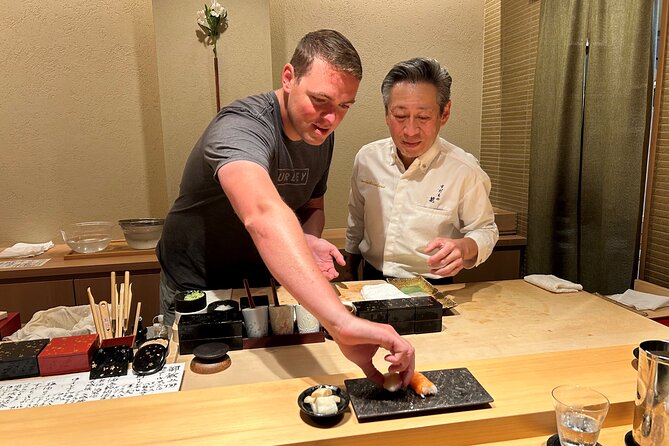
Osaka is a strong choice for sushi lessons because the city has that down-to-earth food culture—people focus on craft, not show. Here, you’re not learning in an office room or a demo kitchen. You’re in a sushi restaurant space, with the kind of calm you expect when the staff actually cooks for customers day after day.
What you’ll feel quickly is that this class is about technique. They set the tone like a traditional craft lesson, then get you hands-on. If you want a souvenir photo, you’ll get some. If you want skills and better sushi judgment, you’ll leave with both.
You can also read our reviews of more tours and experiences in Osaka

Meeting Chef Shinichi Kono: what makes the instruction feel personal
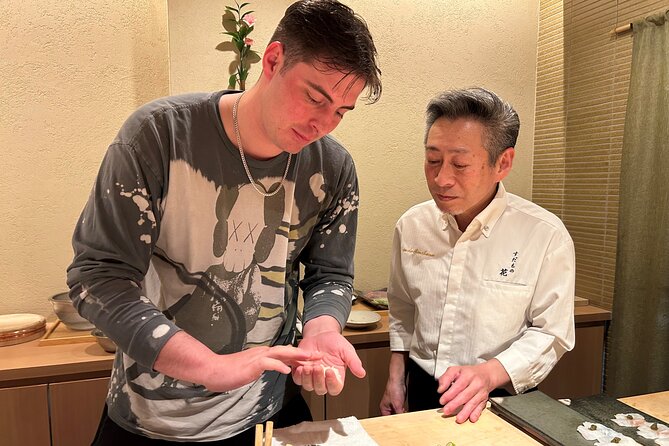
Chef Shinichi Kono has been a sushi chef for over 30 years, and the lesson shows it. The teaching style is structured—he walks you through the process step by step—so you’re not left guessing what a good sushi rice texture should feel like or how to shape without crushing it.
The reviews really underline the personal attention. People appreciated the chef’s patience and the way he tailored the experience—one standout detail is that the chef created personalized menus. That means the class isn’t just one script for everyone. Your group gets attention that matches your pace, which matters a lot when you’re dealing with rice handling and knife work.
There’s also mention of support from another instructor who handles translation and explanation. That combo is ideal: the chef speaks craft, and the support helps you connect the dots fast. In practical terms, you’ll get fewer “I think I did it right” moments.
What you learn in 2 hours: nigiri, hand-rolled sushi, and more
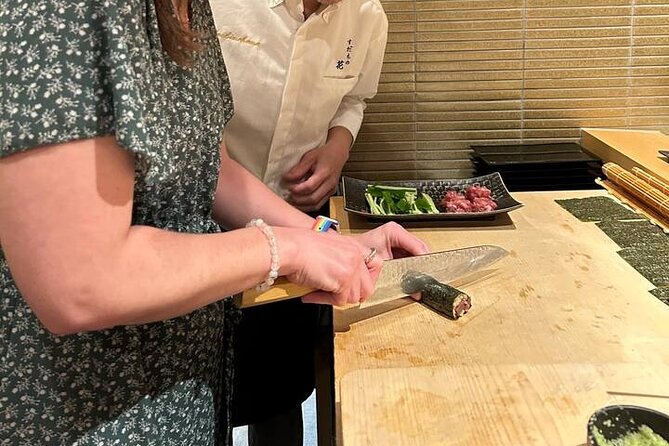
This is a 2-hour experience, starting at 12:00 pm, and it moves. That’s not a bad thing. A shorter class can actually help you stay focused and finish with food instead of lingering through endless prep.
Here’s what you can expect to make and learn during the session:
- Sushi rice basics (they handle some of the heavier prep in advance so you can start right away)
- Nigiri-style sushi (molding and topping)
- Hand-rolled sushi (a staple you’ll see all over Japan)
- Sushi rolls (as part of the set of items you create)
- Japanese egg rolls (mentioned as one of the items you learn to make)
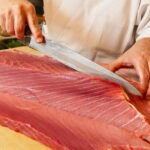
A key detail: the instructor/chef prepares the sushi rice and also has cuts of fish ready in advance. That means you’re not stuck waiting while they do all the behind-the-scenes work. You jump into the shaping and assembly—where the learning actually happens for you.
And the best part for beginners: the chef carefully instructs you one by one. So even if your sushi experience is limited to ordering in restaurants, you’ll still get structured coaching. You won’t be pressured to perform like a pro on your first attempt.
The calm Japanese space—and why it matters for learning
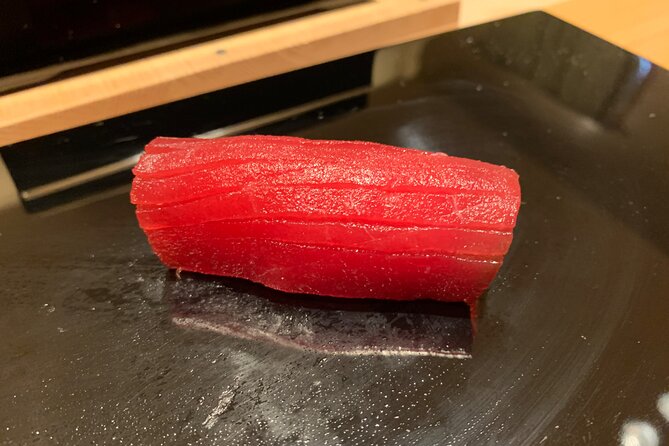
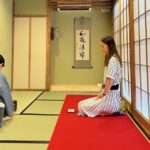
Sushi technique can be fussy. When you’re learning rice texture, timing, and handling, you want a setting that doesn’t feel chaotic. This class is described as taking place in a calm, Japanese space, and that’s not just a nice-to-have.
In a calm environment, you can actually repeat what the chef shows. You can feel the rice, adjust your hand pressure, and not panic when something sticks to your fingers. The tools and knives are described as high quality too, which also helps—you’re working with equipment that behaves like it’s meant for food service, not bargain gear.
If you’ve ever taken a cooking class where the room felt rushed or noisy, you know how much that kills your focus. This one is designed for attention.
The meal after: what you eat (and how to plan for it)
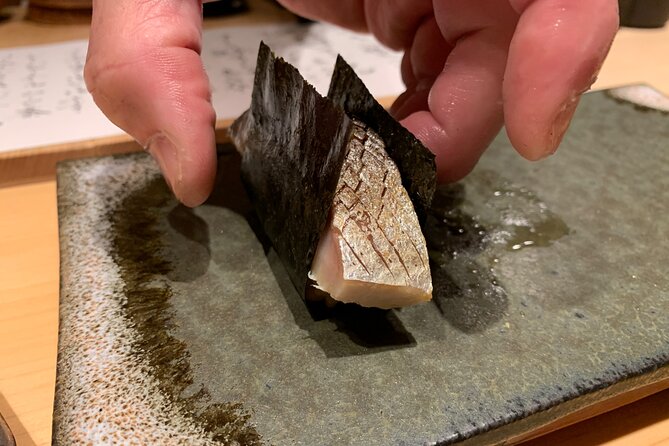
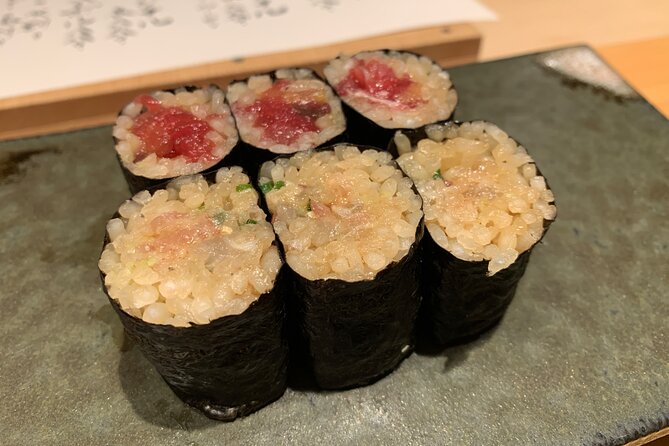
The experience doesn’t end when class ends. After making sushi, you eat what you made. That’s a big part of the value, because you get immediate feedback—what tasted right, what needed adjustment, and what your own effort produced.
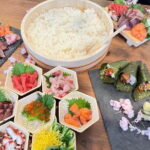
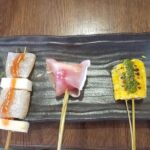
From the experience description and reviews, the meal can include more than just sushi. You might see items like:
- Soup
- Sashimi
- Mochi
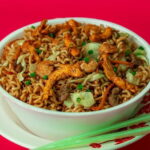
- Ramen
- Dolc (dessert)
One practical tip that keeps coming up: arrive hungry. A review advice was basically get your stomach ready because you start eating quickly. That’s solid logic here. With a class like this, you don’t want to show up already half-full from lunch.
If you’re the type who’s worried about food volume, don’t overthink it—this is a single seated experience, and you’ll get plenty of variety. But if you like to sample everything, treat it like a main meal.

Tools, knives, and ingredients: what “high quality” means in practice
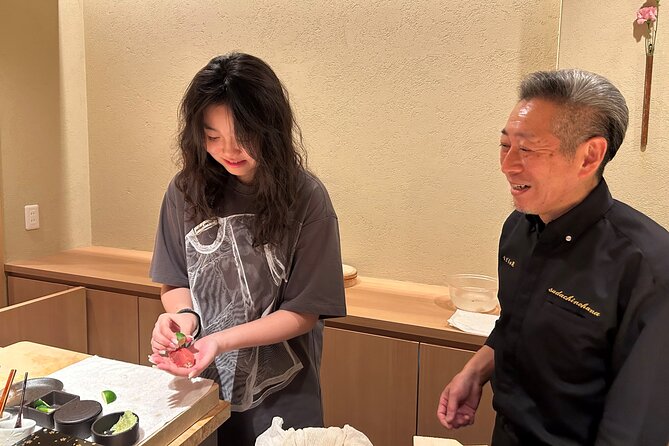
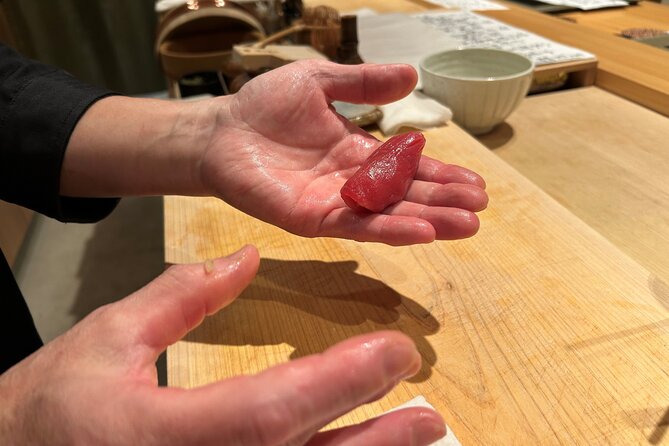
The class highlights high-quality tools and ingredients, and it’s not just marketing fluff. When you’re shaping sushi rice and assembling toppings, quality ingredients help you learn correctly. Bad fish or tired rice makes everything harder, and you can’t tell if your technique or the ingredients caused the problem.
You’ll also work with knives and other sushi-making tools. Knives matter because sushi work depends on clean cuts and careful handling. Even if you aren’t doing major knife technique, the fact that the restaurant uses proper tools tells you the standard of the kitchen.
And because Chef Shinichi Kono and his team prepare parts in advance, you’ll spend your effort on what you’re meant to learn—shaping, rolling, assembly, and getting comfortable with the feel of the process.
Where it is in Osaka, and how to make logistics painless
The meeting point is in Chuo Ward, Uemachi, at:
Japan, 〒540-0005 Osaka, Chuo Ward, Uemachi, 1-chōme−23−1 エミネンスMATOBA
(Your activity ends back at the meeting point.)
It’s near public transportation, which helps. Still, one review notes the restaurant is about 2 miles from Osaka Castle, and suggests taking an Uber from the train station to save walking. That’s good advice if your day already includes sightseeing and you don’t want to burn time on foot.
Start time is 12:00 pm, and the experience runs about 2 hours. So you’ll have a good chunk of the afternoon after, which is ideal if you want to combine this with other food stops.
Price and value: is $195.46 per person worth it?
At $195.46 per person, this isn’t a cheap class. You’re paying for three things that matter:
- A real sushi chef with 30+ years of experience (Chef Shinichi Kono)
- A private group experience (only your group participates)
- High-end ingredients and a meal that goes beyond just tasting a couple pieces
If you’re thinking, I could do a DIY sushi kit at home, you’re not wrong. But you’re not paying for a recipe—you’re paying for technique coaching and a restaurant-standard workflow. You also eat what you make, and the potential menu items (soup, sashimi, mochi, ramen, dessert) raise the value in a very real way.
One more value point: classes like this often book about 33 days in advance on average, so if you know your dates, don’t wait too long. Private, chef-led sushi sessions have a way of filling up.
If you’re traveling solo and paying for one person, it may feel steep. If you’re splitting the cost with a friend or family member, it suddenly feels more reasonable because the attention is still the same for your group.
Who should book (and who should skip)
This is a great fit if:
- You want hands-on cooking instruction rather than watching
- You’re curious about classic Japanese sushi craft—especially hand-rolled sushi and nigiri
- You value patient teaching for beginners
- You want a real restaurant meal as part of the experience
It may be less ideal if:
- You’re not interested in learning technique and just want a quick bite
- You’re allergic or have dietary needs and don’t plan to notify the team in advance
- You have kids under 11, since the experience requires 11+
Also, because it’s private, you won’t have the option to “blend in” with a bigger group. That’s great for focus, but it means you’ll get the full value (and full cost) as a set experience.
Should you book this sushi class in Osaka?
Yes—if you want a structured, chef-led sushi lesson in a real restaurant setting, this is one of the better ways to spend a couple hours in Osaka. The standout strength is the personal attention: Chef Shinichi Kono’s step-by-step teaching, plus support for beginners, plus the fact that you make multiple items and then eat them.
Book it if you’re hungry for technique and want more than a token taste. Skip it if you’re hoping for a bargain cooking class or if your travel style is all speed and street-food hopping. For many visitors, though, this is the kind of experience that turns a meal into a skill.
FAQ
How long is the sushi-making experience?
It lasts about 2 hours.
What time does the class start?
The start time is 12:00 pm.
Where does the experience take place?
It meets at Japan, 〒540-0005 Osaka, Chuo Ward, Uemachi, 1-chōme−23−1 エミネンスMATOBA.
Is this a private experience?
Yes. Only your group will participate.
Do beginners need sushi-making experience?
No. The chef will carefully instruct each person one by one, so beginners are welcome.
Is there a minimum age for children?
Yes. Children must be 11 years old or older.
What will I eat at the end?
After the experience, you’ll eat the sushi you made. Reviews also mention additional items such as soup, sashimi, mochi, ramen, and dessert.
What should I do if I have allergies or dislikes?
Let the provider know in advance about any food allergies or dislikes.