Street food night in Namba feels easy. This Osaka Food Tour takes you through Minami after dark, mixing local eateries with big-name sights like the Glico Man sign, plus a quick temple stop that feels like a reset button. The group stays small, so you’re not just queueing and photographing.
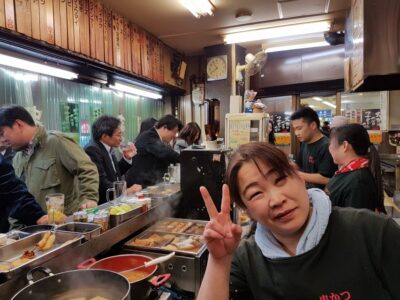
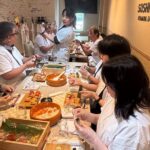
I like the food math here: 5 authentic tastings at local spots in about 3.5 hours means you get variety without having to “figure it out” street by street. I also like the human touch—full-time guides who’ve spent years living in Osaka, and guides like Kevin (seen in past groups) who can explain what you’re eating and how to order like a regular.
One thing to plan for: there’s no hotel pickup, so you’ll need to make your own way to Namba. The meet-up is at the Namba area (Exit 18 from Namba Station is the landmark), and you’ll be walking through busy streets once evening hits.
In This Review
- Key highlights at a glance
- Entering Namba at Exit 18 with a small, focused group
- 5 tastings that keep you moving and tasting (not stuck choosing)
- Takoyaki, kushikatsu, udon, karaage, dessert: the Osaka sampler menu
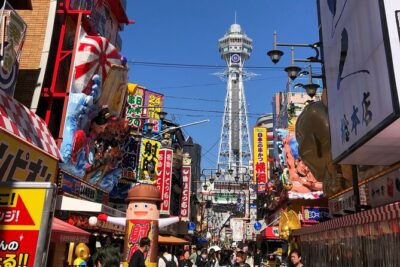
- Sennichimae and the Glico Man sign without the lost-in-the-crowd feeling
- Hozen-ji Temple: a quiet alley break near Dotonbori
- Two drinks included: how to make it fun without slowing down
- Price and value: what $90 really buys in Osaka
- Logistics you should know before you go
- Who this Osaka night suits best
- Should you book this Namba and Dotonbori food tour?
- FAQ
- Where do I meet the guide for the Osaka Food Tour in Namba and Dotonbori?
- What time does the tour start, and how long does it last?
- What’s included in the price?
- What types of food can I expect on the tour?
- Are alcoholic beverages included, and can I choose non-alcoholic?
- Is hotel pickup included?
- How big is the group?
- What ticket format do I need?
- What is the cancellation policy?
Key highlights at a glance
- Small groups (max 9): better pacing and more time to ask questions.
- 5 local eateries, multiple tastings: a sampler night that adds up fast.
- Classic Minami sights: Sennichimae area energy and the Ebisubashi/Glico Man view.
- Hozen-ji Temple stop: a calm break near Dotonbori with a simple ritual.
- 2 drinks included: you choose alcoholic or not, so it fits your style.
Entering Namba at Exit 18 with a small, focused group
This tour starts in Namba, and the easiest way to picture it is: you arrive at the station, then step straight into Osaka’s after-dark food world. You meet at 3 Chome-8 Namba, Chuo Ward (and Exit 18 from Namba Station is the key landmark). It begins at 5:00 pm and runs about 3 hours 30 minutes, finishing back near the same meeting area.
The small group size—up to 9 people—matters more than you’d think. Dotonbori and the Minami side streets can get crowded, so a big group turns into a slow-moving line. A smaller group stays flexible. It also makes it easier to actually talk with your guide instead of shouting to be heard over ramen bowls and arcade noise.
One practical note: you’ll be doing a fair amount of walking. That’s part of the point, since this area is best experienced on foot. Wear comfy shoes you’d actually wear for an evening stroll, not “only for sightseeing” shoes.
You can also read our reviews of more food & drink experiences in Namba
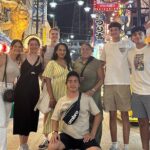
5 tastings that keep you moving and tasting (not stuck choosing)
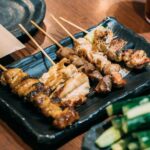
The core value is simple: dinner is built as multiple tastings at 5 authentic local eateries. The dishes change nightly, but you can expect a mix of Osaka classics such as takoyaki, kushikatsu, udon, karaage, dessert, and more.
Why this setup is smart for you:
- You don’t have to decide where to eat in a new city at 6 pm, when menus blur and lines form.
- Tastings let you try different styles—crispy, saucy, noodle-heavy—without committing to one full meal.
- Your appetite stays engaged. A good food crawl has a rhythm, not just a random stack of snacks.
From the experience’s past groups, the “full belly” feeling comes up again and again—people leave satisfied, not still hungry and roaming. That usually happens when the tastings are spread out well and you get enough variety to feel like it’s a real dinner, not just a few bites.
If you’re the type who hates surprise foods, this might feel a little risky because the specific dishes can vary by night. Still, the tour is centered on recognizable Osaka favorites, so you’re not gambling on obscure flavors.
Takoyaki, kushikatsu, udon, karaage, dessert: the Osaka sampler menu
Let’s talk about what these foods usually taste like, and why they’re a good match for a short evening tour:
Takoyaki: little octopus balls, typically crispy outside with a soft interior, often served with a sweet-savory sauce and toppings. Great for a first or mid-stop snack because it’s easy to eat while walking.
Kushikatsu: skewered items, usually breaded and deep-fried. It’s a hands-on food, and it’s one of those Osaka specialties that feels very “local night out.” Expect the meal to be more filling than you think.
Udon: thick noodles that can be brothy and comforting. In this tour’s orbit, you may run into udon styles where tofu shows up—one guide-led stop is remembered for udon with tofu. (Even if the exact bowl changes, the udon stop is still the “slow down and enjoy” moment.)
Karaage: Japanese-style fried chicken—crispy, salty, and addictive. It pairs well after savory fried items, because you’ll get that satisfying crunch payoff again.
Dessert: the soft landing after fried foods. It also helps you avoid the classic mistake of needing a sweet fix but running out of time.
The most practical tip I can give you: don’t “save room” by eating a huge late lunch. You’ll want to arrive hungry enough to actually enjoy multiple tastings without forcing it.
Sennichimae and the Glico Man sign without the lost-in-the-crowd feeling
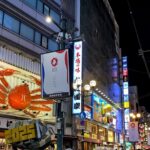
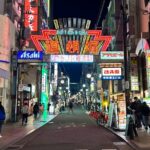
A big part of this tour is about location. You’ll spend time in the Namba/Dotonbori Minami zone, including the Sennichimae area. Sennichimae sits just east of Dotonbori and has that classic Minami vibe: bright signage, game arcades, ramen spots, and kushikatsu everywhere you look. The main drag can get busy, so your guide’s role is practical—timing you through the crowd and pointing you toward food spots you likely wouldn’t find on your own.
Then there’s the Osaka Glico Man sign, towering above the canal near Ebisubashi Bridge. It’s one of those landmarks that feels instantly familiar once you see it in person. This tour includes the photo-and-orientation moment, which is worth it even if you’ve already seen pictures online.
If you’re planning your own night in Osaka later, this is also where the tour helps you get your bearings. After you’ve seen the sign in place and walked the surrounding streets once with a guide, you’ll understand how the whole Minami area connects—so your second-night exploring is easier.
Hozen-ji Temple: a quiet alley break near Dotonbori
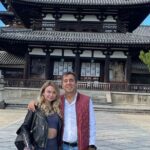
After the neon and fried food energy, the Hozen-ji Temple stop is the tonal change you didn’t know you needed. It’s a short walk down a quiet alley from the Dotonbori street scene, and the vibe shifts from loud to calm in minutes.
Hozen-ji is known for its Fudo Myo-o statue. Visitors use a ladle to sprinkle water over the statue. It’s a small ritual, but it gives the tour a grounded, local layer—something beyond just eating and snapping photos.
This stop lasts about 10 minutes, and admission is free. Even if you’re not a temple person, it’s a smart pause during a food-focused evening. You’ll likely find you can taste and appreciate the next bite better after that short reset.
You can also read our reviews of more tours and experiences in Namba
Two drinks included: how to make it fun without slowing down
The ticket includes 2 drinks. You can choose whether they’re alcoholic or not, which is a nice flexibility if you want to stay sharp or you’re pacing yourself. The info also notes that if you’re lucky, the guide may add a couple more.
For most people, this is what turns the tour from a basic “eat sampler” into an actual night out. You’re not paying extra at each stop just to keep the momentum going.
My advice: treat the drinks like part of the experience, not a race. Osaka food crawls already move quickly through rich, fried items. If you pick alcoholic drinks, just keep an eye on pace so you can enjoy the final stops (and not spend them googling how to find water).
Price and value: what $90 really buys in Osaka
At $90 per person, you’re paying for three things:
- Guide time over a 3.5-hour evening in a tight area.
- Five tastings at local eateries (and the food typically isn’t “tiny bites”).
- Two included drinks, plus optional extra if you’re lucky.
If you try to recreate this on your own, the hidden cost is time and decision stress. You have to pick restaurants, interpret menus, deal with lines, and still manage a route. A guided food tour compresses all that into one smooth plan.
Is it for everyone? It’s best value when you:
- Want to eat multiple Osaka staples in one night.
- Don’t want to spend hours researching where to go.
- Like hearing practical context about the food and the neighborhood.
If you’re already a confident Osaka navigator who loves planning your meals carefully, you might feel $90 is a bit much. But if you want a low-stress “just follow” night with real local eating, it’s priced like a convenient dinner plus an orientation walk.
Also, it’s commonly booked about 28 days in advance, so if you’re traveling during peak season, plan ahead.
Logistics you should know before you go
A few practical details make or break a walking food tour:
- No hotel pickup. You meet at the Namba area (Exit 18 is your landmark). If you’re staying elsewhere, plan a quick train or short walk to Namba.
- Near public transportation. That’s good news: you’re not stranded in a far neighborhood.
- Mobile ticket. You won’t be hunting for printed paper at the last second.
- Ends back at the meeting point. So you can line up your next plan without a long “where do we go now?” puzzle.
One more small but important idea: because extra snacks and extra drinks beyond the included tastings aren’t included, it helps to bring a little spending money if you get the sudden urge for one more street snack at the end.
Who this Osaka night suits best
This is a strong pick if you want:
- A fun, structured way to experience Namba and Dotonbori.
- A local-feeling route that includes both big sights (Glico Man) and smaller quiet spots (Hozen-ji alley approach).
- A guide who keeps things friendly and talk-friendly. Past groups highlight that the guides bring humor and make people comfortable, including when they speak Japanese well enough to handle real-world ordering and explanations.
It may be less ideal if you prefer:
- A fully private experience with zero walking or zero crowd proximity.
- A tour that sticks strictly to one kind of food.
- A long, slow meal pace. This is a short-and-satisfying evening format.
Should you book this Namba and Dotonbori food tour?
Book it if you want a low-stress Osaka dinner night that stacks multiple classics, includes drinks, and gets you through the Minami maze with a small-group guide. It’s also a great “first Osaka night” choice because it helps you learn where things are in the area fast, so your later roaming feels easier.
Skip it if you hate walking, you strongly want hotel pickup, or you’re only interested in a single type of food and you’d rather plan each stop yourself.
If you do book, come ready for a full evening: arrive a bit hungry, wear comfy shoes, and plan to enjoy the mix—neon sights, fried-and-noodle tastings, then a quick temple pause before you head back out.
FAQ
Where do I meet the guide for the Osaka Food Tour in Namba and Dotonbori?
You meet at 3 Chome-8 Namba, Chuo Ward, Osaka 542-0076, Japan. Exit 18 of Namba Station is listed as a meeting landmark, and the tour ends back at the meeting point.
What time does the tour start, and how long does it last?
The tour starts at 5:00 pm and lasts about 3 hours 30 minutes.
What’s included in the price?
The price includes dinner with multiple food tastings at 5 authentic local eateries, plus 2 drinks.
What types of food can I expect on the tour?
The dishes change nightly, but you can expect Osaka staples like takoyaki, kushikatsu, udon, karaage, dessert, and more.
Are alcoholic beverages included, and can I choose non-alcoholic?
Yes—2 drinks are included. Whether they are alcoholic is up to you.
Is hotel pickup included?
No. The tour does not include private transportation or hotel pickup. Private tours may offer pickup if you message to organize it.
How big is the group?
The maximum group size is 9 travelers.
What ticket format do I need?
This experience uses a mobile ticket.
What is the cancellation policy?
You can cancel for a full refund up to 24 hours before the experience’s start time. If you cancel less than 24 hours before, you won’t receive a refund.