REVIEW · OSAKA
Premium Go-Kart Experience Through Osaka’s Best-Known Landmarks
Book on Viator →Operated by Monkey Adventure Kart · Bookable on Viator
Osaka by go-kart feels like the city turned sideways. This premium ride uses custom-wrapped, LED-lit karts and a guided route built around the places you keep seeing in photos anyway. I also like that the international guides can meet you in your own language, so instructions and small course corrections feel clear.
One key consideration: you’ll need the required paperwork before you can drive. Osaka law means you must show a hard-copy International Driving Permit (issued under the 1949 Geneva Convention) or another approved license.
In This Review
- Key highlights you’ll actually care about
- A street-level Osaka loop on custom LED go-karts
- Price and what makes it feel like value
- Where you start: Monkey Adventure Kart Osaka
- Safety briefing comes first, then you choose the fun stuff
- The driving permit requirement you should not ignore
- Tsutenkaku: first landmark energy from the road
- Tennoji Temple: shifting tone while you stay in motion
- Dotombori Glico Sign: built for photos you’ll actually keep
- Shinsaibashi: the ride through one of Osaka’s key shopping corridors
- Nihonbashi: a different Osaka feel between famous stops
- Dotonbori District: finish where the neon and energy live
- Photo sharing is part of the package, not an afterthought
- The guide factor: why Matt’s name keeps coming up
- Small group size and why it changes the feel
- Who should book this go-kart tour
- Quick call: should you book Monkey Adventure Kart Osaka?
- FAQ
- How long is the go-kart experience?
- How much does it cost per person?
- What are the main stops on the route?
- Is a mobile ticket used?
- Do I get photos after the tour?
- Do I need an International Driving Permit to drive?
Key highlights you’ll actually care about
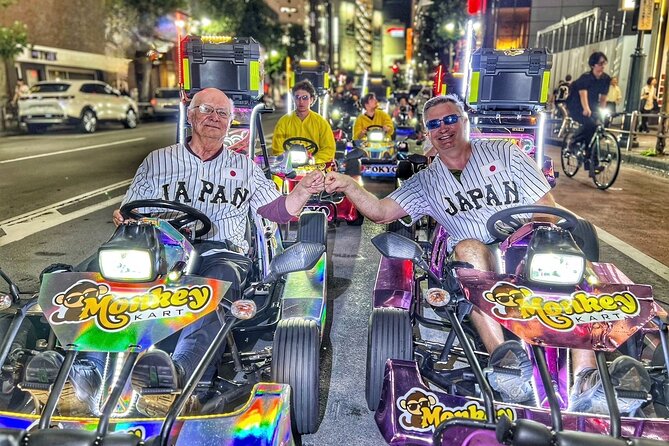
- Custom LED kart design makes night-and-sign photos look way better than standard rentals
- International guides help you stay comfortable and understand what’s happening
- Route hits major Osaka icons in one guided loop instead of scattered metro hops
- Photo delivery is built in via AirDrop/email plus one hard-copy print per person
- Small groups (max 4) help the ride feel controlled and personal
- Costume option adds a fun layer without needing extra planning
A street-level Osaka loop on custom LED go-karts
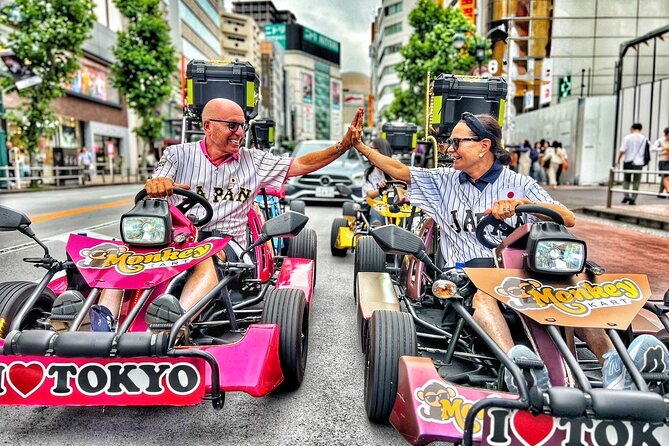
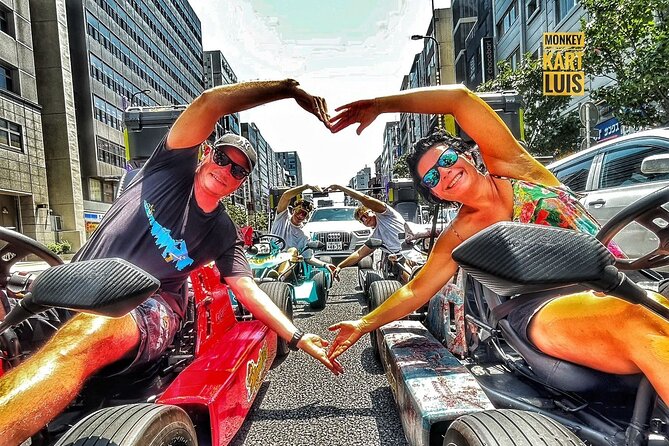
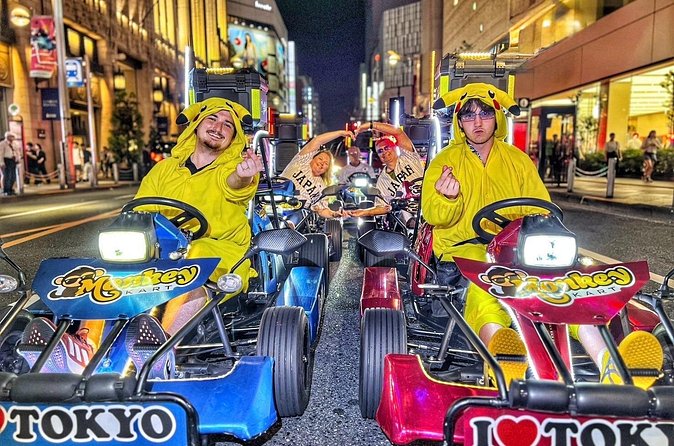
This is a guided go-kart experience that’s designed less like an amusement add-on and more like a practical way to see Osaka’s famous areas in a short window. The go-karts themselves are dressed up with custom wraps and LED lighting, so you’re not just driving through the city—you’re also producing instant, Instagram-ready visuals as you move.
The fact that your guide is international matters more than it sounds. When you can communicate comfortably in your language, you get better safety briefings, fewer awkward moments, and a smoother ride overall. It also helps if you’re traveling solo or with a friend who wants the trip to feel organized rather than chaotic.
And yes, it’s sightseeing from street level. That changes everything: instead of looking at Osaka through a train window, you’re close enough to feel the pacing of each district as you roll through it.
You can also read our reviews of more tours and experiences in Osaka.
Price and what makes it feel like value
At $76.88 per person for about 1 hour 20 minutes, you’re paying for four things at once:
- A premium kart (not just a basic vehicle)
- A professional guided route through standout Osaka areas
- Photo service delivered to you after the ride
- A small-group setting (max 4), which usually means less waiting and more time on course
If you normally spend money on separate “things to do” (like paying for a guided city walk plus a photo service), this bundles the best parts into one slot. The route planning also reduces the mental work of building your own itinerary around signage and districts.
One more practical point: you’re trading some flexibility for efficiency. You’re on the guide’s route, in the guide’s timing. If you want to wander freely for hours at your own pace, this won’t be that kind of experience. But if you want a focused, high-impact way to see Osaka, it’s strong value.
Where you start: Monkey Adventure Kart Osaka
You’ll meet at Monkey Adventure Kart Osaka at 6-chōme-2-13 Ebie, Fukushima Ward, Osaka. The location is listed as near public transportation, which helps if you’re hopping off trains and buses that day.
Plan to arrive with enough time to settle in before you get moving. You’ll want to be ready for the safety briefing and any extra setup your group needs (like selecting a costume). A smooth start also makes the ride itself feel calmer.
Safety briefing comes first, then you choose the fun stuff
The tour begins with a thorough safety briefing and instructions from your professional guide. Even if you’ve driven karts before, I’d treat this as non-negotiable. It’s the difference between feeling in control and feeling stressed.
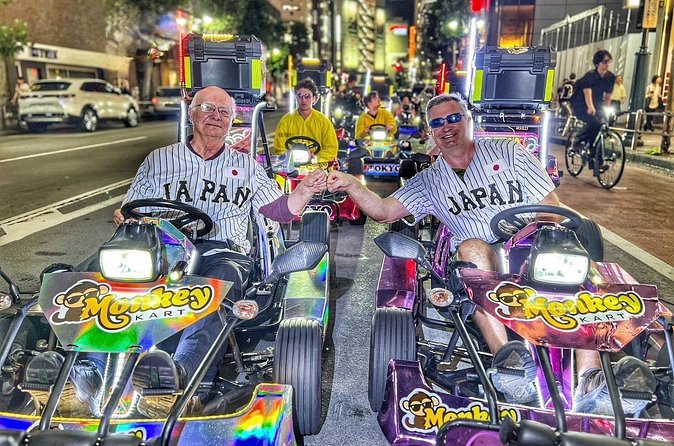
Then you get a choice that’s surprisingly effective for the vibe: you can dress up in a costume. It’s optional, but it turns the ride from just sightseeing into a full-on street performance. And when the karts are already wrapped in custom designs with LED lighting, the costumes make the photos look more playful instead of purely posed.
The guide’s role matters here. A well-run kart tour isn’t about speed—it’s about keeping everyone coordinated while you pass the city’s major sights.
The driving permit requirement you should not ignore
Before you go, understand the permit rule. You must have a hard-copy International Driving Permit issued under the 1949 Geneva Convention (or another approved license) in line with Japanese law.
This is the biggest make-or-break detail for your trip. It’s also why this tour may not be the right choice for everyone. If you don’t already have the paperwork, you’ll likely be stuck adjusting plans last-minute.
If you do have the right permit, you’ll be set. And once you’re on the road, the experience becomes a much more carefree kind of fun because you’re not worrying mid-ride about what you’re allowed to do.
Tsutenkaku: first landmark energy from the road

Your first stop is Tsutenkaku. Starting here works well because it gets you into the Osaka mindset right away. Early in the ride, you’re fresh, you’re learning the flow of your kart, and you’re close to one of the recognizable local landmarks that people point to when they talk about Osaka’s street identity.
Why this stop makes sense:
- It’s a quick ignition point for photos and atmosphere
- You’re still getting comfortable with the ride before you move into the busier areas
- You can shake out any nerves before the neon-heavy districts
The only drawback is also simple: if you’re hoping for long, slow stops, this is still a guided kart loop. Expect short, purposeful moments rather than extended sightseeing time.
Tennoji Temple: shifting tone while you stay in motion

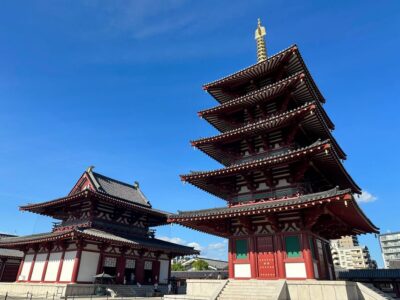
Next you’ll head to Tennoji Temple. This stop adds a different tone to the experience. Even without getting out for a long visit (timing is tight in a kart tour), being near a temple area gives the ride a sense of Osaka’s contrast—street scenes and spiritual spaces living side-by-side.
What to look for:
- Visual focus and calmer surroundings compared to the commercial districts
- The way the kart viewpoint changes how you see the architecture and street rhythm
In a practical sense, this stop also helps break up the more sign-and-shopping-heavy segments that come later. It keeps the tour from feeling like one long neon sprint.
Dotombori Glico Sign: built for photos you’ll actually keep

Your route then moves to the Dotombori Glico Sign. This is one of those Osaka icons that works perfectly with a go-kart format. You’re not just standing at the edge of a crowd—you’re rolling through the scene with the guide, which means the photos can capture both the landmark and the momentum of the district.
If you care about photos beyond a quick phone snapshot, this is likely the highlight for you. The LED-lit kart design also helps the signage pop in pictures, especially around evening light when the streets start to glow.
Two practical photo tips:
- Keep your phone secure but reachable for stop moments
- Don’t overcomplicate framing—aim to capture the kart + landmark combo, not just the sign alone
Shinsaibashi: the ride through one of Osaka’s key shopping corridors
Next up is Shinsaibashi. This is where the tour leans into the high-energy Osaka feel. From a kart viewpoint, these shopping corridors read differently than they do from the sidewalk. You see the street lines, storefront rhythm, and crowd movement from a slightly elevated, forward-driving perspective.
Why it’s valuable on this tour:
- It’s efficient: you cover the district without needing to plan a walking route
- Your guide keeps you moving through the best segments instead of getting stuck at awkward turns
- The kart viewpoint helps you understand the layout faster than a map ever will
A minor consideration: if you’re someone who hates crowds, you’ll still be in a busy Osaka area at full daylight or evening energy. The guide and small group size help, but this is still a famous district.
Nihonbashi: a different Osaka feel between famous stops
You’ll also pass through Nihonbashi. It’s an important connector stop that keeps the route from feeling like a straight line between two points. Nihonbashi tends to give that “main Osaka” vibe—more everyday urban texture, less stage-managed tourism feeling.
On a go-kart, this kind of district is great because:
- You get variety in scenery within the same ride
- You can spot how different neighborhoods blend into each other
- It adds depth to your Osaka day beyond the one iconic sign moment
Also, since the tour is small (max 4), you’re more likely to keep your attention on the sights rather than constantly negotiating space.
Dotonbori District: finish where the neon and energy live
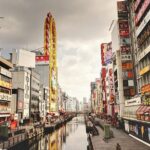
Your final set of sights includes the Dotombori District. If you’ve ever seen Osaka photos, Dotonbori is usually part of that story. Ending here makes sense because it leaves you with the strongest impression while you’re still fully in the ride rhythm.
This stop is ideal for:
- Capturing the district’s overall street mood
- Getting one last set of landmark photos while everything still feels exciting
- Closing the loop of your Osaka route with maximum atmosphere
A good mindset: treat this as the ride’s finale energy, not a museum-quality visit. You’re collecting impressions—movement, lighting, signage, street texture.
Photo sharing is part of the package, not an afterthought
One of the best practical perks is the photo service. At the end of the tour, photos are shared with you via AirDrop or email, and you also receive one hard copy photo per customer.
That’s valuable for a simple reason: it saves you time. You don’t have to spend the whole ride stopping to photograph everything one-handed while thinking about which shots came out. The guide handles the photo capture, and you get a set you didn’t have to work for.
Also, the hard copy print is a nice touch for anyone who likes tangible souvenirs. Digital photos are great, but printed keepsakes can be surprisingly satisfying.
The guide factor: why Matt’s name keeps coming up
In the standout feedback I’ve seen about this operator, the guide experience is a major part of why people recommend it. One guide named Matt has been praised for being helpful, friendly, and professional, and for making guests feel comfortable.
That matters because kart riding is part driving, part teamwork. A guide who stays organized and explains what to do helps you enjoy the scenery instead of worrying about the mechanics.
For you, the takeaway is simple: pick the tour because you want a guided experience, not because you just want a kart. The guide turns a route into a story.
Small group size and why it changes the feel
This activity has a maximum of 4 travelers. Smaller groups usually mean:
- Less waiting
- More attention from the guide
- Easier coordination during turns and stop moments
In a city like Osaka, where famous districts can feel busy, the small size also makes the experience feel more controlled and less like a production line.
Who should book this go-kart tour
This tour is a great fit if you:
- Want a fast, fun way to see multiple iconic districts in one outing
- Like the idea of custom LED karts and photo-ready scenes
- Appreciate a guide who communicates clearly and keeps things safe
- Prefer small groups over large tour crowds
It’s less ideal if you:
- Don’t have the required hard-copy driving permit
- Prefer long, unscripted wandering stops instead of a guided loop
- Want a quiet, contemplative pace
Quick call: should you book Monkey Adventure Kart Osaka?
I’d book this if your goal is a memorable Osaka day with minimal planning and strong photo value. The combination of iconic districts, premium kart visuals, and included photo delivery via AirDrop/email makes it feel like more than just transportation—it’s an experience product.
But don’t treat it like a last-minute option. Secure your driving permit early, and plan around good weather because the tour is described as weather-dependent. If you can handle those two things, this is one of the more entertaining ways to connect Osaka’s famous neighborhoods in a single hour-and-something.
FAQ
How long is the go-kart experience?
The duration is approximately 1 hour 20 minutes.
How much does it cost per person?
The price is $76.88 per person.
What are the main stops on the route?
The stops include Tsutenkaku, Tennoji Temple, Dotombori Glico Sign, Shinsaibashi, Nihonbashi, and the Dotonbori District.
Is a mobile ticket used?
Yes, the tour uses a mobile ticket.
Do I get photos after the tour?
Yes. Photos are shared with you via AirDrop or email, and each customer also receives one hard copy photo.
Do I need an International Driving Permit to drive?
Yes. Participants must have a hard-copy International Driving Permit issued under the 1949 Geneva Convention (or other approved licenses in accordance with Japanese law).