REVIEW · OSAKA
1.5〜2 Hours Traditional Kintsugi Work Shop in Namba Osaka
Book on Viator →Operated by Zenkei 金継ぎ体験 · Bookable on Viator
Kintsugi turns breaks into character. In Namba, Osaka, this small-class workshop lets you learn the Japanese repair method using lacquer and gold, then decorate your own 23K gold plate in a traditional setting.
I especially like the max five-person size, which keeps the pace relaxed and the help close. You also get real materials and a finished result you’ll bring home later, not just a quick souvenir photo.
One thing to plan around: you won’t have the finished piece immediately. The lacquer needs time to cure, and your plate arrives after curing, so you’ll need to be patient.
In This Review
- Why I’d Pick This Class Over a Quick Craft
- Key Details Up Front (Before You Commit)
- What You’ll Do in This Kintsugi Workshop (In Plain Steps)
- A Kura-Style Workshop Where Repair Gets Treated Like Art
- What You Make: A Kintsugi Plate with 23K Gold Powder
- The Hands-On Flow: History, Lacquer, Gold, and Curing Time
- Matcha and Small Extras That Add Local Flavor
- Price and Shipping: When $125.53 Actually Makes Sense
- Finding the Workshop in Namba: Use Public Transit and Save Time
- Who This Workshop Is For (and Who Should Skip It)
- The Bottom Line: Should You Book This Kintsugi Class?
- FAQ
- How long is the kintsugi workshop in Namba?
- How big is the class?
- Do I get materials and a finished item?
- How does shipping work for the plate?
- What if I have a lacquer allergy?
- What’s the cancellation window?
Why I’d Pick This Class Over a Quick Craft
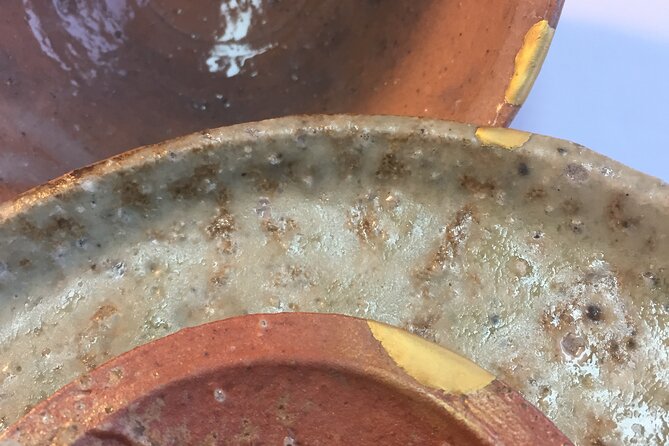
The workshop is built around doing the core steps yourself, guided by Zenkei and his team (names like Jo/Josuke come up often in past classes). That means you spend time on the actual technique—lacquer, then adding gold powder—rather than just watching a demo.
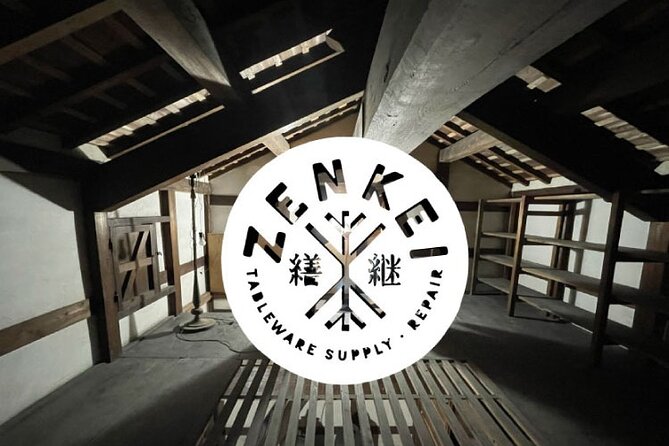
The setting also matters. The class happens in a Kura-style traditional wooden building, and after you work, you can look around the studio’s Japanese art and antiques gallery. It’s a simple add-on, but it makes the experience feel rooted in place, not staged for tourists.
Key Details Up Front (Before You Commit)
This workshop is priced at about $125.53 per person, and the value depends on where you want the plate sent. Domestic shipping within Japan is listed as free, while international shipping has a fee (5,000 yen). So if you’re planning to ship home, factor that into your total cost.
You can also read our reviews of more tours and experiences in Osaka

What You’ll Do in This Kintsugi Workshop (In Plain Steps)
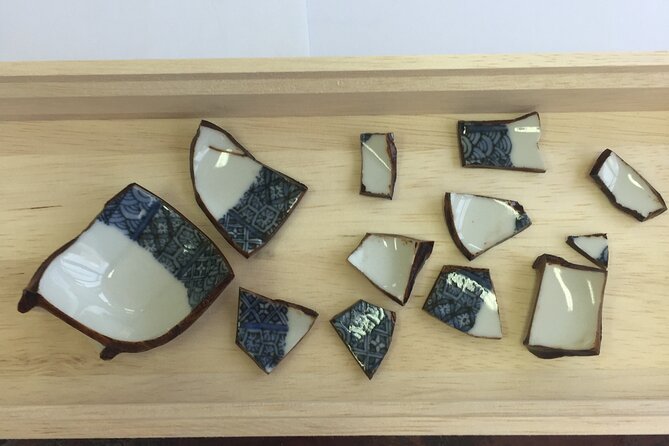
Hands-on kintsugi with 23K gold powder: You’ll use lacquer and sprinkle gold powder to decorate your plate.
Small group support (up to five people): Instruction stays personal, so you’re not stuck figuring things out alone.
A traditional Kura workshop setting: Wooden architecture, plus a studio gallery of Japanese art and antiques.
Learn the story behind the technique: You’ll go through kintsugi background and lacquer history, not just the motions.
You’ll finish with a take-home plate: Your decorated plate is prepared for delivery after curing.
Bonus cultural breaks like matcha: Several past classes mention matcha tea making and tasting (and sometimes small treats) at the end.
A Kura-Style Workshop Where Repair Gets Treated Like Art
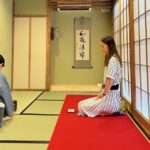
This is the kind of workshop that feels calm even though it’s creative work. You’ll be in a traditional wooden building called a Kura, and the atmosphere is exactly what you’d hope for: quiet enough to focus, with a gallery of Japanese art and antiques that gives you something to look at between steps.
In practice, that design choice changes your experience. When the environment looks and feels historic, kintsugi stops being a craft you do for an hour and becomes a way of understanding how Japanese makers think about value and repair.
What You Make: A Kintsugi Plate with 23K Gold Powder
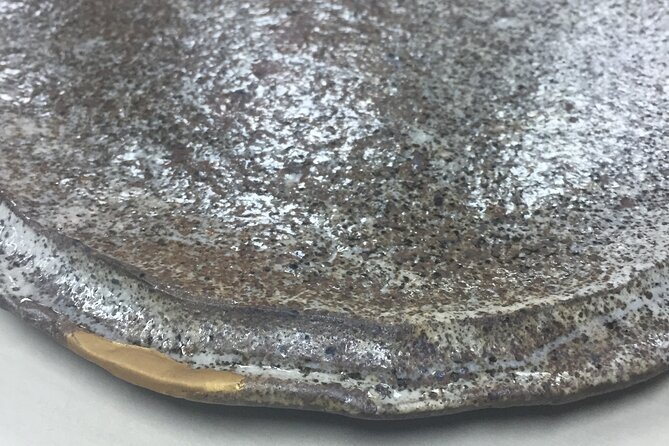
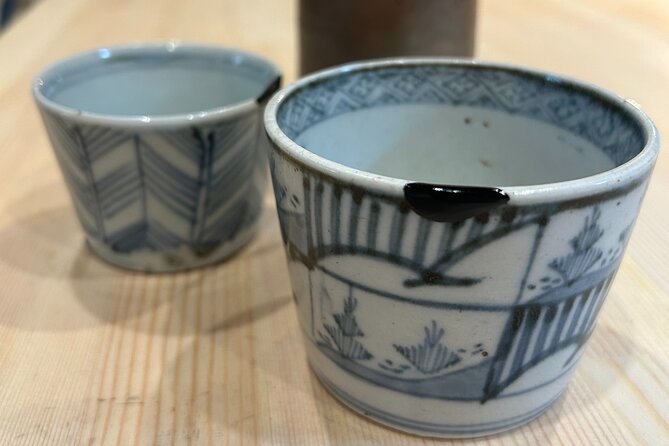
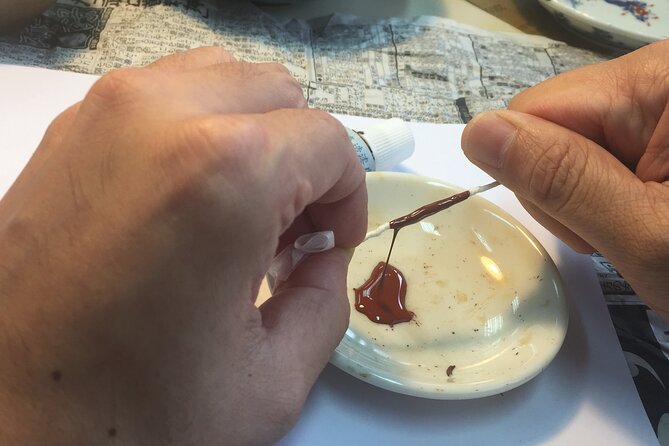
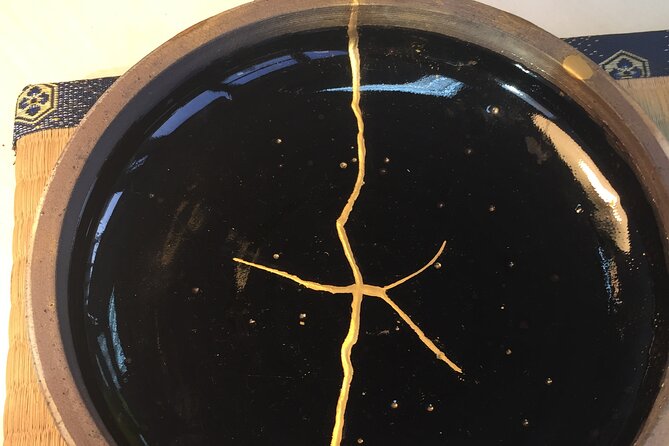
Your project is a decorated kintsugi plate, created for you to take home (delivered after curing). The method uses lacquer to bond the repair area, and then gold is applied so the repaired lines show clearly instead of hiding damage.
The specific highlight here is the gold-powder step: you sprinkle 23K gold as part of the decoration. That’s the visual magic people associate with kintsugi—the contrast between the repaired seam and the original form.
It also helps that the materials are handled for you. The workshop provides what you need, so you’re not hunting down lacquer tools, gold powder, or a confusing shopping list when you arrive in Osaka.
The Hands-On Flow: History, Lacquer, Gold, and Curing Time
The class runs about 1 hour 30 minutes. That time is used in a deliberate order: you start with kintsugi and lacquer history, then move into the making steps, then finish by completing and preparing your plate for the next stage.
Here’s what you can expect during the main workshop block:
- Learn traditional kintsugi background and lacquer history
- Decorate your kintsugi plate using gold powder
- Make your own plate using the lacquer-and-gold process
A crucial reality check: you won’t get your final piece instantly. After you complete your part, your plate is sent for curing and finished for delivery in 5 to 7 days. One instructor note in past classes is that the lacquer drying stage takes about 24 hours, which explains why you need that waiting window.
So if your trip has tight timing, plan around it. This is a great choice if you’re comfortable with receiving your souvenir later by mail, or if you can wait until it arrives.

Matcha and Small Extras That Add Local Flavor
Even though this is centered on kintsugi, the experience often includes a small cultural bonus. Multiple previous participants mention matcha preparation at the end, and a few also describe small treats like mochi.
This is worth caring about because it slows everything down after the hands-on work. You’re not rushing out the door to the next Osaka stop. Instead, you get a quiet landing moment, which fits the philosophy behind kintsugi: repair as a process, not a punchy one-time action.
Price and Shipping: When $125.53 Actually Makes Sense
Let’s talk value in real terms. At about $125.53 per person, you’re paying for:
- A small group class (up to five people)
- Instruction on traditional technique and the meaning behind it
- Provided materials
- A finished piece delivered after curing
Then there’s shipping. For domestic addresses in Japan, shipping is listed as free. For international shipping, there’s a 5,000 yen shipping charge.
If you’re thinking about this like a souvenir purchase, it costs more than a typical market trinket. But if you think of it like a guided craft lesson with materials and a repaired-art outcome that will actually live on your shelf, it becomes easier to justify. You’re buying time, technique, and an object with a story.
Finding the Workshop in Namba: Use Public Transit and Save Time
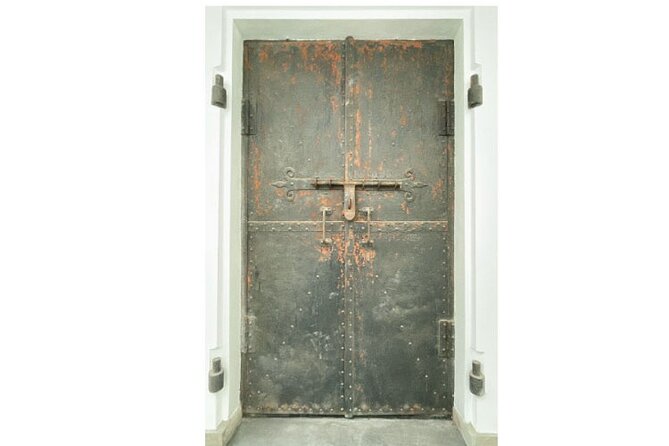
The meeting point is in Naniwa Ward, Motomachi, at the address listed as Japan, 556-0016, Osaka, Naniwa Ward, Motomachi, 2-chōme 6-30 (マンション ニューナンバ / New Namba Mansion area). It’s near public transportation, which matters because Namba can be a maze once you get off the station.
One practical tip from past participants: give yourself a few extra minutes to locate the entrance. The neighborhood is busy, and the studio is in a building setting, not a big storefront. If you arrive right at the start time, you’ll feel rushed.
Who This Workshop Is For (and Who Should Skip It)
This is a great fit if you want something hands-on in Osaka that doesn’t feel generic. The small class size helps a lot if you like asking questions or want your steps explained without feeling crowded.
It also fits people who love Japanese crafts, pottery, or the idea of repair-as-beauty. Kintsugi isn’t about hiding a flaw. It’s about turning it into part of the design.
Two groups should think twice:
- If you have a lacquer allergy, this is not recommended.
- If you need an item in your hands the same day, you’ll need to plan for delivery after curing.
Service animals are allowed, and most people can participate. If you’re unsure, double-check any allergy or fragrance concerns related to lacquer before you book.
The Bottom Line: Should You Book This Kintsugi Class?
Book it if you want a calm, authentic-feeling craft session with real instruction, a small group, and a finished piece created through lacquer and gold—not just a quick craft activity. I’d especially recommend it if you’re okay receiving your plate after curing, since that waiting time is part of how the craft works.
Skip it if you can’t handle the delay for delivery, or if lacquer is an issue for you. And if you’re hoping for a purely immediate souvenir, look elsewhere.
If you do book, treat it like a slower pause in Osaka. You’re not just making something pretty—you’re learning a mindset about repair that you’ll actually carry home.
FAQ
How long is the kintsugi workshop in Namba?
The class lasts about 1 hour 30 minutes (approx.).
How big is the class?
The workshop has a maximum of five travelers, so instruction stays personal.
Do I get materials and a finished item?
Materials are provided, and you’ll make a kintsugi plate. Your finished decorated plate is prepared for delivery in about 5 to 7 days after the course.
How does shipping work for the plate?
Domestic shipping to an address in Japan is free of charge. International shipping is available, but it includes a shipping cost of 5,000 yen.
What if I have a lacquer allergy?
This workshop is not recommended for people with a lacquer allergy.
What’s the cancellation window?
You can cancel for a full refund up to 24 hours before the experience’s start time. If you cancel within 24 hours of the start time, the amount paid is not refunded.