REVIEW · OSAKA
Mount Koya from Osaka: Cultural Small Group Day Tour
Book on GetYourGuide →Operated by 万達旅運株式会社 · Bookable on GetYourGuide
A silent walk on sacred cedar paths. This day trip hits the big spiritual sites on Mount Koya with a guided rhythm that makes the meaning stick, not just the photos. I especially loved the Okunoin Cemetery walk through the cedar-lined trail and mossy tombstones, and I also really enjoyed the Shojin Ryori lunch—simple, seasonal, and made for calm. One consideration: it’s a long day with a fair amount of walking, so you’ll want solid shoes and patience.
What makes it work well is the flow. You’re guided to Kongobuji Temple, you get time at the largest Zen rock garden in Japan, and then you slow down for a hands-on practice—either sutra copying or (depending on temple availability) observing a Goma fire ritual.
If you like temples but you also like understanding what you’re looking at, this is a strong choice. It’s not a quick sightseeing sprint; it’s a guided day on a sacred mountain with real structure, so you can focus.
In This Review
- Key highlights at a glance
- Mount Koya From Osaka: A 12-hour day with real temple pacing
- Okunoin Cemetery: the cedar trail, the tombstones, and silence that hits
- What you should do with your time there
- The one practical snag
- Shojin Ryori lunch: vegetables with rules, and why that matters
- Why this lunch is more than a meal
- What to keep in mind
- Kongobuji Temple and Banryutei: sliding doors and the garden that tells a story
- If you’re not a big temple person
- Shakyo sutra copying class (or Goma fire ritual): slow hands, loud meaning
- Shakyo sutra copying
- Goma fire ritual (depending on what’s available)
- What you can control
- Danjo Garan and Reihokan Museum: seeing the site as a designed whole
- Logistics and timing: how to not feel rushed on Mount Koya
- Price and value: does $251 make sense for a Mount Koya day?
- Should you book this Mount Koya day tour?
- FAQ
- How long is the Mount Koya from Osaka tour?
- Where is the pickup in Osaka?
- How much walking is involved?
- Is Shojin Ryori lunch included, and what is it like?
- Do I get to do sutra copying on this tour?
- Is a Goma fire ritual included?
- What other major stops are part of the day?
- What should I bring for the day?
- Is there a minimum number of participants?
Key highlights at a glance
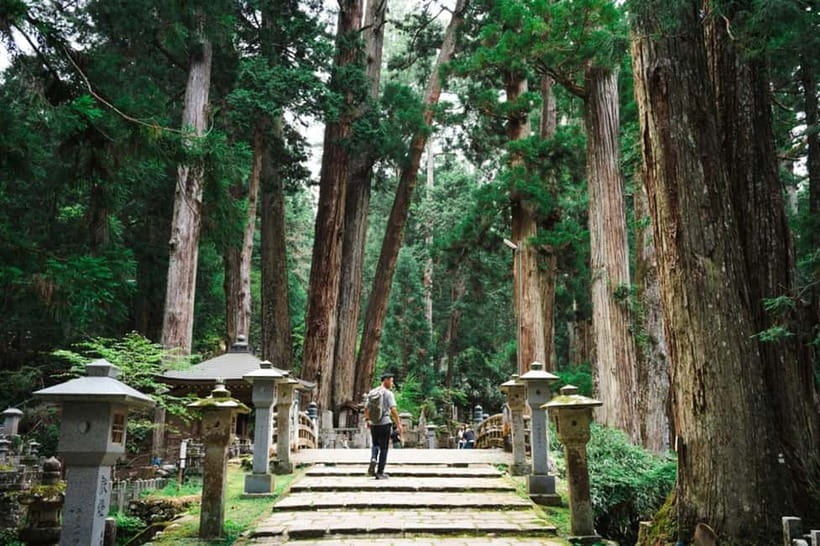
- Okunoin Cemetery cedar trail: A stone-paved walk lined with ancient cedar and thousands of moss-covered tombstones.
- Shojin Ryori lunch, genuinely Buddhist: No meat, fish, or strong seasonings, with seasonal vegetables and mindful preparation.
- Kongobuji Temple and Banryutei rock garden: See sliding doors with ink paintings, then the garden symbolizing dragons emerging from clouds.
- Shakyo sutra copying class (or Goma): A calm, meditative copying session, or a chance to observe a fire ritual depending on what’s available.
- Danjo Garan complex + Reihokan Museum: A mandala-like arrangement of halls and pagodas, paired with a guided museum stop.
Mount Koya From Osaka: A 12-hour day with real temple pacing
This tour is built for one goal: getting you from Osaka to Mount Koya and back with minimal hassle, then filling your time with the sights that actually define the place. You start with hotel pickup in central Osaka, then ride by private, comfortable vehicle toward the mountain. Along the way, your professional English-speaking guide gives context so the first temple stop doesn’t feel like you’re walking through a slideshow.
The day runs about 12 hours, which matters because Mount Koya is cool, hilly, and spread out. You’ll be moving between stops, and some parts involve walking on uneven or stone surfaces. If you’re expecting a short photo break between temples, this will feel more like a full day of respectful attention—and that’s the point.
There’s also a practical reality: the tour needs a minimum of 4 participants. If fewer people join, the tour can be canceled. So if you’re traveling during a quiet week, it’s worth booking earlier and keeping your schedule flexible.
You can also read our reviews of more tours and experiences in Osaka.

Okunoin Cemetery: the cedar trail, the tombstones, and silence that hits
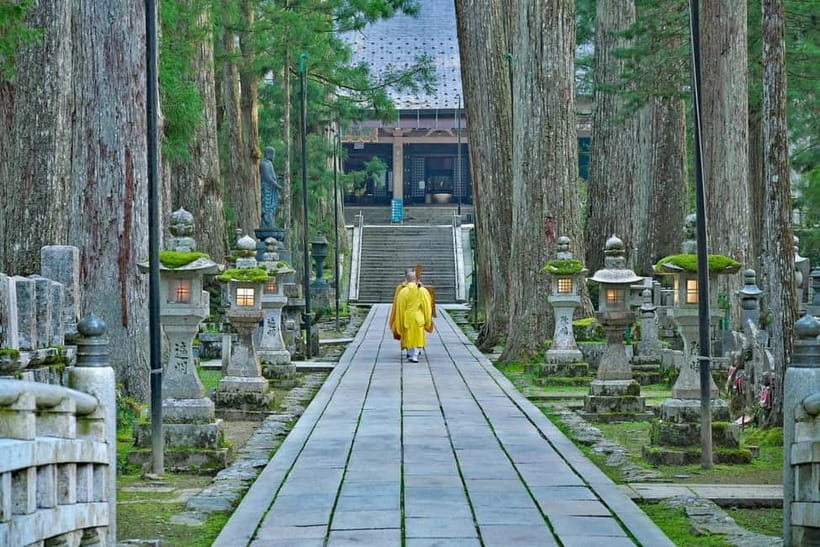
Okunoin is where the emotional tone of Mount Koya becomes real. You’ll walk the stone-paved path lined with ancient cedars, and as you go you’ll see thousands of moss-covered tombstones. The atmosphere changes as the trail goes deeper. It’s described as silent, and that quiet matters—you don’t just see graves here, you experience a place designed for reflection.
One reason Okunoin feels powerful is that it’s not chaotic. The site is Japan’s largest and most revered cemetery, and the layout leads you naturally along a route that builds meaning. Your walk eventually brings you to the mausoleum of Kobo Daishi, the figure believed to be in eternal rest while meditating. Even if you don’t know the full theology ahead of time, the guide helps connect the site to why people come here to slow down.
What you should do with your time there
Give yourself the space to walk without rushing. You’ll get a guided visit and then time on the grounds, so resist the urge to speed-run for the biggest shot. If you want good photos, do it steadily—pause, look up at the cedar canopy, then continue. The mood is part of the experience.
The one practical snag
Wear shoes that are comfortable for a longer walk. You’re on your feet for around 1.5 hours at Okunoin, and the ground can be slippery in cool conditions. If your feet get tired early, the silence becomes less enjoyable.
Shojin Ryori lunch: vegetables with rules, and why that matters
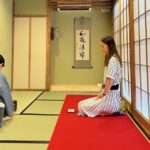
After Okunoin, you move into a very different mode: a traditional Shojin Ryori lunch. Shojin Ryori is Buddhist vegetarian cuisine, and in this program it comes with a clear structure: it’s made without meat or fish and without strong seasonings.
That last part is key. Many vegetarian meals outside Japan can still feel heavy—salty sauces, spicy flavors, big marinades. Here, you’re eating with the intention of balance. The meal emphasizes seasonal vegetables and a simple, careful approach to cooking, tied to Buddhist values like harmony, compassion, and gratitude.
Why this lunch is more than a meal
In a day like Mount Koya, food is part of the rhythm. You’ve just spent time walking through a sacred cemetery; then you sit down and eat food designed to be calm. It helps you reset your senses before the temple stops that come next.
What to keep in mind
Lunch is included, but special dietary substitutions aren’t included. If you have dietary needs beyond vegetarian preferences, plan ahead and check in before you go. Also note that the tour guidance asks you to bring cash, which is useful for personal purchases later.
Kongobuji Temple and Banryutei: sliding doors and the garden that tells a story
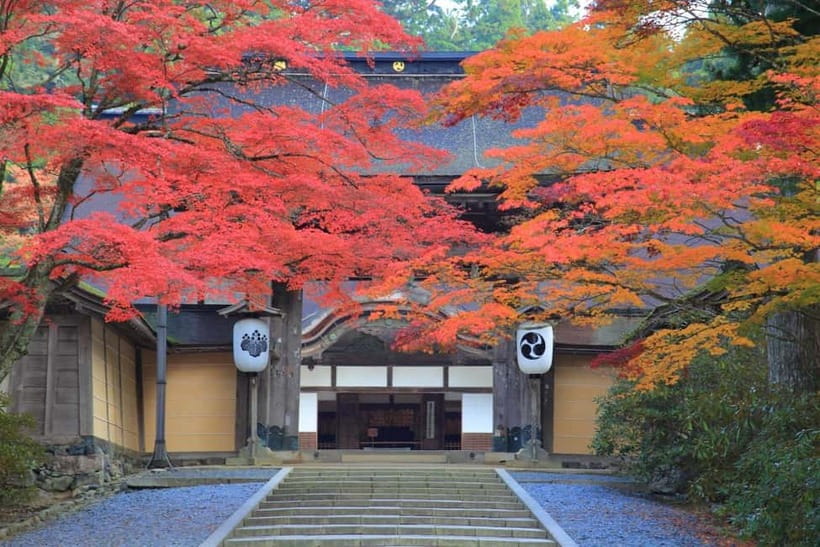
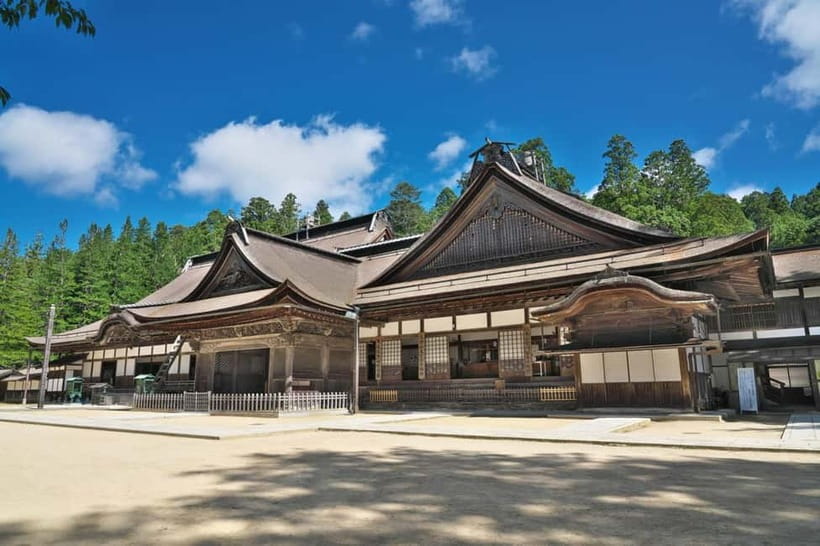
Next comes Kongobuji Temple, the head temple of Shingon Buddhism. You get a guided tour where you can look closely, not just pass by. Inside, you’ll see fusuma—sliding doors—decorated with traditional ink paintings. It’s a style that feels delicate compared to the stone-and-cedar world you just walked through.
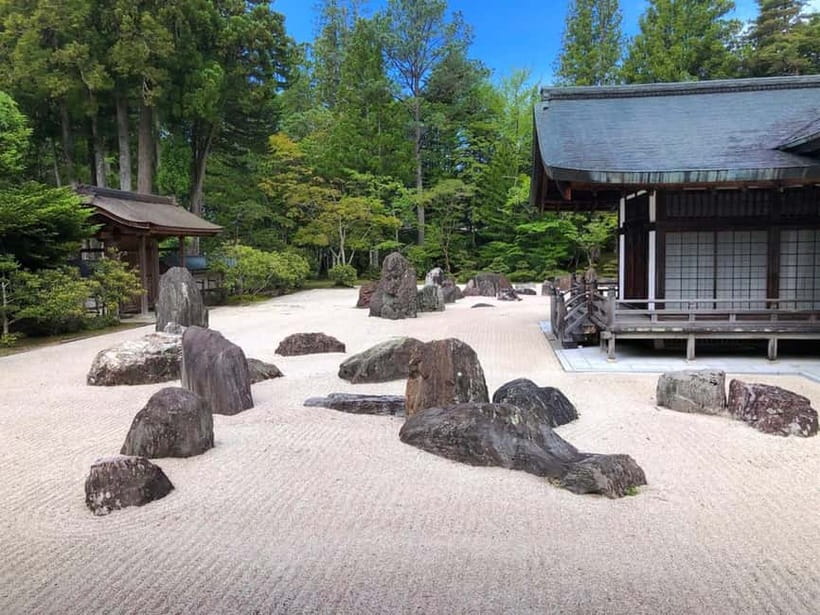
Then you move to Banryutei, famous for being the largest Zen garden in Japan. The garden is symbolically described as dragons emerging from clouds. That description is useful because it gives you something to look for beyond rocks and lines. When you see the composition with that idea in mind, the garden becomes a visual meditation rather than a layout you’re trying to decode quickly.
You’ll also have another guided stop at Kongobuji after lunch, so you’re not stuck doing everything in a single rush-through. The pacing helps you absorb what you see.
If you’re not a big temple person
This is one of the stops that can convert you. The ink paintings and the rock garden are both visually strong, even if your Buddhism background is light. Plus, you’re guided, so the meaning isn’t left up to guesswork.
Shakyo sutra copying class (or Goma fire ritual): slow hands, loud meaning
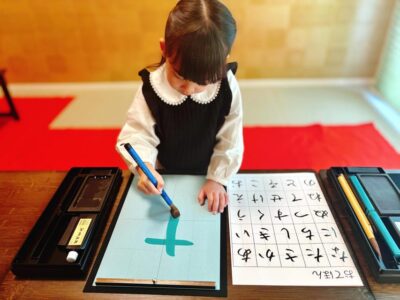
The most hands-on part of this day is the class period at Kongobuji Temple. The experience is built around Buddhist practice, and you’ll either do shakyo (sutra copying) or have a chance to observe a Goma fire ritual, depending on temple availability.
Shakyo sutra copying
In a shakyo session, you copy sacred text carefully, slowly, and with attention. The guide’s role here is important because the value is in the method: steady focus, calm repetition, and doing the act as a kind of meditation. This is one of those activities where you’re not chasing a souvenir. You’re learning how the practice changes your pace.
Goma fire ritual (depending on what’s available)
A Goma ritual is different in energy. It’s described as a dynamic prayer ceremony that uses fire to cleanse negative energies. If the day’s schedule offers it, you’ll get a window into a more outward, ritual-focused side of practice—still spiritual, but with motion and intensity.
What you can control
Bring your best concentration. If you’re the kind of person who multitasks while sitting still, this session will be harder. But if you’re willing to slow down, it’s the part of the day that tends to stick with you.
Danjo Garan and Reihokan Museum: seeing the site as a designed whole
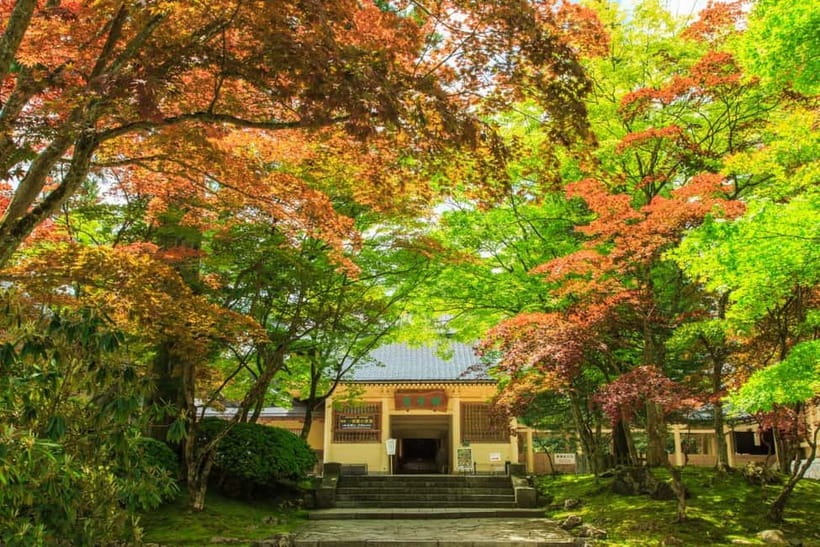
After the main temple experiences, the tour includes Danjo Garan, a symbolic complex with pagodas, statues, and halls arranged in a mandala-like harmony. The phrase mandala-like matters here: it’s not random placement. It’s a layout that communicates spiritual order and relationships between spaces.
This is a good place to take a step back from the individual photo moments and start seeing the bigger pattern. The guide helps connect what you’re seeing to why it’s arranged this way.
Then you finish with Reihokan Museum. You’ll have a guided visit there, about 1.5 hours, which adds context and helps you connect temple architecture and practices to what the museum presents. Even if you mostly care about being outdoors and walking, museums at religious sites can be surprisingly helpful because they give you anchors—names, themes, and objects that deepen the later memories.
Logistics and timing: how to not feel rushed on Mount Koya
This tour is timed well for a day trip, but it still needs your help to feel relaxed.
You’ll start with pickup in central Osaka and return to Osaka at the end of the day. You’ll spend a lot of the morning and early afternoon inside major stops, and the schedule includes guided tours and one longer walking section at Okunoin. The day is about 12 hours total, so eat, hydrate, and plan for cooler mountain conditions.
A few details that matter:
- Bring comfortable shoes. You’re walking at Okunoin and moving between temple areas.
- Bring comfortable clothes. Mountain weather can be cooler, even when Osaka feels mild.
- Bring cash. You’ll likely want to purchase small items like incense or prayer beads during free time.
- The tour asks you not to smoke and not to bring pets.
- Food isn’t allowed in the vehicle, and alcohol and drugs aren’t allowed, including alcoholic drinks in the vehicle.
One more thing: temple availability can affect whether you get shakyo only or shakyo plus a chance to observe Goma. That’s normal for temple schedules, and it’s better to treat the program as a guided plan shaped by what’s happening on site.
Price and value: does $251 make sense for a Mount Koya day?
At $251 per person, this isn’t a cheap casual outing. But it’s also not just a bus ticket to a viewpoint. You’re paying for a stacked day that includes:
- Hotel pickup in central Osaka
- Private transport to and from Mount Koya
- A professional English-speaking guide
- Multiple major stops: Okunoin, Kongobuji, Danjo Garan, and Reihokan Museum
- Shojin Ryori lunch
- A sutra copying experience as part of the Kongobuji session
- Plus guided time that helps you understand what you’re seeing instead of guessing
If you tried to DIY this, you’d spend time figuring out timing, transportation, and how to fit multiple stops into one coherent day. You’d also lose the guide’s explanations that connect the sites to each other. That’s the value you’re buying here: time saved, and meaning gained.
The main reason the price might not feel fair is also the simplest: you need to be comfortable with a full-day schedule and walking. If you want maximum rest and minimal movement, you’ll feel the cost more than the experience.
Should you book this Mount Koya day tour?
Book it if you want a Mount Koya day that feels guided, structured, and respectful—one where you don’t just see temples, you understand why they matter. I’d also recommend it if you like hands-on experiences, because the sutra copying class turns the day from sightseeing into something you practice with your own hands.
Skip it (or choose a different format) if long days and walking tire you out fast. Okunoin alone asks for real foot time, and the whole day is around 12 hours. Also, if you have dietary restrictions that require substitutions, remember that special lunch substitutions aren’t included.
If your goal is an authentic Mount Koya experience from Osaka with less stress and more meaning, this one is a strong fit. The cedar silence at Okunoin, the calm of Shojin Ryori, and the temple rhythm at Kongobuji are a combination that’s hard to replicate on your own.
FAQ
How long is the Mount Koya from Osaka tour?
It runs for 12 hours.
Where is the pickup in Osaka?
Pickup is included from central Osaka. You’ll be asked to wait at the front entrance of your hotel at the pickup time.
How much walking is involved?
There’s a fair amount of walking, especially at Okunoin, where you’ll walk for about 1.5 hours.
Is Shojin Ryori lunch included, and what is it like?
Yes. Lunch is traditional Shojin Ryori, made without meat, fish, or strong seasonings, and focused on seasonal vegetables.
Do I get to do sutra copying on this tour?
Yes. A sutra copying experience is included as part of the Kongobuji Temple activities.
Is a Goma fire ritual included?
You may have a chance to observe a Goma fire ritual depending on temple availability, based on what’s available during your visit.
What other major stops are part of the day?
You’ll visit Okunoin Cemetery, Kongobuji Temple, Danjo Garan, and Reihokan Museum.
What should I bring for the day?
Bring comfortable shoes, comfortable clothes, and cash.
Is there a minimum number of participants?
Yes. The tour requires a minimum of 4 participants. If fewer join, the tour will be canceled.