REVIEW · OSAKA PREFECTURE
Private Day Tour in Osaka and Kyoto with charter car
Book on Viator →Operated by HALLO CAR · Bookable on Viator
Kyoto without the transit headaches? This private charter car day strings together the best of Osaka and Kyoto in one smooth route. I like that you can pick from different route styles, and the day is built around classics like Kiyomizu-dera, Gion, and Fushimi Inari Shrine. You’ll also have WhatsApp/LINE/WeChat contact set up in advance, so you’re not hunting for details at the last minute.
The two biggest reasons this feels good are simple: you get your own car for a full day, and you don’t waste time transferring between neighborhoods. One more plus I really value is how the plan keeps moving while still giving you time at each stop, rather than rushing through like a checklist.
The main thing to keep in mind is timing and add-ons: you’re paying for a private charter, and there can be extra costs like parking and (in some cases) a single one-way fee if your drop-off doesn’t match Osaka.
In This Review
- Key highlights worth planning around
- What a charter car does for your Kyoto-Osaka day
- Choosing the right route: from Gion lanes to Arashiyama
- Route A: classic Kyoto hits plus Fushimi Inari and Gion
- Route B: add Arashiyama feel and Hanamikoji Street
- Route C: a more culture-forward Kyoto line, including Ginkaku-ji and Nijo Castle
- Kobe option: if you want a port-and-town day
- Osaka first, then Kyoto: using the day’s rhythm
- Kiyomizu-dera: the stage where Kyoto feels dramatic
- Nishiki Market: your best bet for Kyoto snacks and easy souvenirs
- Gion in one hour: where you see the charm without the all-day commitment
- Kinkaku-ji (Golden Pavilion): why that gold roof is worth the effort
- Fushimi Inari Shrine: timing matters more than you think
- Lunch time: budget control and flexibility
- The guide touch: why Nakamoto San matters
- Price and value: when $539.76 makes sense
- Transportation realities: what to expect in day-to-day terms
- Who should book this Osaka and Kyoto private car day
- Should you book this private Osaka and Kyoto tour?
- FAQ
- How many people can join this private tour?
- Is pickup included, and how do you coordinate on the day?
- How long is the tour?
- Are admission tickets included?
- What costs are not included?
- Is lunch included?
Key highlights worth planning around
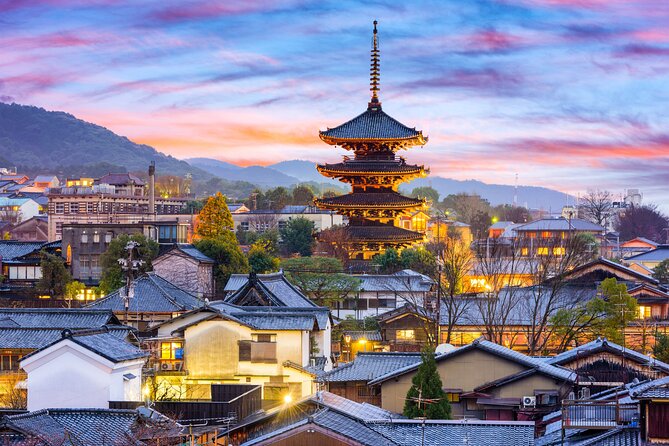
- Charter car for up to 5: You set the pace as a group, not as strangers.
- Route options: Choose the vibe you want, from Gion lanes to Arashiyama-area sights.
- Predictable stop structure: Each major stop is given about an hour so you can breathe.
- Direct driver contact setup: A WhatsApp/LINE/WeChat group chat is created before you go.
- Admission tickets listed as free for the included sites in this package.
What a charter car does for your Kyoto-Osaka day
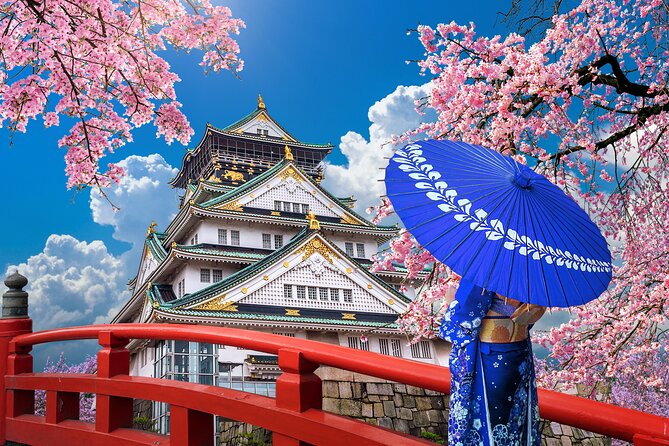
Kyoto can be a “left-side, right-side, which bus is this” kind of day. Osaka can do the same, just with bigger roads and more neon. A private charter car cuts that stress fast.
Here’s how it helps you in real life:
- You can start when you’re ready and keep the day organized around your preferred route.
- You don’t have to time your trip around station schedules or squeeze everyone onto trains with umbrellas and backpacks.
- You’re free to spend your energy on places, not logistics.
And because this is a private group (up to five people), you’re not trying to manage a dozen opinions. The car becomes a moving “buffer,” letting your guide handle the order and timing.
You can also read our reviews of more private tours in Osaka Prefecture

Choosing the right route: from Gion lanes to Arashiyama
One reason this tour works well is that the day isn’t a one-size-fits-all shuffle. You can select route formats that change what you see and how the day flows.
Here are the route themes you can choose from:
Route A: classic Kyoto hits plus Fushimi Inari and Gion
This one connects Kinkaku-ji (Golden Pavilion), Kiyomizu-dera, Nishiki Market, Fushimi Inari Shrine, and ends around Gion. If you want the most “iconic Kyoto” mix in a single day, this is a strong pick.
Route B: add Arashiyama feel and Hanamikoji Street
This variation layers in Arashiyama first, then still includes Kinkaku-ji, Kiyomizu-dera, and Hanamikoji Street (the Gion side-street famous for its traditional atmosphere), with Gion as a finish.
Route C: a more culture-forward Kyoto line, including Ginkaku-ji and Nijo Castle
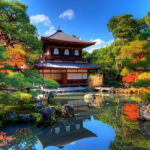
If you prefer a route that leans toward more temples and historical spots, this option includes Gion Shirakawa, Keage, Ginkaku-ji (Silver Pavilion), Kiyomizu-dera, and Nijo Castle.




Kobe option: if you want a port-and-town day
There’s also an option that shifts the day toward Kobe Port/Kobe Rinkai Paradise, Nankin Town (Chinatown), old-residence areas, and shrines like Ikuta Shrine, plus Kitano Ijinkan.
If you’re torn between Kyoto classics and a different city flavor, pick the route that matches your day mood. Want photos and postcard landmarks? Route A or B. Want more “walk-and-look” history stops? Route C.
Osaka first, then Kyoto: using the day’s rhythm
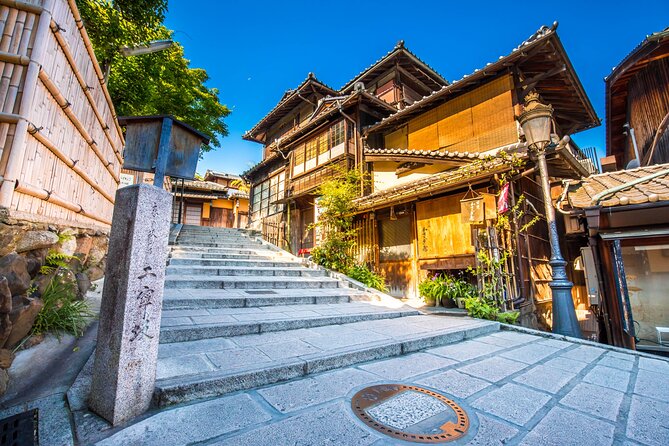
Your day starts in Osaka with a pickup-style approach (pickup is offered), and the plan then shifts into Kyoto for the heavy-hitter sights. There’s a practical reason for this order: you’re using Osaka as a launch pad, then spending the middle of the day where Kyoto’s walking areas are concentrated.
You also get a clear, stop-by-stop structure, with about one hour per major stop. That matters because “one hour” is long enough to:
- look around without feeling chased,
- catch your preferred photos,
- and still get back to the meeting point with time to spare.
At the end, the driver returns you to Osaka for the drop-off back to your hotel, which keeps the day from turning into an end-of-day scramble.
Kiyomizu-dera: the stage where Kyoto feels dramatic
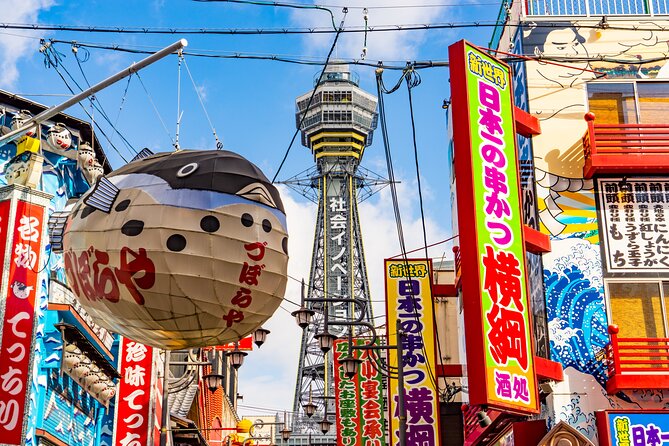
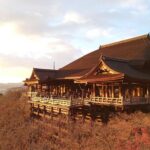
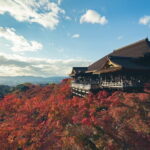
Kiyomizu-dera is a must for most first-time Kyoto plans, and it’s easy to see why. Even in a short visit window, the temple area gives you that classic Kyoto feeling: stone, slope, viewpoints, and the sense that you’re walking into an older world.
What you can do in your allotted time:
- Walk the main approach and take your time with the view lines.
- Pause for photos where the temple structures frame the city angle.
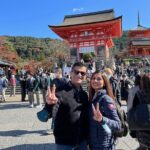
- If you like people-watching, this is a good stop for it, because the space pulls crowds naturally.
Admission tickets are listed as free in this package, so you’re not paying extra just to step inside the experience. That makes it less stressful if you’re trying to budget your day carefully.
A small consideration: Kiyomizu-dera is popular, so plan to slow down once you’re inside the grounds. This is one of those places where rushing just makes everything feel crowded.
Nishiki Market: your best bet for Kyoto snacks and easy souvenirs
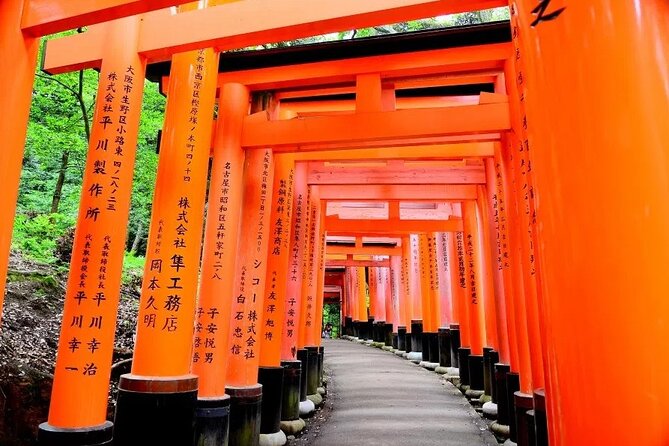
From temples to food street: Nishiki Market is known as Kyoto’s Kitchen, and in an hour you can get a lot done. This stop works especially well as a “breathing break” because it’s not only sightseeing; it’s immediate.
In that time window, you can:
- sample a couple of foods (if you see something that looks good),
- browse small shops for practical souvenirs,
- and reset your feet before the next temple and shrine.
The smart move here is to treat Nishiki as a sampling and wandering stop, not a full shopping mission. A private car day already includes several major areas, so you’ll enjoy it more if you decide in advance that Nishiki is for quick delights and small buys.
Admission tickets are listed as free in the package, which helps keep your day’s costs predictable.
Gion in one hour: where you see the charm without the all-day commitment
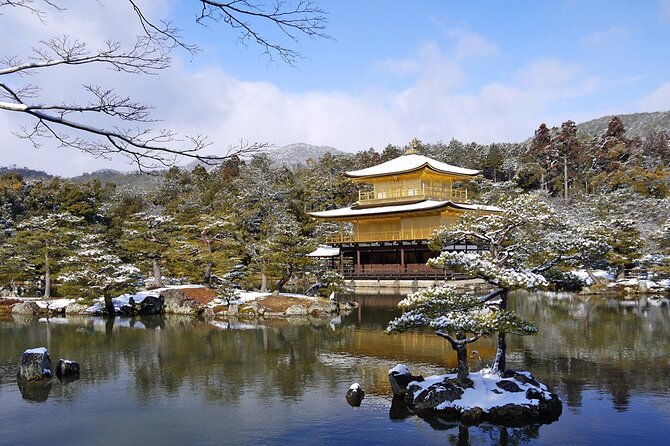
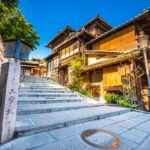
Gion is Kyoto’s famous geisha district area, and yes, it’s famous for a reason. Even with limited time, you’ll get a sense of the traditional lanes, teahouse streets, and the way Kyoto’s old-world vibe concentrates here.
Here’s what helps your visit:
- Pick one main walking lane and stick to it. In one hour, you’ll see more by moving with purpose than by zigzagging.
- Look for side-street details. The character of Gion is often in small architecture, signage, and the rhythm of the streets.
Also, if you choose Route B, you may add Hanamikoji Street, which tends to feel especially “period film” Kyoto. That’s a great match if you want the photo-friendly street energy.
Admission tickets are listed as free, so you can spend money on food, not entry fees.
Kinkaku-ji (Golden Pavilion): why that gold roof is worth the effort
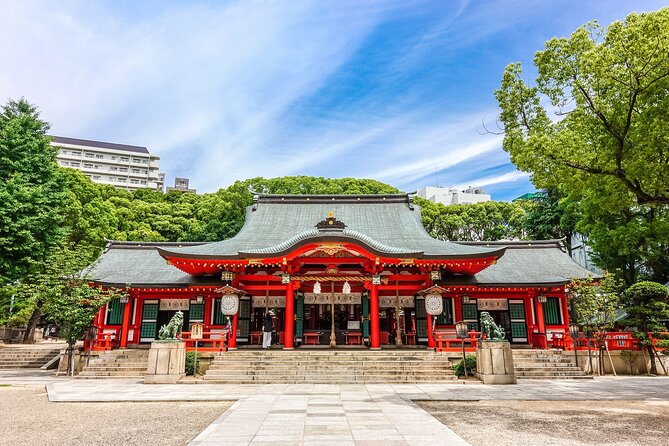
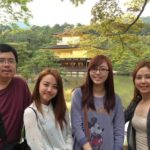
Kinkaku-ji is one of those sights that still lives up to its reputation. The top floors covered in gold leaf are the headline, but the charm is bigger than the gold. The setting, the perspective from different angles, and the way the temple grounds frame the view make it memorable.
With about one hour, you can:
- get at least a couple of strong viewpoints,
- walk the perimeter areas that give you different angles,
- and let your eyes “read” the architecture instead of rushing.
Admission tickets are listed as free in this package, which is a real value point on a day full of major stops.
A practical tip: keep an eye on your camera battery and your sun protection. You’ll be outside a lot, and Kyoto daylight can be both gorgeous and unforgiving.
Fushimi Inari Shrine: timing matters more than you think
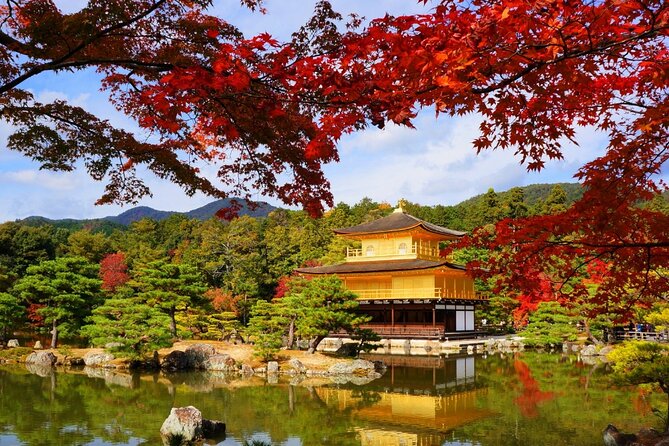
Fushimi Inari Shrine is famous for its thousands of vermilion torii gates. Even if you don’t plan a long climb, the vibe of entering the torii corridor is the whole experience.
In your allotted hour, you’ll want to decide how you want to experience it:
- Do a partial torii walk for atmosphere and photos, then head back.
- Or push further if your legs feel good and the crowd level isn’t too intense.
The nice part about having a private car for the day is that you’re not tied to train schedules or a strict public-transport timetable. If you time this stop well, you’ll enjoy it more.
Admission tickets are listed as free in the package, so again, you’re controlling costs while still getting one of Kyoto’s signature experiences.
Lunch time: budget control and flexibility
Lunch at the Kyoto segment is at your own expense. That’s a good setup because it gives you control over what you eat based on:
- your dietary needs,
- your budget,
- and what actually looks good when you’re there.
With a private car day, you can often pause for food without turning your whole schedule into a domino effect. Still, because the day is structured around major stops, I suggest you avoid making lunch a long sit-down that eats into your next visit.
The guide touch: why Nakamoto San matters
The private format shines when you have a guide who can adapt. One review highlighted Nakamoto San for being accommodating and taking good care of the group, and that matches what you should look for in this kind of day: someone who keeps the flow smooth while still being friendly and easy to work with.
You also get pre-trip coordination. Staff reach out on WhatsApp/LINE/WeChat about two days before departure and set up a group chat with the driver. On the day, that kind of direct contact helps you:
- confirm pickup details without guesswork,
- reduce stress if your plans shift slightly,
- and keep everyone aligned.
This is the difference between “a tour” and a day that feels managed.
Price and value: when $539.76 makes sense
The price is $539.76 per group up to five people. If you fill the group, that’s roughly $108 per person—not pocket change, but it can be fair when you compare it to the cost of taxis plus time lost.
What you’re really paying for:
- Private transportation across Kyoto and Osaka regions,
- time savings from not juggling transit,
- and a stop plan that targets multiple famous sights in a single day.
Also, fuel surcharge and an express fee (around 10,000 to 12,000 yen) are included, which helps. Parking isn’t included (around 1,000 yen), and there can be an extra single backway fee (2,500 yen) if the tour starts and ends in Osaka but you need a drop-off in Kyoto on one side. Those extras matter when you’re doing the final math.
My practical take: this tour is best value when you have at least a few people to share the car cost, and when you’d rather spend your day seeing places than timing trains.
Transportation realities: what to expect in day-to-day terms
This tour is designed around car time and short walking segments at major stops. That’s great if:
- your legs get tired after a few hours,
- you’re traveling with someone who doesn’t want long transit legs,
- or you simply want a structured sightseeing day.
It’s still a walking day at each site. One hour at a shrine or temple is enough to see a lot, but it’s not enough to make it a “sit and watch” experience.
If you’re sensitive to crowds, pick a route and timing strategy that gives you your biggest spaces with enough breathing room. Since the plan has specific stop windows, you’ll at least have a framework to work with.
Who should book this Osaka and Kyoto private car day
I think this tour is a good fit if you:
- want multiple Kyoto icons in one day without public-transport stress,
- are traveling with family or friends and want one shared plan,
- like being able to ask your driver and coordinate directly,
- and prefer predictable time at key stops.
It’s less ideal if you love slow travel where you linger for half a day in one neighborhood. This tour moves from one major sight area to the next, which is exactly what makes it efficient.
If you’re a solo traveler with no interest in splitting the cost, you might find it pricier than going on your own. But if you’re prioritizing comfort and saved time, a private charter can still feel worth it.
Should you book this private Osaka and Kyoto tour?
Book it if your goal is a well-planned day that hits Kyoto’s big sights while keeping the commute friction low. The private format, the stop timing, and the fact that admission tickets are listed as free for included stops add up to a day that feels organized instead of chaotic.
Skip it (or at least reconsider) if you want deep, slow wandering with no schedule pressure. Also, if you’re planning to add non-standard drop-offs, check the potential single one-way backway fee so your budget doesn’t get surprises.
If you want a confident day—temples, markets, and shrine photo time—this charter car tour is built for exactly that.
FAQ
How many people can join this private tour?
It’s priced per group and supports up to 5 people.
Is pickup included, and how do you coordinate on the day?
Pickup is offered. Staff contact you about two days before departure via WhatsApp/LINE/WeChat and create a group chat with the driver for easier communication.
How long is the tour?
The duration is about 8 to 10 hours.
Are admission tickets included?
Admission tickets are listed as free for the included stops in the package.
What costs are not included?
Parking is not included (around 1,000 yen). If you need a single backway drop-off situation in Kyoto instead of the standard Osaka start/end, there may be a 2,500 yen fee paid onsite.
Is lunch included?
Lunch is not included; it’s at your own expense.