REVIEW · OSAKA
Osaka Soul : IZAKAYA Shinsekai to Dotonbori Food Paradise!
Book on Viator →Operated by Sakura Concierge · Bookable on Viator
Osaka at 5pm has a special rhythm—this tour is built for it, mixing Shinsekai-to-Dotonbori sights with practical, guided eating along the way. I especially like the way you get a local English-speaking expert to explain what you’re tasting, and how the food plan hits multiple Osaka icons, from kushikatsu to okonomiyaki and takoyaki. One note: it’s a tasting route, not a slow, sit-down banquet, so if you expect tons of separate meal stops, you may feel a bit limited.
The best part is the flow: you start with the Shinsekai scene near Tsutenkaku, then move toward Hozenji lantern glow and end in Dotonbori’s neon food theater. I also like that the group stays small (max 8 travelers), which helps the guide keep things moving without leaving you guessing. The main drawback to plan for is the walking, plus the fact that most of the eating happens at a couple of set moments rather than a long sequence of many different restaurants.
In This Review
- Key Highlights
- How This 3-Hour Osaka Food Route Fits Your First-Evening Plan
- Shinsekai Start: Tsutenkaku Views and the Kushikatsu Hit
- Sennichimae and the Street-Scene Warm-Up
- Hozenji Temple at Night: A Short Reset From Food Noise
- Hozenji Yokocho Okonomiyaki: The Savory Pancake Moment
- Dotonbori Finale: Michelin-Rated Takoyaki and the Glico Sign
- What’s Included (and Why the Price Can Still Be Fair)
- Walking Pace: The Real-Life Consideration
- Guide Energy Matters: Kenny as a Local Standout
- Who This Tour Best Fits (and Who Might Want Something Else)
- Should You Book Osaka Soul: IZAKAYA Shinsekai to Dotonbori Food Paradise?
- FAQ
- How long is the Osaka Soul tour?
- Where does the tour start and end?
- What time does the tour begin?
- What food and drinks are included?
- Is the tour a large group?
- Do I need to print tickets?
- What’s the walking level like?
- What happens if the weather is bad?
Key Highlights
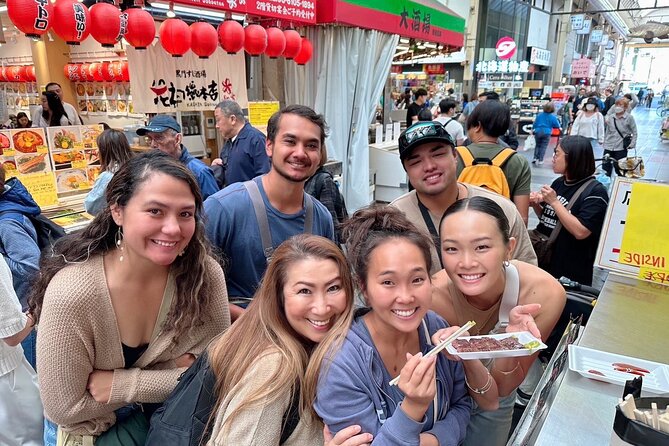
- Shinsekai + Tsutenkaku: start with Osaka’s famous retro district energy and a kushikatsu introduction
- Hozenji Temple at night: moss-covered statues and lantern lighting create a calm pause
- Hozenji Yokocho okonomiyaki: a locally recommended savory pancake stop
- Dotonbori takoyaki stall: you get Michelin-starred-style takoyaki as a highlight bite
- Small-group feel (max 8): easier pacing, more Q&A, less crowd friction
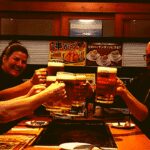
- Included drinks: 2 drinks (alcoholic or non-alcoholic) with your meal set
How This 3-Hour Osaka Food Route Fits Your First-Evening Plan
If you’re arriving in Osaka (or you’re short on time), this kind of evening tour makes sense. It launches at 5:00 pm, right when the city lighting starts to matter, and it walks you through two of the most food-focused areas without requiring you to study maps or menus for hours.
The value is in the pairing of food + context. You’re not just handed a plate. A local English-speaking guide gives the story behind what you’re eating and why Osaka treats these dishes like daily culture, not tourist entertainment. That matters because it changes your confidence: you know what you’re looking at, how to order, and what to pay attention to while you’re there.
Another value driver is the structure. You get a single, guided path from Dobutsuen-mae Station area to the Glico Sign in Dotonbori, with planned stops that change the mood: lively street food, then a temple pause, then neon and snacks again. It keeps your appetite and attention from burning out.
Where you should calibrate expectations: it’s a set-tasting plan with “food moments” and scenic breaks, not a hop-through-a-dozen-everything-everywhere crawl. One review noted that the experience felt like eating at only two main places rather than many dining stops. That doesn’t make it bad—just be honest about your own style. If you love food, but you also love variety through constant restaurant switching, you might want a longer crawl or an add-on meal afterward on your own.
You can also read our reviews of more food & drink experiences in Osaka
Shinsekai Start: Tsutenkaku Views and the Kushikatsu Hit
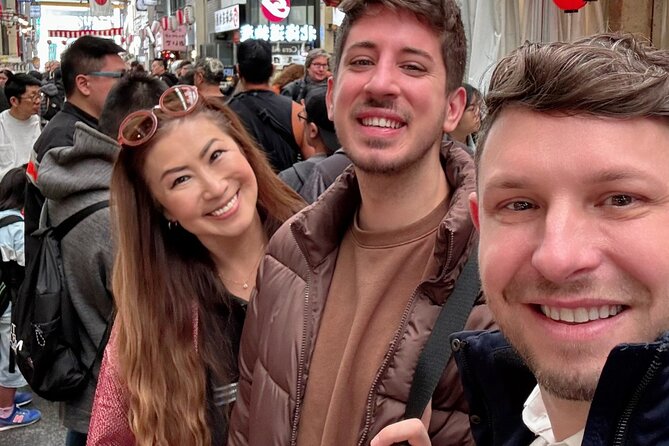
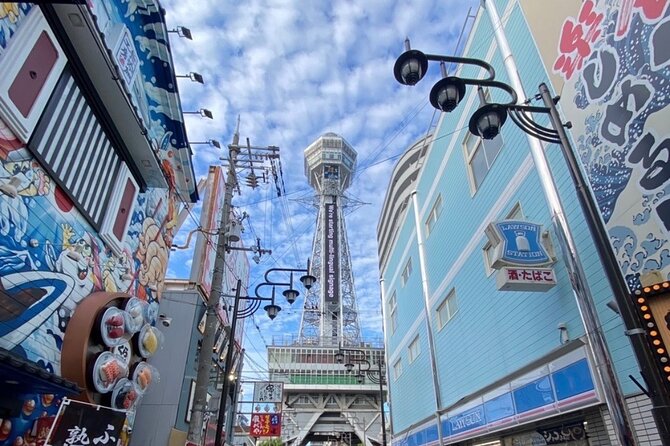
Your journey begins in Shinsekai, the Osaka district that practically invented the idea of street-food fun. The tour window includes Tsutenkaku Tower, so you’ll get the classic photo-and-feel moment early, when the scene is still easy to take in.
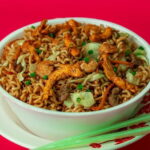
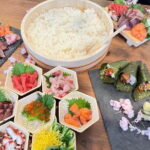
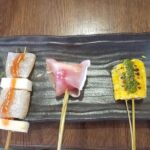
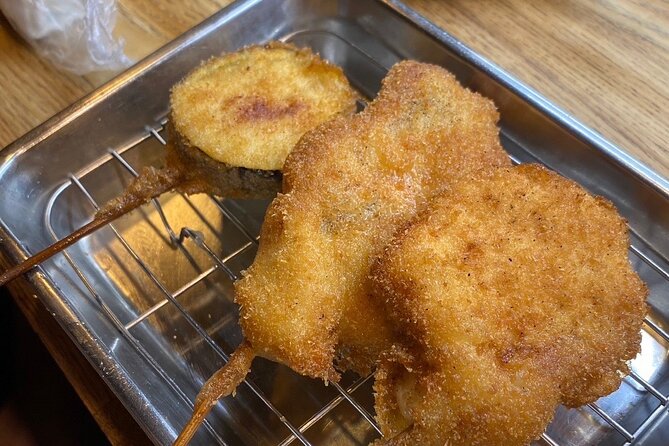
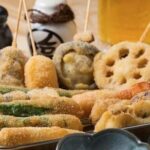
Then comes the IZAKAYA experience time. This is where your tour’s Osaka-essentials cooking starts to show. You’ll taste kushikatsu, plus a set of other included bites. Depending on the day’s menu and fresh ingredients, you might get edamame, sashimi (based on the day’s fresh fish), tofu salad with sesame dressing, fried gyoza or soy-flavored fried chicken, and your set may include options like fried noodles alongside your other dishes.
This is a good stop for two reasons. First, it gives you a “taste of Osaka” early in the evening—before Dotonbori’s lights steal the attention. Second, the guide helps you understand what to expect from the flavors and textures. With a dish like kushikatsu, the appeal is in the crisp fry and the sauce rhythm. Having someone explain what you’re eating makes your first bite land better.
If you’re worried about getting lost, don’t. The tour is built around short, planned transitions, and the guide handles the moving parts. Just come hungry, because after one or two bites, your appetite is likely to swing back into full gear once you hit the later okonomiyaki and takoyaki stops.
Sennichimae and the Street-Scene Warm-Up
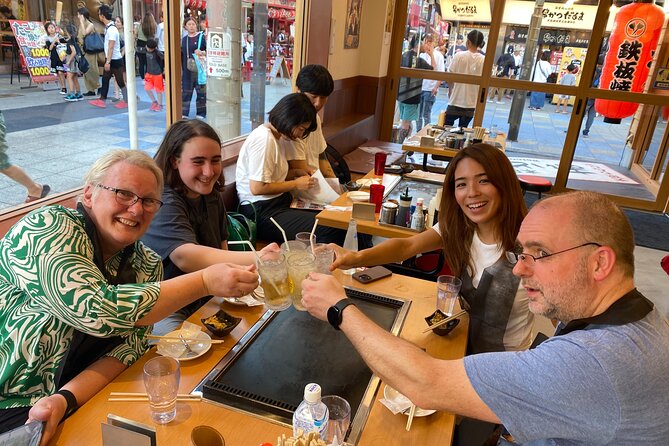
Before you reach the temple part of the route, there’s time in the Sennichimae area. This is one of those Osaka entertainment and food strips where the energy is constant and the sights are layered—nightlife, traditional theater vibes, and street food life all around you.
Practically, this stop helps you do two things:
1) Get your bearings before the route turns into “food focused again.”
2) See how Osaka’s street-food culture actually looks in motion, not just as a list of dishes.
It’s only part of the tour (about 20 minutes), so don’t treat it as a solo shopping spree. Instead, use it as a mental warm-up. If you want a specific snack later, your guide can often point out what’s worth ordering—or what to skip—based on the kind of flavors you like.
Hozenji Temple at Night: A Short Reset From Food Noise
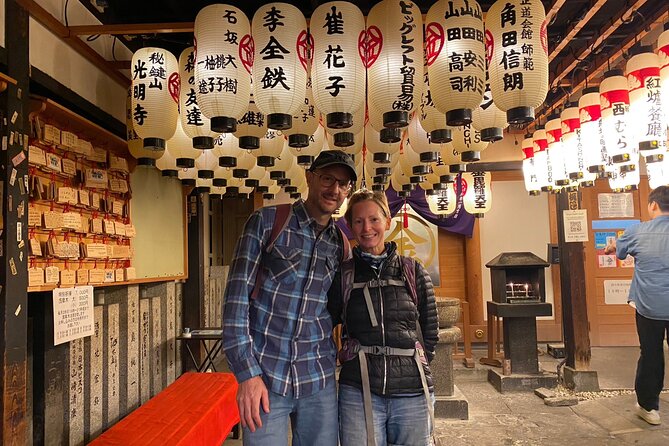
Then the route makes a clever shift. You go to Hozen-ji Temple, known for its moss-covered setting and stone statues. The timing matters: during this tour, you’ll be there when the lanterns glow in the evening.
This isn’t just scenery. It’s a reset. Osaka street food can turn into a sensory overload if you keep bouncing restaurant to restaurant without pause. Hozenji gives you a calm pocket where you can slow down, look around, and let your stomach settle between heavy bites.
It also adds variety to the “food tour” idea. You don’t only consume flavors—you get a sense of why Osaka evenings feel different than midday. Night lighting, temple lanterns, and the walking pace create a different mood than eating indoors.
If you’re sensitive to uneven ground or lots of steps, keep it in mind, since temple areas tend to have natural terrain and stone paths. Nothing here is described as inaccessible, but you should expect the usual Osaka neighborhood walking reality.
Hozenji Yokocho Okonomiyaki: The Savory Pancake Moment
After the temple, you move into Hozenji Yokocho, where the main food focus shifts again. The stop centers on an okonomiyaki restaurant, with the tour describing it as a local recommendation.
This is a key part of the route because okonomiyaki is the dish that often turns first-time visitors into regulars. It’s hearty, savory, and made for eating while you’re surrounded by the sounds and smells of an Osaka street. If you like layered flavors—sweet-savory sauces, savory batter, and toppings—this is the part you’ll likely remember for days.
From a pacing standpoint, this stop comes after the temple pause and before the Dotonbori finale. That order helps. You’re not trying to eat okonomiyaki in the loudest part of Dotonbori crowding. You’re still in the middle of the night-food story, so the transition to takoyaki feels natural.
One practical tip: okonomiyaki can be filling. Plan not to overload your own extra snacks immediately after your included meal set. If you want room for takoyaki later, pace your bites and leave some breathing space for dessert-level cravings.
You can also read our reviews of more tours and experiences in Osaka

Dotonbori Finale: Michelin-Rated Takoyaki and the Glico Sign
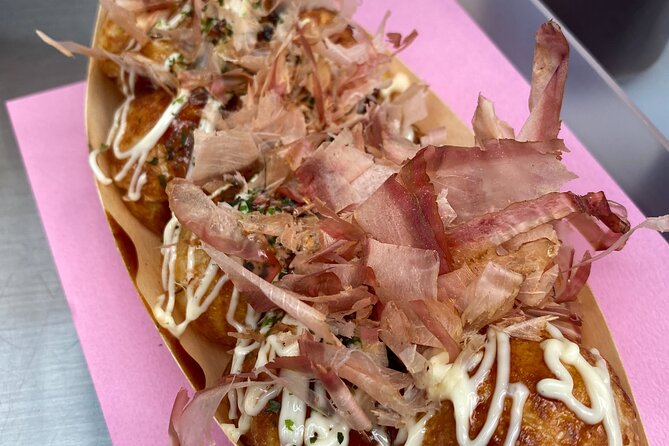
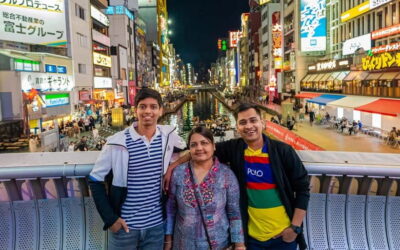
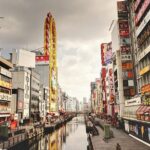
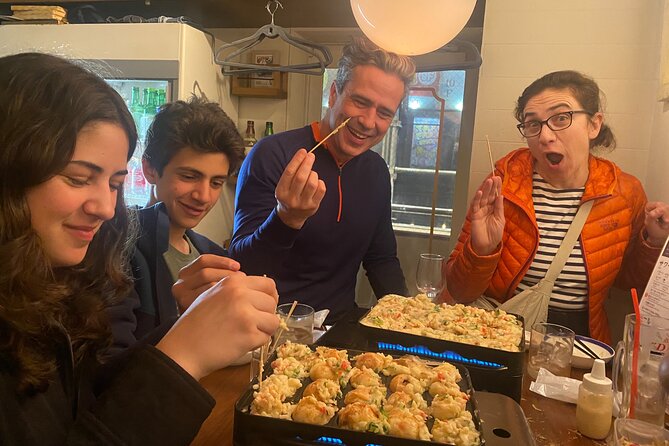
Now you’re in Dotonbori, and the tour treats it like the payoff: loud, bright, and instantly recognizable. It includes a Takoyaki stall stop with Michelin-starred takoyaki.
Takoyaki is one of those dishes that’s fun for a reason beyond taste: it’s playful. The outside gets crisp, the inside stays soft, and the filling gives you that warm, satisfying bite. Having it at a street-stall setting is part of why Osaka food feels like culture instead of museum food.
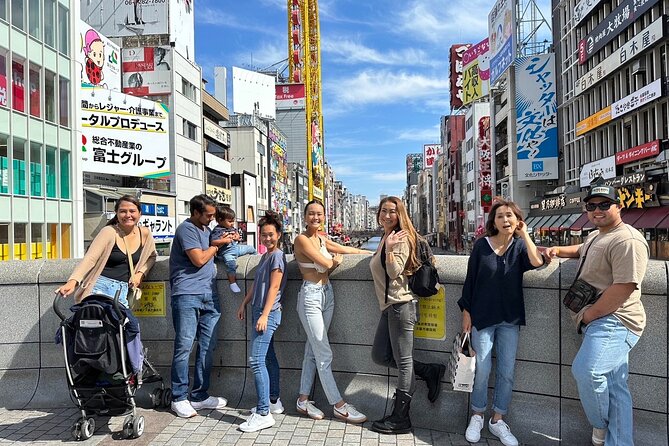
Then, you finish with Dotombori Glico Sign time—your classic running man landmark. This is the last “look around” moment, and it’s perfect for photos and quick wandering once the tour ends.
If you like to keep exploring, ending here helps. Dotonbori is the kind of place where you can keep eating on your own schedule after the tour. Just remember that the tour itself includes a specific food list, so you’ll probably feel best if you choose only one or two extra things afterward rather than trying to replicate the whole route again.
What’s Included (and Why the Price Can Still Be Fair)
At $125.00 per person for a roughly 3-hour tour (with a mobile ticket), the big question is: what are you really buying?
You’re buying:
- 2 drinks (alcoholic or non-alcoholic)
- A set of dinner items, including 6 pieces of kush katsu and a mix of other Osaka favorites such as edamame, fried gyoza or soy-flavored fried chicken, sashimi (day’s fresh fish), tofu salad with sesame dressing, plus okonomiyaki or fried noodles and takoyaki
- History/explanation from a guide
That’s not just food calories. It’s planning and direction. Without a guide, you’d likely spend time figuring out which places are worth it, what to order, and how to move between areas efficiently—especially if you want the evening-light route.
Is it expensive? Compared to buying food at random stalls on your own, yes. But compared to hiring a guide for a short evening walk with multiple included tastings and drinks, it holds up.
One more value point: the tour limits to max 8 travelers. In Osaka, crowded food streets can make experiences feel chaotic. Small-group pacing makes the difference between fighting for attention and actually enjoying the food.
Where you might spend extra: the tour notes additional food/drinks are available for purchase, and transportation fees aren’t included. So plan to cover your trip to the start point, and don’t assume you’ll walk away full after the included bites if you’re someone who eats a lot.
Walking Pace: The Real-Life Consideration
If you do this tour, go in ready to walk. One review called out that you should prepare for some walking. The itinerary is structured with multiple short stops (including transit-like movement between districts), plus evening temple and street wandering.
This doesn’t mean it’s an endurance test. It means you should wear shoes you can stand in for a couple of hours and not treat it like a gentle stroller stroll.
If you’re traveling with knee issues or you want a totally low-walking option, you may want a shorter, more clustered food plan. But if you’re comfortable with a normal city evening walk, you’ll likely find the pace manageable.
Guide Energy Matters: Kenny as a Local Standout
One of the most praised parts from reviews is the guide quality. A specific name came up: Kenny. In a review, Kenny was described as living in Osaka for 50+ years, with deep local knowledge and strong recommendations beyond the set menu, including a spicy ramen spot.
That kind of guidance is more than trivia. When your guide can point you toward what to do next—where to eat, what to try, what to skip—you leave with a smarter Osaka plan, not just a meal list.
If you care about food choices and local tips, this tour style fits. You’re paying for the “what to order and why” brainpower, and that’s usually where these tours win or lose.
Who This Tour Best Fits (and Who Might Want Something Else)
This is a great fit if:
- You’re in Osaka for the first time and want a guided eating plan with iconic dishes
- You like the idea of combining food + light cultural stops (Hozenji is a good example)
- You want small-group pacing and a local English-speaking expert
- You enjoy street-food atmosphere and photo moments in places like Dotonbori
It may not be your best fit if:
- You expect a long restaurant parade with lots of separate meals at many locations. One review felt the dining part was concentrated rather than spread out.
- You’re extremely sensitive to food types, since the included menu can include sashimi, fried items, and soy-flavored fried chicken in addition to other choices. If you have strict dietary needs, you should ask the provider ahead of time which items can be adjusted.
Should You Book Osaka Soul: IZAKAYA Shinsekai to Dotonbori Food Paradise?
If you want a smart, time-friendly way to experience Osaka’s evening food culture, I think this is a strong booking. The route makes sense: Shinsekai first (when you can still settle in), a Hozenji temple pause (so it doesn’t turn into pure food-only overload), then a Dotonbori finale with takoyaki and the Glico landmark.
It’s also good value for people who don’t want to plan menus and logistics alone. You’re not just eating—you’re being shown how these dishes fit the city’s habits.
Just go in with the right expectation: it’s set tasting moments plus walking, not a never-ending succession of separate meals. If that matches your style, you’ll probably love how much Osaka you squeeze into three hours.
FAQ
How long is the Osaka Soul tour?
The tour is about 3 hours.
Where does the tour start and end?
It starts at the Dobutsuen-mae Station area (1-chōme-6-12 Taishi, Nishinari Ward, Osaka) and ends at the Glico Sign Dotonbori area (1-chōme-10-4 Dōtonbori, Chuo Ward, Osaka).
What time does the tour begin?
The start time is 5:00 pm.
What food and drinks are included?
The tour includes 2 drinks (alcoholic or non-alcoholic) and a dinner set that can include 6 pieces of kush katsu, edamame, fried gyoza or fried chicken, sashimi (day’s fresh fish), tofu salad with sesame dressing, okonomiyaki or fried noodles, and takoyaki.
Is the tour a large group?
No. The maximum group size is 8 travelers.
Do I need to print tickets?
No. The tour uses a mobile ticket.
What’s the walking level like?
The route includes multiple stops across neighborhoods, and it’s described by reviewers as something that involves some walking. Comfortable shoes are a good idea.
What happens if the weather is bad?
The experience requires good weather. If it’s canceled due to poor weather, you’ll be offered a different date or a full refund.