REVIEW · OSAKA
Osaka; Japanese Tea ceremony experience, Macha and Sencha
Book on GetYourGuide →Operated by Do co., Ltd · Bookable on GetYourGuide
First-timer nerves, gone fast. This Osaka tea ceremony is a calm, hands-on hour where you learn how to make matcha properly and then switch gears to sencha with tasting and context from tea master Yuko. I especially like that you don’t just watch—you actually practice the movements and etiquette yourself. I also love that you get both styles of tea in one sitting, plus Japanese sweets. One possible consideration: if you have food allergies, you shouldn’t plan on eating the sweets in the experience.
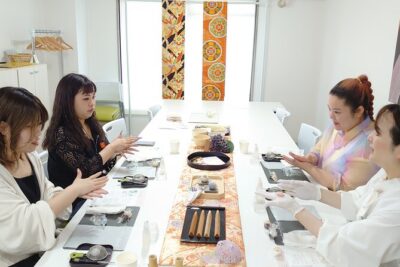
In a traditional tatami room, you’ll be welcomed by an English-speaking tea master (Yuko is a standout name that shows up in past sessions), then you’ll follow along as matcha is prepared and explained. The session gives you a clear sense of what the ceremony aims to slow you down and focus you, without making it feel overly formal. If you’re sensitive to strict rules, note there are a lot of “no” items (no smoking, no intoxication, no chewing gum, and more), and it’s also not suitable for wheelchair users.
What you’ll remember most
- Hands-on matcha etiquette: you practice making tea, not just watching.
- Tea master Yuko’s clear English: past sessions highlight her friendly, guided approach.
- Two tea styles, two moods: you taste matcha first, then sencha with separate explanations.
- Tatami-room setting: the atmosphere matters here—quiet and traditional.
- Photo moment, optional yukata: you can dress up and get a keepsake.
- Sweets included, but watch allergies: you’ll be served Japanese confectionery during the tasting.
In This Review
- Tea ceremony in Osaka: what $25 gets you in real terms
- Finding your way to the tatami room (without overthinking it)
- Welcome and etiquette: the start that sets the tone
- Matcha preparation: watch, learn, and then make it
- Japanese sweets with matcha: the tasting break that matters
- Switching gears to sencha: a different tea story
- Optional yukata and a photo: the souvenir that doesn’t feel cheesy
- How the instructor’s approach shapes the experience
- Practical tips so you enjoy the full hour
- Price and value check: is it worth it?
- Who should book this Osaka tea ceremony?
- A quick reality check on rules and expectations
- Should you book it?
- FAQ
- What’s the duration of the Osaka tea ceremony experience?
- How much does it cost, and what’s included?
- Will I taste both matcha and sencha?
- Can I wear a yukata, and is it included?
- What language is the instructor?
- Is this experience suitable for people with food allergies?
- Where is the meeting point?
Tea ceremony in Osaka: what $25 gets you in real terms
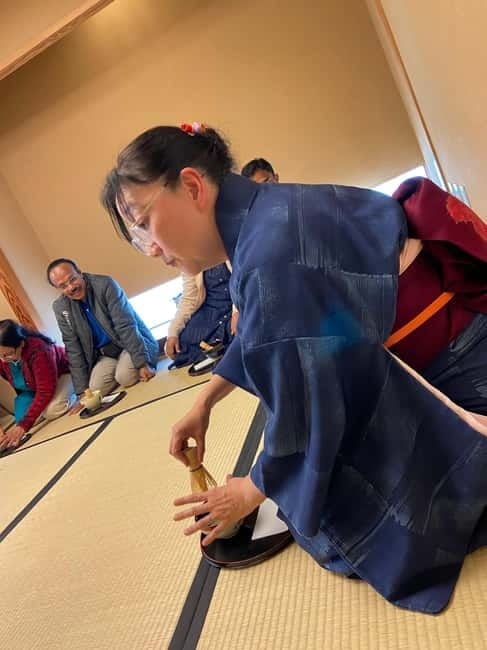
At $25 per person for 1 hour, this isn’t an all-day cultural show. It’s a focused lesson with tastings built in. You’re paying for a real instructor-led experience: tea preparation skills, etiquette practice, and guided tasting. And the value improves because you’re not stuck with one drink. You’ll do matcha first, then sencha—two teas that feel very different on the palate and in the story you’re told.
The format also works well for short trips. You can fit it between shopping, food stops, or sightseeing without losing a whole day. If your goal is to understand Japanese tea culture in a way that feels personal—hands moving correctly, tea aroma in your face—that hour is the sweet spot.
Finding your way to the tatami room (without overthinking it)
The meeting point is straightforward: the Osaka Midosuji Line, Exit 3, ground floor at the underground station area. If you’re already navigating Osaka by subway (which most visitors do), this makes timing easier.
Because the ceremony happens in a tatami room, plan to arrive a few minutes early so you can settle and follow instructions. Shoes are typically a non-issue in spaces like this, but the key is mental: keep your pace calm. This activity is built around quiet attention, not on-the-fly wandering.
You can also read our reviews of more tours and experiences in Osaka.



Welcome and etiquette: the start that sets the tone
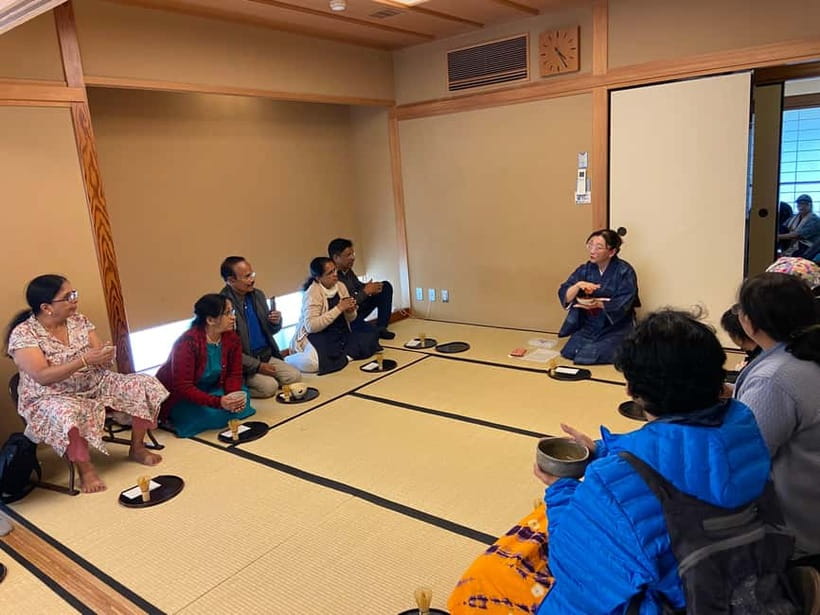
When you arrive, you’re welcomed by an English-speaking tea master. You then move into a traditional tatami room, the kind of setting that immediately changes how you behave. Even if you’ve never done a tea ceremony before, you’ll be guided step-by-step.
This is where I think the experience really earns its price. Many cultural activities end at watching. Here, you’re expected to participate later. So the early welcome and setup matter—they get you ready for the rhythm of the ceremony and the etiquette rules that keep it respectful.
Matcha preparation: watch, learn, and then make it
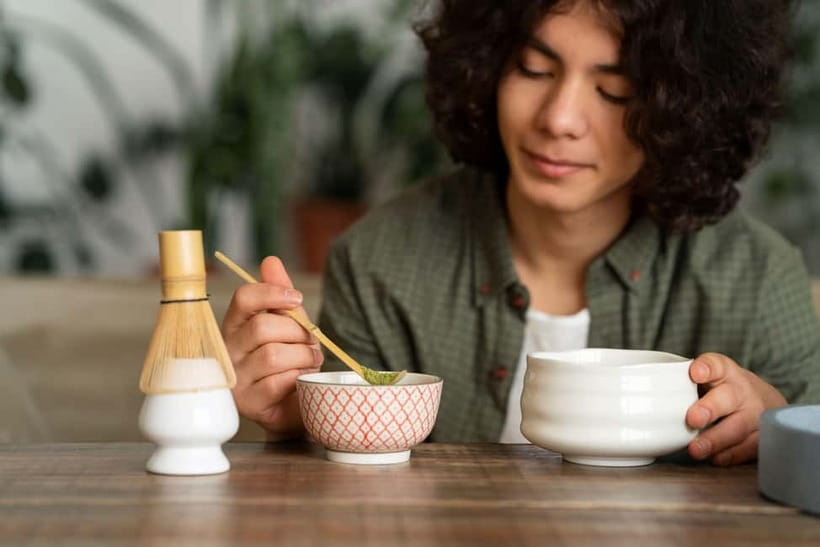
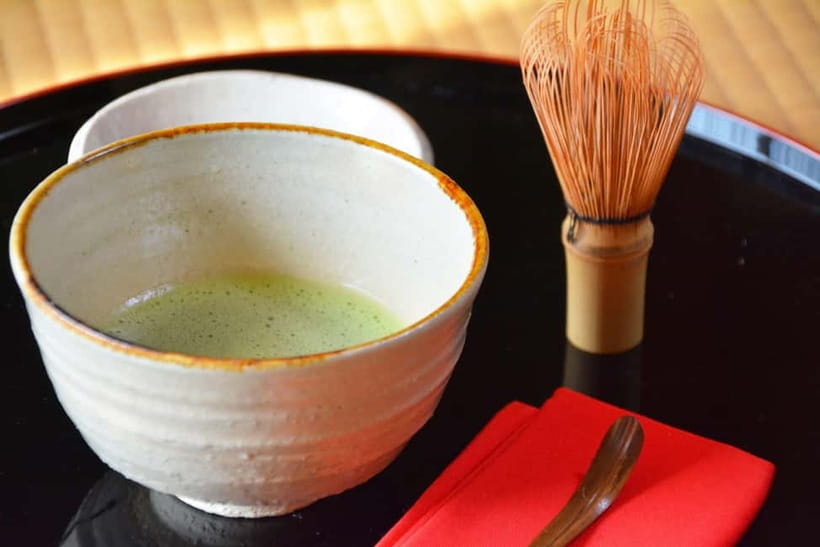
You’ll watch the tea master prepare matcha green tea. Watching first is useful because matcha isn’t “just tea.” The steps and handling are part of the overall experience—how you mix, how you treat the moment, how you pay attention to small actions.
Then comes the part you’ll likely enjoy most: you’ll make tea yourself following the etiquette of the tea ceremony. The instructor explains the history and spiritual role of the ceremony while you’re experiencing it, so your hands aren’t doing random movements. You’ll understand why the steps exist and what the ceremony is trying to teach: presence, restraint, and respect.
What to expect during this phase:
- The tea master demonstrates matcha preparation clearly.
- You get guidance as you practice the steps.
- You taste as part of the ceremony flow, not as an afterthought.
Japanese sweets with matcha: the tasting break that matters
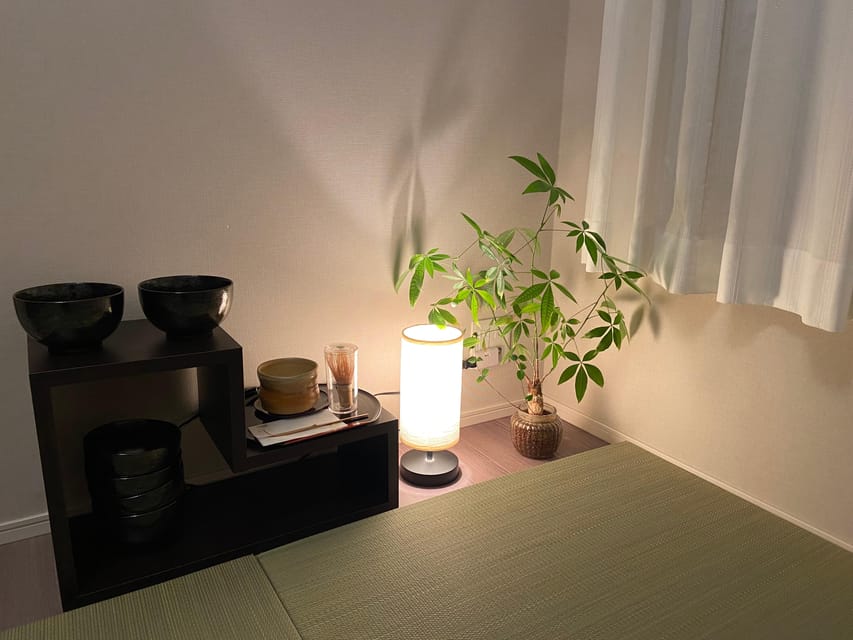
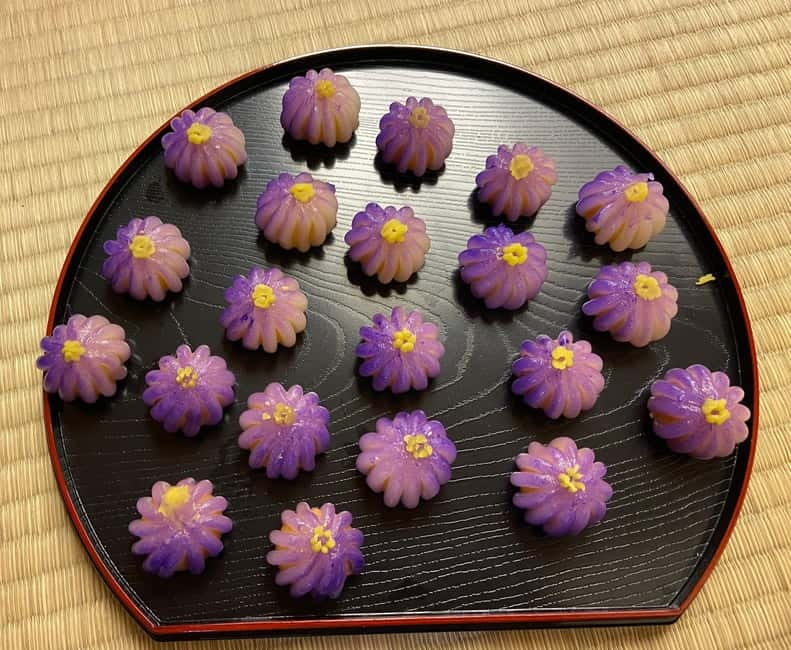
After you’ve made matcha, you’ll taste traditional Japanese sweets. This isn’t just a snack moment. In tea culture, sweets help balance and complement the tea, and they also slow the experience down. You’ll likely find this is where the session becomes more “human” and less like a lecture—because you’re tasting while listening.
Important practical note: persons with food allergies should not eat Japanese sweets and confectionery. If you have allergies, you should skip booking this activity unless you can safely avoid the sweets, because allergy restrictions are explicitly called out for this experience.
Switching gears to sencha: a different tea story
Then you’ll move to sencha green tea and more sweets. Sencha is commonly drunk in Japan today, and that’s a big part of why I like this tour design. Matcha is famous worldwide, but sencha is what many people actually drink day-to-day. So you’re getting both a traditional ritual style and a more everyday glass of tea culture.
Your instructor explains the history of sencha and other aspects of how it fits into modern Japanese life. That context helps you avoid the common trap: thinking tea culture is only about one famous ceremony. Instead, you’ll see how Japanese tea traditions branch into different forms depending on time, occasion, and taste.
In this phase, you’ll be tasting again while learning. That mix of sensory input and explanation makes it easier to remember what you’re hearing. You’ll likely catch differences such as:
- The flavor profile shift from matcha’s grounded, vegetal character to sencha’s more brewed tea feel.
- How each tea “matches” the accompanying confectionery style.

Optional yukata and a photo: the souvenir that doesn’t feel cheesy
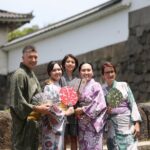
If you want the classic photo moment, there’s an option to wear a yukata during the experience. If you choose it when booking, you’ll also have a chance to have your photograph taken.
Even though a photo can sound touristy, this one fits the mood of the ceremony. It’s not just standing around. It’s tied to your time in the tatami room and to the “at the moment” feeling of participating in a ritual. The yukata rental is optional, and the ceremony experience itself is still the main event either way.
How the instructor’s approach shapes the experience
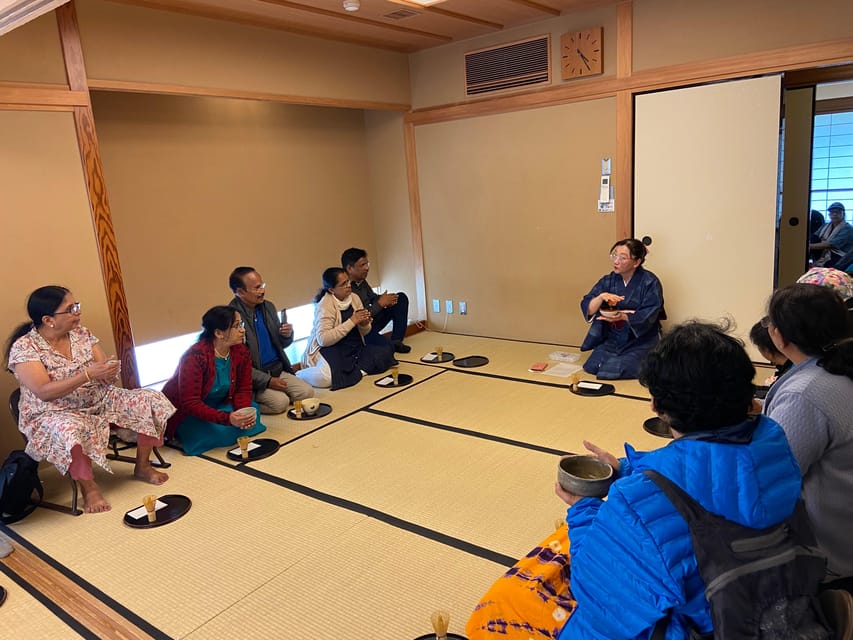
Past sessions specifically mention tea master Yuko and her teaching style: friendly, helpful, and able to explain things clearly in English. That matters because a tea ceremony can feel mysterious if you only get silent demonstrations.
Here, you’re guided through both:
- the how (what to do and in what order), and
- the why (history and spiritual role for matcha, and the story of sencha)
That combination is why this activity tends to land well for visitors. You’re not left translating in your head. You can actually understand the meaning while doing the steps.
Practical tips so you enjoy the full hour
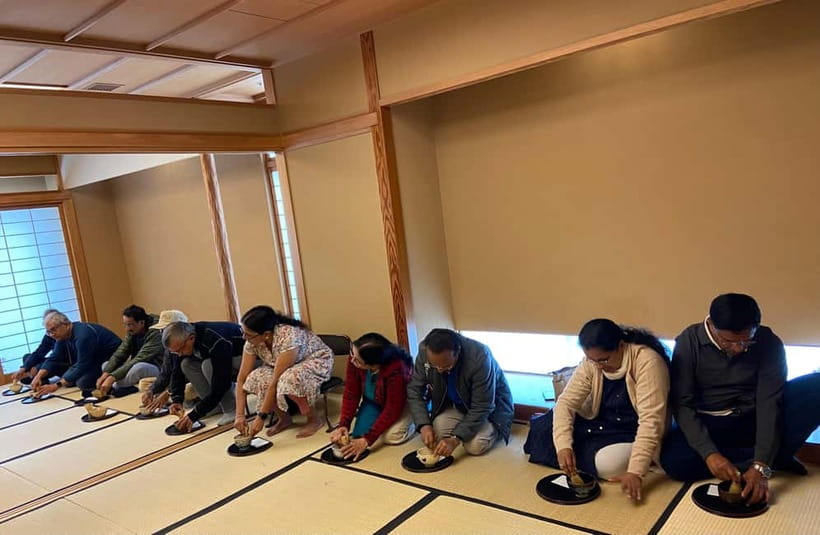
A few things will help you get the most from the ceremony without stressing yourself out:
- Arrive calmly: this is a quiet activity. Being rushed makes it harder to follow etiquette.
- Watch the timing: matcha and sencha come in sequence. When the instructor moves, follow promptly.
- Plan around the sweets: if you have food allergies, don’t assume you can just skip one bite. The sweets are part of the tasting.
- Keep your behavior simple: there are multiple prohibited items and behaviors (like smoking, noise, intoxication, and even chewing gum). Treat it like a respectful classroom moment.
Also, you’ll likely spend time listening during the tea history explanations. If you tend to multitask on tours, try to resist. The ceremony works better when you’re present.
Price and value check: is it worth it?
Let’s be honest: tea ceremonies in Japan can range from quick “experience” stops to more involved lessons. This one sits at a practical middle—$25 for 1 hour—with two tastings (matcha and sencha), sweets, and instruction.
Here’s how I judge value for this kind of activity:
- You’re not paying just for a drink; you’re paying for instructor-led practice.
- You’re not locked into matcha only; you get sencha context too.
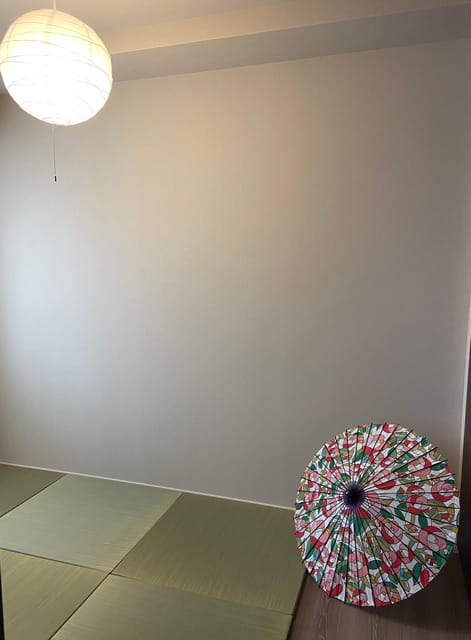
- The setting (tatami room) and the photo/yukata option add atmosphere and a keepsake.
If your idea of “culture” means you want to do something with your hands and taste what you learn, then this price feels fair. If you’re only looking for a quick photo and a basic sip, you may find it more structured than you expected. But the structure is also what makes it memorable.
Who should book this Osaka tea ceremony?
This works best if you:
- want a meaningful intro to tea culture without committing a half day,
- enjoy hands-on instruction,
- like tasting experiences that come with explanation (matcha and sencha),
- would appreciate a guided, English-friendly session in Osaka.
It may not be the right fit if you:
- have food allergies (the sweets are a key part, and allergy restrictions are explicit),
- need wheelchair-accessible accommodations (wheelchair users are listed as not suitable),
- are traveling with a group that expects a party-like atmosphere (some group types aren’t allowed, and noise is discouraged).
A quick reality check on rules and expectations
The activity has clear boundaries—no smoking, no intoxication, no weapons or sharp objects, and no behaviors that disrupt the ceremony. Pets aren’t allowed either. It’s not a place to treat the space like a casual restaurant visit.
Also, the experience is geared toward quiet attention. If you’re the type who needs to talk loudly over everything, it’ll fight your enjoyment level.
Should you book it?
If you want a real taste of Japanese tea culture in one hour, with both matcha etiquette and sencha tasting, I think you should book this. The best part is the participation: you learn, you practice, then you drink what you made. Add in the tatami-room setting and the option for a yukata photo, and you get a complete, memorable package for a reasonable price.
Don’t book it if you have food allergies or need wheelchair access. In those cases, the safest move is to find an alternative experience that matches your needs.
If you’re flexible on the calm, respectful tone of the ceremony, this is one of those Osaka activities that leaves you feeling like you actually learned something—not just watched it.
FAQ
What’s the duration of the Osaka tea ceremony experience?
The experience lasts 1 hour.
How much does it cost, and what’s included?
It costs $25 per person and includes matcha green tea, traditional Japanese sweets, sencha green tea, current Japanese confectionery, and tea ceremony instructors.
Will I taste both matcha and sencha?
Yes. You’ll taste matcha green tea with traditional Japanese sweets, and then you’ll taste sencha tea with current Japanese confectionery.
Can I wear a yukata, and is it included?
You can wear a yukata during the experience, but yukata is not included. You can rent it separately by selecting the relevant additional option when booking.
What language is the instructor?
The instructor provides English and Japanese support.
Is this experience suitable for people with food allergies?
No. People with food allergies should not eat the Japanese sweets and confectionery, and the experience is listed as not suitable for people with food allergies.
Where is the meeting point?
Meet at the Underground Midosuji Line, Exit 3, ground floor.