REVIEW · OSAKA
Osaka Sushi Miso soup Adventure: A Journey of Exotic Flavors
Book on GetYourGuide →Operated by yuki Japanese cooking class · Bookable on GetYourGuide
Sushi starts with rice, not fish. In this Osaka class with Chef Yuki, you’ll learn how the basics turn into sushi you can actually repeat at home, and you’ll do it in a small hands-on group.
What I like most is the way the instruction focuses on technique, not just rolling motions, and the fact that you make several styles yourself. You also get a clear cultural thread through the meal, not just a sushi factory line.
Two standouts for me: you’ll work with tuna zuke and kombu-jime salmon, and those curing/marinating methods are practical for real life. And you’ll finish with miso soup you prepare from scratch, so you’re taking home flavors that aren’t locked inside a restaurant.
One possible drawback: the meeting spot is near Nukata Station (about 5 minutes’ walk), so if you’re staying deep in central Osaka, plan transit time and don’t treat it like a quick hop after dinner.
In This Review
- Key takeaways before you go
- Why Osaka sushi lessons feel practical (not just fun)
- Meeting Chef Yuki near Nukata Station: the logistics that actually matter
- What you’ll make in 3 hours: nigiri, hosomaki, tamagoyaki, and miso soup
- The rice foundation: the skill that makes everything else click
- Tuna zuke and kombu-jime salmon: the home cook advantage
- Building a full Japanese flavor loop: miso soup, dashi-style basics, and wasabi
- How Chef Yuki’s teaching style keeps it personal (and actually useful)
- Value check: why $96 feels fair for what you’re getting
- Who should book this Osaka sushi course (and who might not)
- Should you book this Osaka sushi making course?
- FAQ
- How long is the Osaka sushi making class?
- What will I make during the 3 hours?
- Is the class taught in English, and how many people are in the group?
- Where do I meet the instructor in Osaka?
- Do I get recipes or help to cook again at home?
- What payment and cancellation options are available?
Key takeaways before you go
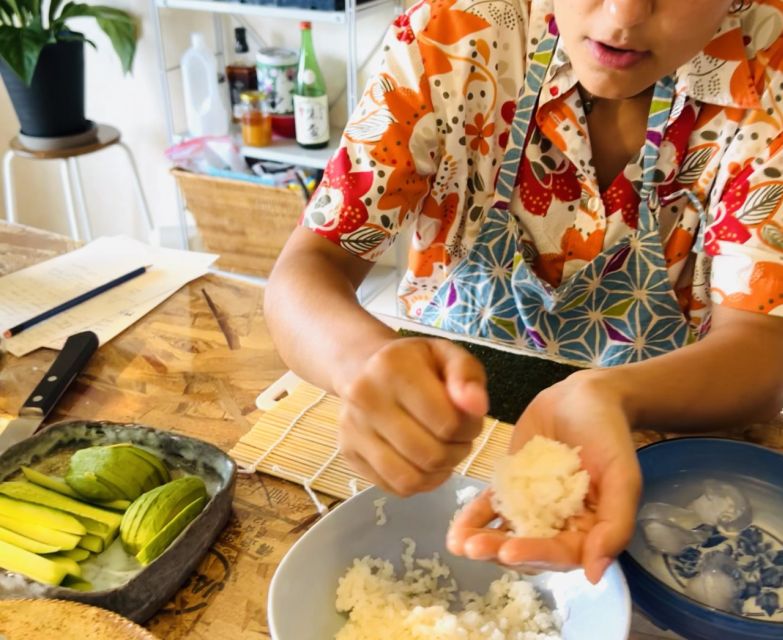
- Small group (max 6) means you’re not guessing or waiting in a line for help.
- Chef Yuki’s training includes learning from a sushi master with 40+ years’ experience, plus her own decade-plus cooking background.
- You’ll make nigiri, hosomaki, and tamagoyaki, not just one roll.
- Tuna zuke and kombu-jime salmon show how to preserve flavor and freshness with traditional methods.
- You’ll learn soup basics too: miso soup plus core ingredients used in Japanese cooking.
- English instruction makes it easier to ask questions and understand the why behind each step.
Why Osaka sushi lessons feel practical (not just fun)
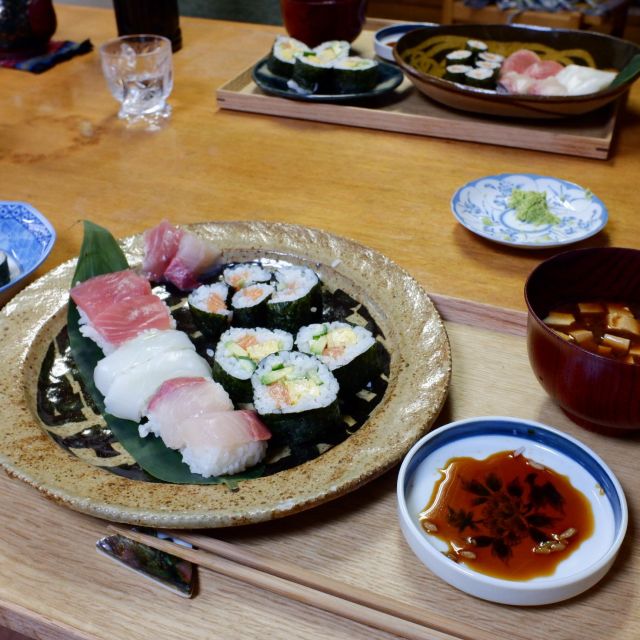
A good sushi meal looks effortless. The truth is it’s mostly timing, rice handling, and seasoning discipline. This class is built around those everyday skills, so you’re not leaving with only a memory, you’re leaving with a method.
I like that the focus stays on repeatable results. When you learn how to season and handle sushi rice properly, it changes everything: your nigiri holds together better, your rolls don’t fall apart, and your toppings feel more intentional instead of random.
This is also a smart choice if you’re the type who wants to understand food culture, not only taste it. You’ll learn miso soup and core Japanese elements like dashi-style foundations and basic wasabi preparation—things that show up far beyond one sushi counter.
You can also read our reviews of more tours and experiences in Osaka.

Meeting Chef Yuki near Nukata Station: the logistics that actually matter
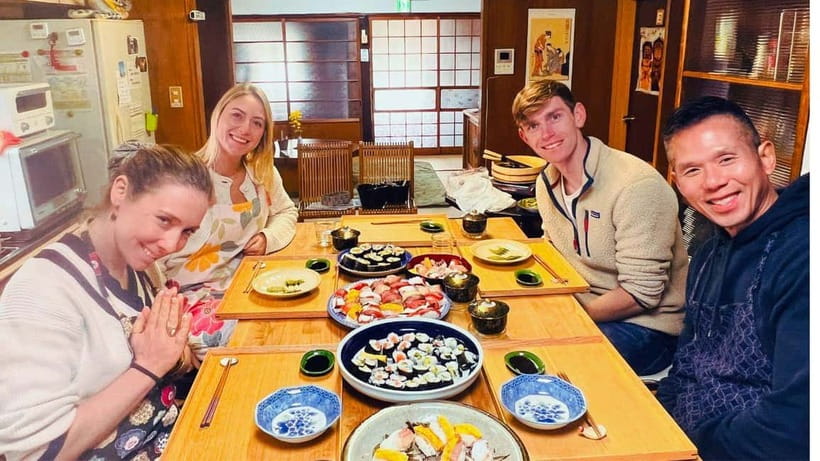
Your meeting point is at 4-19 Nukata-cho, right by the cooking class location, and it’s about a 5-minute walk from Nukata Station. The instructions say to look for a white building near the station. That’s helpful, because Osaka streets can be easy to overshoot if you’re relying on vague landmark memory.
If you’re coming from Namba, use the Kintetsu Nara Line:
- Board a train at Osaka Namba Station bound for Kintetsu Nara
- Get off at Nukata Station (about 30 minutes, ¥430)
- Walk about 5 minutes to 4-19 Nukata-cho
Plan to arrive 10 minutes early. In a 3-hour cooking class, being late doesn’t just cost you minutes—it affects how the group moves into rice and preparation steps.
One tip: if navigation stresses you out, message ahead for help. The activity information specifically invites you to contact Chef Yuki if you need assistance, and recent experiences also suggest she’s good at meeting people near the station area.
What you’ll make in 3 hours: nigiri, hosomaki, tamagoyaki, and miso soup
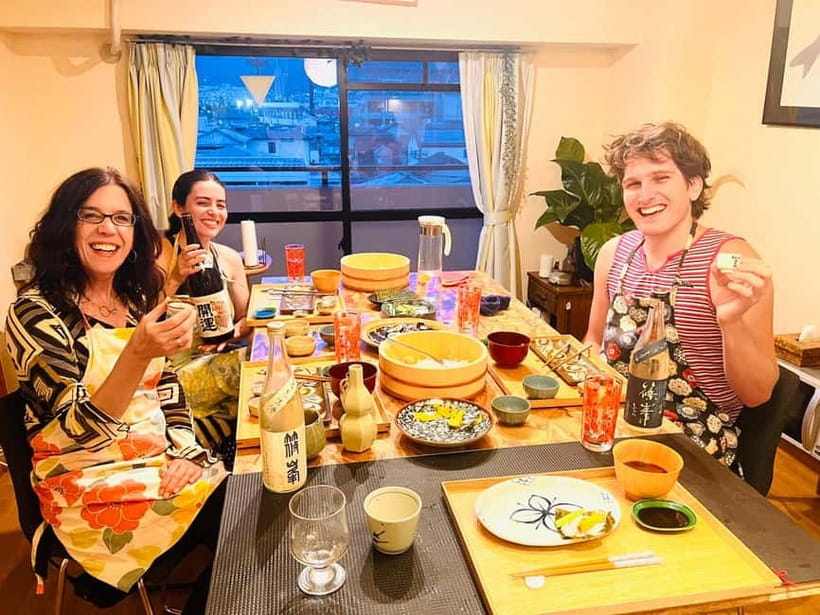
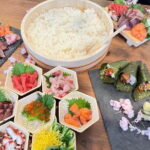
This class is structured around a full sushi spread, which is great value for your time. You’re not only learning one technique; you’re building a small skill set.
Here’s what’s on the menu:
- Nigiri sushi: learn the balance between seasoned rice and topping
- Tuna zuke: marinated tuna to deepen flavor the Japanese way
- Kombu-jime salmon: kelp-cured salmon using an old technique that helps the fish stay fresh longer
- Hosomaki: thin rolls where precision matters
- Tamagoyaki: the Japanese rolled omelet using a square pan
- Miso soup: made from scratch to round out the meal
The best part is that you roll and assemble. Nigiri isn’t just about placing fish on rice—it’s about how the rice behaves and how your hand pressure feels. Hosomaki teaches you restraint: one main ingredient keeps the roll honest, so your technique becomes visible fast.
Tamagoyaki is a perfect reality check too. It’s not complicated in ingredients, but it’s technical in texture. If your timing or rolling rhythm is off, you’ll see it instantly. That’s why it’s such a satisfying skill to learn in a short session.
And then you eat what you make. That matters more than people think. Cooking classes where you don’t get to taste your own work can feel like homework. Here, your end result is the meal.
The rice foundation: the skill that makes everything else click
Sushi rice is the engine. If your rice is too hot, too cold, too sticky, or under-seasoned, everything else becomes harder than it needs to be. That’s why this class spends time on rice preparation and handling.
One of the most useful things you’ll learn is how to treat the rice in a more traditional way, including proper seasoning and how to handle it after cooking. You’ll also get guidance on how to keep your rice working for rolling and shaping, not turning into a gluey mess.
If you’ve tried sushi at home before, you probably know the usual problem: the rice tastes fine, but the sushi doesn’t behave. This is where technique training helps. When you understand how rice should feel and how it should be used, your nigiri texture improves and your rolls tighten up.
Tuna zuke and kombu-jime salmon: the home cook advantage
These two fish preparations are not only tasty; they’re also practical. The class explains that marinated tuna and kelp-cured salmon can preserve freshness for 3–4 days. That’s huge if you’re cooking far from Tokyo’s best markets.
Here’s why these methods make sense for you:
- Tuna zuke uses a soy-based marinade to add flavor and soften the surface, so even when the fish isn’t ultra-rare, it still tastes intentional.
- Kombu-jime salmon uses kelp curing, a centuries-old approach that helps the salmon stay in better shape for several days.
This is the kind of skill that turns sushi from a special-occasion project into a repeatable routine. If you can source salmon and tuna reliably where you live, these methods help you plan a little ahead instead of gambling every time.
Just as important: you’ll learn the logic behind the process, not only the steps. That means if you want to adjust timing or sauce levels, you’ll know what you’re changing and why.

Building a full Japanese flavor loop: miso soup, dashi-style basics, and wasabi
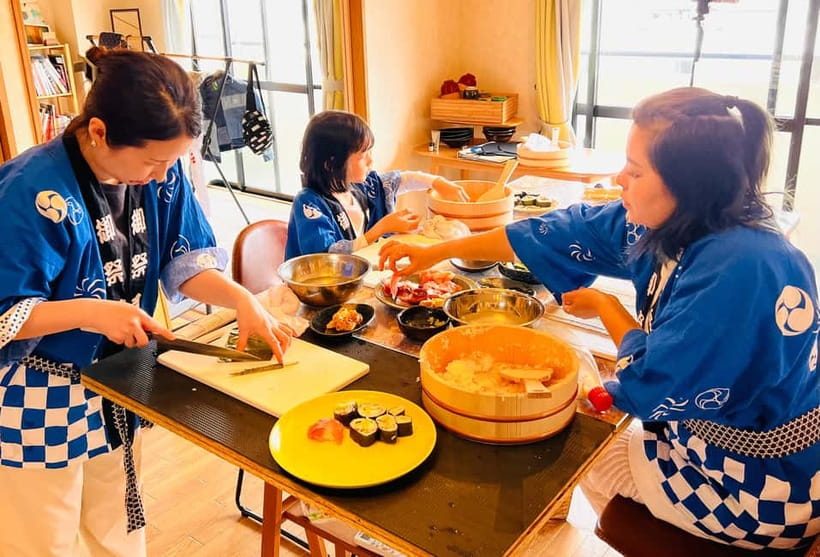
This course isn’t only fish and rice. You’ll learn miso soup from scratch, which is a strong move because miso is one of Japan’s most flexible everyday flavors.
Miso soup teaches you a different kind of attention than sushi. With sushi, you’re balancing texture and temperature. With miso soup, you’re balancing aroma and timing—especially how dashi-style foundations and miso are handled together.
You’ll also be shown fundamentals that often get skipped in casual cooking classes, like basics for wasabi preparation and the underlying soup elements used in Japanese cooking. Even if you don’t make sushi every week, these skills help you cook more Japanese meals at home.
It’s also a calmer class by design. After a day of Osaka sightseeing, getting time to focus on the stove is a relief. You end with dishes that taste like you earned them.
How Chef Yuki’s teaching style keeps it personal (and actually useful)
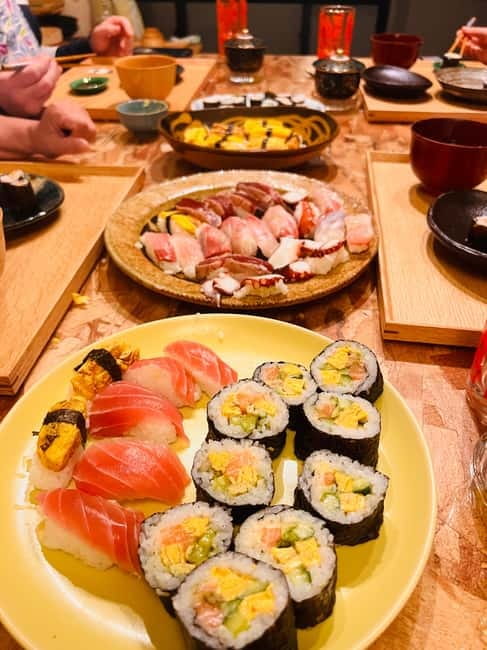
Chef Yuki is the key ingredient here. The course is taught in English, and the group is limited to 6 participants, so you’re not lost in a crowd.
What I appreciate about this kind of small class format is how you can correct quickly. Sushi goes wrong in tiny ways—rice stickiness, topping placement, roll tightness. In a small group, questions don’t get swallowed by the schedule.
The class has a cultural storytelling layer too. Chef Yuki explains traditional Japanese cooking habits and practical tips you can use later. That includes why curing/marinating methods matter and how to think about fish prep at home.
From what’s been shared in past experiences, Chef Yuki can also be flexible with personal needs. For example, one participant noted that a vegetarian situation worked out fine. If you have dietary requirements, message ahead so you’re not relying on luck.
If you’re traveling with a baby, you’ll likely find the atmosphere manageable because the group is small and the host is attentive. Still, check ahead so the plan fits your exact needs.
Value check: why $96 feels fair for what you’re getting
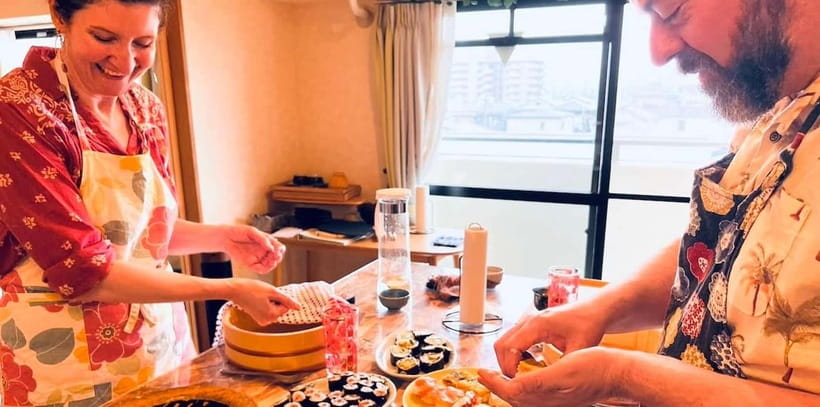
At $96 per person for 3 hours, the price can look high at first glance. But this class includes more than instruction—it includes ingredients and hands-on time with multiple dishes.
You’re making:
- sushi rice-based nigiri
- hosomaki rolls
- tamagoyaki
- tuna zuke and kombu-jime salmon preparations
- miso soup from scratch
And the class isn’t a “watch and hope” model. You’ll actively create the dishes and eat them at the end. That turns the meal into part of the value, not a separate paid stop afterward.
You also leave with tools for the future. Several participants noted that Chef Yuki sends recipes afterward, which means you’re not paying just for a one-time afternoon. You’re paying to take the method home and use it again.
If you enjoy cooking, this is the kind of experience that pays back quickly. If you only want a quick taste, you might prefer a restaurant. But if you want to learn how to do sushi correctly, the per-hour cost becomes easier to justify.
Who should book this Osaka sushi course (and who might not)
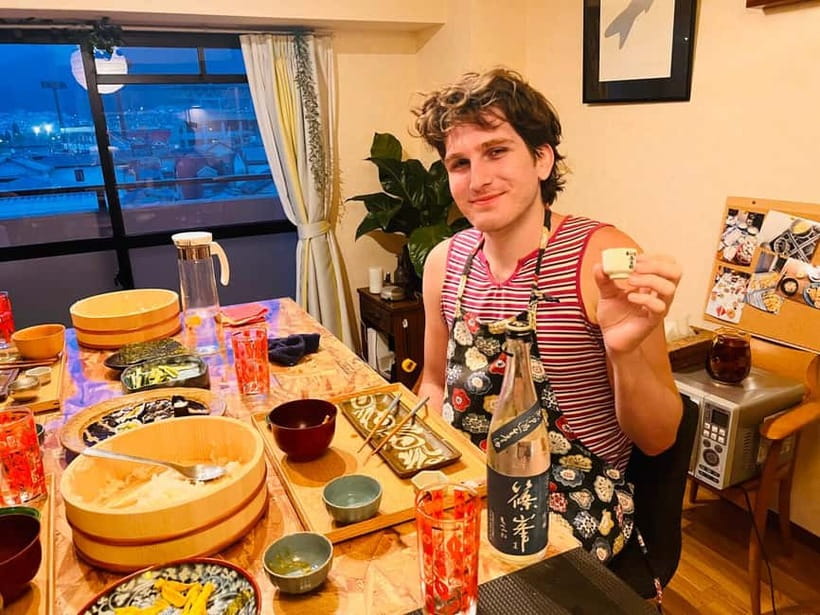
This class fits best if you:
- want hands-on technique, not just a dinner experience
- enjoy learning rice and basic Japanese flavor building blocks
- like the idea of planning fish prep using tuna zuke and kombu-jime salmon so you can cook later
- want English instruction with the chance to ask questions
It’s also a good choice for people who already know some cooking basics. Hosomaki and tamagoyaki are technique-heavy enough to feel worth it even if you’ve cooked before.
You might think twice if:
- you’re expecting a sightseeing-heavy day (this is mainly a cooking experience)
- you dislike the idea of preparing multiple components in one session
- you can’t get to Nukata Station area without hassle
Should you book this Osaka sushi making course?
Yes, if your goal is to leave Osaka with usable sushi skills, not only a satisfied stomach. The combination of multiple sushi styles, miso soup, and the practical fish methods (tuna zuke and kombu-jime salmon) is exactly what makes this class feel worth the time.
Book it if you like learning technique in a small group where you can correct mistakes. And book it sooner rather than later if you’re traveling during a busy season, since the group size is limited to 6.
If you’re the type who just wants a casual meal, you might decide against it. But if you’re curious, patient, and excited to cook, this class gives you real kitchen confidence that follows you home.
FAQ
How long is the Osaka sushi making class?
The class lasts 3 hours.
What will I make during the 3 hours?
You’ll make nigiri sushi, tuna zuke (marinated tuna), kombu-jime salmon (kelp-cured salmon), hosomaki (thin rolls), tamagoyaki (Japanese rolled omelet), and miso soup.
Is the class taught in English, and how many people are in the group?
The instructor teaches in English, and the group is limited to 6 participants.
Where do I meet the instructor in Osaka?
Meet at 4-19 Nukata-cho, Osaka. It’s a white building near Nukata Station and is about a 5-minute walk.
Do I get recipes or help to cook again at home?
Yes. Several participants mention that Chef Yuki sends recipes after the class so you can cook at home.
What payment and cancellation options are available?
The activity lists free cancellation up to 24 hours in advance for a full refund, and it also offers a reserve now & pay later option.