REVIEW · OSAKA
Osaka: Guided Food Tour with 12 Dishes at 4 Local Eateries
Book on GetYourGuide →Operated by Local Guide Stars · Bookable on GetYourGuide
Osaka hits fast when the food starts flowing. This guided food tour packs 12 first-time dishes into about 150 minutes, with stops at local sake bars instead of the usual tourist scripts. I also like that the plan is designed for variety—fish, skewers, and traditional sweets—so you leave with a real sense of what Osaka tastes like. One thing to consider: you’ll be pretty full, and any extra snacks or drinks beyond what’s included need to be paid in cash.
I’ve got a soft spot for tours where the guide actually shapes the night. On this one, English-speaking guides (I’ve seen names like Mao, Ukyo, Spike, Ken, Nao, and Momo) tend to explain what you’re eating and why it matters, while also building a friendly vibe so you can chat with new people as you walk through Dotonbori.
In This Review
- Key Highlights You Should Know
- Why This Osaka Food Tour Feels Like a Real Night Out
- Meeting at Don Quijote Dotonbori Midosuji: Easy Start, Easy Orientation
- Stop One: A Restaurant Start That Sets the Tone
- Izakaya and Sake Bar Energy: The Part Food Lovers Wait For
- Street Food and Dessert Stops: Osaka in Small, Loud Bites
- How the 12 Dishes Work (Even When the Stops Change)
- Drinks: Two Included Choices, and Cash for Any Extras
- Pace and Group Vibe: You Eat, You Walk, You Actually Talk
- What to Eat After the Tour: The Smart Way to Spend Your Leftover Appetite
- Who This Osaka Tour Suits Best
- Should You Book This Osaka Food Tour?
- FAQ
- How many dishes are included?
- How long is the Osaka guided food tour?
- Where do I meet the guide?
- Are drinks included?
- Do I need cash during the tour?
- Can teenagers join the tour?
- Is the tour in English and wheelchair accessible?
- What should I bring?
Key Highlights You Should Know
- 12 dishes in 150 minutes: a fast, focused sampler that’s great for first-timers
- Sake bar energy without the guessing: you’ll know what to order and how to enjoy it
- Street food with Michelin Guide mentions: you’re not just eating inside restaurants
- Local flavor, not tourist menus: the route favors places you’d struggle to find alone
- A small-group feel: multiple guides and group setups have been praised for pacing and fun
Why This Osaka Food Tour Feels Like a Real Night Out
This isn’t a “show up, eat one thing, move on” kind of experience. It’s built around stacking bite-size moments—restaurant snacks, bar plates, and street food—so you get a wide spread of Osaka flavors without spending hours planning. The headline is 12 dishes, but what matters more for you is the ratio: enough variety to feel like you learned something, and enough time to enjoy the walk through Dotonbori without rushing yourself.
The other reason I like this format is that it reduces decision fatigue. In Osaka, menus can be intimidating when you don’t read Japanese, and restaurants can look identical from the outside. A guide breaks that logjam. You show up, follow the plan, and focus on eating and asking questions instead of figuring out what everything is.
The tour also leans into what Osaka is famous for beyond “famous signs.” You’re likely to see a mix of seafood-forward bites (fresh fish dishes), grilled items (think skewers and yakitori-style flavors), and traditional sweets. Even the “first time” angle matters: if you’re new to Japanese food, this is a structured way to expand your taste in a single evening.
You can also read our reviews of more food & drink experiences in Osaka
Meeting at Don Quijote Dotonbori Midosuji: Easy Start, Easy Orientation
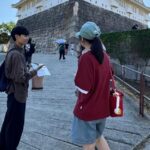
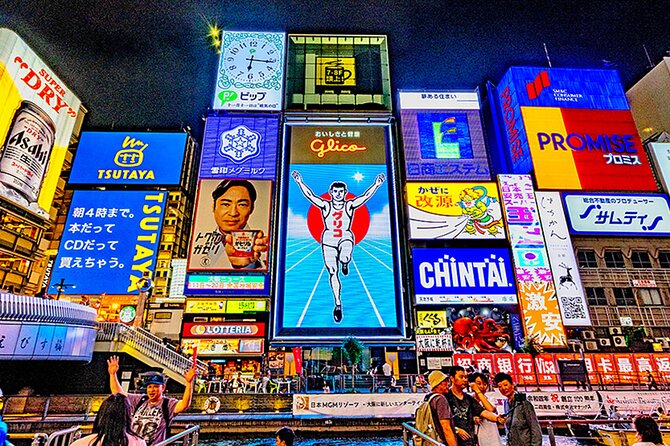
Your meeting spot is straightforward: in front of Don Quijote Dotonbori Midosuji Store, and you’re looking for the Local Guide Stars sign. That matters more than it sounds. Osaka’s major streets can feel like a maze when you’re hungry, and a clear meet point helps you start relaxed instead of sprinting to catch a group.
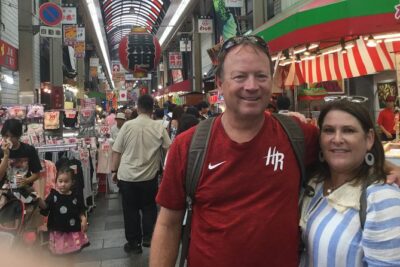
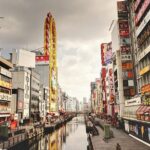
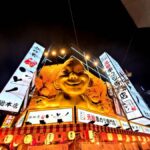
From there, the tour typically leans on walking through the Dotonbori area. Dotonbori is visual—bright lights, busy sidewalks, and food everywhere. The guide’s job is to help you interpret the scene: what you’re seeing, what’s worth trying, and what to skip if your goal is authentic local eating rather than the most obvious “grab-and-go” spot.
Bring comfortable shoes. Even though the itinerary stays on foot for about 150 minutes, the pace is still active. Also grab your camera—not because you’ll pose for photos, but because Dotonbori’s food street life is something you’ll want to remember later.
Stop One: A Restaurant Start That Sets the Tone
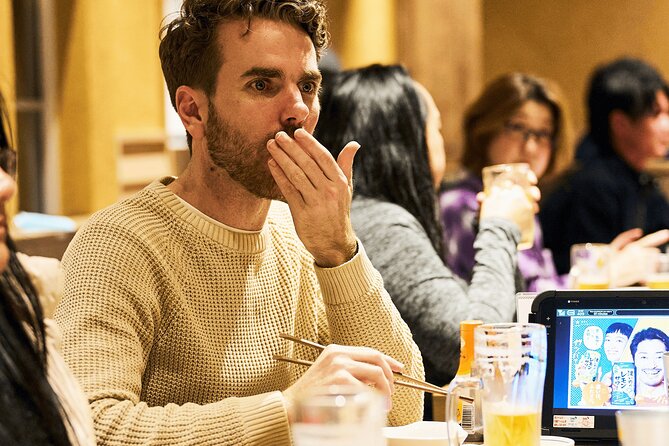
The first stop is a local restaurant with an opening drink—often described in the tour details as aperitif or beer/cocktail/tea/coffee style choices—and a mix of food that kicks off the night. This is a smart way to begin because it gives you a baseline: you’re not starting with something weird, spicy, or heavy without warming up.
What you’ll appreciate here is the ordering guidance. Many Osaka dishes have a “best way to eat it” moment—timing, sauce choices, or eating order—so starting with restaurant bites helps you learn the rhythm of the meal. It also gives you a chance to settle in while the guide explains the surrounding area and what to look for as you move.
One possible drawback: restaurant stops can feel more “sit and snack” than “big meal,” especially if you’re expecting a full dinner course. But that’s actually part of the point. The night is designed to stack multiple stops, not to overload you with one long sit-down meal.
Izakaya and Sake Bar Energy: The Part Food Lovers Wait For
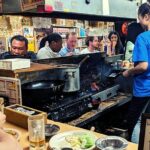
A major reason people pick this tour is the move toward places that locals actually frequent—especially sake bars and izakaya-style spots. These aren’t just about alcohol. They’re about atmosphere and sharing plates.
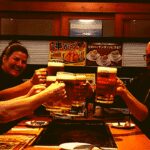
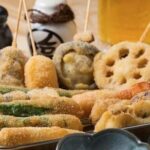
Based on the experiences shared from the guides’ nights, you may run into classics like fresh sashimi, fried chicken, and sake at an izakaya stop. That combo is very Osaka: seafood freshness, hearty comfort bites, and a drink that matches the pace of small plates.
The guide’s value here is practical. If you can’t read the menu easily, you might miss what’s seasonal or what’s best ordered in that moment. A guide also helps you understand how to drink and eat without turning it into an awkward performance. You can focus on taste, not translation.
One more plus: this is typically where the conversation clicks with the group. People tend to loosen up after the first restaurant stop, and since the tour is social by design, you’ll often chat while you eat. Multiple guide names (like Nao, Mao, and others) have been praised for humor and friendliness, which helps if you’re traveling solo.
Street Food and Dessert Stops: Osaka in Small, Loud Bites
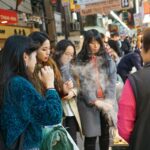
Osaka street food is where the city’s personality shows up. You get heat from the crowd, smells from the stalls, and that instant “this is happening right now” feeling. The tour includes street food, and one highlight specifically notes street items featured in the Michelin Guide, which is a great sign for quality.
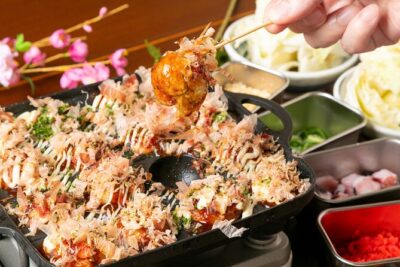
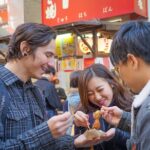
You might see Osaka favorites like takoyaki during the street portion. You may also find a sweet stop—dessert details are part of the tour structure—because Osaka is serious about its snack culture. The best part is the pacing: street food works as a bridge between longer restaurant and bar moments. It keeps the night moving, and it gives your stomach a break from heavier plates.
The only consideration here is the environment. Dotonbori sidewalks can be packed, and weather can matter. If it rains, you’ll still keep going, but you might spend a little more time waiting under cover at the final stop. Wear shoes you can handle on crowded pavement.
You can also read our reviews of more tours and experiences in Osaka

How the 12 Dishes Work (Even When the Stops Change)
Here’s a key detail that makes this tour more interesting than a rigid “same menu everywhere” situation: the tour notes that different restaurants are visited depending on the day, and the dishes can differ as well. That’s good news if you’ve already eaten your way through one Osaka neighborhood or if you’re flexible about what you try.
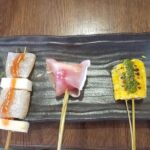
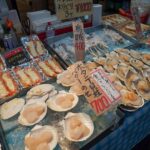
For you, this means the “12 dishes” concept is still consistent, but the specific lineup shifts. You can expect a mix of categories—fresh fish dishes, grilled skewers, and traditional sweets—plus other small bites tied to each stop. That’s also why this tour works well for repeat visits to Osaka. Even if you don’t come back for a second tour, the variety you get in one evening can help you decide what to hunt for later.
I also like that the tour emphasizes first-timer dishes. If you’re not confident ordering in Japanese, being offered a structured set of foods is a relief. It’s like having a tasting menu with a human guide standing next to your shoulder.
Drinks: Two Included Choices, and Cash for Any Extras
You get 2 drinks included, and the tour details list drink types like aperitif, beer, cocktails, spirits, tea, coffee, and wine. In practice, what you choose depends on your guide and the stop, but the structure is clear: two drinks are built into the price.
This matters if you’re trying to compare value. A food tour without drinks can feel stingy, especially when the evening includes bar atmosphere. Here, the drink component is part of the experience, not an add-on.
Two important notes:
- If you’re under 20, you can join, but you’re not permitted to consume alcohol.
- The tour includes plenty of food and drinks, but any extras must be paid in cash. Bring some cash so you’re not scrambling when you see one more thing you want.
Pace and Group Vibe: You Eat, You Walk, You Actually Talk
At 150 minutes, the tour strikes a balance. You’re not trapped in a multi-hour restaurant marathon, but you also aren’t sampling so fast that nothing feels memorable. The pacing has been praised as good, and the structure of multiple stops helps keep energy steady.
The social side is real, too. The tour is set up so you can meet new friends along the way, and many guide experiences highlight friendly interaction and humor. Guides like Spike and Ukyo have been singled out for energy, while Mao has been noted for thorough explanations and thoughtful attention to preferences.
One detail I find especially useful: some people have reported a tiny group experience where it felt more like dinner with a friend than a crowded tour. That doesn’t mean every night is private, but it signals that group size can stay manageable.
What to Eat After the Tour: The Smart Way to Spend Your Leftover Appetite
This tour leaves you full, no question. But it also teaches you what you liked. I recommend using that info immediately.
For example:
- If you enjoyed grilled or seafood-heavy bites, plan your next meal around those themes instead of trying random items.
- If you tasted something sweet and loved the texture, you’ll know what kind of wagashi-style treat to search for.
- If you’re curious about Osaka-style comfort food like okonomiyaki (mentioned as a standout in guide-led experiences), you’ll be better prepared to pick a place later—because you’ll know what you’re aiming for.
The key is to avoid stacking a huge lunch before your tour. An easier stomach gives you better taste control, and you’ll enjoy every dish instead of forcing it.
Who This Osaka Tour Suits Best
This is a strong fit if:
- You’re visiting Osaka for the first time and want variety fast.
- You want to eat like a local in spots that go beyond the easiest tourist choices.
- You like tours where the guide talks while you walk and eats while you learn.
It can also work well if you’re traveling solo. People have specifically mentioned that it’s a great option for solo travelers because the guide and group setup make it less awkward to talk and ask questions.
If you dislike walking in crowds or you have strict dietary needs and you’re not sure how they’ll be handled, message ahead when you book. One experience specifically noted gluten-free care from a guide (Mao), which suggests at least some adaptability—but don’t assume every ingredient can be swapped without checking.
Should You Book This Osaka Food Tour?
If you want a high-value food night that does more than slap a checklist of dishes in front of you, I think it’s an easy yes. The biggest strengths are practical: 12 dishes, English guidance, stops that include sake bar atmosphere, and street food that’s been linked to Michelin recognition. You also get social energy without feeling like a classroom.
Book it if your goal is to leave Osaka understanding what the city eats, not just what it sells to tourists. Bring cash for anything extra, wear comfortable shoes, and go hungry enough to enjoy the whole sequence. If you prefer a very quiet, sit-down-only meal experience, you might find the walking and crowded street setting less your speed. But for most food-first travelers, this is a smart way to get a real Osaka night in under three hours.
FAQ
How many dishes are included?
You’ll get 12 recommended Japanese dishes during the tour.
How long is the Osaka guided food tour?
The tour lasts 150 minutes.
Where do I meet the guide?
Meet in front of Don Quijote Dotonbori Midosuji Store, looking for the Local Guide Stars sign.
Are drinks included?
Yes. The tour includes 2 drinks.
Do I need cash during the tour?
Yes. The tour includes plenty of food and drinks, but any extra items must be paid in cash.
Can teenagers join the tour?
Participants under 20 are welcome, but they are not permitted to consume alcohol.
Is the tour in English and wheelchair accessible?
The tour has a live English-speaking guide and is wheelchair accessible.
What should I bring?
Bring comfortable shoes and a camera.