Osaka changes after dark, and this tour shows why. You’ll walk the old-lane feeling of Tenma and then hop over to Kyobashi for a totally different nighttime vibe, all with a fluent guide who knows how to explain what you’re seeing without turning it into a lecture.
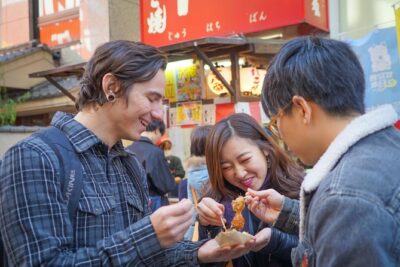
What I like most is that you’re tasting real neighborhoods where people actually eat, not just scanning menus under neon.
I also love the balance here: 15+ curated dishes across three restaurant stops keeps things generous but not repetitive. The guide works with your group’s appetite and curiosity, and the evening flows as a food night with stories attached.
One consideration: this is for teens and adults (13+), and mild adult topics come up during the walk, even though the places themselves are not bars. Also, it’s not suitable for wheelchair users.
In This Review
- Key points to know before you go
- Osaka after dark: Tenma and Kyobashi beat the Dotonbori routine
- Meeting at McDonald’s Tenma Station and how the 3 hours really feel
- Tenma’s alleys: the first tastings and what the neighborhood teaches
- Restaurant stop rhythm: sitting when it counts
- The included drinks setup (and what it means for your night)
- The short train hop to Kyobashi: same city, different attitude
- Kyobashi’s last tastings: how the final dishes close the story
- What you’ll eat: 15+ curated dishes (and why the sample menu matters)
- Value check: $94 is about more than food
- Who should book this Osaka night food tour (and who shouldn’t)
- Tips to make this tour feel smooth
- Should you book this Osaka small-group food tour?
- FAQ
- Where is the meeting point?
- How long is the tour?
- What’s the group size?
- How many restaurants will I visit?
- What’s included in the price?
- Are drinks beyond the included ones covered?
- What languages are the guides available in?
- What are the age requirements?
- Can dietary restrictions be accommodated?
Key points to know before you go
- Two contrasting districts: nostalgic Tenma first, then lively Kyobashi after a short train hop
- 15+ dishes with a purpose: not volume for volume’s sake
- Max 6 guests: small enough to talk, ask questions, and keep the night feeling local
- Up to three included drinks: one at each restaurant stop, with extra drinks paid on site
- Sample menu reality: what you eat can shift with season and availability
- Adventure-friendly atmosphere: some guides encourage bolder choices, with cultural context
Osaka after dark: Tenma and Kyobashi beat the Dotonbori routine
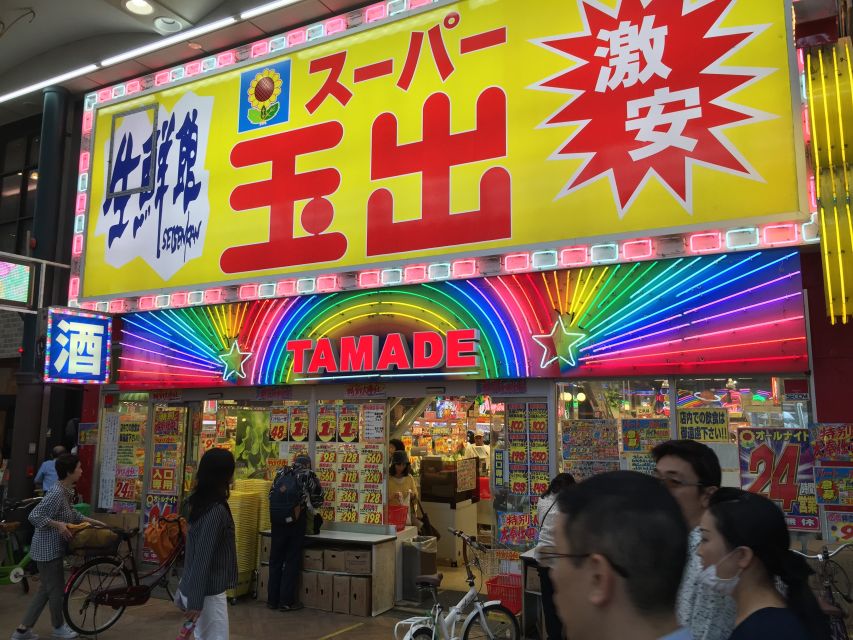
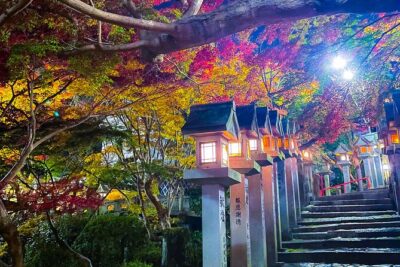
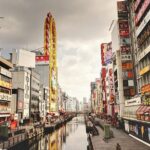
Osaka’s night reputation is easy to spot, but it’s also a little too obvious. This tour steers you toward the lived-in parts of town where food is the main event and the conversations feel like they belong to the neighborhood, not the internet.
Tenma is where you get that older, tighter feeling: narrow alleys, older storefronts, and a sense that you’ve stepped into the city’s everyday past. Kyobashi then flips the mood. It’s more talk-at-the-counter, after-work energy, with a spread of tastes that feel current and practical, the kind of places locals return to because the food works.
You can also read our reviews of more tours and experiences in Osaka.
Meeting at McDonald’s Tenma Station and how the 3 hours really feel
You start in front of McDonald’s at Tenma Station (don’t worry, the McDonald’s isn’t part of the tour). This is a smart meeting choice: it’s easy to find, and you’re already in the neighborhood before the walking begins.
From there, the evening is paced to keep you comfortable. You’ll walk in short blocks, then sit for tastings in local restaurants. There’s also a short train hop (about 3–4 minutes on a local train) between districts, so you’re not spending your appetite time underground.
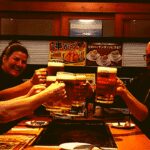
In practice, that pacing matters. Osaka food can move fast—tiny dishes, multiple flavors, beer or cocktails in between—but the structure helps you actually enjoy each stop instead of rushing through it.
Tenma’s alleys: the first tastings and what the neighborhood teaches
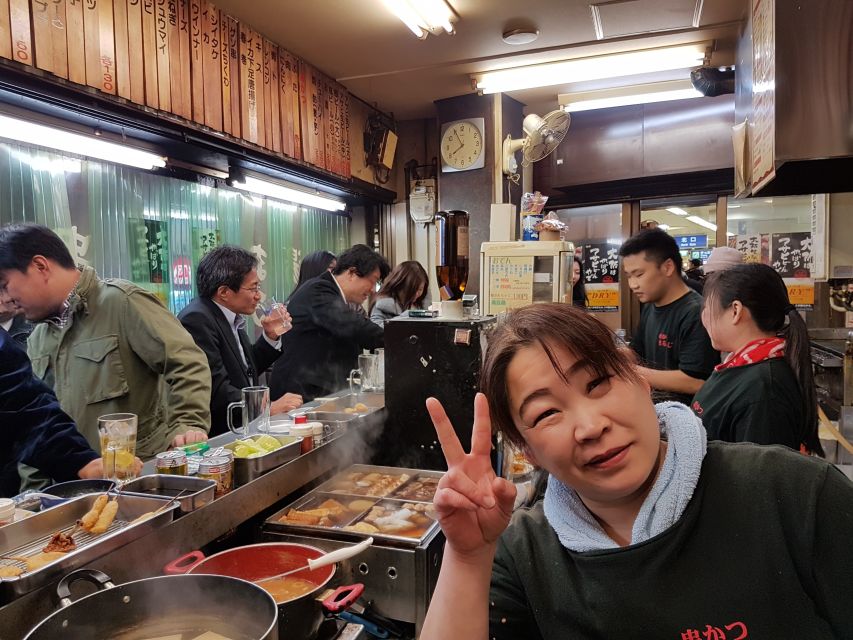
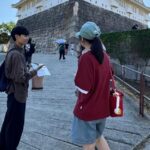
Your Tenma portion begins with a guided walk (about 45 minutes). This is more than “look around.” The guide uses Tenma as a lens to explain how Osaka thinks about food—why certain dishes endure, how shop owners build loyalty, and what people talk about when they’re choosing where to eat.
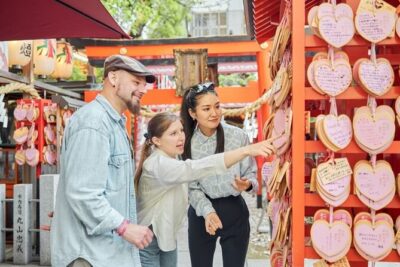
The atmosphere here is part of the lesson. You’ll pass small lanes and older storefronts that feel unpolished in the best way. That “not staged” feel is exactly what makes Tenma hit. It’s the kind of place where you can’t really follow a single postcard route, so the guide’s local fluency becomes the difference between window-shopping and understanding.
Then comes the first restaurant stop (around 30 minutes), with one included drink. You’ll taste a mix that’s meant to represent everyday Osakan flavor—less about fancy plating, more about why locals keep coming back.
Restaurant stop rhythm: sitting when it counts
You’ll have two distinct restaurant moments in Tenma:
- one focused on drinks like beer and spirits/cocktails (plus one included drink for you)
- another stop that rounds out the set with options including tea, alongside beer and spirits
This sequencing is handy if you’re the type who gets overwhelmed by only one flavor track. The first stop wakes up your palate; the second helps you reset while still staying in “food-night mode.”
The included drinks setup (and what it means for your night)
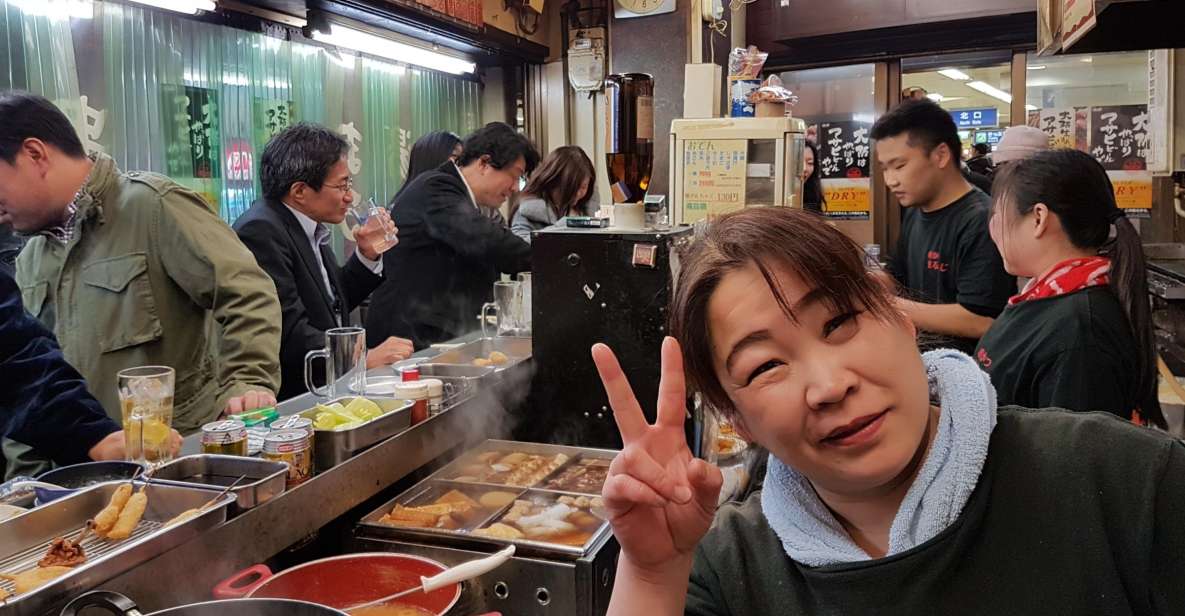
Each restaurant stop includes up to one drink for you—alcoholic or non-alcoholic—so you can pace yourself. It’s not a free-for-all, and that’s a good thing. Osaka nightlife is fun, but you still want clear thinking while you’re tasting and listening.
For budget planning: drinks beyond the first one tend to run around 500 yen each, and you can pay directly to the restaurant. If you’re keeping it non-alcoholic, you’ll still get the non-drinker-friendly options the itinerary is built around.
Japan’s minimum drinking age is 20, and the tour is for participants age 13+. That means the guide can talk about nightlife culture without assuming everyone is drinking—your table stays comfortable.
The short train hop to Kyobashi: same city, different attitude
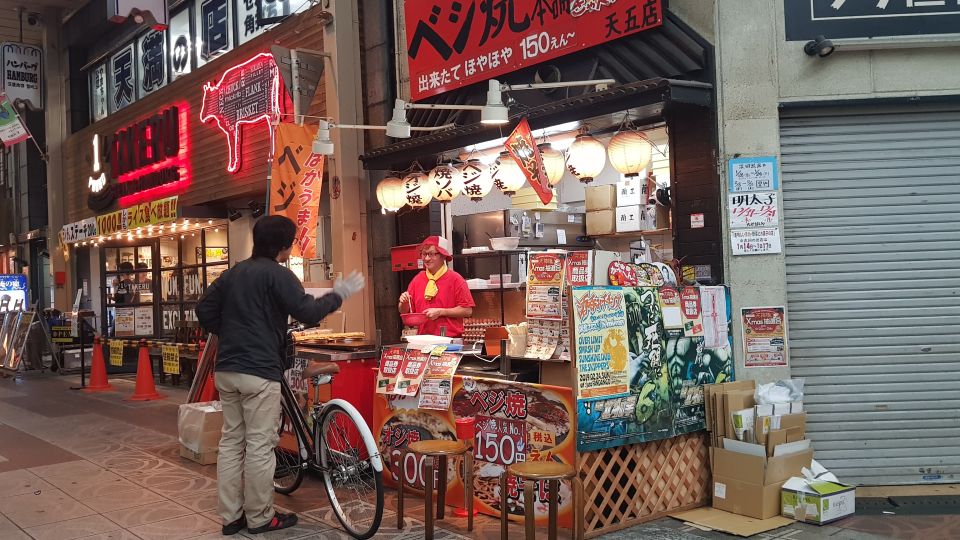
After Tenma, you’ll take the metro/subway hop (about 10 minutes total including the connection). Then Kyobashi begins with a guided walk (around 20 minutes).
This is where you’ll feel the contrast immediately. Tenma feels nostalgic and tucked-in; Kyobashi feels more eclectic and after-work. Conversations spill outward. The counters glow. People look like they’re out for real plans, not sightseeing.
Kyobashi is also a great “final act” because your appetite has matured. You’re still hungry, but you’re no longer surprised by the idea of lots of small plates. That lets the last round of tastings land with context, not chaos.
Kyobashi’s last tastings: how the final dishes close the story
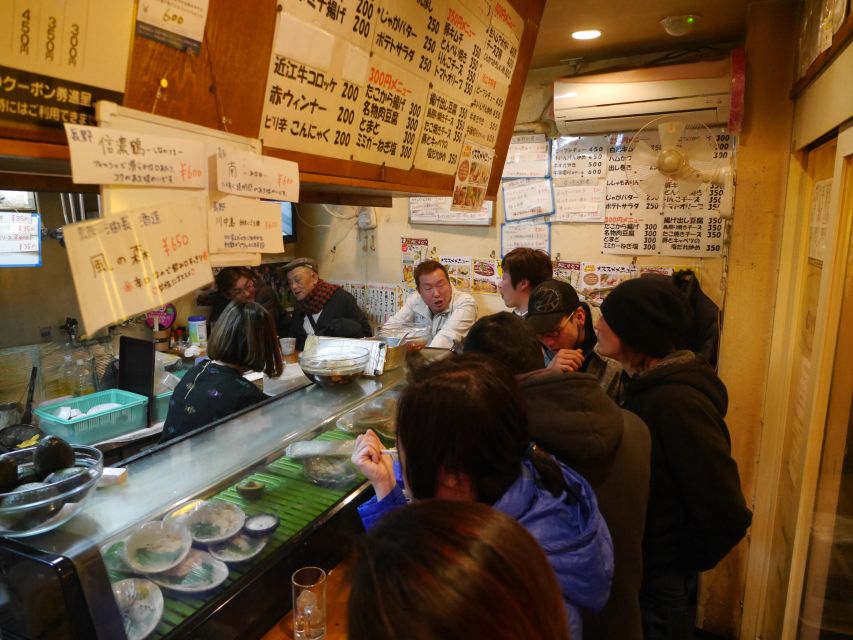
The final restaurant stop (about 30 minutes) is where you get at least five more dishes tied to Kyobashi’s everyday palate. Expect more of that practical Osaka style—flavors that make sense with a drink, dishes that show up because they’re satisfying, and choices that reflect what people actually want on a weeknight.
This last stop is also when the guide’s “so what” answers start to feel real. You’ll hear the reasoning behind favorite shops and why locals defend their picks with a level of seriousness that sounds funny until you realize they’re protecting something personal: their routine, their comfort, their community.
And yes, it stays social. The small group size helps here. One guide on a small-day departure (Ichiro) handled even an only-two-people setup without making the experience feel awkward. That tells you how flexible the tour format is.
What you’ll eat: 15+ curated dishes (and why the sample menu matters)
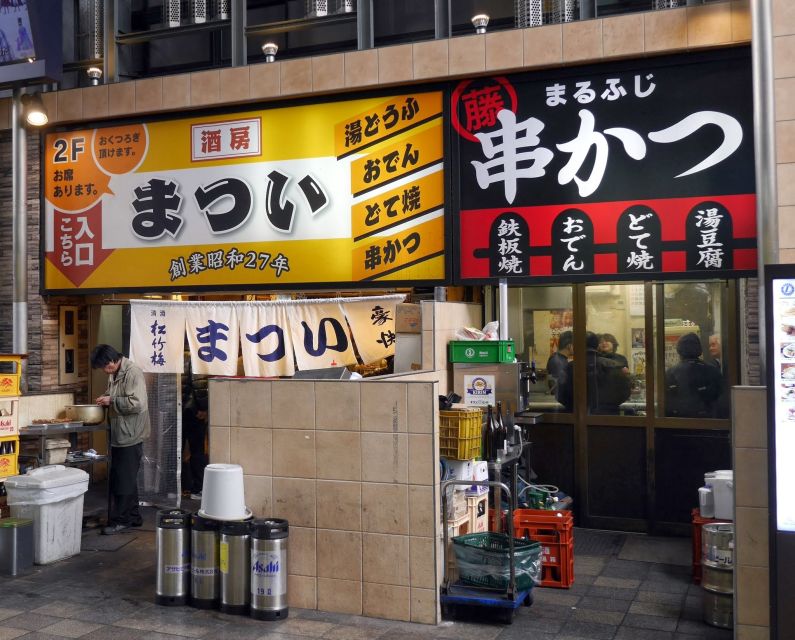
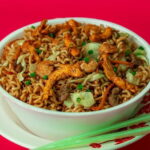
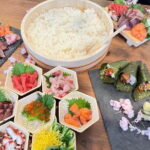
You’re set up to taste 15+ dishes, spread across the evening and across both districts. The tour’s focus is not on collecting a ridiculous amount of food. It’s on sampling variety that reveals something about Osaka’s history, humor, and daily habits.
One practical heads-up: it’s a sample menu. Seasonal changes and restaurant availability can shift the exact dishes. The “shape” of the night stays consistent, but you shouldn’t expect the exact same plate sequence every departure.
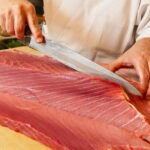
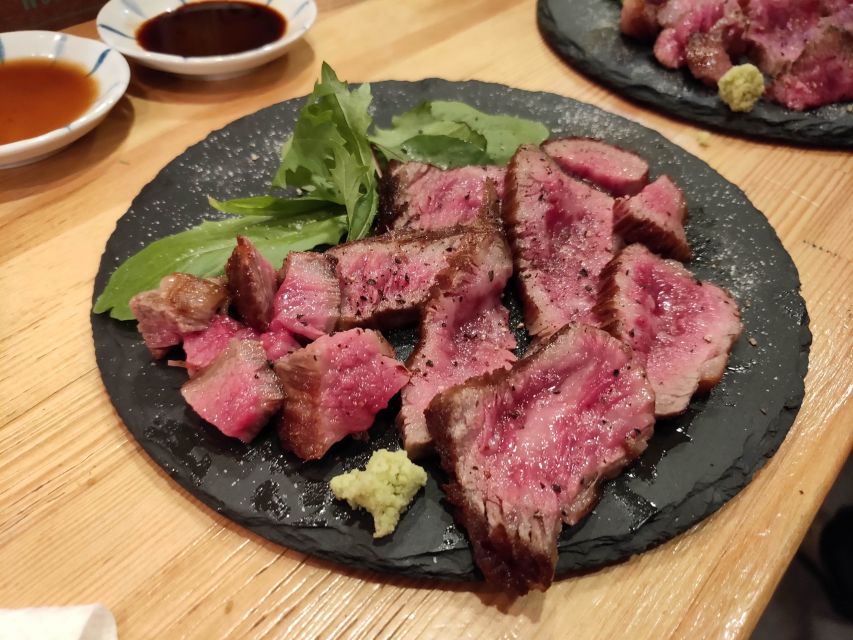
That said, the food variety is real. People have reported tasting a range that can include tuna, beef, vegetables, and more, and the tone is “adventurous with context,” not “don’t ask questions.” If you want to try bolder items, the guide is usually willing to steer—some groups have mentioned trying things like raw horse, and the best part wasn’t just the bite, it was the story that made it understandable.
Dietary needs can be accommodated if you notify the provider in advance. One important limitation: the tour is built around restaurant stops, so the most reliable way to get accommodations is to communicate early and clearly.
Value check: $94 is about more than food
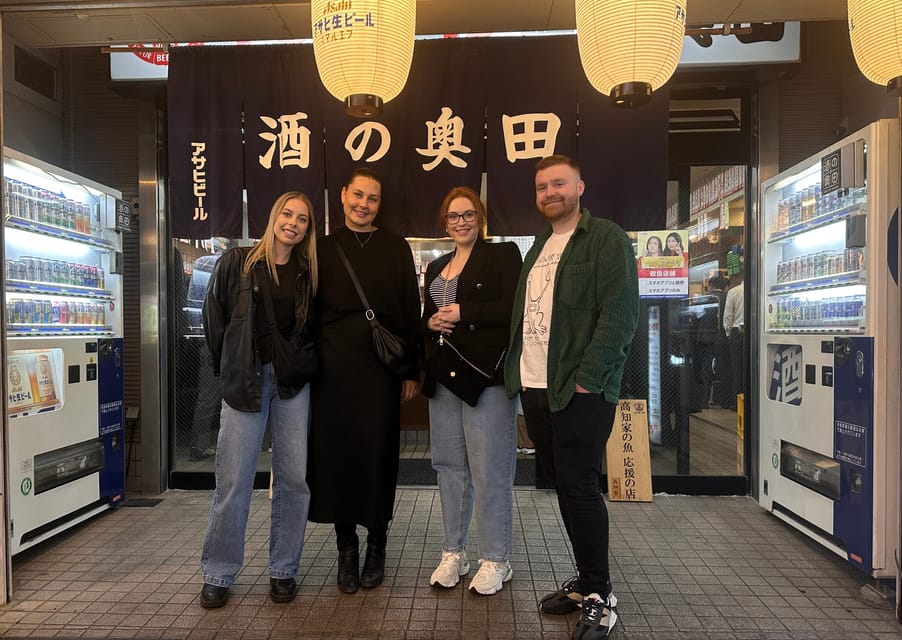
$94 for 3 hours in central Osaka isn’t bargain-basement pricing. But when you break it down, it looks fair for what you get.
You’re paying for:
- a small group (maximum 6 guests)
- a fluent, culturally aware guide who adds context without just listing facts
- 15+ dishes across three restaurant stops
- up to three drinks (one per stop)
- train fare for the short hop between districts
If you tried to recreate this on your own, the hardest parts wouldn’t be the money. It would be finding the right places that aren’t tourist traps, plus getting the local explanations that turn random bites into a story. That’s the value you’re buying here.
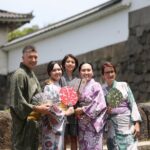
The other value is how the night feels. Guides like Ferdinand and Laura have been praised for making the walk fun—lots of laughs, attentive pacing, and clear explanations of why certain dishes belong to Osaka. Kevin and Damian have also been singled out for being friendly and setting a comfortable tone so you’re not stuck translating food choices on your own.
Who should book this Osaka night food tour (and who shouldn’t)
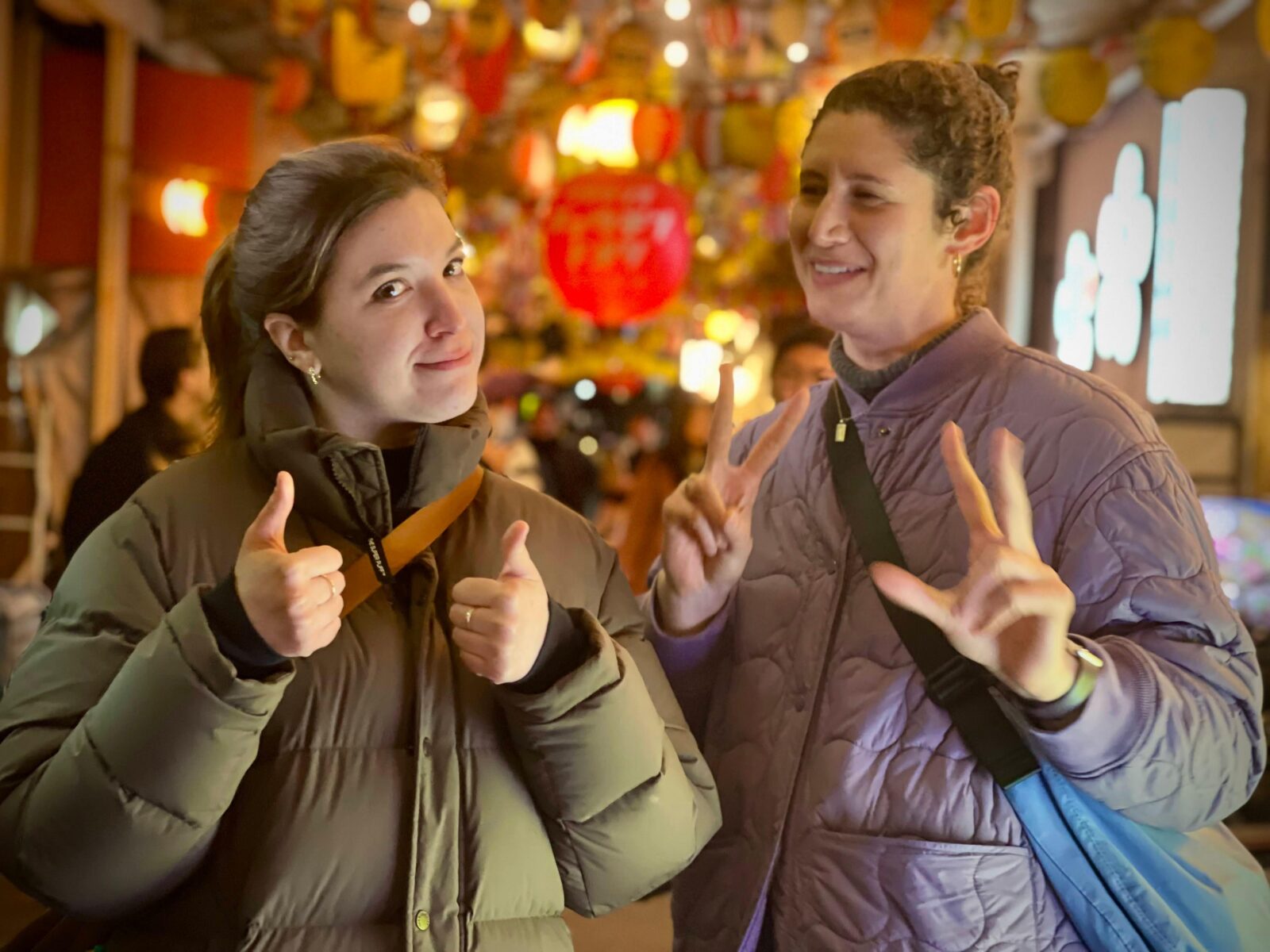
This is a strong pick if you:
- want local Osaka after dark without centering Dotonbori
- like multiple small dishes over one big meal
- enjoy talking with a guide and learning how neighborhoods work
- are comfortable walking in comfortable shoes and eating while you move
It’s less ideal if:
- you’re traveling with children under 13
- you need wheelchair accessibility
- you want a quiet, sit-and-smile experience with no mild adult discussion
If you’re a solo traveler: the tour aims not to charge more, but if the minimum group of 2 isn’t met, you’ll be offered options like an alternate date, a 3000 yen solo supplement, or a full refund. So it can work out fine, but it’s worth planning your flexibility.
Tips to make this tour feel smooth
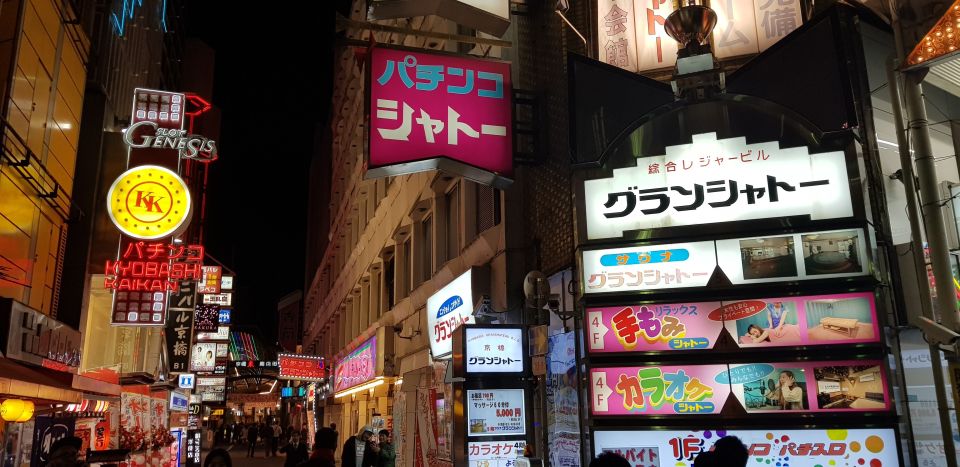
Come ready to walk in comfortable shoes. The whole point is alley-to-counter movement, and Osaka sidewalks do not care about fancy footwear.
Also, decide in your head how bold you want to be with your choices. The guides tend to adapt. If you want a mix—tuna, beef, vegetables, maybe something you’ve never seen—the guide can usually steer you. If you’d rather stick to safer flavors, you’ll still get variety, because the tour isn’t only “spicy or weird.”
Finally, pace your drinks. You get the included drink at each stop, and extra drinks are on you. If you want to enjoy the stories and taste differences clearly, that first drink per stop is plenty for many people.
Should you book this Osaka small-group food tour?
If you want the Osaka that locals talk about—Tenma’s older lanes, Kyobashi’s after-work rhythm, and a guide who connects dishes to everyday life—this is an easy yes. The small group size keeps it human. The 15+ dishes keep it satisfying without dragging into a food marathon. And the structure (walk, sit, taste, hop, repeat) helps you actually enjoy the night.
Skip it if you need something strictly family-friendly with no adult-topic talk, or if you require wheelchair accessibility. Also skip it if your ideal Osaka night is only neon and sightseeing photos. This tour is for people who want to eat like the city does.
If you book, do it hungry, ask questions, and let the guide pick the order. That’s where the fun—and the real value—tends to happen.
FAQ
Where is the meeting point?
Meet in front of the McDonald’s near Tenma Station, at 4-chōme-12-1 Tenjinbashi, Kita-ku, Osaka, 530-0041, Japan.
How long is the tour?
The tour lasts about 3 hours.
What’s the group size?
It’s a small-group format with a maximum of 6 guests.
How many restaurants will I visit?
You’ll visit 3 restaurants during the evening.
What’s included in the price?
Food tasting (enough for a full dinner’s worth), train fare for the short hop, and up to three drinks total (one at each restaurant stop).
Are drinks beyond the included ones covered?
No. Additional drinks are typically around 500 yen and are paid directly at the restaurant.
What languages are the guides available in?
Guides are available in Spanish, French, and English.
What are the age requirements?
All participants must be 13+.
Can dietary restrictions be accommodated?
Yes, dietary restrictions can be accommodated if the provider is notified in advance.