REVIEW · OSAKA
Urban Canvas: Osaka Street Art Bike Tour
Book on GetYourGuide →Operated by InKansai Ltd · Bookable on GetYourGuide
Street art in Osaka makes more sense on a bike. You get to move fast through Tenma, Juso, and Nakazaki-cho, where street-level creativity and everyday life mix in the same frame. The route also carries you across the Yodo River, so the city’s look changes as your ride does.
Two things I really like: you’ll spend real time looking at street art with a guide who can explain what you’re seeing, and you get that unusual Osaka pace that comes from riding—no waiting around at slow intersections. One drawback to consider is that this is a longer, streets-and-sights style ride, so it’s not ideal if you want a super relaxed sit-down sightseeing day.
In This Review
- Key highlights
- Street Art on Two Wheels: Tenma, Juso, and Nakazaki-cho
- Price and What You Actually Get for $87
- Meeting Point Near Tenmabashi: Easy Start, Clear Head
- How the Small-Group Format Makes the Art Stops Work
- Tenma’s Grit and Everyday Urban Texture
- Juso: The Yodo River, the Architecture Shift, and Underground Life
- Nakazaki-cho’s Gallery Streets and the 100-Year-Old Pizza Stop
- Urban Distance, Timing, and the 23 km Reality Check
- What to Bring (So You Enjoy It More)
- Weather and Rain Planning for a Bike Day
- Who This Tour Suits Best
- Should You Book Urban Canvas: Osaka Street Art Bike Tour?
- FAQ
- How long is the Urban Canvas: Osaka Street Art Bike Tour?
- Where do I meet for the tour?
- What’s included in the price?
- What time of day should I plan for?
- Is the tour in English?
- What should I bring?
- Is the tour suitable for children?
- What happens if it rains?
Key highlights
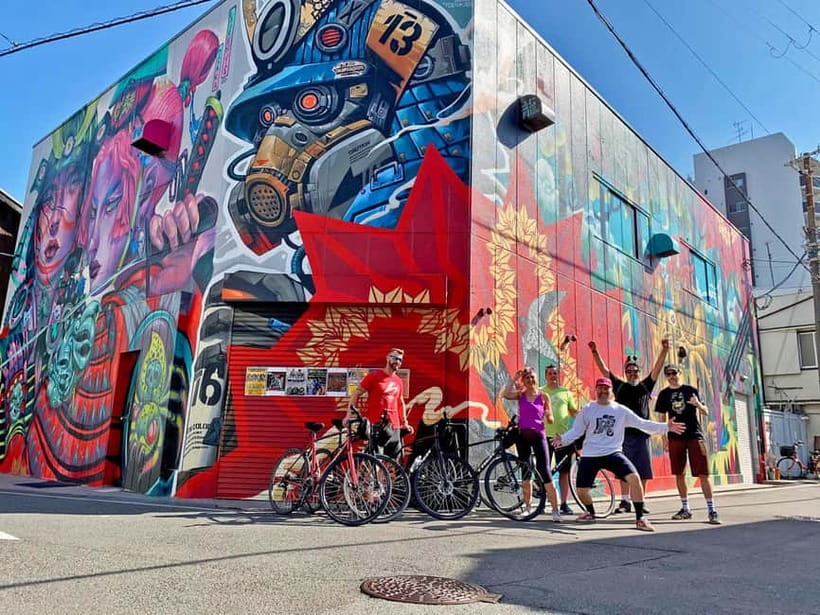
- Local street-art commentary: You’ll get guidance on the urban art scene and what’s going on beneath the surface of everyday Osaka.
- Tenma to Juso street-level energy: Graffiti, train lines, bridges, and street architecture all show up in your ride photos.
- Crossing the Yodo River into Juso: Juso is a major street art hub that most visitors miss.
- Nakazaki-cho’s gallery and boutique vibe: Hip shops and art-friendly streets set a different tone than Tenma.
- Pizza in a 100-year-old building: A very Osaka food stop that breaks up the ride.
- Small group of 6: Easier conversation, better route flow, and more time to stop and photograph.
Street Art on Two Wheels: Tenma, Juso, and Nakazaki-cho
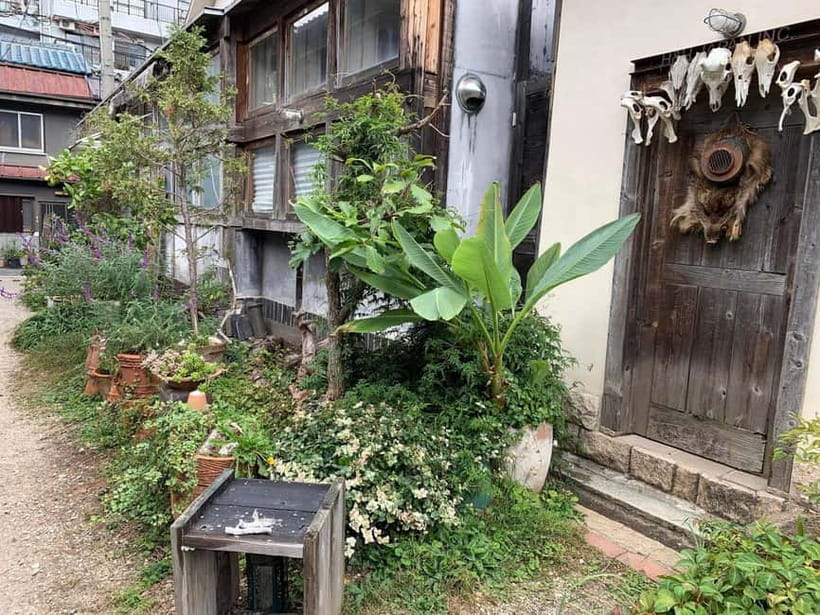
This is the kind of Osaka tour that feels built for people who like the city at street level. Instead of sticking to postcard areas, the route leans into the hip and gritty neighborhoods where walls, shutters, and alleyways act like outdoor galleries.
I also like that the tour clearly frames street art as part of the neighborhood story. You’re not just spotting murals. You’re learning how Osaka’s urban life, rail lines, rivers, and bridges shape what artists choose to paint—and why locals pay attention to it.
And because it’s on bikes, the day has a steady rhythm. You cover distance, but you also stop enough to take photos and actually read the art. That matters, because street art is detail work: lines, layers, and tiny references you miss if you just glance and roll on.
You can also read our reviews of more cycling tours in Osaka
Price and What You Actually Get for $87
At $87 per person for about 270 minutes (around 4.5 hours), you’re paying for more than “a place to ride.” The tour includes the bike, helmet, local guide, pizza slice, and water—so your money goes toward guide time and access to neighborhoods, not just equipment rental.
Bike tours can sometimes feel expensive when you still need to buy everything else yourself. Here, you’re covered on the basics (bike + helmet), and you get a built-in snack stop rather than forcing your own planning in unfamiliar areas.
If you like street art and you also want a food break and some local context, this price starts to make sense. If you mainly want museums or big famous landmarks, you might find this a little less “structured,” since it’s about neighborhoods and streets.
Meeting Point Near Tenmabashi: Easy Start, Clear Head
The meeting point is 10 minutes walking distance from Tenmabashi station (Osaka Metro/Keihan Line). That’s close enough to be practical, but far enough that you can still get oriented before you start biking.
My practical tip: arrive early, even by 10 minutes. It gives you time to get comfortable with the bike and helmet setup and to match the pace of the group. With a small group (limited to 6 participants), the guide can make adjustments, but only if you’re not rushing at the start.
Also, bring comfortable shoes. You’ll be on a bike most of the time, but you’ll still hop off for stops, photos, and food. The route also involves lots of street corners, so your feet do more than you might expect.
How the Small-Group Format Makes the Art Stops Work
A maximum group size of 6 is a big deal on a tour like this. It means:
- The guide can keep an eye on spacing and safety.
- You can ask questions without the group turning into one long line.
- Stops feel flexible, not rushed.
I paid extra attention to this based on how guides are described in real feedback. One guide named Ruben is praised for taking time to answer questions about street art and Osaka/Japan, and another guide named Eric is described as passionate about the displays and the artworks themselves.
That kind of stop-and-explain approach is exactly what you want for street art. If you’re just following along without context, it can turn into a photo hunt. Here, the explanations help you see why a piece is placed where it is and what it might be communicating in that particular neighborhood.
Tenma’s Grit and Everyday Urban Texture
Tenma sets the tone: a mix of everyday street life, graffiti, and urban architecture. This is the part of the tour where the visuals start piling up fast—rail lines, bridges, and buildings that look like they’ve been used and re-used by generations.
This neighborhood works well for people who love photos with real texture. You’ll get that street-level Osaka look where the city doesn’t try to perform for visitors. It simply goes about its day, and the art lands right inside it.
One useful note: because Tenma is more “street” than “tourist,” you’ll probably notice you’re learning the city through movement, not signage. It’s a good way to understand how Osaka functions—fast trains, narrow streets, and a layout that rewards people who look up and sideways.
You can also read our reviews of more tours and experiences in Osaka
Juso: The Yodo River, the Architecture Shift, and Underground Life
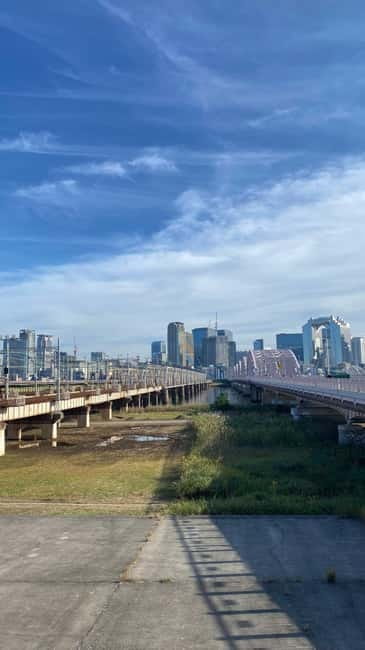
Crossing the Yodo River into Juso is one of the most telling parts of the day. The ride acts like a visual switch. On one side, you’re in a gritty street-art atmosphere. On the other, you’re in a neighborhood described as a center of Osaka street art, with energy that feels more “every day” and less “display.”
Juso also comes with a commentary element. You’re not just passing through; you’re hearing about the city’s underground life and the local street art scene from a guide and a local perspective. That helps you connect what you see on walls with what people experience off the main drag.
Why this part matters: most visitors miss neighborhoods like Juso because they’re not on the usual short list. A bike tour changes that. You get to go far enough to feel the area’s personality, but not so far you lose the day to transport.
You’ll also have time to slow down for coffee and a look at older-style bars in the area. Even if you’re not a coffee person, that pause is about pacing: it gives your brain a break from motion so you can notice details again.
Nakazaki-cho’s Gallery Streets and the 100-Year-Old Pizza Stop
After Juso and Tenma, the tour heads toward Nakazaki-cho, which is described as more hipster and more gallery-friendly. Expect boutique shops, art spaces, and streets that feel less purely gritty and more styled.
This shift is a nice change of pace during a longer ride. Early on, you’re photographing raw wall art and street texture. Later, you’re walking through a neighborhood where art culture and everyday commerce seem closer together.
Then comes the food highlight: a local institution serving pizza slices in a 100-year-old building. This isn’t just about eating. It’s about getting a break that feels connected to the neighborhood history. The idea of a century-old building still serving simple street food hits different when you’ve been biking through layers of modern Osaka the whole day.
If you like small, practical meals while traveling, you’ll appreciate this stop. It’s not an overly fancy “sit for an hour” event. It’s a reset button: fuel, conversation, photos, and then back onto the bike.
Urban Distance, Timing, and the 23 km Reality Check
The tour runs 270 minutes, so you should plan for a true half-day effort. You’re not going to sprint, but you also won’t treat this like a casual stroller walk where everything is slow.
One piece of context from real feedback: riders describe roughly 23 km covered at a good pace. That means your body needs to be ready for steady motion for most of the tour, with planned stops for art photos and snacks.
My advice: don’t wear shoes you only use for short walks. Go with something you’d be happy in for several hours. Comfortable clothes matter too, especially if the weather shifts and you want to keep moving.
And since you’ll be filming and photographing, think about how you’ll carry gear. A camera is mentioned as something to bring, so you’ll likely be stopping often enough to want easy access.
What to Bring (So You Enjoy It More)
The tour recommends:
- Comfortable shoes
- Camera
- Comfortable clothes
I’d add one practical thought: dress for walking and riding. Even if most of your time is on the bike, you’ll step off for stops, crosswalks, and food.
Also, there’s a note that you should provide group heights and dietary restrictions. That’s not just admin. It helps the guide keep bikes fitted and food timing smoother.
If you smoke, skip it during the tour—smoking is not allowed.
Weather and Rain Planning for a Bike Day
This is a bike tour, so rain matters. If the chance of rain is higher than 60% during the tour time, the tour is canceled, with an option for a different date or a full refund. Because it can change close to departure, make sure you can be reached.
Plan like this: if you’re booking near the edge of your trip schedule, keep some flexibility. A weather cancellation won’t ruin your trip if you’ve left breathing room.
Who This Tour Suits Best
This experience fits best if you:
- Love street art and want context, not just photos.
- Enjoy bikes and can handle a half-day ride with stops.
- Like seeing Osaka beyond the main tourist corridors.
It may not fit if you need limited walking but also don’t like bike movement. The tour is not suitable for people with mobility impairments or wheelchair users, and it’s not suitable for children under 10. Children under 13 are not recommended.
If you’re traveling solo but like conversation, a small group can be a nice middle ground. You’ll get guide-led explanations without feeling like you’re part of a giant herd.
Should You Book Urban Canvas: Osaka Street Art Bike Tour?
Book it if street art and neighborhood atmosphere are your kind of Osaka. The combination of bike mobility, guided street art commentary, and a very specific food stop (pizza in a 100-year-old building) makes it feel purposeful, not generic.
Skip it if you want only famous monuments, or if you’re looking for a low-effort day. This tour asks you to move—steadily—and to pay attention while you ride.
Given the small group size, the praised guide style (Ruben and Eric are both called out for taking time and answering questions), and the mix of Tenma, Juso, and Nakazaki-cho, I think this is strong value for the kind of traveler who likes urban details and doesn’t mind a few hours of motion to get them.
FAQ
How long is the Urban Canvas: Osaka Street Art Bike Tour?
It lasts 270 minutes (about 4.5 hours).
Where do I meet for the tour?
You meet 10 minutes walking distance from Tenmabashi station on the Osaka Metro/Keihan Line.
What’s included in the price?
The tour includes a bike, helmet, bike tour, local guide, pizza slice, and water.
What time of day should I plan for?
The duration is fixed, but starting times vary, so you’ll need to check availability for the specific time slot you book.
Is the tour in English?
Yes, the tour offers an English live guide.
What should I bring?
Bring comfortable shoes, a camera, and comfortable clothes.
Is the tour suitable for children?
Children under 10 are not suitable, and children under 13 are not recommended.
What happens if it rains?
If the chance of rain is higher than 60% during the tour time, the tour is canceled and you’ll be offered a different date or a full refund.