REVIEW · OSAKA
Sumo Wrestling Tournament Chair Seats & Expert Guide | Osaka Mar
Book on Viator →Operated by Smile Vista | Japan Exclusive Experience · Bookable on Viator
Sumo is easier when someone explains it. This Osaka experience pairs front 1–2 row A-Class chair seating at Edion Arena Osaka with a professional guide, so you can enjoy the matches without guessing what matters.
I especially like two things: first, the guide focus on helping you understand the flow, rules, and why moments like the nakabi matter. Second, the chair setup means no painful seiza kneeling, and you can relax with drinks and snacks at your seat while the arena heats up.
One thing to consider: the session runs on a fixed schedule (roughly 14:00–18:00), so you’re not meant to stretch it later for other plans on your own.
In This Review
- Key Highlights You’ll Feel Right Away
- Front-Row Sumo Seats at Edion Arena Osaka
- Meeting Your Guide and Getting Oriented Fast
- The Nakabi Ceremony Around 15:40: When Top Wrestlers Start to Matter
- Main Matches From 16:00 to Near 18:00 With TV Broadcast Energy
- What You Can Do Before the Bouts: Seats, Snacks, and More
- Price and Value: Is $182 Worth It?
- Who This Osaka Sumo Tour Fits Best
- Should You Book This Sumo Experience?
- FAQ
- How long is the Sumo Wrestling Tournament Chair Seats experience?
- What is included in the $182 price?
- What seats will I get at Edion Arena Osaka?
- What is the nakabi ceremony and when will I see it?
- Can I eat and drink during the event?
- Can I leave the venue and come back?
- Where is the meeting point?
- What is the cancellation policy?
- Is this a small group?
Key Highlights You’ll Feel Right Away
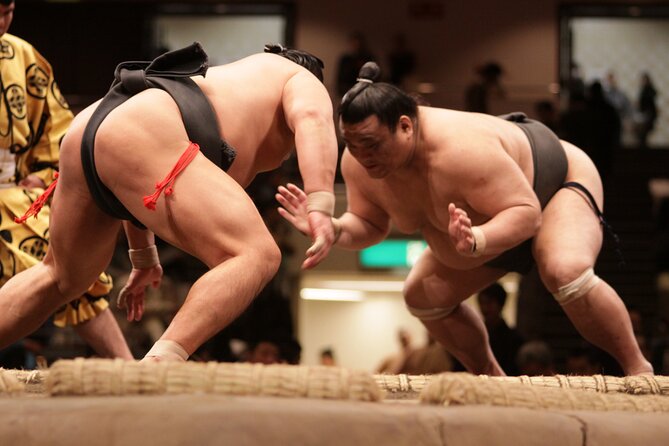
- Front 1–2 row A-Class chair seats in the second-floor view area for a wide look at the ring
- Small group size up to 5 people, so questions don’t get lost
- Nakabi ceremony around 15:40, with your guide helping you spot what to watch
- Major matches from about 16:00 to near 18:00, when Japanese TV coverage kicks in
- An original sumo guidebook plus tour photos, so you leave with something tangible
- Meals and drinks allowed at your seat, with no seiza requirement
Front-Row Sumo Seats at Edion Arena Osaka
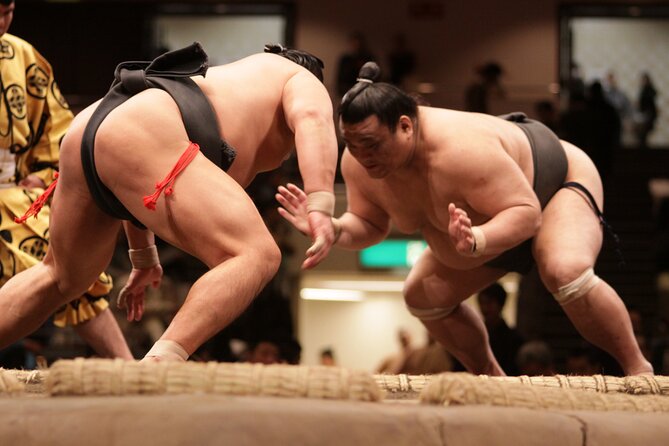
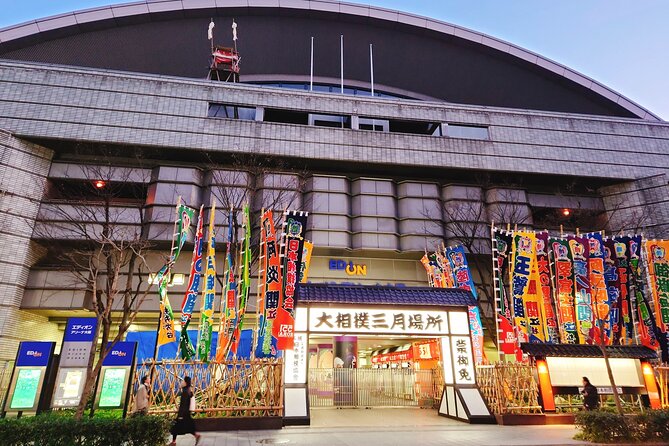
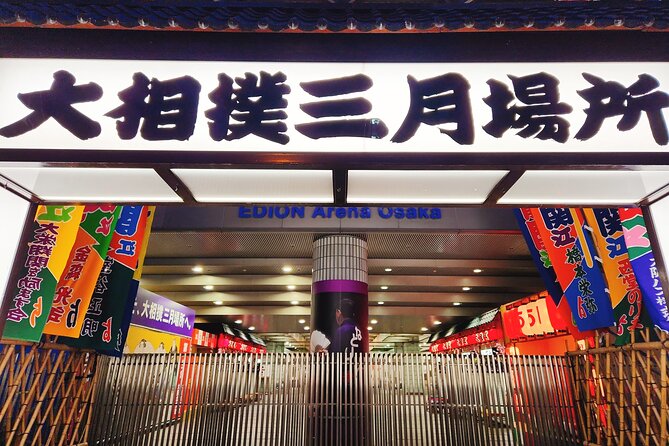
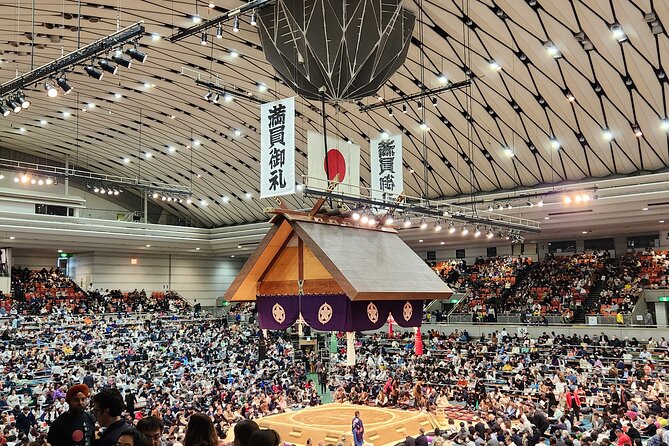
Edion Arena Osaka is your whole world for the evening. Your ticket is set up as A-Class seating in the front 1–2 rows, and you’re placed in the second-floor chair section with a panoramic view. Translation: you get a big sightline, and you’re not stuck craning your neck or climbing your way through aisles to find a view.
I love chair seating for sumo because it changes the experience from endurance to enjoyment. You’re there for the action, not for negotiating your knees. Since eating and drinking at your seat is allowed, you can keep things easy and focus on the match flow.
There’s also a practical perk for comfort and energy. If you need to step away briefly, re-entry is possible once a day (just tell your guide if you plan to leave). That matters because sumo can feel intense, and you’ll be happier if you’re not worrying about missing your spot forever.
A small note about logistics: the seating area can’t be chosen by you, and it’s assigned as part of the experience. If you want to control every detail, this might feel less flexible than picking seats on your own. But if you’d rather have the comfort of getting the good view without stress, that’s the point here.
You can also read our reviews of more guided tours in Osaka


Meeting Your Guide and Getting Oriented Fast
You meet at Edion Arena Osaka around 14:00, at the front of the venue. The exact meeting point details are provided a couple of days before the day of the event, and the guide is waiting for your group.
This is where the experience earns its premium. In a small group (up to 5 people), you don’t just follow along. You can ask what you don’t understand, right when it comes up. And that’s a big deal with sumo, because it has its own rules, rhythm, and small rituals that can look random if nobody explains them.
In particular, guides named Yuki and Mai-san come through in the best way: they make the sport feel readable. If you’re brand-new to sumo, I like that they don’t treat you like you’re behind. They help you understand the nuance while you’re watching, so your attention goes to the right moments instead of the big confusing ones.
You also receive an original sumo guidebook, which helps you connect what you see in the ring to basic context you can remember later. Think of it as a “cheat sheet” you can actually use during the event.
The Nakabi Ceremony Around 15:40: When Top Wrestlers Start to Matter
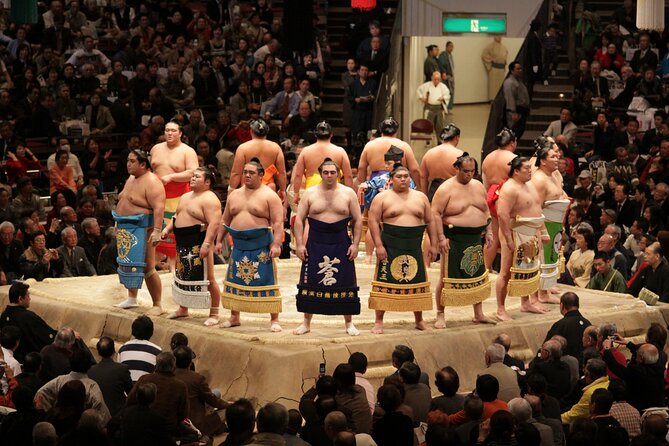
About 15:40, the program includes the nakabi, described as a ceremony before the matches of particularly strong wrestlers begin. Watching this from your seats changes how the afternoon-to-evening transition feels. It’s not only about starting bouts; it’s about setting the tone.
Here’s why I think this part is valuable: without context, you might treat the ceremony as background noise. With a guide, you’ll start noticing what makes these moments different. You learn where to focus your attention so you’re not just staring at the ring hoping something big happens.
The timing also helps. Because you’re already settled by around mid-afternoon, you’re not doing the awkward thing where you arrive late, find your seat, and miss the most interesting “lead-in” moment. You get a clear ramp-up: first the build, then the matches.
Your guide stays with your group during the viewing portion, so if something happens fast, you can ask what it means. That kind of real-time explanation is the difference between watching sumo like a spectator and understanding it like an insider.
Main Matches From 16:00 to Near 18:00 With TV Broadcast Energy
From 16:00 to around 18:00, the main part of the event takes off. This is when Japanese TV broadcasts begin, and the strongest bouts are timed in that window, so the intensity rises quickly.
This is the stretch you should plan to be fully present. The front rows plus the chair comfort mean you can watch longer without the typical leg fatigue. I find that matters a lot in sumo, because the sport isn’t only fast bursts; it’s also about strategy, testing, and small shifts that lead to sudden outcomes.
Also, if you’re the type who likes to feel like you’re in the moment with the locals, TV timing is your friend. When broadcasts start, the arena energy feels more focused. Even if you don’t follow every detail of the commentary, you can still track what matters by watching the guide’s pointers and following the match rhythm.
Around 18:00, after the final match, the tour ends and you head back to the meeting point. It’s a clean finish, not a long drawn-out evening where you’re stuck waiting for the group to regroup.
What You Can Do Before the Bouts: Seats, Snacks, and More
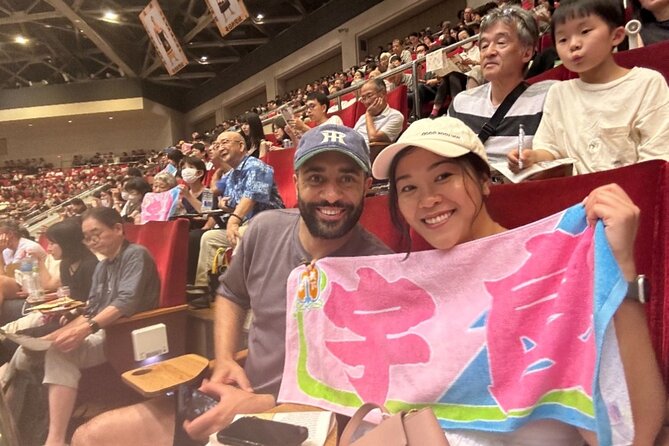
Once you’re in and seated, you’re not forced to freeze in place. After you arrive at your seat, you’re free to move around. That freedom is useful because the venue has areas you may want to check out between bouts or before things heat up.
One of the best practical details is that you can eat and drink at your seat. That sounds simple, but it changes how you manage the day. You’re not hunting for food mid-event or worried about whether it’s worth buying a snack because you’ll miss something. You can keep your energy steady and stay comfortable.
There’s also a museum and gift store angle mentioned by the guides’ approach. Your guide may help you fit in time for the museum and gift store, using the flow of the event so you don’t feel rushed. If you’re curious about sumo beyond the ring, that’s a great bonus.
Here’s the tradeoff to keep in mind: because the experience is guided and timed to the fixed session window, you can’t rearrange when you move around. The event schedule drives the day. If you like “free time” above all else, this might feel more structured than you want. But if you want a smooth, guided day with good timing, it’s ideal.
Finally, remember that the seating area can’t be specified. So even if you’re used to picking seats yourself, go in trusting that the assigned seats are part of the value. In this case, the assigned placement is a key feature, not an afterthought.


Price and Value: Is $182 Worth It?
For $182 and about 4 hours, you’re paying for three main things: prime front-row viewing, the guide’s explanation, and the included materials that keep everything connected.
First, the seating matters. Front 1–2 row A-Class chair seats in the second-floor view area are the kind of upgrade that’s hard to replicate on your own without careful planning. It’s also a comfort win. Avoiding seiza kneeling changes how you experience a sport that can demand long viewing time.
Second, the guide is the real multiplier. Sumo has layers: ritual moments, match rhythms, and rules that can feel like alphabet soup if you don’t know what you’re looking at. A guide like Yuki or Mai-san focusing on how the sport works makes your attention more efficient. You’re not just watching; you’re learning while you watch.
Third, the included items reduce friction. The original sumo guidebook gives context you can use immediately, and the included tour photos add a practical souvenir you don’t have to figure out yourself.
Is it expensive? Compared to buying basic entry, yes. But for a premium seat plus a guided explanation plus a small-group format, the price feels more like “buying time and clarity.” If your goal is your best Osaka sumo experience without stress, this is aiming right at that.
Who This Osaka Sumo Tour Fits Best
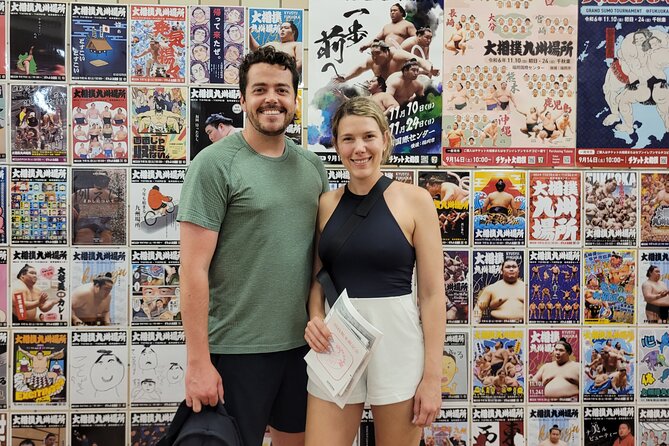
This tour is a strong match if you:
- want front-row views without the headache of figuring out the best seat positions
- are new to sumo and want your first experience to make sense quickly
- prefer a small group format where questions are welcome
- care about comfort (chair seating and no seiza kneeling)
- like the idea of a guide helping you connect what you see to the bigger picture
It may not be the best match if you:
- want maximum schedule flexibility during the day (the guided session time is fixed)
- dislike structured plans and prefer fully independent wandering
- plan to prioritize long, independent museum time over watching the matches
Should You Book This Sumo Experience?
If you’re aiming for an Osaka highlight that mixes premium access with real understanding, I’d book it. The front 1–2 row chair seats are a comfort upgrade, and the guide support is what turns sumo from confusing to enjoyable.
You’ll get the full arc: settled seating, the nakabi ceremony around 15:40, the main match window starting near 16:00 with TV energy, and a clean end around 18:00. For $182, that mix of seating quality, explanation, and included extras is a solid deal—especially for a first sumo tournament visit.
FAQ
How long is the Sumo Wrestling Tournament Chair Seats experience?
The experience lasts about 4 hours.
What is included in the $182 price?
It includes a Class A ticket (front 1–2 row), an original sumo guidebook, a professional guide, and tour photos.
What seats will I get at Edion Arena Osaka?
You’ll have A-Class seating (front 1–2 rows). The viewing is described as chair seats on the second floor with a panoramic view.
What is the nakabi ceremony and when will I see it?
There is a nakabi ceremony around 15:40, described as a ceremony before the matches of particularly strong sumo wrestlers begin.
Can I eat and drink during the event?
Yes. Eating and drinking at your seat is allowed.
Can I leave the venue and come back?
Re-entry is possible once a day. If you need to leave, you should inform your guide.
Where is the meeting point?
You meet at Edion Arena Osaka, Osaka, Naniwa Ward, Nanbanaka, 3-chōme, 436, inside the Osaka Prefectural Gymnasium area (as listed).
What is the cancellation policy?
Free cancellation is available up to 24 hours in advance for a full refund.
Is this a small group?
Yes. It’s a guided group session with up to 5 people, and only your group participates.
If you want, tell me your travel dates and whether you’re a first-timer to sumo, and I’ll help you decide if the 14:00–18:00 window fits your Osaka plan.