REVIEW · OSAKA
Osaka: Samurai Training Experience KENDO in Osaka
Book on GetYourGuide →Operated by Vicky Co., Ltd. · Bookable on GetYourGuide
Bamboo swords, real dojo etiquette, in Osaka.
This 2-hour Osaka kendo experience has you step into a working samurai dojo and follow Reiho (martial etiquette) like it matters, not like it’s a prop for photos. The session is led by the team behind the training, often including Toshi and Kumiko, with English support so you’re not left guessing.
What I love is that you’re taught at your level. You start with basic posture, footwork, and safety rules, then move into paired practice and match-style sparring you can dial up or down. Another big win: the instruction focuses on mindset and respect, not just hitting things with a shinai.
One consideration: this is real kendo training. Your legs and core can feel it, and there are age limits for trying kendo gear—older participants are limited to viewing.
In This Review
- Key Points to Know Before You Go
- Why This Osaka Kendo Class Feels Like Training, Not a Show
- Your 2-Hour Rhythm: Lecture to Basic Footwork
- Putting On the Kit: Dōgi, Hakama, Men, Kote, Dō, Tare
- Shinai Basics and Safety Rules You Can Trust
- Paired Practice and Match-Style Sparring Without the Chaos
- The Samurai Photo Session Inside a Real Dojo
- Price and Value: Is $127 Worth 2 Hours of Kendo?
- Who This Osaka Kendo Experience Suits Best
- Practical Tips So You Get More Out of Your Session
- Should You Book This Osaka Samurai Training Kendo Experience?
- FAQ
- How long is the Osaka Samurai Training Kendo experience?
- Is this kendo class suitable for beginners?
- What protective gear and uniforms do you use?
- Do you get to spar or fight during the session?
- Is there a photo session?
- Who can try the kendo, and who can only watch?
- What should I bring, and are there restrictions?
Key Points to Know Before You Go
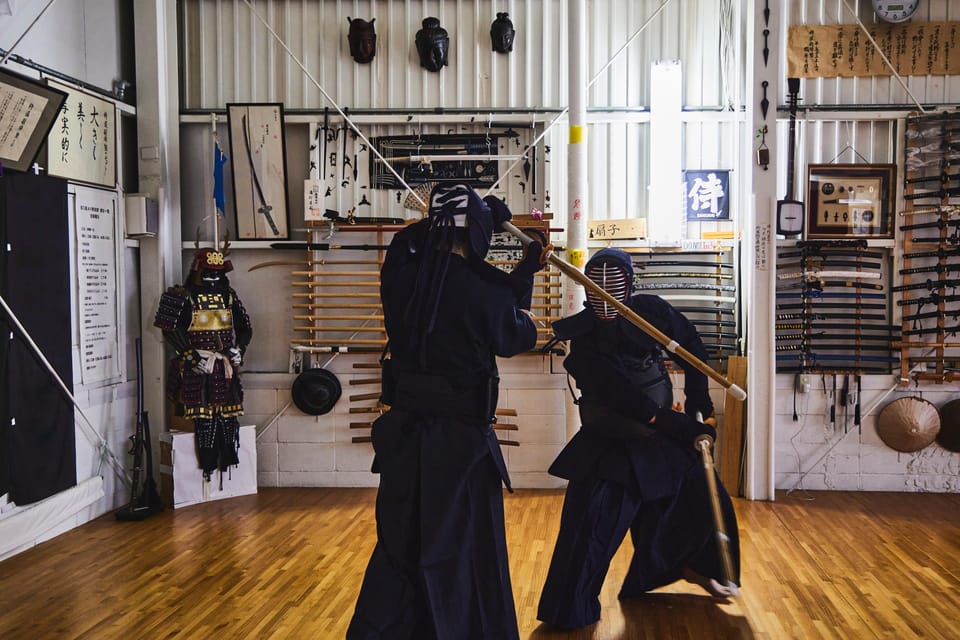
- Full kendo armour and shinai make it feel like actual training, not a cosplay class
- English-speaking coaching helps first-timers understand timing, safety, and etiquette
- Reiho and Bushidō context turns moves into something meaningful
- Paired practice and match-style sparring give you a real sense of kendo rhythm
- Photo session inside the dojo captures the look without rushing you out
Why This Osaka Kendo Class Feels Like Training, Not a Show
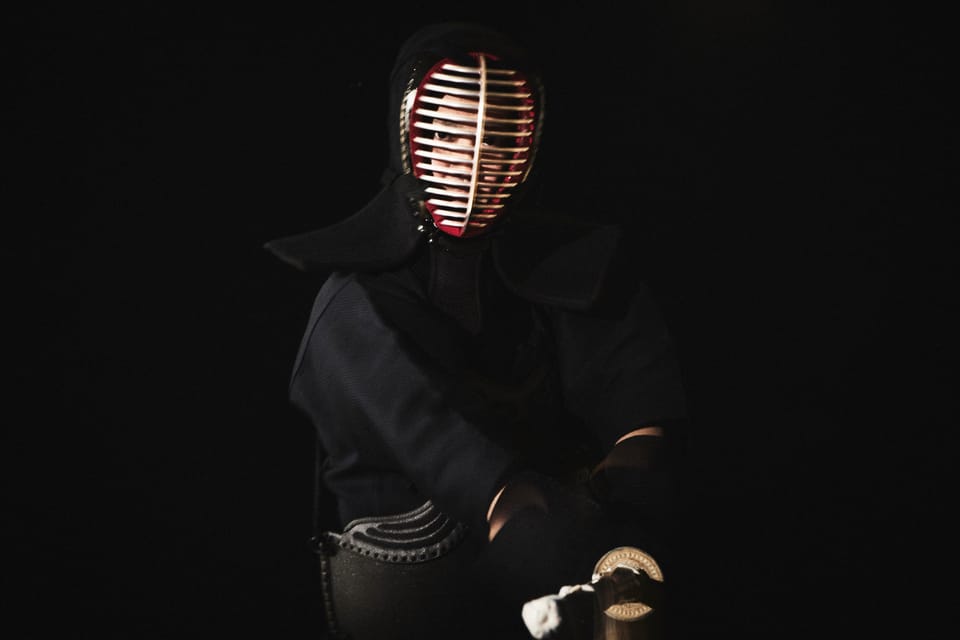
Osaka has plenty of samurai-themed stops, but this one has a different core: the dojo rules. You’re not just shown the equipment. You learn how to handle it safely and how to behave inside a training space where discipline is part of the practice.
The experience is built around real kendo structure. You get an intro to kendo history and how it connects to Bushidō and Reiho. Then you shift from listening to doing: the class walks you through wearing the kit properly, using the stance and footwork, and moving with control. That matters because in kendo, technique and respect are inseparable. Even if you’ve never held a shinai before, you’ll feel the difference between chaos and proper training.
I also like that the session is described as mainly for beginners, but it still makes room for people with martial arts or kendo experience. If you come in excited and athletic, you’ll likely enjoy the sparring segment. If you come in cautious, you’ll still leave with the basics and a clear understanding of how kendo is supposed to feel.
You can also read our reviews of more tours and experiences in Osaka.


Your 2-Hour Rhythm: Lecture to Basic Footwork
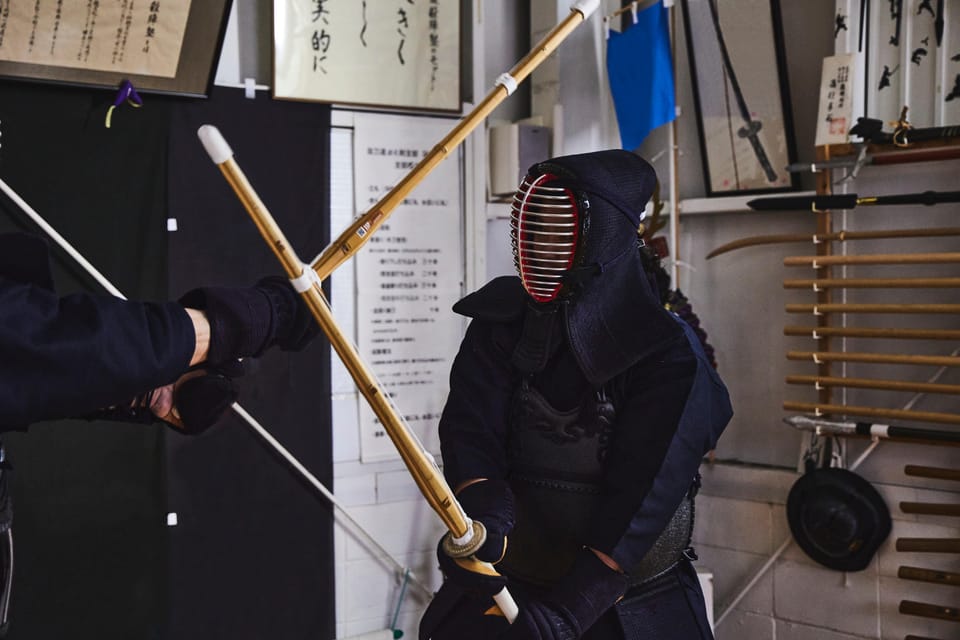
The session is paced like a proper class, not a rushed “try this for five minutes” experience. You’ll start with a lecture covering where kendo came from and why it’s more than striking. The talk also explains Reiho, the etiquette that shapes everything: how you enter, how you prepare, and how you interact with others while training.
Then comes the hands-on part. You’ll get instructions for:
- how to stand and hold the shinai correctly
- how your body aligns in basic posture
- how to move with safe footwork
- what the training rules are so sparring stays controlled
A key detail: the class is structured for beginners, meaning you shouldn’t feel like you’re thrown into the deep end. Several of the best notes from past participants point out step-by-step teaching and corrections, which is exactly what you want in your first kendo session.
Putting On the Kit: Dōgi, Hakama, Men, Kote, Dō, Tare
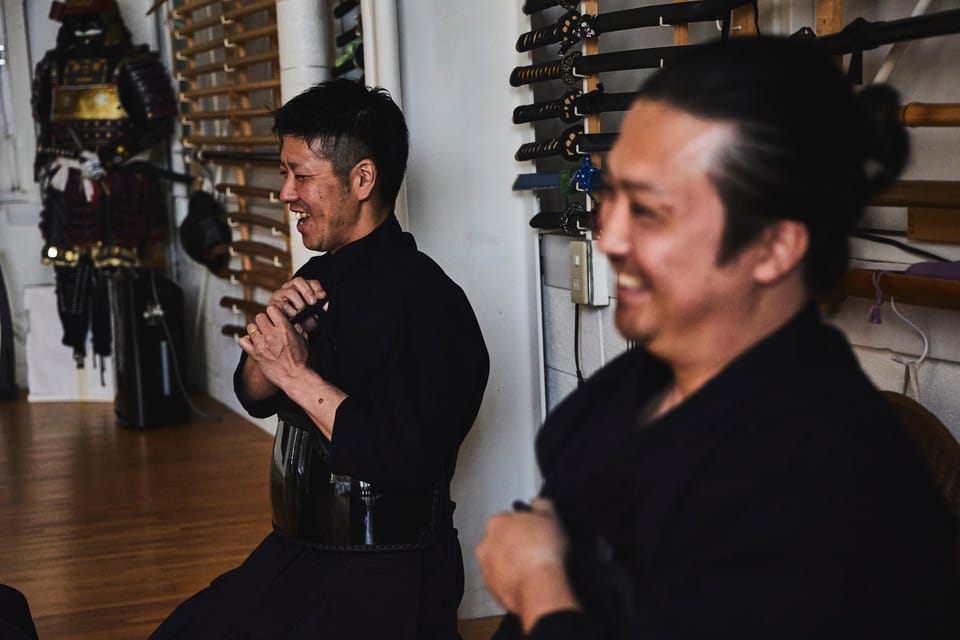
This is the moment that makes the experience click. You’ll change into traditional kendo uniform items—dōgi and hakama—and then suit up in full protective armour: Men, Kote, Dō, and Tare.
Why this matters for you:
- Safety and confidence. Real padding changes how you move. You can focus on timing instead of worrying about getting hurt.
- Authenticity. You feel like you belong in the dojo. It’s not just a costume; it’s the gear kendo training actually requires.
- A better workout. Armour and stances change your muscle engagement, especially around the legs and core.
One review detail that stands out: the dojo training space is often described as clean and spacious, and staff help with fitting and comfort. You’ll also typically have someone on the team assisting with outfit and photo support, with names like Vicky and Nao showing up in feedback.
Shinai Basics and Safety Rules You Can Trust
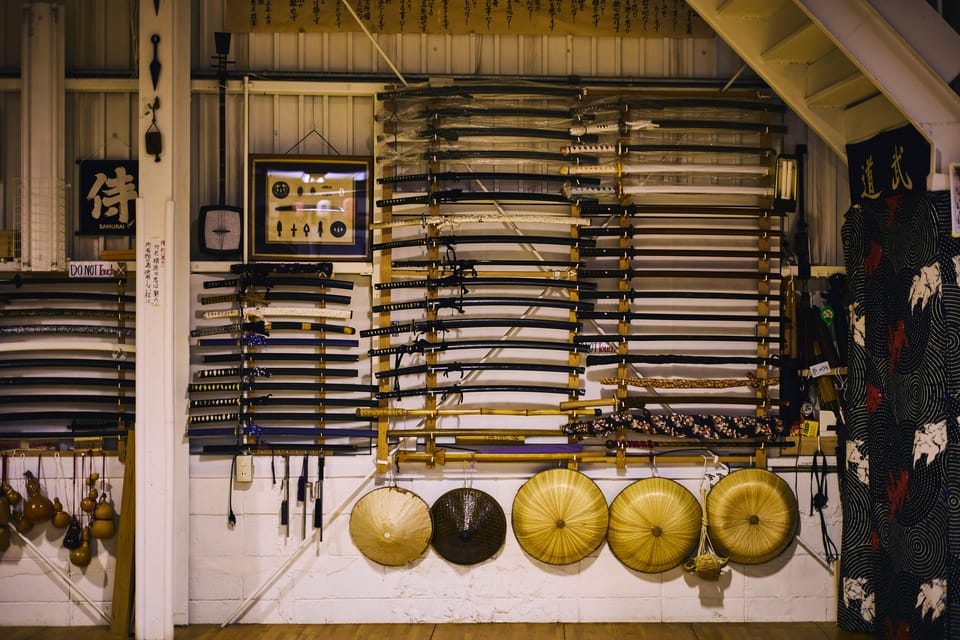
Before sparring, you learn how to use the shinai without turning practice into a mess. The class covers basic strikes and defensive ideas, and it’s clear the instructors care about safe training.
You’ll likely practice in stages:
- posture and stance (so your body doesn’t collapse under pressure)
- controlled swings and basic attack concepts
- blocks and counters (so you’re not only reacting)
- timing and distance basics for paired work
This is also where the English support earns its keep. When the explanation is clear, you understand what to do and why you’re doing it. That’s what helps you enjoy the end of the session instead of feeling overwhelmed.
If you’re worried about being too weak or not athletic enough, don’t. The class is described as focusing on timing, spirit, and focus—not raw strength. Kendo punishes sloppy movement, but it rewards steady, respectful effort.
Paired Practice and Match-Style Sparring Without the Chaos
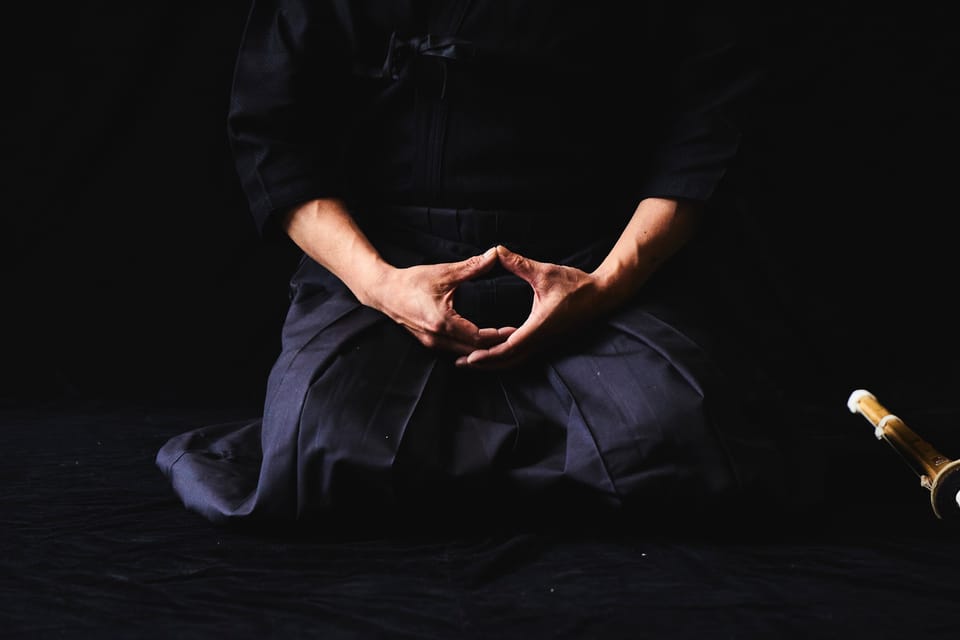
The highlight for many people is the move from basics into partner practice and then into match-style sparring. You’re not just watching. You’ll do hands-on exchanges that follow kendo rules.
Here’s what to expect in a friendly-but-real way:
- You’ll train with a partner so the movements make sense in a two-person setting.
- You’ll then do a sparring segment where you apply what you learned.
- Intensity can be high, but it’s still training, not a fight with rules ignored.
A fun detail from multiple accounts: participants describe the sparring as intense and enjoyable, with instructors who keep the energy up while correcting safely. Some reviews also note humor from the instructor, which helps first-timers relax as things speed up.
Important for your expectations: if you want “gentle cultural posing,” this isn’t a soft activity. It’s activity with meaning. You might leave sweaty, and your legs may feel cooked later.

The Samurai Photo Session Inside a Real Dojo
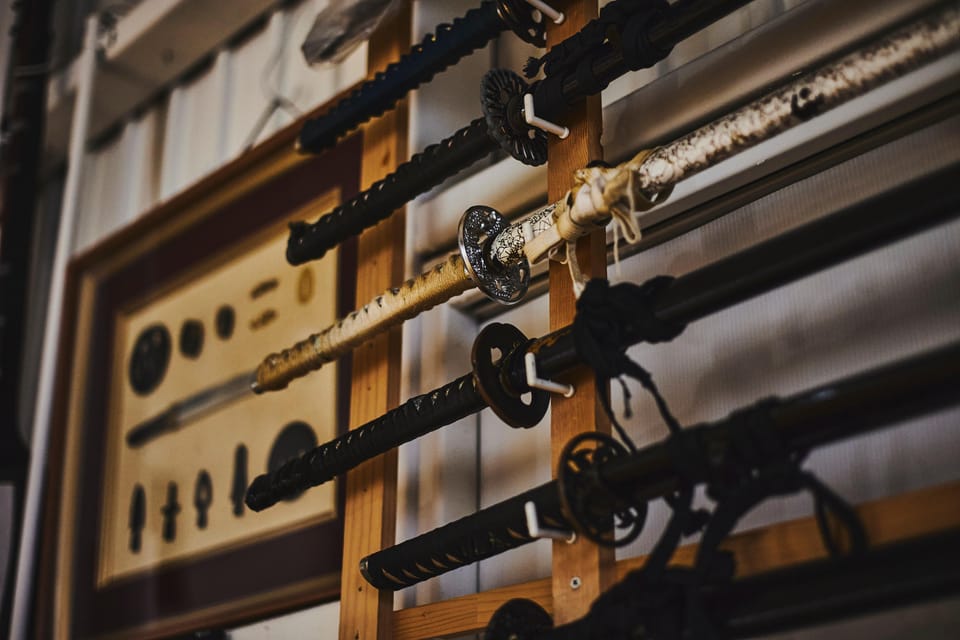
The photo time isn’t an afterthought. You’ll take samurai-style photos while you’re still in the dojo atmosphere, using kendo gear and props. This is the part where you get the memory that looks great and feels earned.
What makes it work:
- You’re photographed in an authentic training setting, not in a generic backdrop.
- Staff often help you pose and get pictures, including action-like shots.
- You get the samurai vibe without sacrificing the training first.
If you’re an anime or samurai culture fan, you’ll probably love this portion. Even if you’re not, the photos serve as proof you tried something you can’t get just by watching YouTube.
Also, a few reviews mention end-of-session chats over tea and snacks, including local restaurant recommendations. That’s a nice bonus because it helps you turn a workout into a day-plan.
Price and Value: Is $127 Worth 2 Hours of Kendo?
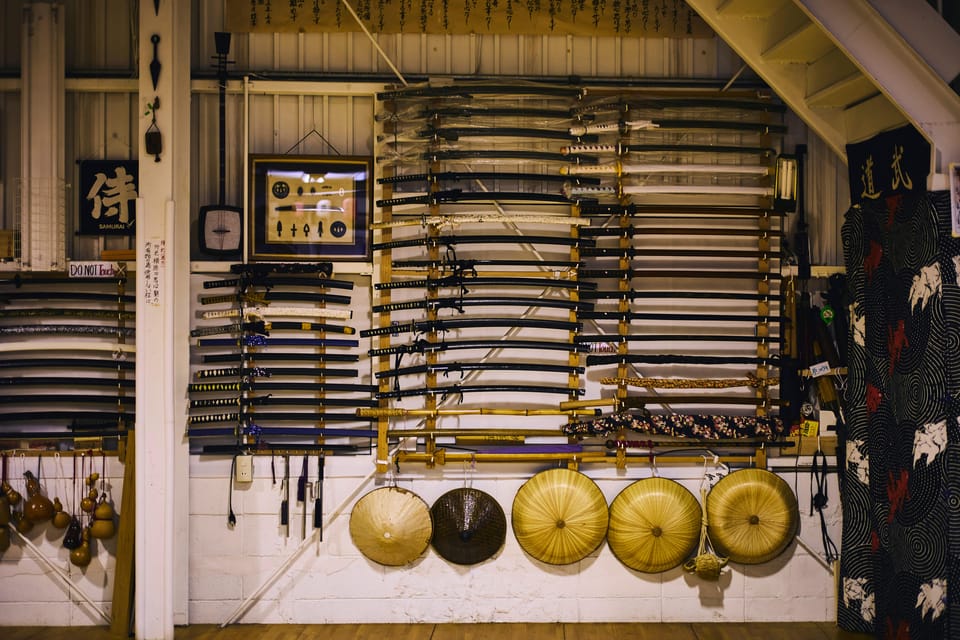
At $127 per person for a 2-hour session, it’s not the cheapest thing you can do in Osaka. But it’s also not only a “tour.” You’re paying for full training inputs:
- professional instruction with English support
- traditional uniform changes
- complete protective armour
- shinai training
- a structured class that ends with match-style practice
- photo time inside the dojo
Value is highest when you treat it as a real activity, not a souvenir purchase. If you go in expecting something like a short photo-op, it can feel pricey. If you go in wanting hands-on learning, movement, and a clear introduction to kendo culture, it makes more sense fast.
Also, the class is described as patient with beginners, which reduces the risk of you paying for something you can’t access. Clear teaching and safety matter a lot when you’re trying a martial art for the first time.
Who This Osaka Kendo Experience Suits Best
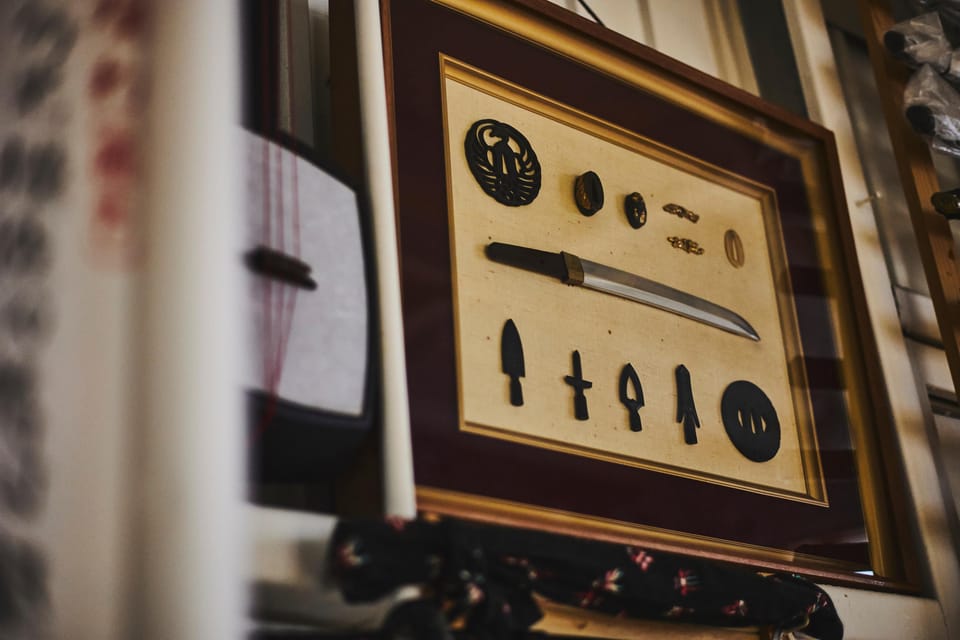
This is a strong fit if you:
- want an active Osaka experience instead of another museum stop
- like Japanese culture with rules and meaning (not just costumes)
- want hands-on martial arts practice without needing prior training
- enjoy photos, but prefer photos that come after real effort
It’s also worth considering if you’re traveling with someone who’s unsure about trying martial arts. Because the class starts with basics and includes a clear etiquette component, it can make the experience less intimidating.
But pay attention to the age rules:
- People over 76 can’t try kendo and are limited to viewing.
- Children under 2 can’t try.
- For kids ages 3–5, the experience is mainly uniform and photo-focused, not the same training setup as adults.
If your group includes kids or older adults, double-check expectations before booking. You’ll likely still get a fun cultural moment, but the “sparring” part won’t match an adult experience.
Wheelchair accessibility is listed, so it’s worth asking ahead about how the space and fitting process work for your group.
Practical Tips So You Get More Out of Your Session
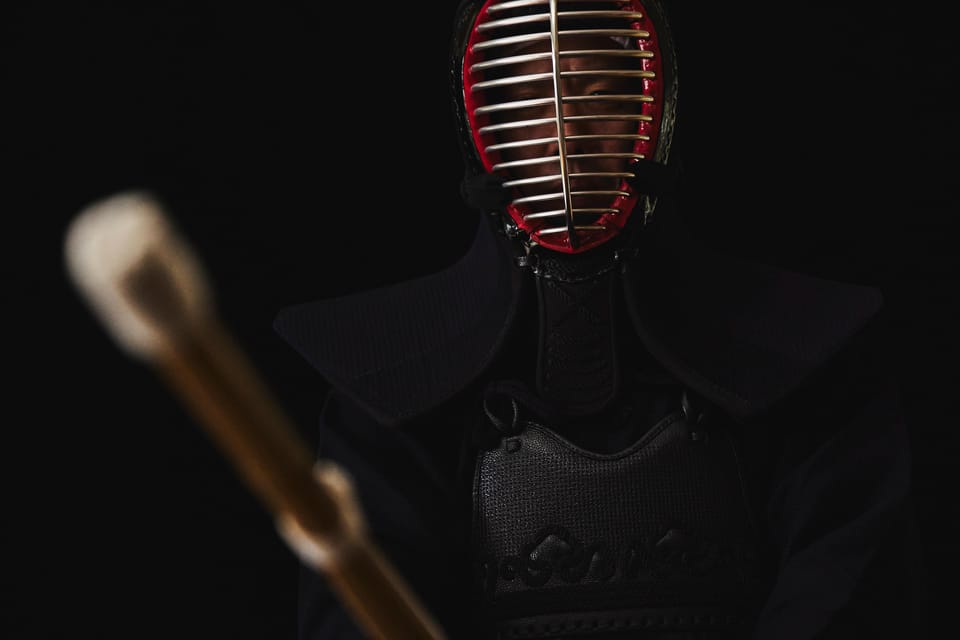
A few small choices can make a big difference in how enjoyable your time feels.
- Bring drinks. It’s specifically listed as what you should bring, and you’ll likely want water after using the armour.
- Share height, weight, and gender when requested. This helps the team fit the gear comfortably and safely.
- Arrive ready to move. Even beginners who start off cautious end up doing enough to notice it later.
- Focus on form, not force. Kendo rewards control. If you chase power, you’ll get tired faster and feel less stable.
- Use the meeting point link. The provided map link is the best way to find the dojo location without wasting time.
If you’re the kind of traveler who likes “meaning first,” you’ll probably enjoy the Reiho and Bushidō context. If you’re the kind who just wants to swing a bamboo sword, you still get that—just in a structured, safe way.
Should You Book This Osaka Samurai Training Kendo Experience?
Yes, if you want an Osaka activity that mixes real martial practice with Japanese values and a dojo setting. It’s one of the better options for first-timers because you get step-by-step coaching, full gear, and a clear path from etiquette to sparring.
Skip it if you’re looking for low-energy sightseeing, or if your group includes someone who can’t participate fully due to the age restrictions. Also, be honest with yourself about intensity: even guided sparring can be demanding, and your body will feel it.
If you book, go in with a beginner mindset. Ask questions when you need clarity. Then lean into the last part of the class. That’s where the experience stops feeling like a lesson and starts feeling like kendo.
FAQ
How long is the Osaka Samurai Training Kendo experience?
It lasts 2 hours.
Is this kendo class suitable for beginners?
Yes. The programme is designed mainly for beginners and first-time participants, and it also welcomes guests with prior martial arts or kendo experience.
What protective gear and uniforms do you use?
You wear traditional kendo uniforms (dōgi and hakama) and protective armour including Men, Kote, Dō, and Tare. You also hold a shinai during training.
Do you get to spar or fight during the session?
Yes. After learning basic techniques, you do paired practice and a match-style combat experience following real kendo rules.
Is there a photo session?
Yes. You get a samurai photo session inside an authentic dojo, with time for photos in the kendo setting.
Who can try the kendo, and who can only watch?
People over 76 are not allowed to try kendo (viewing only). Children under 2 cannot try kendo. For children ages 3–5, the session is mainly photo-focused rather than the full training experience.
What should I bring, and are there restrictions?
You should bring drinks. Alcohol and drugs are not allowed.