REVIEW · OSAKA
Osaka: Sushi Making in Spacious Studio (SAME-DAY OK!)
Book on GetYourGuide →Operated by WILL Co.,Ltd. · Bookable on GetYourGuide
Sushi-making in Namba feels like a mini workshop. In a spacious studio near Namba Station, you learn real sushi basics from a Japanese instructor in English, then eat what you make in about 90 minutes. It’s a same-day friendly activity with a certificate and a small souvenir at the end.
My favorite part is the way the instruction stays friendly even if you know zero about sushi. I’ve seen instructors like Seina, Tsuki, Naho, and Aki described as patient, helpful, and very clear in English.
One thing to keep in mind: there’s no hotel pickup, and the meeting point can be a little tricky since Google maps may be slightly off for the Orange-colored narrow building. If you’re easy to rush, give yourself a few extra minutes to find the 2nd floor.
In This Review
- Key things I’d plan around
- Finding Sushi Master Namba without turning it into an adventure
- What the 90 minutes actually feel like
- Sushi rice: the step that separates good from forgettable
- Nigiri and gunkan assembly: where your hands get a workout
- Premium 10 pieces vs Standard 8 pieces: plan your appetite
- Meet the instructors: why English clarity matters in a kitchen class
- Enjoying your sushi on the spot (and how drinks fit in)
- Vegetarian needs: how the class handles substitutions
- Allergies and food rules you should not ignore
- Price and value: $25 for technique, food, and the certificate
- Practical tips to make your sushi class smoother
- Who should book this sushi-making class in Osaka
- Should you book it
- FAQ
- How long is the sushi making experience?
- Where do I meet for the class?
- What languages are the instructors?
- What do I get with the $25 price?
- Are drinks included?
- Is there a vegetarian option?
- Is there a cancellation policy?
Key things I’d plan around
- 3 minutes from Namba Station means you can fit this into a full Osaka day without stress
- English-led instruction keeps the technique understandable, even for first-timers
- You shape and assemble the sushi (like nigiri and gunkan), not just watch
- Premium vs Standard sets expectations for how many pieces you’ll make: 10 vs 8
- You leave with proof via a Sushi-Master Certificate plus a small Japanese souvenir
- Vegetarian-friendly swap is possible if you message in advance about vegetarians
Finding Sushi Master Namba without turning it into an adventure
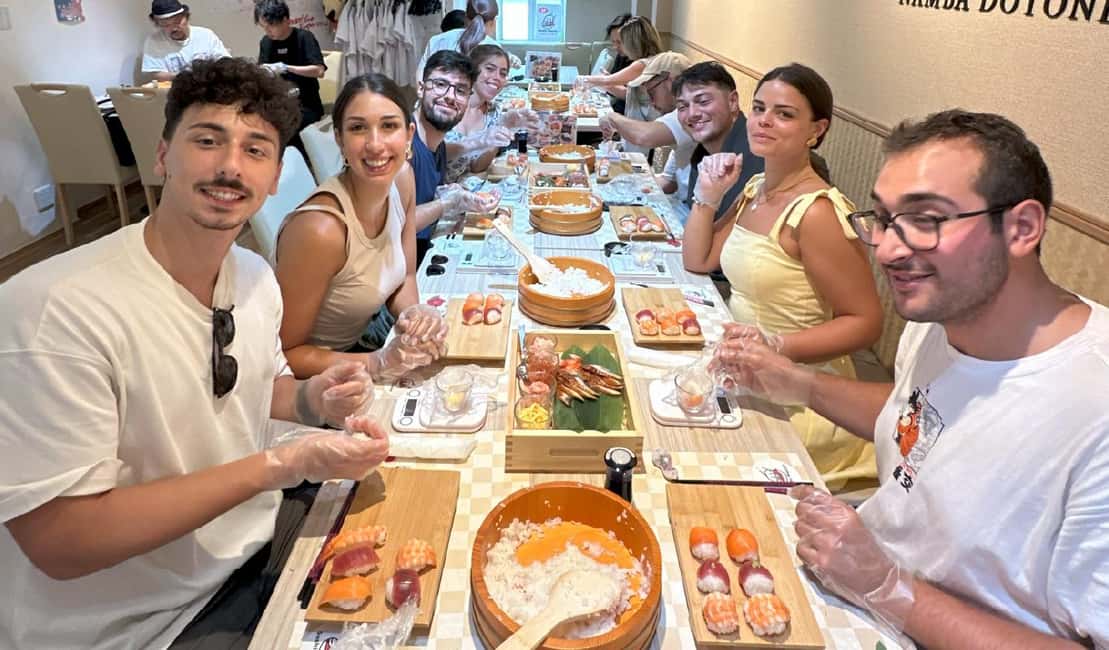
You’ll want to treat this as a straightforward walk, not a scavenger hunt. The meeting point is simply: search Sushi Master Namba on Google Maps, then go to the 2nd floor of the Orange narrow building. People note the map may be a bit misaligned, so if something looks off, trust your eyes over the pin.
Plan to arrive a few minutes early. There’s no hotel pickup, so you’re in charge of getting there. If you get stuck, the contact number is available to call (0664848070), which is one of those small safety nets that matters when you’re in a busy area like Namba.
You can also read our reviews of more tours and experiences in Osaka.



What the 90 minutes actually feel like
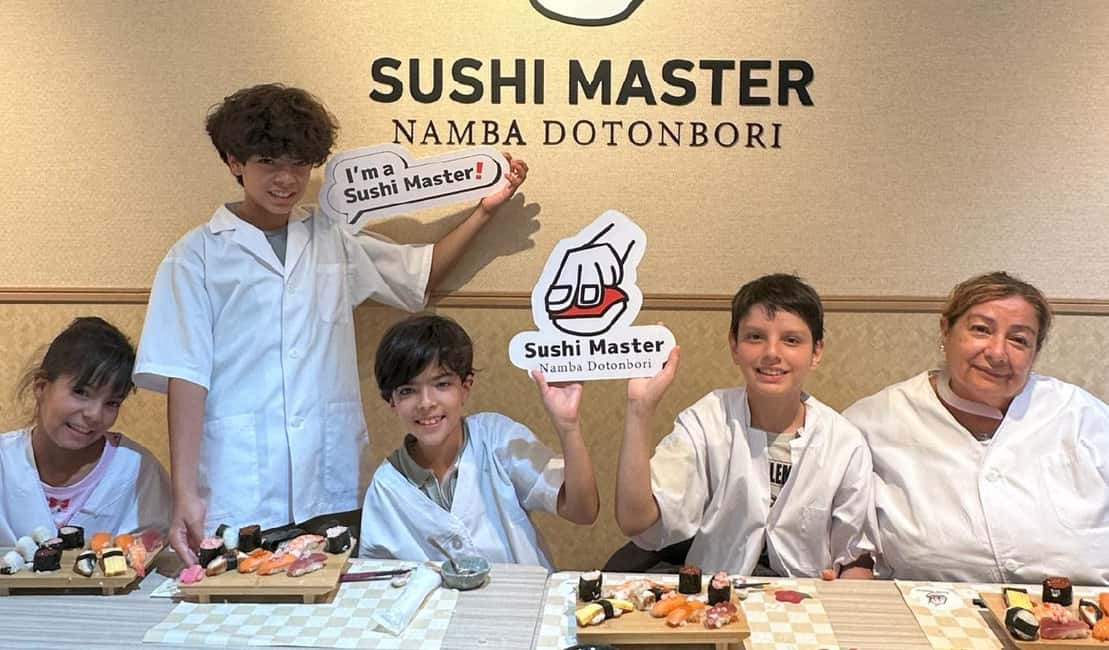
This class is built to get you doing sushi work fast. In 90 minutes, you go from intro to food culture, to hands-on preparation, to sitting down with the sushi you assembled. It’s structured, but it doesn’t feel stiff.
Here’s the flow you can expect in plain terms:
First, you get a warm welcome plus an intro to Japanese food culture in English. There’s also an informative video at the start, which is a smart move for first-timers because you can visualize the steps before you touch the rice.
Next comes the hands-on part. You’re not starting from scratch with everything raw. Several people mention the instructor (or the team) already has cooked parts in advance like the rice and prepared items such as fish, egg, and seaweed, so your job is to work with what’s ready. Typically, that means you cool the rice, then season and handle it properly so it holds its shape.
Then you assemble your sushi pieces. Depending on the course and what’s being taught that day, you may focus on basics like nigiri and gunkan—and in at least one lesson, people also mention learning temari sushi. You’ll get guidance as you shape, top, and finish each piece.
Finally, you enjoy what you made. The experience includes sushi meals (your creations), and drinks aren’t included automatically, though soft drinks and alcohol can be ordered during the class.
Sushi rice: the step that separates good from forgettable
If you only care about eating sushi, skip this section. But if you want your homemade bites to actually taste like Japan, the rice is the whole game.
The class specifically highlights learning how to make perfect sushi rice. In practice, that means you learn how the rice should feel, how it should be handled, and how seasoning and temperature matter. People also mention the instructors explain the process clearly and patiently, which matters because rice mistakes are easy: too warm and it’s sticky, too cool and it’s hard to shape.
Even though some rice work may be done beforehand, you still get to practice the key handling. This is the part you’ll remember later when you’re trying to replicate sushi at home.
Nigiri and gunkan assembly: where your hands get a workout
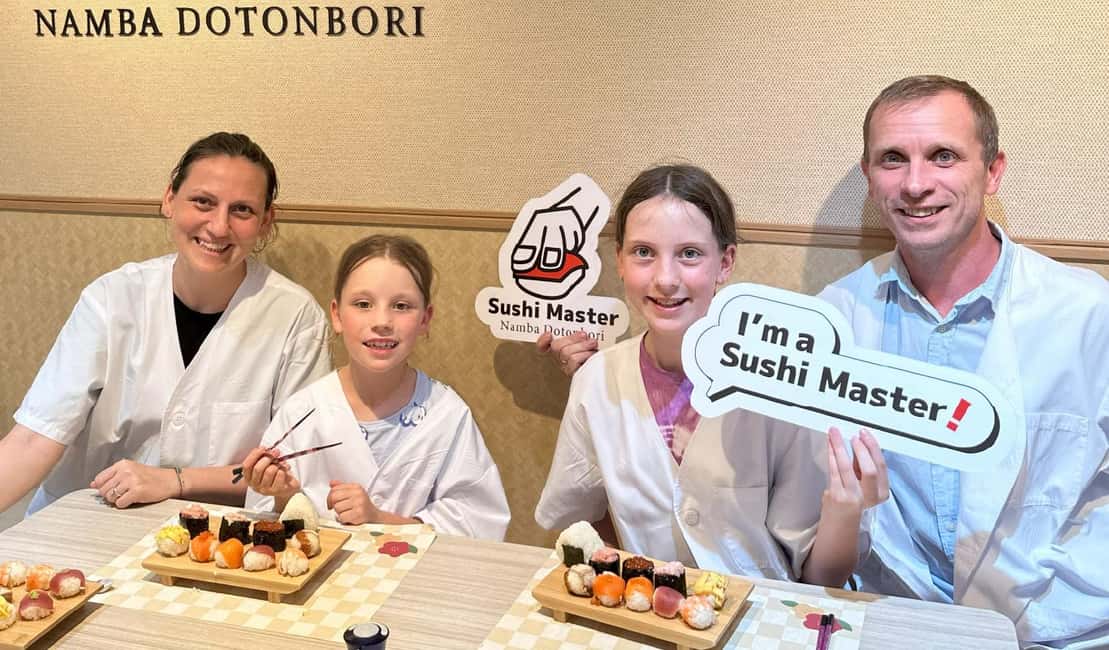
Your sushi class experience becomes real when you assemble the pieces yourself. Many participants describe making nigiri and gunkan, which are perfect beginner targets because they teach you technique without requiring complex gear.
Nigiri teaches rice form and balance: you shape rice so it’s compact but not crushed, then add the topping cleanly. Gunkan (rice topped with something you usually hold with seaweed) teaches a different skill: controlling volume and keeping toppings secure.
Instructors are described as dedicated to making sure you understand every aspect, not just repeating instructions. People mention being able to ask lots of questions, which is a big deal in a hands-on class. If you’re the type who needs to see the same step a second time, this is the kind of place that seems willing to slow down.
Premium 10 pieces vs Standard 8 pieces: plan your appetite
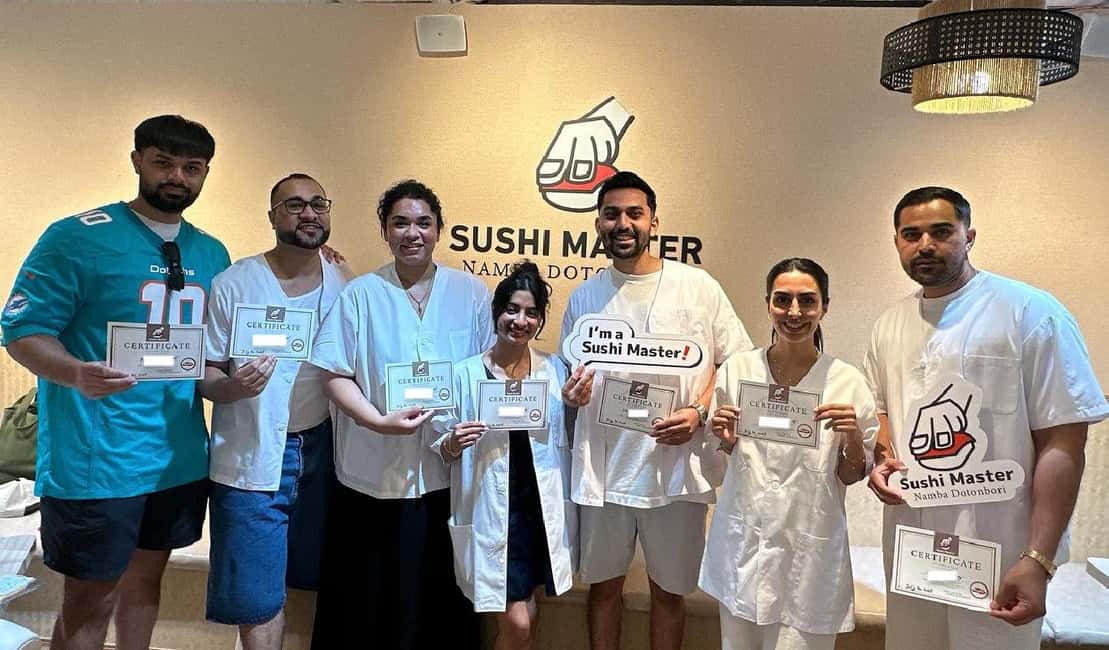
The course comes in two sizes:
- Premium Sushi Making Course: 10 pieces
- Standard Sushi Making Course: 8 pieces
That difference matters for two reasons. One, it affects how much work you do with your hands. Two, it affects how full you’ll feel when you eat your finished sushi.
If you’re hungry after a day of Osaka walking, Premium is the safer bet. Standard can still be satisfying since you’re making and eating what you assemble, but Premium gives you a bit more buffer if your appetite runs bigger than your confidence.

Meet the instructors: why English clarity matters in a kitchen class
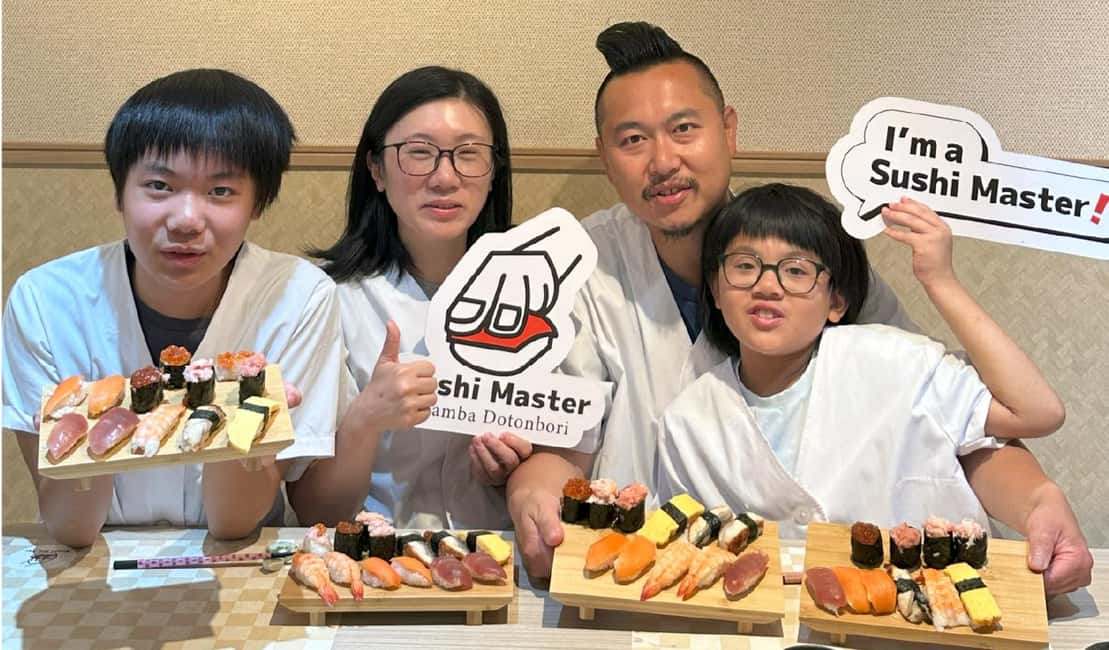
This is the kind of experience where instructor quality is everything. The good news: several people specifically praise the English ability and teaching style of instructors such as Seina, Tsuki, Naho, Matsuri, and Aki.
What you should look for in the way they teach is simple: clear pacing, patient correction, and explanations that don’t assume you already know Japanese food terms. People also mention the hosts are friendly and personable, and that they’re happy to take photos for you. That last bit sounds minor, but it’s nice in practice because it stops you from juggling your phone while your hands are busy with rice.
Enjoying your sushi on the spot (and how drinks fit in)
The class includes sushi meals, meaning you get to eat the sushi you made right away. That’s part of the reward loop: technique first, then payoff.
Drinks are not included in the listed package. You can order soft drinks and alcohol on-site while you make sushi. The experience description also mentions pairing with carefully selected sake, so you might find sake is offered as part of the meal experience, but you shouldn’t assume it’s automatically included in the price. If sake matters to you, ask when you arrive or confirm with the staff.
Either way, plan to drink water too. Kitchens and rice shaping can make you warm fast.
Vegetarian needs: how the class handles substitutions
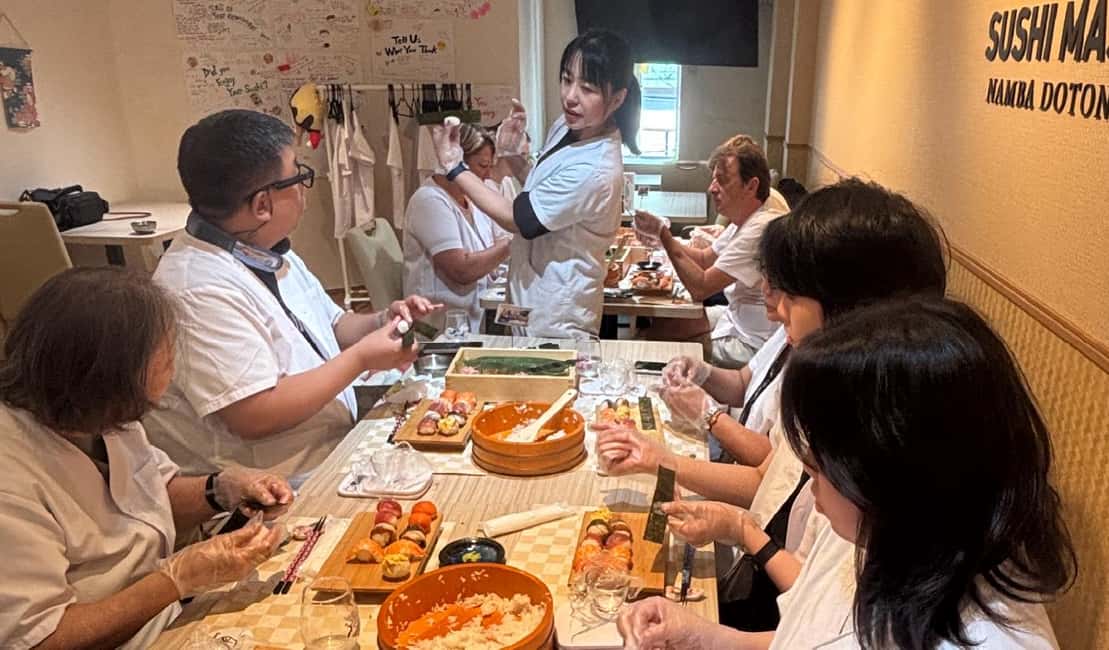
If you’re traveling with vegetarians, this class has a clear path. They say that if your group includes vegetarians, you can message in advance so fish toppings can be replaced with vegetable-based ingredients.
So the practical move is this: message ahead with your vegetarian requirements, not on the day of. That way the instructors can plan the topping options and you can focus on learning the technique.
Allergies and food rules you should not ignore
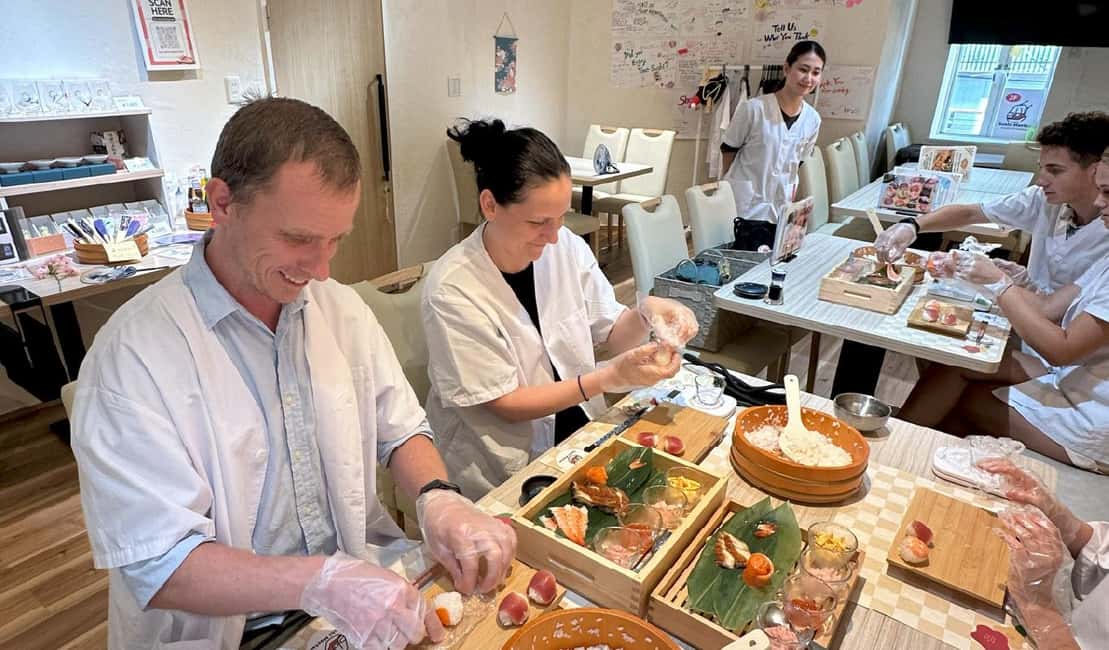
Two rules show up clearly:
- Let them know in advance if you have allergies.
- Do not bring outside food or drinks.
Also, smoking isn’t allowed. This is normal for an indoor class, but it’s worth noting because it affects how the space stays clean and comfortable.
If you have a specific allergy, don’t keep it vague. Sushi involves fish, egg, seaweed, and soy-based sauces, so the more exact you are, the easier it is for the team to help you safely.
Price and value: $25 for technique, food, and the certificate
At $25 per person for 90 minutes, you’re paying for three things at once:
- Instruction in a hands-on setting
- Ingredients and the sushi meal (your own work)
- A Sushi-Master Certificate plus a small souvenir
A lot of cooking classes charge more just for the instruction. Here, the meal is part of the deal, and the class includes the materials you need to make your pieces. That makes it easier to judge value if you compare it to paying for dinner elsewhere without getting the teaching component.
Would I say it’s a budget-bargain? It looks like it leans toward good value based on what’s included, especially the certificate and the gift at the end. But if you’re the kind of person who wants a “food tour plus cooking” day, you may still want to add extra eating stops on your own. The class meal is satisfying, not a full Osaka food tour.
Practical tips to make your sushi class smoother
A few small moves can make the whole session easier:
- Wear clothes you don’t mind getting a little rice dust on. It happens.
- Bring your curiosity. The best moments come from questions, especially about sushi rice texture and topping placement.
- Take photos early, then again at the end when your hands are free. People mention the staff is happy to take pictures.
- If you’re booking with family or as a solo traveler, know this class is described as comfortable for different ages and group types.
- If you reschedule due to injury or timing issues, the experience is described as accommodating in at least one situation. Still, always communicate directly with the provider.
Who should book this sushi-making class in Osaka
This class fits you if:
- You want a real sushi skill, not just a souvenir meal
- You prefer learning in English with Japanese instructors who explain clearly
- You like structured hands-on activities
- You want something compact that fits into a busy Namba day
It might not fit you as well if:
- You expect a full step-by-step from raw basics with zero prep done ahead of time
- You want a long multi-hour culinary experience with lots of wandering and tasting variations
For most first-timers, though, it’s a great entry point. You’ll walk out with confidence that you didn’t have an hour earlier.
Should you book it
Yes, if you want an efficient, friendly, English-supported sushi skill in the heart of Osaka. The combination of hands-on assembly, sushi rice instruction, and the included certificate and gift makes it feel like more than a one-time snack experience.
Book it especially if you’re staying near Namba Station. The location helps you keep the rest of your day flexible, and you won’t waste time hunting for dinner. Just give yourself a little extra time to find the Orange narrow building’s 2nd floor, and message ahead if you need vegetarian or allergy accommodations.
FAQ
How long is the sushi making experience?
The duration is 90 minutes.
Where do I meet for the class?
Search Sushi Master Namba on Google Maps. They are on the 2nd floor of an Orange-colored narrow building, and the map listing may be slightly misaligned.
What languages are the instructors?
The languages are English and Japanese.
What do I get with the $25 price?
You get sushi ingredients for the class, the sushi meals (that you make), a Sushi-Master Certificate, and a small Japanese souvenir.
Are drinks included?
No. Drinks are not included, but you can order soft drinks and alcohol during the class.
Is there a vegetarian option?
Yes. If your group includes vegetarians, you should message in advance so the fish toppings can be replaced with vegetable-based ingredients.
Is there a cancellation policy?
Free cancellation is available up to 24 hours in advance for a full refund. Reserve & pay later is also offered.