REVIEW · OSAKA
Osaka Nighttime tour
Book on Viator →Operated by Oishii Food Tours · Bookable on Viator
Osaka at night hits different. This Osaka Night Food Tour leads you through Tenma after dark with a friendly local guide, and you get real-food momentum instead of guessing what to order. I especially like the Wagyu yakiniku stop and the way you’re fed a mix of Osaka classics (not just one dish). One consideration: the exact restaurants can shift with the schedule, and it’s not a good fit if you have serious food allergies.
You start in the Tenjinbashi area near Temma, then move through three distinct dining stops that each feel like their own little slice of Osaka night culture. The focus stays simple: eat, sip, and learn just enough so you can enjoy the food without turning the whole meal into homework.
Logistics are straightforward: it runs about 3 hours 10 minutes, uses a mobile ticket, and ends back at the meeting point. Hotel pickup and drop-off aren’t included, so you’ll want to plan your own way to the start at Shichifukujin Temma Station.
In This Review
- Key highlights to know before you go
- Tenma after dark: why this Osaka night food route works
- Where you meet and how the timing usually feels
- What you actually eat: street bite to grilled Wagyu
- First stop in Tenjinbashi: traditional vender street food
- Okonomiyaki in a cozy Tenjinbashi restaurant: order confidence
- Kushiage (skewers) plus drinks: the best pacing stop
- Wagyu yakiniku grilling and a Japanese cocktail finale
- Guides in the flesh: Kaori, Mayura Kai, and Akiko
- Price and value: $198 for food, drinks, and guidance
- Who this tour suits best (and who should skip it)
- Should you book the Osaka Nighttime tour?
- FAQ
- How long is the Osaka Nighttime tour?
- Where do I meet, and does it end there too?
- Is hotel pickup and drop-off included?
- What’s included in the ticket price?
- Will the exact restaurants always match what’s listed?
- Is this tour safe if I have a serious food allergy?
- How many people are in the group?
- Is the tour refundable if I cancel?
Key highlights to know before you go
- Small group size (max 8): you get more attention when questions pop up.
- Four-course pacing over ~3 hours 10 minutes: street bite, okonomiyaki, kushiage, then Wagyu yakiniku.
- Drinks included: the tour lists various types of drinks, with the Wagyu paired with a refreshing Japanese cocktail.
- Tenma and Tenjinbashi area focus: you’re eating where people actually come out at night.
- Flexible restaurant lineup: the restaurants may change depending on the schedule.
Tenma after dark: why this Osaka night food route works
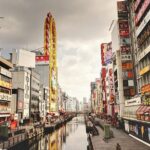
Osaka is famous for food. What’s less obvious is how much more fun it is when someone points you in the right direction at night. This tour does that for you. You’re not just eating; you’re getting an easy path through an area that’s busy with little eateries, casual stands, and people who already know what they want.
I like that the experience is built around variety, not volume for volume’s sake. You’ll try Osaka favorites like okonomiyaki and kushiage, then end with Wagyu yakiniku where you grill your own meat. That mix matters. It keeps the night interesting, and it gives you a cleaner picture of what Osaka food culture feels like after dark.
One more practical win: the group size stays small (up to 8). That means you’re not stuck in a giant line of people. You can ask questions, you can adjust if you’re not into one thing as much, and the guide can keep the pacing sensible.
You can also read our reviews of more tours and experiences in Osaka.
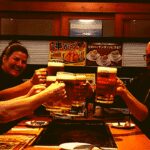
Where you meet and how the timing usually feels
You meet at Shichifukujin Temma Station (4-chōme-12-1 Tenjinbashi, Kita Ward). The tour ends back at the same meeting point, which is great for planning your own return to your hotel.
The duration is about 3 hours 10 minutes. That’s long enough to feel like a full night out, but short enough that you won’t wake up the next day wondering why your legs feel like noodles. Since there’s no hotel pickup or drop-off, I suggest arriving a few minutes early and treating the first minutes as warm-up time: calm your stomach, check your bearings, and get ready to eat.
Also, you’ll be using a mobile ticket. That’s convenient on a night when you don’t want to hunt for paper, and it helps keep the start time moving.
What you actually eat: street bite to grilled Wagyu
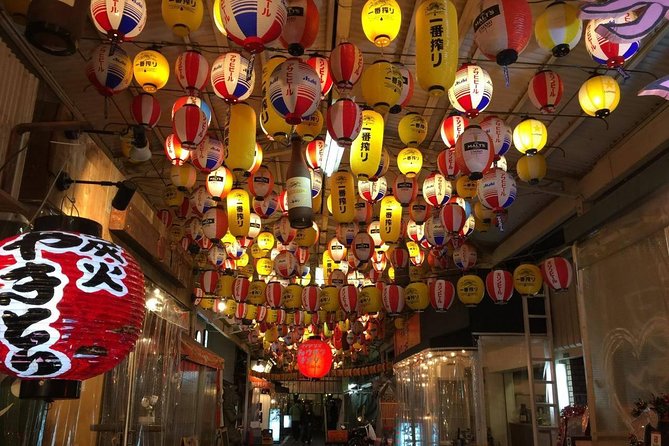
This tour is built around four food stops in the Tenjinbashi/Temma area. The exact restaurants can change depending on the schedule, but the food goals stay the same: start with a local street-vender style bite, then okonomiyaki, then kushiage, and finish with Wagyu beef.
The “various foods and various types of drinks” part is important. At $198 per person, you’re paying for more than just snacks. You’re paying for multiple restaurant meals plus drinks, with a guide handling ordering and timing. That’s what turns it from a food walk you could DIY into an actual experience.
Also, the tour notes most travelers can participate. Just be honest with yourself about food restrictions and how you handle grilled foods and frequent stops. If you have serious food allergies, the tour is not recommended.
First stop in Tenjinbashi: traditional vender street food
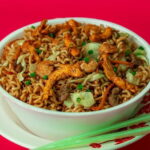
Your night starts in Tenjinbashi, with a 30-minute stop focused on traditional vendor street food. This is where I think the tour earns its value quickly. You get a taste of the street-style rhythm before you sit down for anything heavier.
Why this stop helps: it sets expectations. Street food here is casual and fast, and the tour gives you a simple entry point so you’re not standing around wondering what a typical option looks like. You can also use this time to pace yourself. If you go too hard in the beginning, the later restaurant meals will feel like a math problem.
The main drawback is also the street-food reality: it’s not a controlled restaurant kitchen. If your comfort level with street snacks is low, you might want to mentally plan for that first taste to be your “getting used to it” moment.
Okonomiyaki in a cozy Tenjinbashi restaurant: order confidence
Next you’ll head to an okonomiyaki stop in a cozy restaurant, again for about 30 minutes. This part of the tour matters because it’s sit-down food with context. Street food first keeps it fun; okonomiyaki next lets you slow down and really focus.
Okonomiyaki is one of those Osaka signatures people talk about for a reason. On a guided tour, you don’t just eat it—you’re better prepared for how it’s presented, how you’ll be served, and what to pay attention to when you’re trying it for the first time.
A small planning note: this stop is shorter than the later ones, so don’t treat it like a long meal. Treat it like a key tasting stop, then keep moving with the group.
Kushiage (skewers) plus drinks: the best pacing stop
After okonomiyaki, you’ll do kushiage in a local restaurant with drinks for about 1 hour. This is a sweet spot in the tour. One hour gives you breathing room, and adding drinks keeps the evening from feeling like nonstop eating.
Kushiage is the kind of food that works well for group pacing. People can compare bites easily, you can handle it without needing utensils complexity, and the meal naturally turns into conversation. It also sets you up for the finale: you’ll arrive at the Wagyu stop with your appetite ready, not flattened.
If you’re someone who wants long, slow dinners, this might feel like a “tasting night” rather than a full formal meal. But if you want the Osaka night-food experience in a tight, well-timed package, this is the stop that makes it click.
Wagyu yakiniku grilling and a Japanese cocktail finale
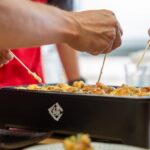
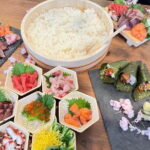
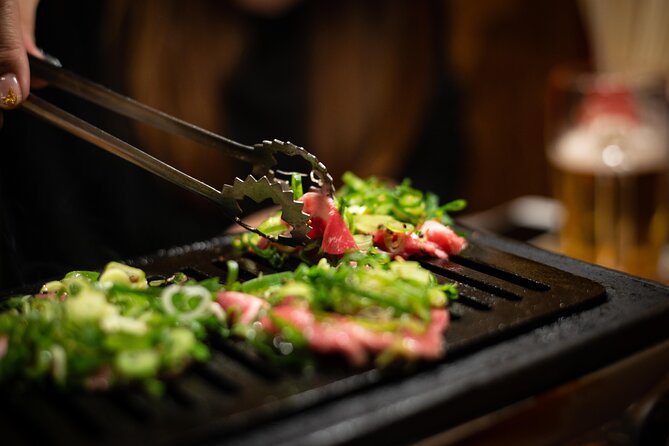
Your last stop is the big moment: Wagyu beef, grilled, with an extra detail that makes it feel intentional. You’ll try different parts, and the tour includes a refreshing Japanese cocktail to go with it. The Wagyu part alone is a good reason to book, but the “different parts” angle is what makes it more than just a fancy bite.
Grilling your own food is also a practical win for fun. It breaks the meal up into an experience, not just a course served to you. You’re actively doing something, and that helps the guide-led flow stay lively.
What to consider: grilled meat has its own pace. If you prefer very light food, you may need to manage your portion sizes earlier in the tour so you can enjoy the Wagyu without feeling overly full too fast.
Guides in the flesh: Kaori, Mayura Kai, and Akiko
The tour experience is only as good as the host guiding it, and the names shared by past participants give you a sense of style and expertise. Kaori comes up as a warm, positive host who helped couples have a memorable evening in three restaurants near Temma Station.
Mayura Kai is mentioned as particularly strong on dish knowledge. One review specifically notes she’s an ex chef, which matters because you’ll get clearer explanations about what you’re tasting and why it’s done that way locally. Another theme in the feedback: the guide adapts to preferences, including dietary needs in at least one case, and keeps the night enjoyable instead of rigid.
Akiko also gets praise for recommendations being spot on. That’s the point: you’re paying for a guide who steers you away from “safe but boring” choices and toward what Osaka does well.
Price and value: $198 for food, drinks, and guidance
Let’s talk money plainly. At $198 per person, this is not a casual budget snack tour. You’re paying for:
- multiple food stops (street bite + restaurant tastings)
- various types of drinks
- one-on-one-style help from a guide (small group max 8)
- a meaningful finale with Wagyu yakiniku and a Japanese cocktail
So the value depends on your travel style. If you love DIY wandering and you’re comfortable ordering in Japanese with confidence, you might be able to recreate parts of the experience. But if you want an evening that feels like a local night plan—with ordering handled and the flow managed—this price starts to make sense fast.
My best rule for deciding: if you want the guide’s taste-making plus the confidence to try foods you might skip on your own, you’ll likely feel like you got your money’s worth.
Who this tour suits best (and who should skip it)
This tour fits well if you want an easy, guided path through Osaka’s Tenma food scene and you’re happy doing a few short meals rather than one long sit-down dinner. It’s especially good for first-timers who want to hit key Osaka flavors quickly and end with a standout Wagyu grilling experience.
It’s also a good match if you like social food nights but don’t want a huge crowd. The max 8 group size is a real advantage for comfort and attention.
Skip it if:
- you have serious food allergies (the tour isn’t recommended)
- you want hotel pickup or door-to-door transportation (it’s not included)
- you prefer quiet, slow dining with no movement between stops
Should you book the Osaka Nighttime tour?
Book it if you want a structured yet fun night out in Tenma—one where you eat multiple Osaka classics, get drinks included, and finish with Wagyu yakiniku grilling plus a Japanese cocktail. The small group size and the strength of hosts like Kaori, Mayura Kai, and Akiko are exactly the kind of “you’ll thank yourself later” details that make a food tour worth doing.
Consider skipping or choosing something else if you have serious dietary restrictions, dislike grilled foods, or need transportation support from your hotel. If you can handle several stops in a few hours and you’re coming hungry, this is an excellent way to experience Osaka after dark without stress.
FAQ
How long is the Osaka Nighttime tour?
It’s listed at about 3 hours 10 minutes.
Where do I meet, and does it end there too?
You start at Shichifukujin Temma Station (4-chōme-12-1 Tenjinbashi, Kita Ward, Osaka) and the tour ends back at the meeting point.
Is hotel pickup and drop-off included?
No. Hotel pickup and drop-off are not included.
What’s included in the ticket price?
The tour includes various foods and various types of drinks.
Will the exact restaurants always match what’s listed?
The tour notes that the restaurants may change depending on the schedule.
Is this tour safe if I have a serious food allergy?
It’s not recommended for travelers with serious food allergy.
How many people are in the group?
The maximum group size is 8 travelers.
Is the tour refundable if I cancel?
This experience is non-refundable and cannot be changed for any reason.