REVIEW · OSAKA
Osaka/Kyoto: Arashiyama, Nara Park, Fushimi Shrine Tour
Book on GetYourGuide →Operated by Japan Holiday Travel · Bookable on GetYourGuide
One day, three icons: Arashiyama, Nara, Kyoto. I love the chance to walk through Fushimi Inari Taisha’s long tunnel of red torii, and I also like how early Arashiyama’s greenery feels before the day crowds build. The only real catch is that this is a bus day with fixed timing, and the main tour language is often Chinese, so you’ll want to be comfortable following along.
You’ll also get the classic Nara moment: standing among more than a thousand freely roaming deer in a huge green park. Just know this kind of tour works best when you show up on time and accept that time at each stop can shift with traffic, weather, or crowd levels.
In This Review
- Key highlights worth caring about
- Why this Osaka-to-Kyoto loop can feel like a win
- Arashiyama bamboo trails, Togetsukyo Bridge, and the “morning advantage”
- Nara Park deer: how to enjoy the 1,000+ herd without stress
- Fushimi Inari Taisha’s torii tunnel: the climb, the views, and the timing
- How the guide (and the small-group bus) actually shapes the day
- Price and value: why $51 can be a good deal (or not)
- What the schedule feels like in real life
- Practical tips so you enjoy every stop
- Who should book this tour, and who should skip it
- Should you book this Osaka–Kyoto–Nara day trip?
- FAQ
- What stops are included on the tour?
- How long is the experience?
- What time do we have at each site?
- Is the tour guided at the shrines and park?
- What languages are available?
- Are meals included?
- Is food allowed on the bus?
- Where do I meet the group?
- Is this tour wheelchair accessible?
- What if weather or traffic affects the schedule?
Key highlights worth caring about
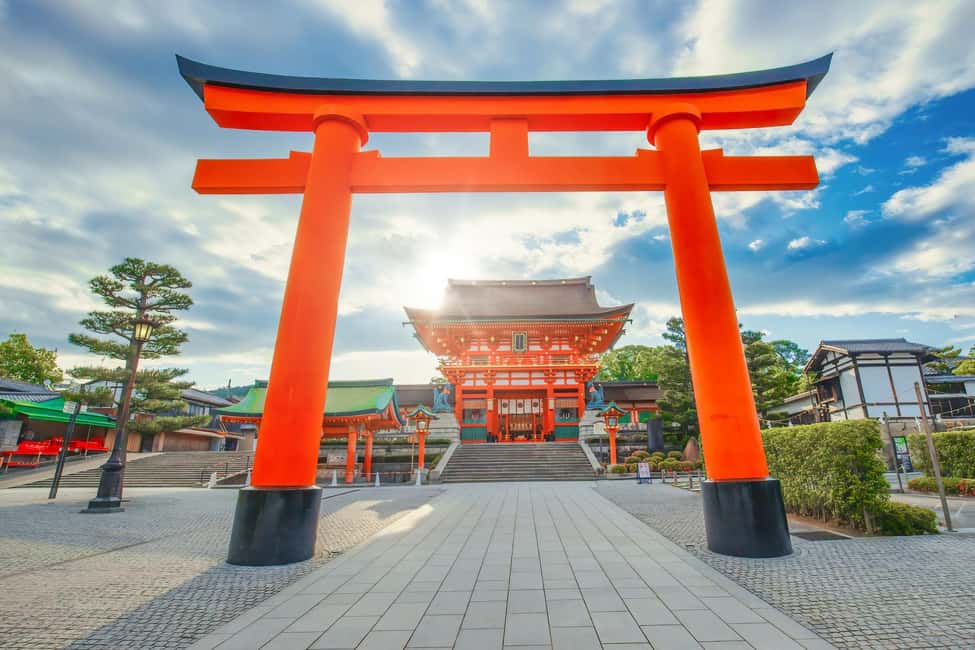
- Walk the red torii maze at Fushimi Inari: a 10,000-torii experience built for slow steps and photos.
- Morning Arashiyama feel: bamboo trails plus early air that tends to be calmer than later in the day.
- Nara Deer Park’s huge herd: over 1,000 deer roaming near the Kasuga Taisha area.
- One-day route built for efficiency: transport between Osaka and Kyoto keeps your “thinking” time low and sightseeing time high.
- Guides can be very hands-on: when you get a strong guide (like Levi, CC, or HuaHua from past groups), the day feels organized without micromanaging.
Why this Osaka-to-Kyoto loop can feel like a win
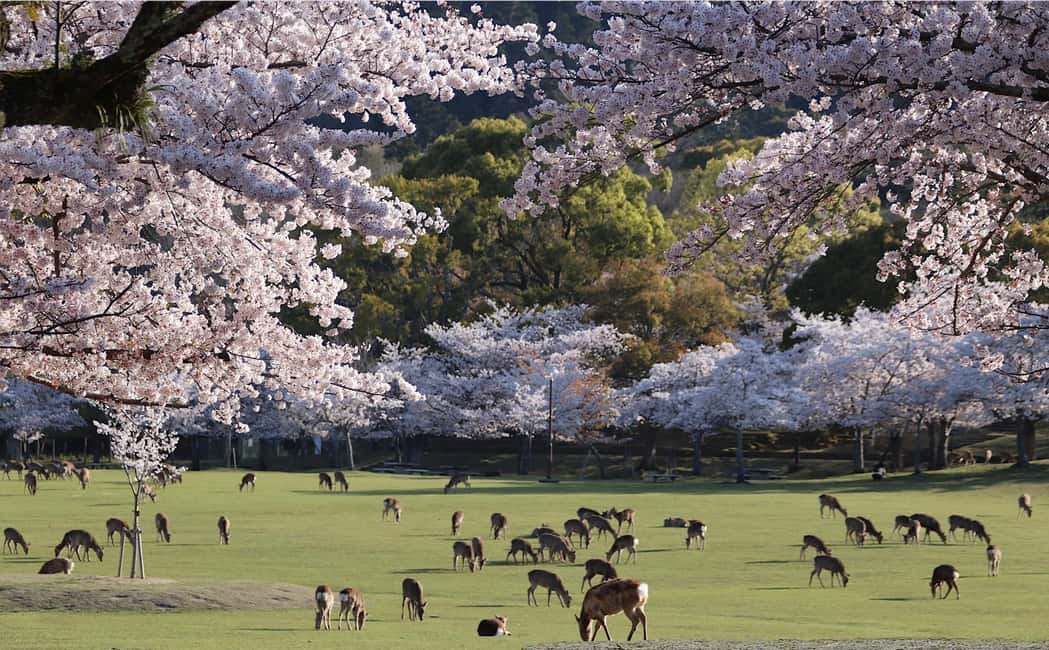
This tour makes a smart promise: see three heavy-hitters in one day without you planning trains, transfers, and timetables. You leave Osaka or Kyoto, hit Arashiyama first, then swing to Nara Park, and finish at Fushimi Inari Taisha. It’s a lot to pack into 10 hours, but that’s also why it’s good value for first-timers who want a clean day structure.
If you like having the day “pre-shaped” for you—bus timing, route, tickets/fees handled, and a guide who can explain the basics—this format is comforting. It’s especially helpful at the shrines and park stops, where the sheer number of paths can make self-guided wandering feel like you’re guessing.
The tradeoff is pace. This is not a slow temple day where you linger for hours. And since the tour is mainly conducted in Chinese (with English and Korean help only sometimes), you’ll want to be okay with basic onboard commentary and then self-guided exploring at each stop.
You can also read our reviews of more tours and experiences in Osaka.

Arashiyama bamboo trails, Togetsukyo Bridge, and the “morning advantage”
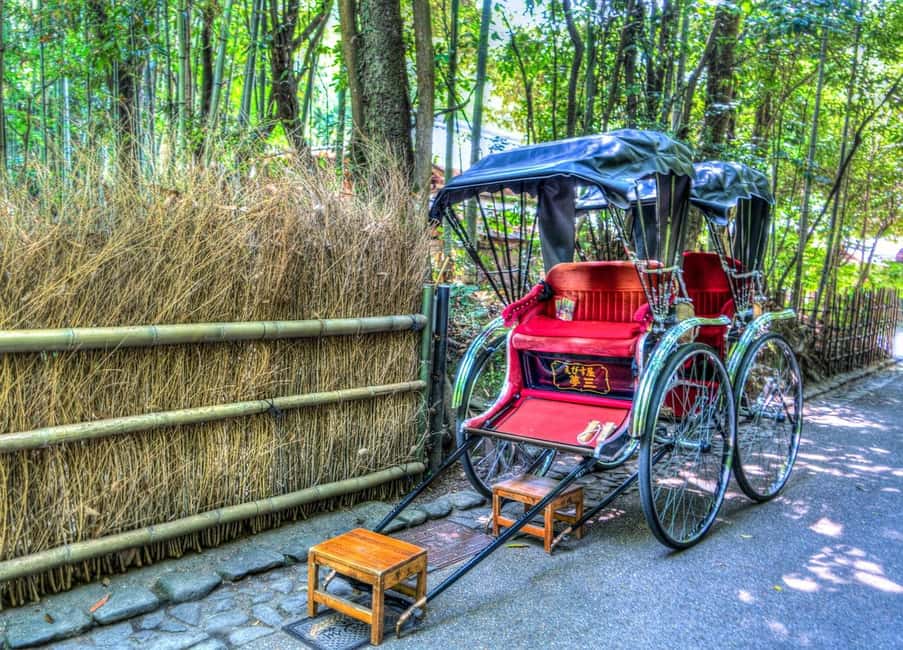
Arashiyama is where the day starts to feel real. The air often feels fresher earlier, and the group energy tends to be lighter before people settle into peak-day routines. Your time here is built for a self-guided wander: plenty of freedom to walk bamboo paths at your own pace, without a tour director forcing you along.
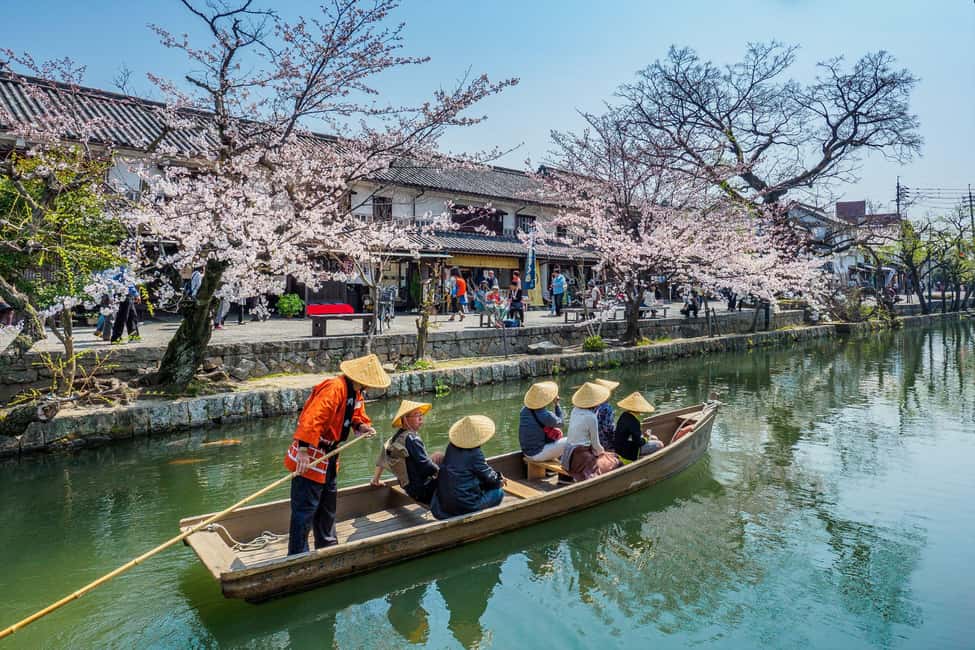
You’ll also want to time your photos around the classic Togetsukyo Bridge area. Even if you don’t plan an exact photo route, getting down to the river views and bridge angles early usually helps you avoid the worst congestion. Arashiyama’s charm is partly visual (bamboo corridors, seasonal scenery) and partly sensory: shade from the bamboo, cool air under trees, and that feeling of walking into a quieter pocket of Kyoto.
What to watch for: your Arashiyama window is limited, so don’t burn time figuring out where to go first. Pick one “main goal” for this stop—bamboo trails OR bridge area—and treat the rest as bonus. This keeps you relaxed instead of rushed.
Nara Park deer: how to enjoy the 1,000+ herd without stress
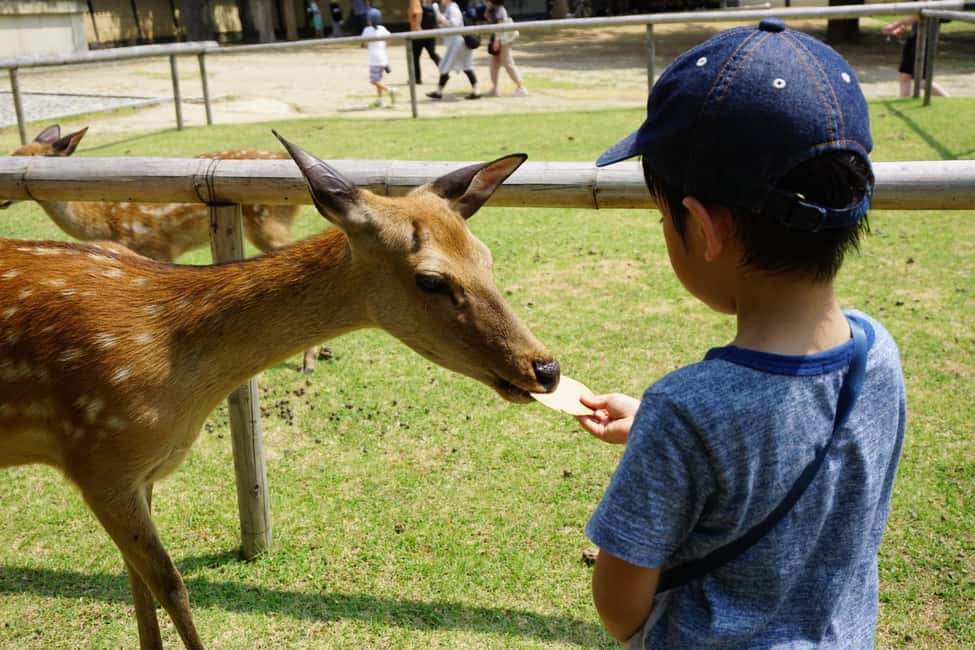
Nara Park is famous for a reason. When you arrive, the first thing you notice isn’t a building—it’s movement everywhere. You’re stepping into a green space where hundreds of deer roam freely, and this area can include over 1,000 deer at peak moments.
The deer are considered messengers of the gods, and there’s a long cultural relationship here—more than a thousand years. You’ll see how the park works with that tradition: deer aren’t just background animals. They feel like part of the shrine-and-grounds experience.
Here’s the practical part. You’ll enjoy this stop more if you treat the deer like wildlife, not like pets you can fully control. Keep your space. Don’t chase. Stay aware of your footing—there’s a lot of foot traffic, plus animals moving across paths.
Smart approach for your photos: go wide first (for the herd scenes), then move closer once you spot deer calmly standing or walking. If you try to get close instantly, you’ll spend energy dealing with sudden movement and the rest of your park time will feel tight.
Fushimi Inari Taisha’s torii tunnel: the climb, the views, and the timing
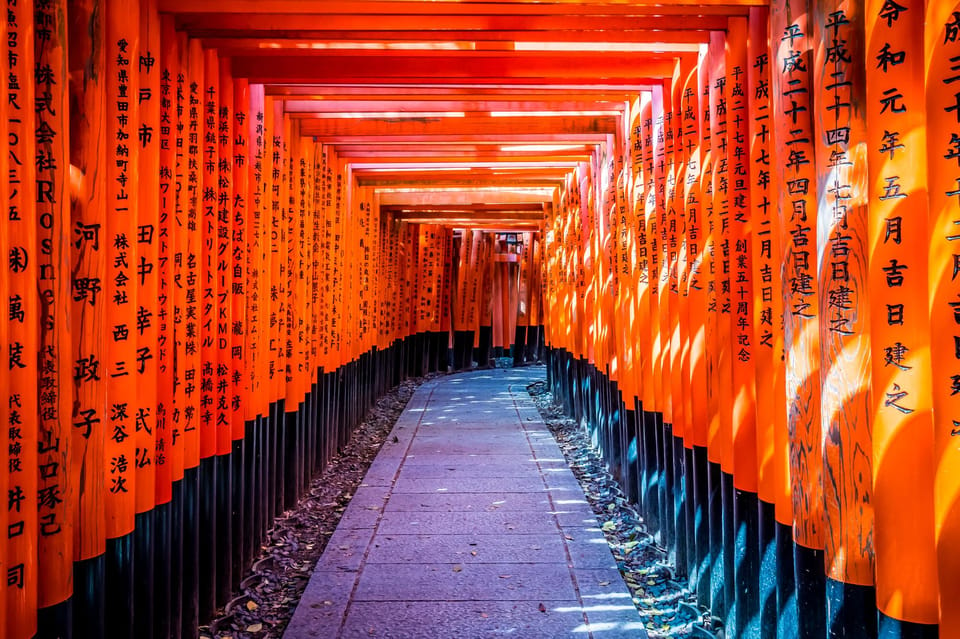
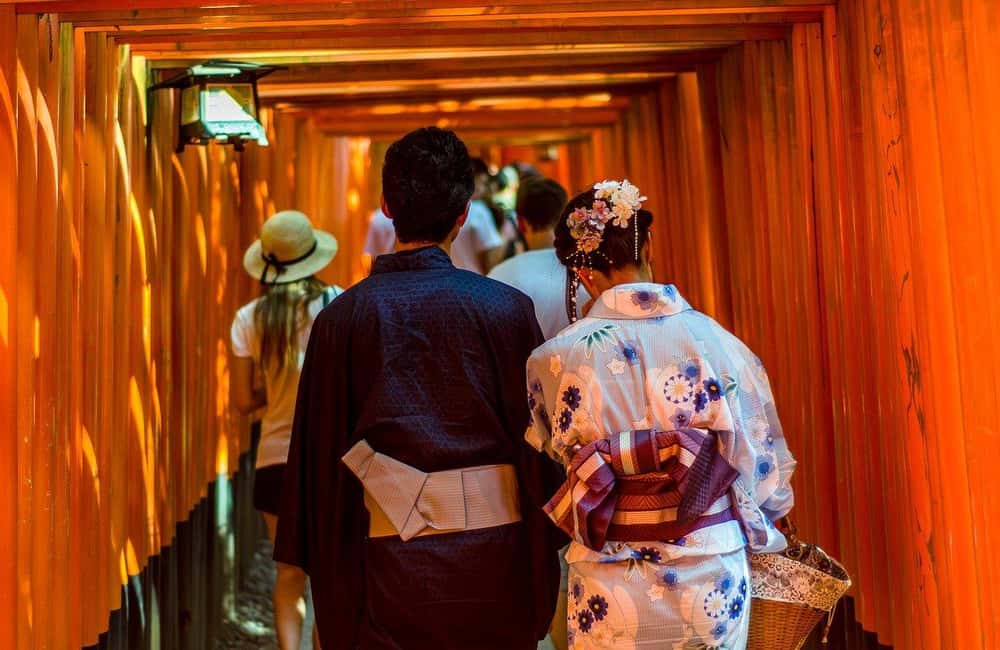
Fushimi Inari Taisha is the climax. This is the headquarters of roughly 30,000 Inari shrines across Japan, and it traces back to 711 AD. That scale matters when you’re standing in the right place: this isn’t one gate and done. It’s a sacred walkway filled with torii, famous for the long corridor feel.
The tour highlights the spectacular 10,000 red torii gate experience, and the best way to enjoy it is to walk slowly and let the tunnel effect build. You can keep things simple and just wander through the main paths, or you can choose to climb higher depending on your energy. Either way, the feeling is “otherworldly” in a way that still works even if you’ve seen photos already.
Timing tip: your visit window here is relatively fixed, so plan how you’ll spend it. If you want the full torii tunnel photo run, don’t spend the first 15 minutes stopping to check maps repeatedly. Get oriented fast, then commit to a route loop.
Possible drawback: if you’re the type who likes quiet, this stop can get busy. Expect crowds on popular sections, and don’t take it personally—it’s part of the experience.
How the guide (and the small-group bus) actually shapes the day
This is a guided day, but not in the “follow me every minute” way. Included with the tour is a Chinese/English/Korean/Japanese-speaking guide, and the group can be small. In smaller groups, the driver may also serve as a guide with basic onboard commentary.
The best version of this tour feels smooth: clear instructions, quick orientation, and guidance on where to go once you arrive. Past groups have credited guides like Levi, CC, and HuaHua for making things run well—helpful information and a kind, steady approach.
Now for reality. One guest reported a very bad experience when the group departed without them after they arrived at the meeting point with children; they couldn’t reach the guide and were told to catch up at the next stop. That’s not something you should assume will happen every time, but it’s a good reminder of how bus tours work: if you’re late, you may be left behind. Don’t test the system.
My advice: arrive early at check-in and be ready to board when the staff signals. If meeting points vary by option, double-check where your group is supposed to gather before you head out.
Price and value: why $51 can be a good deal (or not)
At $51 per person for about 10 hours, the value is mostly in what you don’t have to manage:
- Transport between Osaka and Kyoto, plus the long day connections
- Toll, parking, and fuel fees included
- A guide plus basic coordination so your day doesn’t collapse into transfer stress
That matters when you’re juggling multiple big sights that are not all next-door to each other. If you’re new to the area, paying for a structured route can be cheaper than the time you’d spend figuring it out—and it’s often more comfortable when you’re moving with kids, older family, or just want a straightforward plan.
But there’s another side. One person felt the same stops could be done more easily and quickly using public transport, without the haste of keeping to bus timing. That view makes sense if you:
- Know how to read transit signage
- Don’t mind switching lines
- Want maximum freedom to linger, snack, or change your route on the fly
So what should you do with the price? Treat it as a convenience fee for a high-output day. If your priority is low effort and stress-free coordination, $51 can feel fair. If your priority is control, you might prefer DIY.
What the schedule feels like in real life
Your day is built around multiple travel segments, with sightseeing windows that are intentionally short-to-medium:
- Arashiyama has about 2 hours for independent exploration.
- Nara Park has around 80 minutes.
- Fushimi Inari has roughly 1.5 hours for free time.
There’s also time for getting between stops, which is a big reason the day is packed. The tour may arrive early or finish earlier depending on closures, limited visiting hours, traffic, or weather. That’s normal for a road-based plan.
Important rule: food is not allowed in the vehicle. If you need snacks, plan to buy them before boarding or during your site breaks.
Practical tips so you enjoy every stop
A few things will make the day smoother, even if the schedule shifts:
- Wear comfortable shoes. Torii corridors and park paths add up fast.
- Keep your phone charged. The day includes several self-guided areas with lots of choices.
- Decide your “must-do” at each stop. If you try to do everything everywhere, you’ll feel rushed.
- Bring cash or a card for food on your own time, since meals aren’t included.
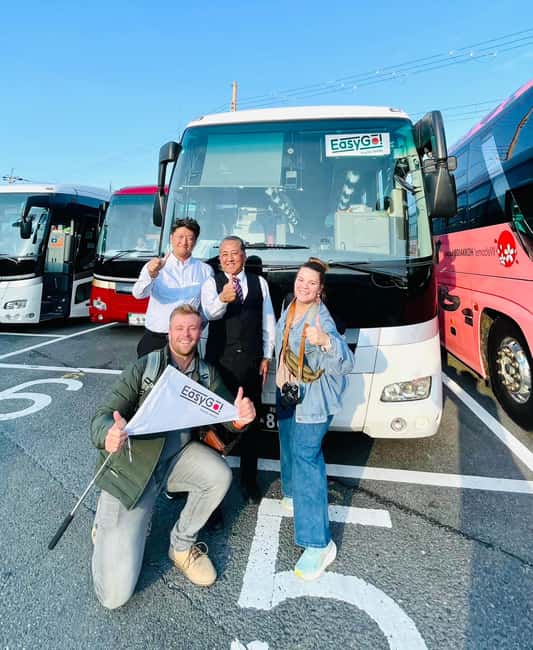
- Watch the meeting point details. The meeting location may change depending on the option you book, and you check in with staff wearing an Easy Go vest or flag.
Who should book this tour, and who should skip it
This tour is a good fit if you want:
- A straightforward one-day plan that links Osaka and Kyoto sights efficiently
- Time at Arashiyama, Nara Deer Park, and Fushimi Inari Taisha without complicated planning
- The comfort of a guide to handle transport coordination and core site context
It may not be the best fit if you:
- Hate bus days or want a slow, flexible pace
- Are counting on a specific language experience. English and Korean support may be available by request, but it’s not guaranteed.
- Need long, relaxed time in each place. The stop durations are real, and you’ll move on.
Should you book this Osaka–Kyoto–Nara day trip?
If you’re a first-time visitor who wants big highlights in one day, I think this is worth considering. The mix is strong: Arashiyama’s bamboo, Nara’s deer chaos (in a good way), and Fushimi Inari’s torii tunnel all in a single loop makes it a practical use of limited time.
Book it if you’re okay with a structured schedule and you show up early for check-in. Skip it if you want deep, unhurried exploration—or if you already know you’ll manage trains confidently and prefer DIY freedom.
In short: it’s a convenience-heavy, high-output day. If that matches your travel style, you’ll likely come away feeling you “covered the classics” without the planning headache.
FAQ
What stops are included on the tour?
The tour includes Arashiyama, Nara Park (deer area), and Fushimi Inari Taisha.
How long is the experience?
The duration is listed as 10 hours.
What time do we have at each site?
You get about 2 hours in Arashiyama, around 80 minutes in Nara Park, and about 1.5 hours at Fushimi Inari Taisha.
Is the tour guided at the shrines and park?
You have a guide onboard with basic commentary, and the stops are largely free time for self-guided exploring.
What languages are available?
The tour is mainly conducted in Chinese. English and Korean may be available upon request, depending on arrangements.
Are meals included?
No. Meals and beverages are not included.
Is food allowed on the bus?
No food is allowed in the vehicle.
Where do I meet the group?
Meeting points may vary depending on the option booked. Staff wearing an Easy Go vest or flag will be at the meeting point for check-in.
Is this tour wheelchair accessible?
Yes, it is listed as wheelchair accessible.
What if weather or traffic affects the schedule?
The itinerary may change due to traffic congestion or poor weather, and timing at each site may vary. In severe weather or disasters, the tour may be canceled.