REVIEW · OSAKA
Matcha Tea Bowl Experience in Osaka
Book on GetYourGuide →Operated by Tocoton LLC · Bookable on GetYourGuide
Carving a matcha bowl in Osaka feels personal. You get to shape a one-of-a-kind matcha tea bowl using the traditional kurinuki technique, then learn why it matters in the tea ceremony.
I love the hands-on craftsmanship and the way Anna explains not just the steps, but the cultural logic behind them. I also like that you leave with a usable souvenir, plus a ceramic gift, not just photos. One drawback to consider: your bowl gets shipped about two months later, and shipping costs are not included.
Here’s the upside that makes this workshop worth your time: it’s private and relaxed, with real attention to your bowl design and the little finishing touches. The process is beginner-friendly, and Anna studies ceramics in Osaka, so you’ll get clear guidance from someone who connects technique to tradition. The main consideration is space and mobility; this isn’t adapted for wheelchair users and it’s not suitable for children under 6.
In This Review
- Key Things You’ll Notice Right Away
- Kurinuki Matcha Bowl in Osaka: A Craft Souvenir With Real Meaning
- Meeting at JR Teradacho: Easy Start, Clear Direction
- Step One: Enter the Traditional Workshop and Meet Anna
- Carving Your Chawan With Kurinuki: Create a Design That’s Yours
- Tea Culture Lesson: What a Matcha Bowl Does in the Ceremony
- The Optional Combo Workshop With Kiyomi and Masako
- Price and Value: Is $83 Worth a 90-Minute Bowl?
- Logistics That Make or Break Craft Time
- Who This Osaka Matcha Bowl Workshop Fits Best
- Should You Book This Matcha Tea Bowl Experience?
- FAQ
- How long is the Matcha Tea Bowl Experience?
- Is it beginner-friendly if I have no pottery experience?
- Do I make matcha and eat Japanese sweets during the workshop?
- Can I choose the color of my bowl?
- Will I receive the bowl after the workshop, or do I take it home immediately?
- Is it wheelchair accessible and suitable for young children?
Key Things You’ll Notice Right Away
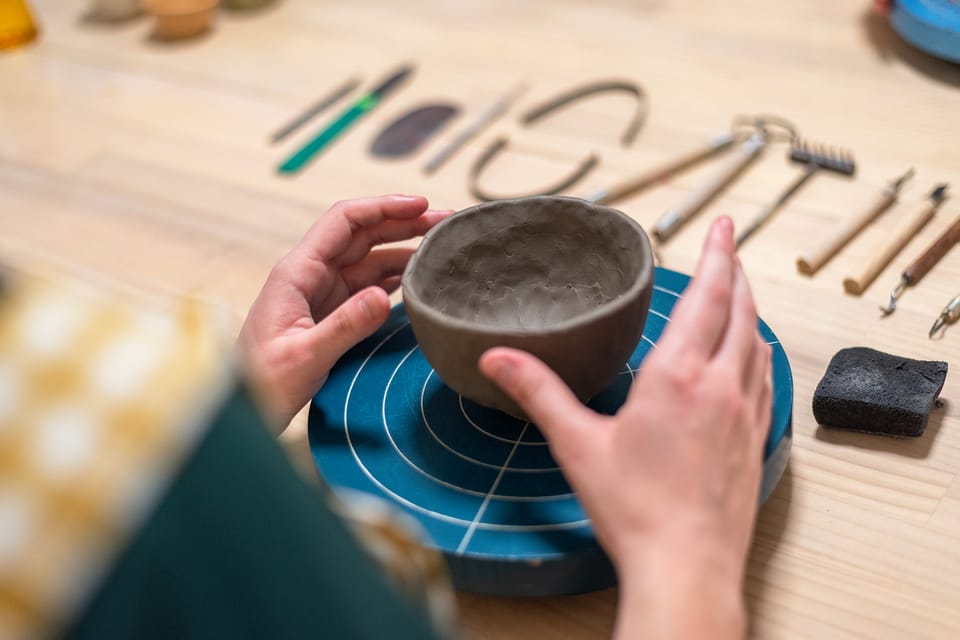
- Kurinuki carving for wabi-sabi charm: You’ll carve the clay with tools to create a truly individual look.
- You sign your bowl in Japanese characters: It’s a small step, but it adds meaning fast.
- Matcha + sweets come right in the experience: You drink tea alongside traditional treats.
- A private, English/Spanish-friendly workshop: You can choose English or Spanish, and the instructor list also includes Catalan and Japanese.
- A bowl you can use at home: The finished piece is made to be lived with, not just displayed.
- A ceramic gift is included: You don’t leave empty-handed even before shipping.
Kurinuki Matcha Bowl in Osaka: A Craft Souvenir With Real Meaning
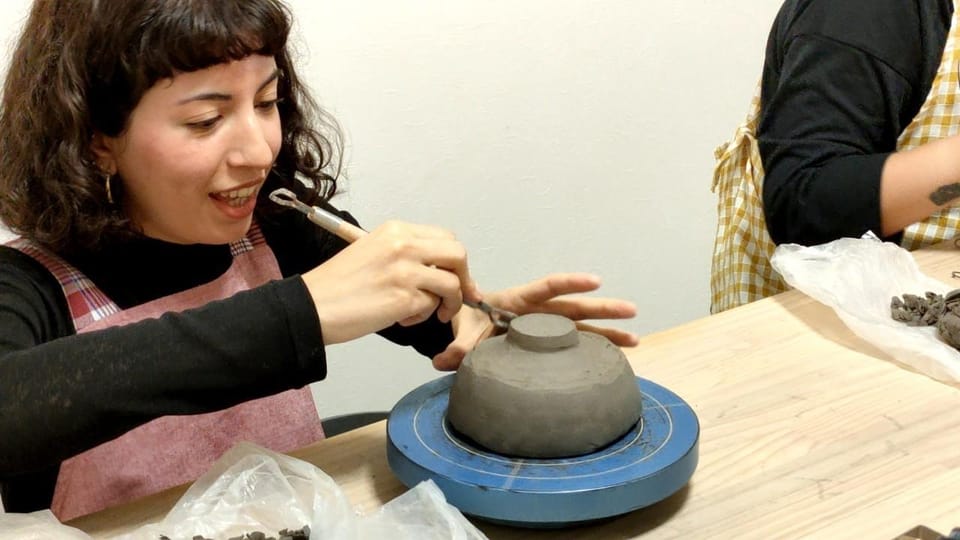
A matcha bowl, or chawan, isn’t just a container. In Japanese tea culture, it’s a centerpiece—something chosen for feel, shape, and character, not perfection. That’s why this workshop works so well as a souvenir: you’re making a bowl with a story baked into it from day one.
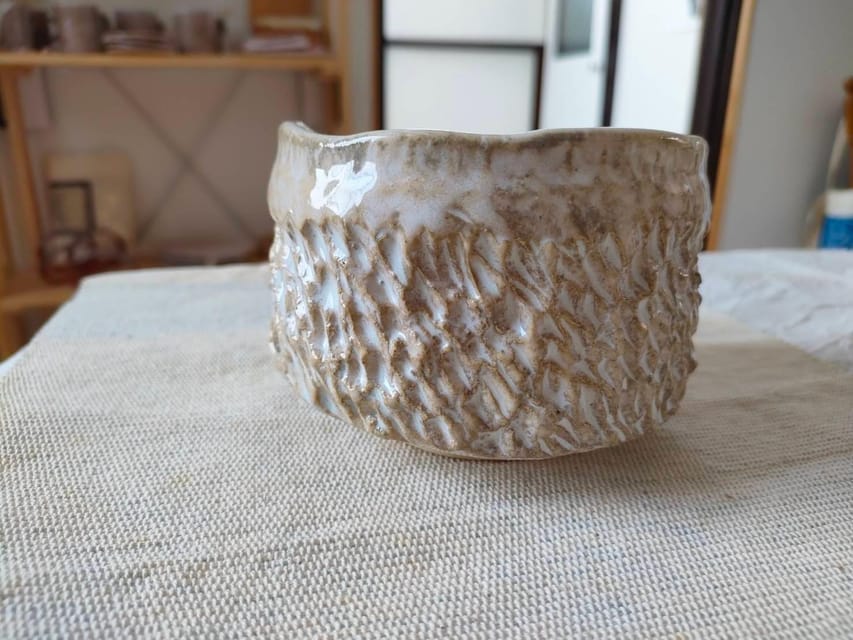
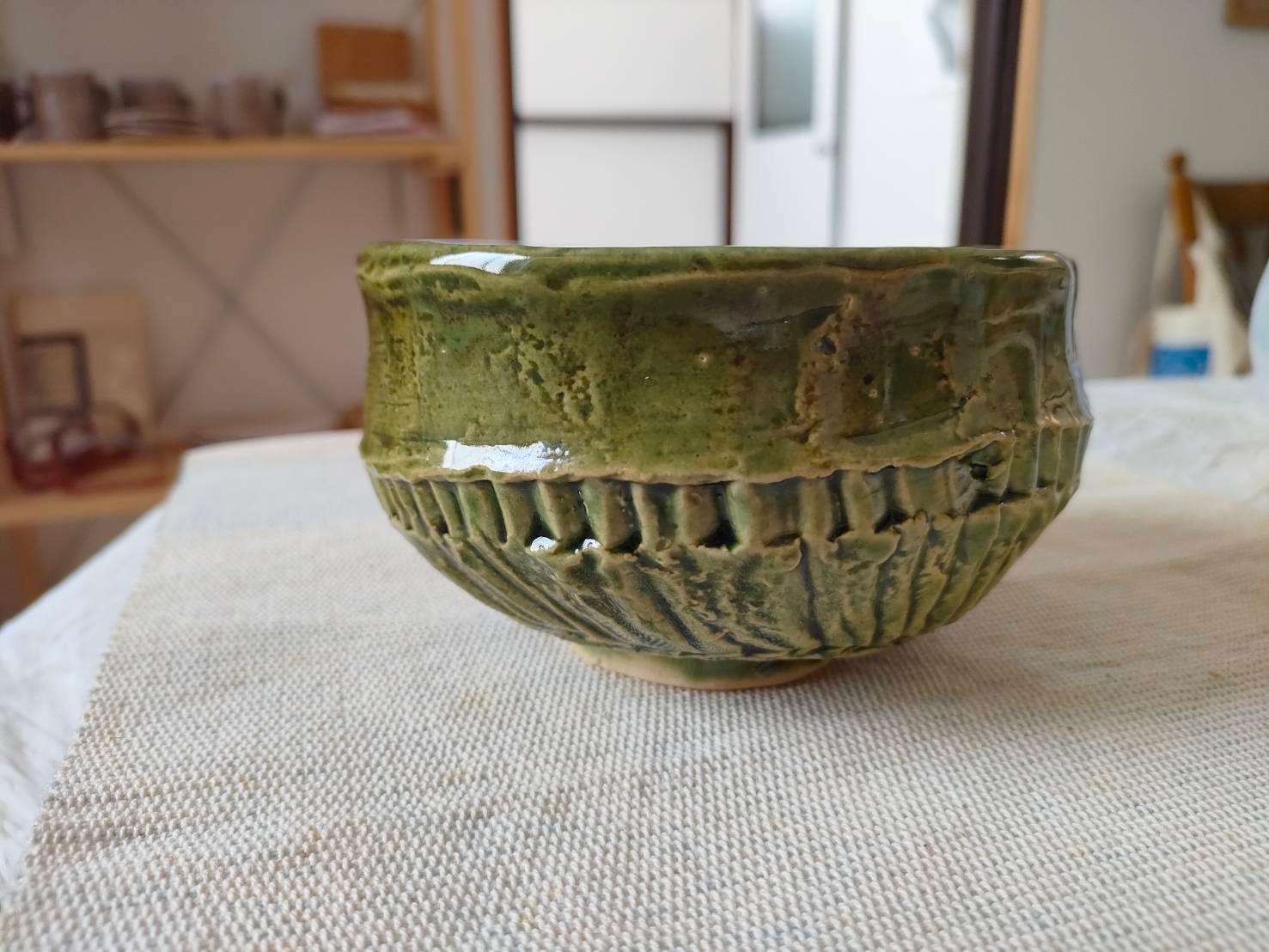
The core skill here is kurinuki, a traditional carving method. Instead of painting over clay or doing surface decoration only, you carve and shape the form itself. The results often lean into wabi-sabi character—subtle irregularities and handmade texture that look better the more you look. If you like travel keepsakes that don’t feel mass-produced, this is the type of item you’ll genuinely keep using.
The workshop also ties the craft to the tea ceremony context. So you don’t just leave with a cool object; you leave with reasons. Those reasons are what make the bowl feel like part of your trip, not a receipt you mailed back home.
You can also read our reviews of more tours and experiences in Osaka.



Meeting at JR Teradacho: Easy Start, Clear Direction
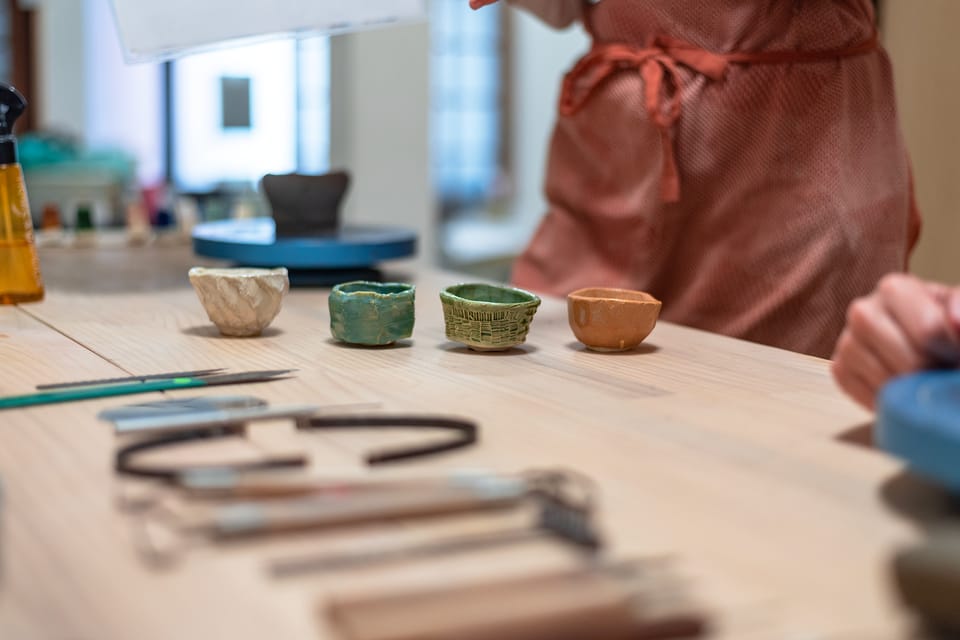
This experience is designed to run smoothly, starting with location. You meet at JR Teradacho Station (north exit). You’ll recognize the staff because they carry a sign that reads Ceramics Tocoton.
Even better, station pick-up service is included, which helps when you’re adjusting to Osaka transit and don’t want to waste workshop time figuring out the last 200 meters. Your session is also private, so you’re not trying to manage a crowd while you’re learning a careful technique.
Timing matters here. The workshop is about 90 minutes to 2 hours, so plan to arrive early enough that you can settle in without rushing. If you’re running late by more than 15 minutes, you’ll need to contact them—otherwise it can be treated as a no-show. That’s pretty standard for craft classes, but it’s worth taking seriously.
Step One: Enter the Traditional Workshop and Meet Anna
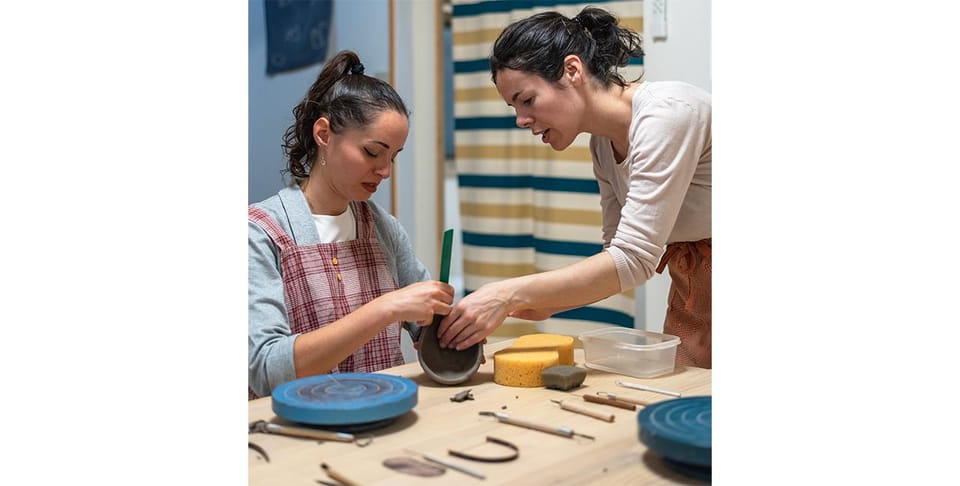
The workshop is led by Anna, a ceramist who studied ceramics in Osaka. That matters because you’re not just getting a translation of instructions. You’re getting someone who can connect the material and the culture side by side.
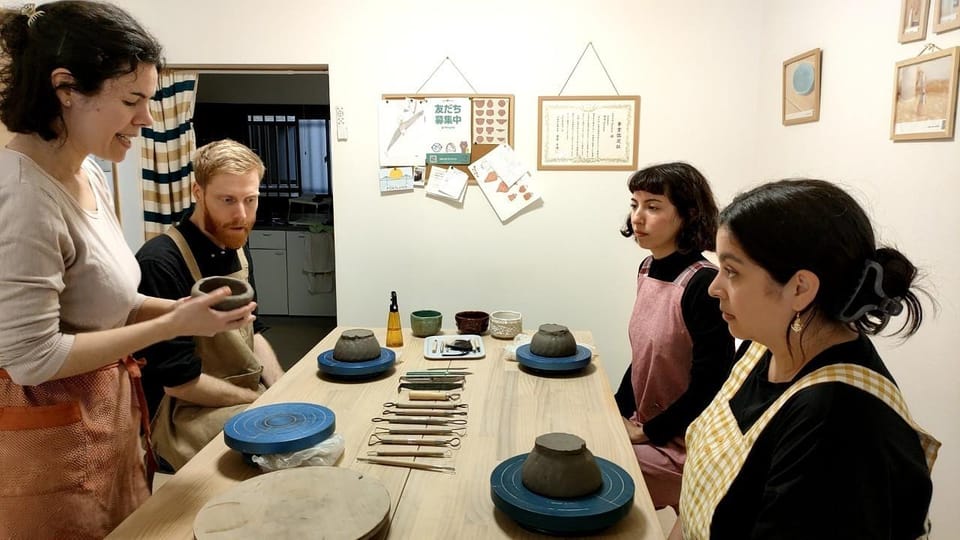
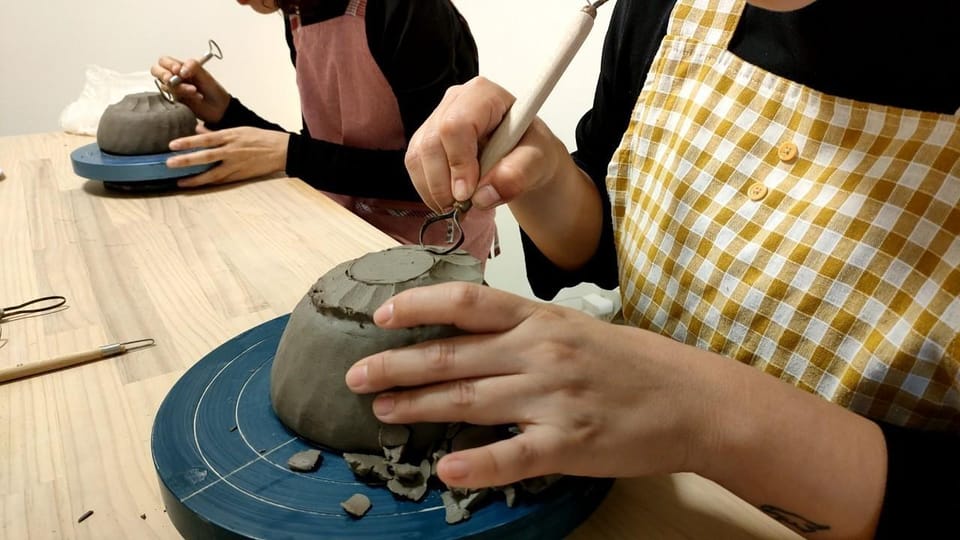
In the workshop space, you’ll go from explanation to action quickly. There’s no heavy lecture marathon. You’ll learn what to do, then start carving and shaping your design. The format is beginner-friendly, with no prior experience required.
One practical upside from how this is run: Anna doesn’t just tell you what a “good bowl” looks like. She guides you through the process while you work, which helps if you get momentarily stuck. Even if you’re the type who worries about messing up handmade pottery, the pacing and guidance keep it from turning stressful.
Carving Your Chawan With Kurinuki: Create a Design That’s Yours
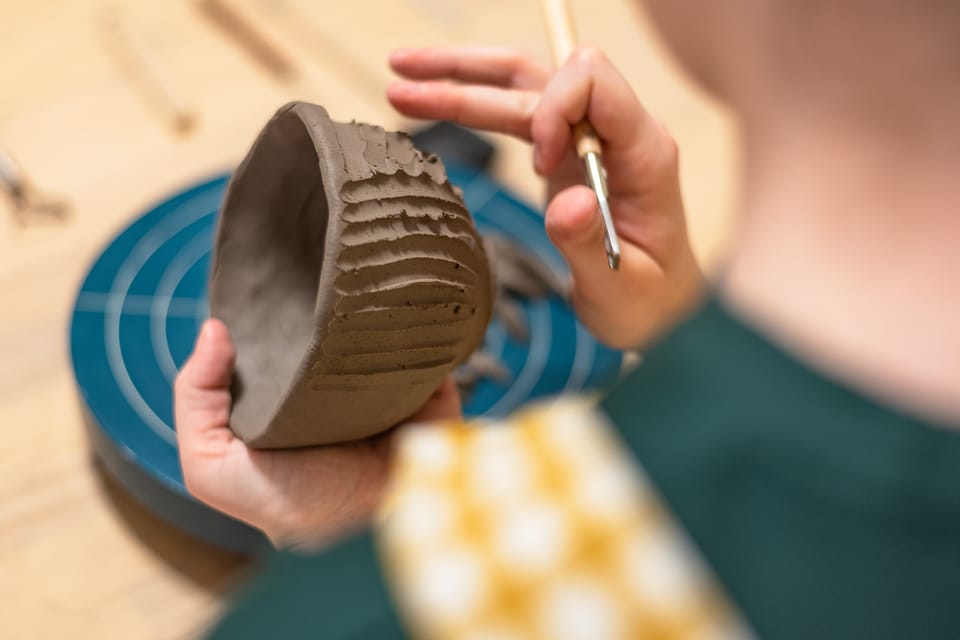
This is the heart of the experience. You’ll decorate your matcha bowl using kurinuki, carving the clay with different tools. The goal is not copying someone else’s pattern. The goal is to develop a design that fits your own taste and your own hand.
During the session, you’ll also have the chance to sign your bowl using Japanese characters. That’s a small detail, but it makes the finished bowl feel personal in a way a printed label never can. It also fits the tea mindset: bowls often hold identity, not just style.
At the end of the workshop, you choose the color of your bowl. That choice affects the final look after firing and finishing, so even though you’re doing the hands-on carving in the session, you still get a meaningful say in how the final piece feels.
What you’re really making is a bowl with a deliberate “handmade” logic. In tea culture, that’s the point. Tea is about atmosphere—how things feel in the moment—and a wabi-sabi bowl supports that mood.
Tea Culture Lesson: What a Matcha Bowl Does in the Ceremony
This workshop doesn’t treat the tea ceremony like an optional trivia segment. The cultural explanation is part of the experience, so your bowl doesn’t float in a vacuum.
You’ll talk about the role of the chawan in traditional tea ceremony practice, along with other elements of Japanese tea culture. The value of this is simple: when you understand where the bowl fits, you can use it at home with more intention.
Then comes the payoff. You’ll enjoy a drink as part of the session. You’ll also prepare matcha tea and Japanese sweets to accompany it. That pairing matters because sweets shift your palate and your mood, and tea culture often treats the whole experience as one coordinated flow.
If you’ve ever watched tea ceremony videos and wondered why people slow down so much, this is a good chance to feel the “why” behind the pace. Even if you never become a tea-ceremony expert, you’ll walk away knowing what to respect and what to notice when you use the bowl later.

The Optional Combo Workshop With Kiyomi and Masako
If you want the tea ceremony side to be more central, there’s an optional addition that combines two parts.
First, you learn the basics of the tea ceremony and make matcha with tea ceremony masters Kiyomi and Masako. Then you go into the bowl workshop with Anna.
This combined setup matters because it changes how you understand your bowl. Instead of only hearing cultural context, you get to experience tea preparation with guidance before you carve and shape the bowl that will eventually bring that ritual into your home routine.
In this option, Anna also has background studying pottery in both Osaka and Barcelona, which can add an interesting perspective to how she explains technique. You finish by shaping and decorating the bowl, and you enjoy the matcha with Japanese sweets.
You also take home a small ceramic dish as a gift in this combined workshop. It’s described as perfect for enjoying sweets during tea ceremony at home, which is a nice touch because it completes the set in a practical way.
Afterward, you can explore the local area of Ikuno Ward. That’s a smart use of your afternoon if you’re staying around central Osaka and want something more textured than big-ticket sightseeing.
Price and Value: Is $83 Worth a 90-Minute Bowl?
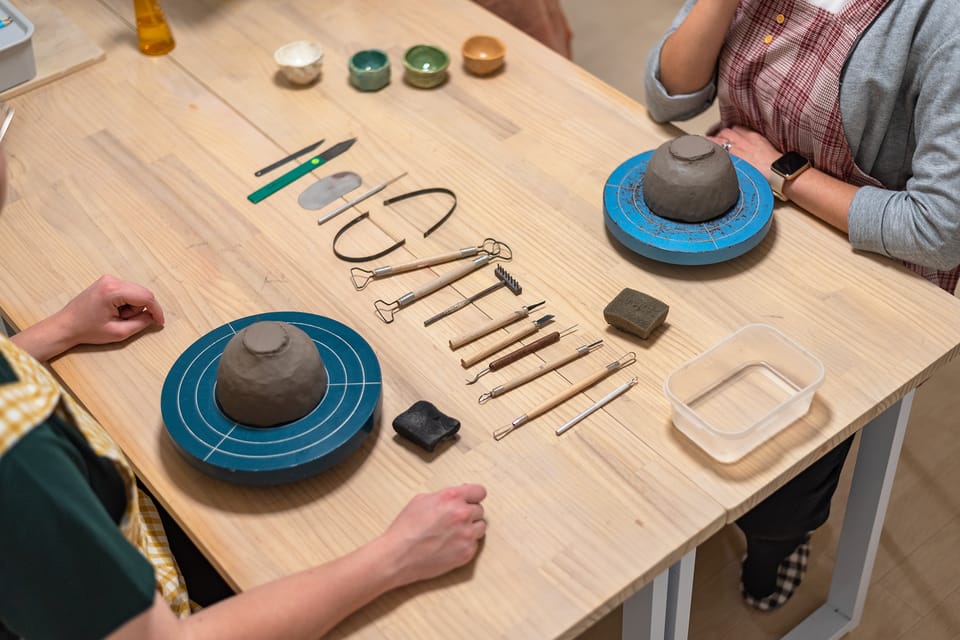
At $83 per person, this workshop sits in the “you’re paying for craft and care” category, not the “cheap activity” category. The question is what you actually get for that price—and here, the package is clear.
You’re paying for:
- A guided, beginner-friendly kurinuki carving session led by Anna
- Cultural explanations tied to how the bowl functions in tea practice
- Matcha tea and Japanese sweets
- A ceramic gift
- Station pick-up service, which saves time and stress
- A finished bowl that will be shipped about two months later (shipping costs not included)
The big value point is the finished souvenir. You’re not carving a small token and leaving with it immediately. Your bowl gets fired and finished later, which means you’re funding a real production step—not just a DIY craft you can do at home. And since this is a private group experience, it’s easier to ask questions and get help without watching a screen or copying from a demo.
Your main “watch-out” is the shipping timeline and added shipping cost. If you need the bowl before a specific date, plan ahead. If you’re okay with receiving it later, then $83 feels closer to “paying for a real handmade object” than “paying for a class.”
Logistics That Make or Break Craft Time
Craft workshops can go sideways when you miss the schedule or struggle with transit. This one is built to reduce that risk.
You meet at JR Teradacho Station (north exit) and you’re met by staff holding a Ceramics Tocoton sign. If you’ve never used Osaka rail before, the station pick-up service included can be a real relief.
Also, the workshop isn’t built for wheelchair access. The space is not adapted, and it’s not suitable for children under 6. So if mobility is part of your travel planning, it’s worth considering other options.
Finally, keep your timing tight. If you’re going to be more than 15 minutes late, you need to contact them, or it may be marked as a no-show. With craft and firing schedules, they have to protect the flow.
Who This Osaka Matcha Bowl Workshop Fits Best
This experience is a strong fit if you like travel souvenirs that are functional, not just decorative. You’re making something tied directly to Japanese tea culture, and you’ll learn how to use it—at least conceptually—when you’re back home.
It’s also ideal if you want a slower, calmer activity in Osaka. The format is private and workshop-based, so you’re not sprinting between landmarks. If you’re the type who enjoys hands-on learning—especially learning with a teacher correcting small mistakes—you’ll likely feel at ease in the session.
If you’re traveling with friends or family and want a shared creative task, private setup makes it easier to enjoy the moment without crowd noise.
Where it might not fit: if you need a souvenir instantly, or if receiving the bowl by mail in about two months doesn’t work with your plans.
Should You Book This Matcha Tea Bowl Experience?
I think you should book it if you want an authentic Osaka craft experience that ends with a real handmade bowl, plus a drink and sweets in the tea context. The kurinuki technique, the option to sign the bowl in Japanese characters, and the cultural explanation around the tea ceremony make it more than a pottery class.
You should pause before booking if you’re price-sensitive, tight on dates, or you need the bowl before you leave Osaka. Shipping costs aren’t included, and the bowl arrives later.
If you’re visiting Osaka and you want one activity that feels both creative and culturally grounded, this is the kind of workshop that can become a core memory you still use at home—one tea ritual at a time.
FAQ
How long is the Matcha Tea Bowl Experience?
The workshop runs about 90 minutes to 2 hours, depending on the starting time and availability.
Is it beginner-friendly if I have no pottery experience?
Yes. No previous experience is required.
Do I make matcha and eat Japanese sweets during the workshop?
Yes. The experience includes preparing and enjoying matcha tea, along with Japanese sweets.
Can I choose the color of my bowl?
Yes. Toward the end of the session, you choose the color of your bowl.
Will I receive the bowl after the workshop, or do I take it home immediately?
Your bowl is shipped to the address you provide in about two months. Shipping costs are not included.
Is it wheelchair accessible and suitable for young children?
No. It is not suitable for children under 6 and the space is not adapted for wheelchair users.