REVIEW · OSAKA
Osaka Temple: 1-Hour Evening Zen Chill Experience
Book on GetYourGuide →Operated by japanese massage 唯一無二 -the one&only- · Bookable on GetYourGuide
Lantern light and incense slow your evening fast. This Osaka temple experience blends Zen practice, tea, and a calm, multi-sensory atmosphere at dusk. You also get into a simple yukata and leave with a smartphone photo memory.
I especially like the structure: you do incense worship, then two guided rounds of zazen with clear coaching on posture and breathing. I also love the tea finale, with chilled matcha tea, matcha ice cream, and traditional sweets served in an intimate, thoughtful way.
One drawback to plan around: it is priced as an instructor-led, small-group ritual ($64), and you’re committing to a focused 75-minute window rather than a tour with lots of stops and sightseeing.
In This Review
- Key highlights worth your attention
- Why Osaka’s temple Zen feels different at night
- Where you’ll start: finding the meeting point without the maze
- Incense offering and worship ritual: what you’ll do and why it’s worth your attention
- Kneaded-incense meditation: clearing your mind with scent and touch
- Zazen in two 10-minute rounds: posture, breathing, and how it stays doable
- Matcha tea ceremony, chilled: the tasty way the tradition lands
- Yukata and a smartphone photo: a simple souvenir with real payoff
- Group size and price: is $64 worth it?
- Timing: 75 minutes booked, about 60 minutes of experience
- Who this is perfect for (and who should skip it)
- Should you book this Osaka Temple Zen Chill Experience?
- FAQ
- How long is the experience?
- How many people are in the group?
- What’s included in the session?
- What happens during the meditation?
- Is there a tea ceremony?
- What languages are available?
- Where do I meet the guide?
- What should I wear?
- What’s the cancellation policy?
- Is it offered as a private experience?
Key highlights worth your attention
- Incense worship with explanations: ritual steps plus the meaning behind them
- Kneaded-incense meditation: a scent-and-sensation technique to reset your mind and body
- Two 10-minute zazen sessions: seated meditation with posture and breathing guidance
- Chilled matcha and matcha ice cream: a practical, tasty way to learn the spirit of tea
- Yukata + smartphone photo: you’ll look the part, and someone handles the photo
- Small group of up to 3: calmer attention, less waiting around
Why Osaka’s temple Zen feels different at night
Even if you’ve tried meditation before, a temple session at dusk has a way of making the whole practice feel more grounded. The evening setup leans on gentle light, incense, and quiet sounds rather than the usual hustle you might expect in a big city. That matters because Zen instruction works best when you can actually hear yourself think.
This experience is built for focus. You’re not just watching a performance. You participate in worship, guided seated meditation, and a tea moment that connects taste with tradition. And you do it in a small group, capped at three participants, so the instructor can pace the teaching to the people in front of them.
You can also read our reviews of more evening experiences in Osaka



Where you’ll start: finding the meeting point without the maze
Location advice is part of making this work smoothly. The easiest way to show up is to enter Japanese Massage -the one&only- in Google Maps. If you search by the temple name, you can end up near the back entrance and get turned around.
If you’re still stuck, search for the restaurant Tossa de coracao. The meeting area is right next to it. It’s a small logistical detail, but it can save you from walking the wrong side of a quiet temple approach while you’re trying to keep the timing of a ritual experience.
Incense offering and worship ritual: what you’ll do and why it’s worth your attention
The core of the session starts with a sacred Buddhist ritual of worship and incense offering. You’re not left to guess what to do. You’ll get detailed explanations about the history and significance of what you’re performing, which turns incense burning from a background activity into something purposeful.
You’ll also notice how instruction keeps the moment respectful and orderly. That’s the point for most people: you want to participate without turning it into a photo opportunity first and a ritual second. Here, the explanations help you understand what the actions symbolize, so you can follow along calmly.
One neat added layer is the way scent becomes a teaching tool. Incense is not just smell. In this format, it’s a cue for presence—something you experience through your senses while learning the meaning behind the practice.
Kneaded-incense meditation: clearing your mind with scent and touch
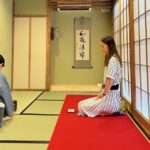
After worship, you shift into a special meditation using kneaded incense. The idea is simple: you use a physical, sensory ritual to help clear and refresh your mind and body.
What makes this worth your time is that it gives you a clear anchor. If meditation usually feels abstract, a scent-and-physical approach can make it easier to stay with the moment. You’re guided through how to approach it, and the method is described as a way to reset rather than just “sit and hope.”
This part also helps you transition from ritual participation into a quieter mental state. Worship has structure and meaning. Then kneaded incense becomes a bridge into stillness, which is a smooth progression if you like your experience to feel intentional instead of random.
Zazen in two 10-minute rounds: posture, breathing, and how it stays doable
You’ll do two separate 10-minute zazen (seated meditation) sessions, led by an instructor who explains the origins, meaning, posture, and breathing techniques. Two rounds matters more than you might think.
First, it makes the session feel approachable. Ten minutes is challenging but manageable, especially when you’re learning technique. Second, it gives you a chance to absorb what you learned and then apply it again with fresh attention. You’re not forced to struggle for an entire stretch without feedback.
The coaching focus is also practical. You’ll be guided on posture—how to sit—and breathing—how to approach breath without making it complicated. That combination helps beginners, and it also helps experienced meditators who want to tighten technique with a teacher in the room.
If you’re someone who worries about doing meditation wrong, this is a major strength. You’re taught the how, not just the idea of zen.
You can also read our reviews of more tours and experiences in Osaka

Matcha tea ceremony, chilled: the tasty way the tradition lands
After meditation, the session finishes with a refined tea experience featuring chilled matcha tea and matcha ice cream, plus original Japanese sweets. You’ll savor the delicate sweetness while learning about the deeper history and spirit of the tea ceremony.
This tea portion works because it’s not only dessert. It’s a continuation of the same theme you experienced in incense and zazen: attention and calm. Even if you’re hungry, the format slows you down. You taste deliberately, and the explanations give context for why tea is treated as more than a drink.
The chilled angle is also a smart detail. It keeps the finish feeling light and refreshing rather than heavy. And pairing matcha tea with matcha ice cream lets you explore the flavor in two textures, which makes the moment memorable even if you’ve had matcha before.
A few people also noted that the ending feels intimate and unhurried, which makes the tea section feel like a real conclusion to the practice rather than a quick stop.
Yukata and a smartphone photo: a simple souvenir with real payoff
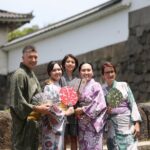
You’ll wear a simple yukata during the experience. Then you’ll have your photo taken with your smartphone.
This is more than dressing up. In a temple setting, the yukata helps you move with the occasion. It signals you’re stepping into a different pace, not just attending an activity. And since the photo is taken for you, you don’t spend your attention scrambling for a good angle while trying to stay respectful and present.
Some people also mentioned a stamp of the temple as part of the experience. That’s worth asking about if you’re the kind of traveler who likes tangible takeaways.
Group size and price: is $64 worth it?
At $64 per person for a 75-minute total booking, you’re paying for an instructor-led, small-group format with multiple parts: worship and incense burning, kneaded-incense meditation, two guided zazen sessions, a matcha tea experience with sweets and matcha ice cream, plus yukata and a smartphone photo.
That’s the key value math: this isn’t a single workshop. It’s a full sequence, and the small group cap of three helps maintain quality and attention. If you’ve ever done tours where you’re herded through stations, this feels different because the pace is shaped around the group in front of the instructor.
Is it expensive for Japan? It’s not the cheapest thing on an itinerary. But for what’s included—especially the guided meditation teaching and the tea ritual—it tends to feel fair. You’re paying for guidance and structure, not just access to a temple atmosphere.
Timing: 75 minutes booked, about 60 minutes of experience
The duration you’ll choose is 75 minutes, while the experience time is listed as 60 minutes. In practical terms, that means you should expect some setup time around the ritual sequence—time to settle, be introduced to what you’ll do, and transition between parts.
You’ll also be choosing a start time based on availability. If you’re sensitive to scheduling, this is a good activity to anchor your day around. It’s also a calm choice for the end of a travel day, because it’s designed to help you slow down rather than squeeze in one more stop.
Who this is perfect for (and who should skip it)
This is a strong match if you want a real practice, not just sightseeing. If you like meditation that comes with technique—posture, breathing, and guided timing—you’ll likely appreciate the way the session is built.
It’s also ideal if you enjoy Japanese culture through sensory moments: incense scent, traditional sweets, matcha, and the visual feel of lantern-lit temple quiet. And because the group is limited to three, it suits people who want a quieter, more personal pace.
You might consider something else if you want a big, multi-location city tour. This experience is focused and intentional. It’s not designed to cover lots of different places around Osaka.
Should you book this Osaka Temple Zen Chill Experience?
If you’re looking for a calming, structured evening activity with real instruction, I’d book it. The combination of incense worship, guided zazen, and a chilled matcha finish is exactly the kind of “do, sit, taste, learn” flow that leaves you refreshed instead of just entertained.
Before you go, do yourself a favor and plan around the meeting point instructions. Use Japanese Massage -the one&only- in Google Maps, or find Tossa de coracao nearby if needed. And wear comfortable clothes since you’ll sit during meditation.
Finally, if you can pick your time, one of the suggestions you’ll see from past participants leans toward going in the afternoon. Not required, but it’s a useful hint if you’re deciding between slots.
FAQ
How long is the experience?
The booking is listed as 75 minutes total, and the experience time is listed as 60 minutes.
How many people are in the group?
It’s a small group limited to 3 participants.
What’s included in the session?
Included items are worship and incense burning, Zen meditation, matcha experience (including matcha ice cream), original Japanese sweets, a simple yukata, and a photo taken with your smartphone.
What happens during the meditation?
You’ll do a meditation using kneaded incense, followed by two 10-minute zazen sessions with guidance on posture and breathing.
Is there a tea ceremony?
Yes. You’ll have a refined tea experience with chilled matcha tea and matcha ice cream, along with original Japanese sweets. You’ll also learn about the history and spirit of the tea ceremony.
What languages are available?
The instructor provides Japanese and English instruction.
Where do I meet the guide?
Use Google Maps with Japanese Massage -the one&only-. If that’s hard to find, search for the restaurant Tossa de coracao, and you’ll find them right next to it.
What should I wear?
Wear comfortable clothes.
What’s the cancellation policy?
You can cancel up to 24 hours in advance for a full refund.
Is it offered as a private experience?
It’s not marketed as a fully private tour, but it is a small group capped at three. Some participants noted it felt private when the group was very small.