REVIEW · OSAKA
Osaka: Ninja Experience Cafe in Dotonbori
Book on GetYourGuide →Operated by Jerry Inc. · Bookable on GetYourGuide
Osaka lets you play ninja for an hour. At the Ninja Experience Cafe in Dotonbori, you dress up in a full ninja costume and get real coaching on ninja weapons like shuriken and katana. I also have to flag one practical drawback: it’s on the 4th floor with no elevator, and you’ll need to plan for a costume change (avoid skirts if you can).
What makes this feel different from a basic photo stop is the setting and the structure. This is an indoor experience, so you’re not at the mercy of weather, and the staff actively help with photos and video moments. The group size is small (limited to 10), which keeps things moving and makes it easier to get individual guidance.
In This Review
- Key things to know before you go
- Ninja Mode in Dotonbori: What the Osaka Cafe Really Feels Like
- Costume Up: What You Actually Get and Why Photos Matter
- Weapon Training Flow: Shuriken, Blowgun, and Katana Steps
- The Samurai vs Ninja Lesson and Other Little Extras
- Watching vs Participating: What Non-Training Companions Can Do
- Who This 1-2 Hour Experience Works For (and Who Should Skip It)
- Value for $45: When It Feels Worth It
- Before You Go: Finding the 4th Floor and Handling Costume Changes
- Should You Book the Osaka Ninja Experience Cafe in Dotonbori?
- FAQ
- How long is the Osaka ninja experience?
- What weapons do you train with?
- Is the ninja costume rental included?
- Can I take photos if I’m not doing the training?
- Do non-participants need to buy something?
- Is the experience suitable for young children?
- Where is the meeting point?
Key things to know before you go
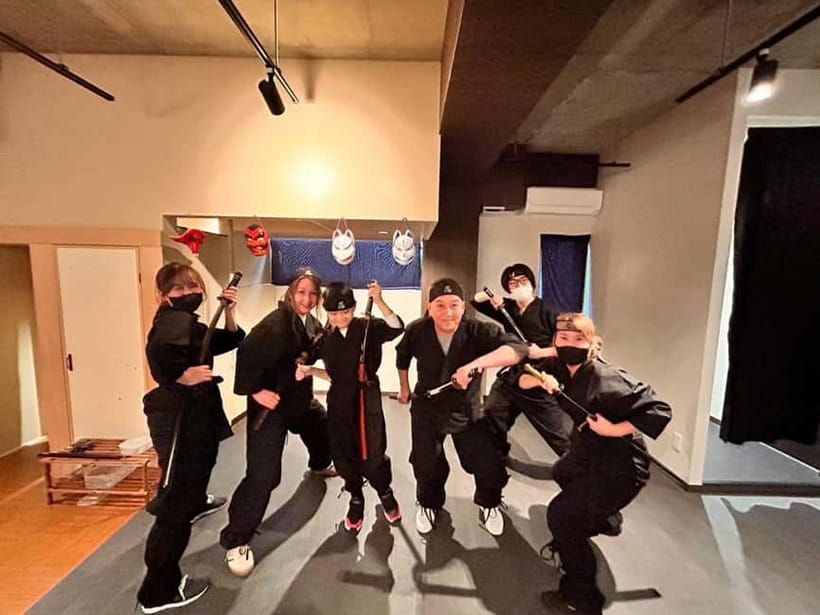
- You train with three weapons: shuriken, blowgun, and katana, not just props.
- Costume rental is part of the deal, so you actually look the part.
- Small group pacing (up to 10) means more hands-on time and less waiting.
- Photo ops happen everywhere in the cafe, and staff help you capture the best shots.
- You can also observe if you’re not doing training, with a small cafe requirement for non-participants.
Ninja Mode in Dotonbori: What the Osaka Cafe Really Feels Like
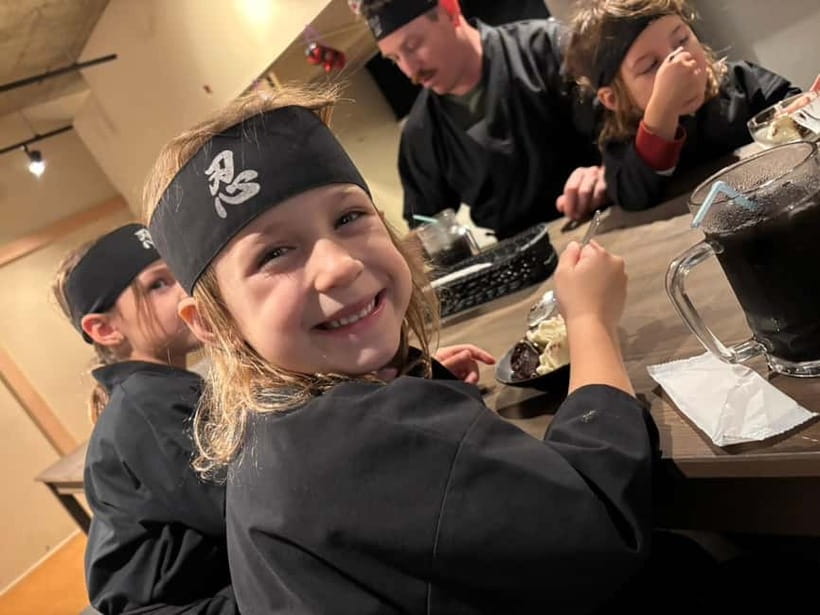
Dotonbori is all neon and energy, so it’s a little funny—and very fun—that this activity turns the volume down. Instead of walking around outside for another stop, you step into a controlled, indoor setting where the main event is you becoming a ninja.
The biggest win for me is how quickly you transition from tourist mode to action mode. One minute you’re thinking about your next train line; the next minute you’re geared up, listening to instructions, and getting into positions for training and photos. It’s not a lecture. It’s a short, guided workshop with theatrical payoff.
Also, the experience is built for mixed ages. That doesn’t mean it’s childish. It means the instructors and setup are designed so kids can participate safely while adults still feel like they’re learning something real about ninja-themed skills and tools.
You can also read our reviews of more tours and experiences in Osaka.
Costume Up: What You Actually Get and Why Photos Matter
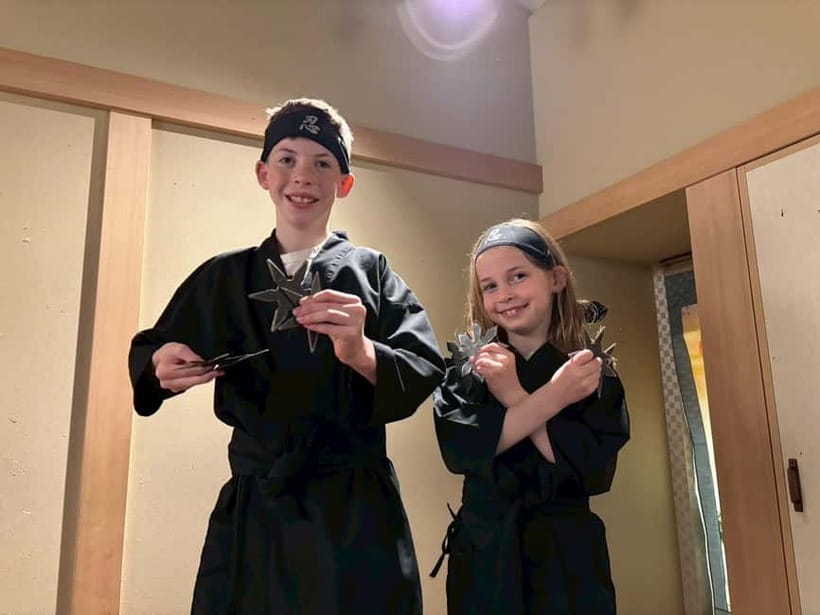
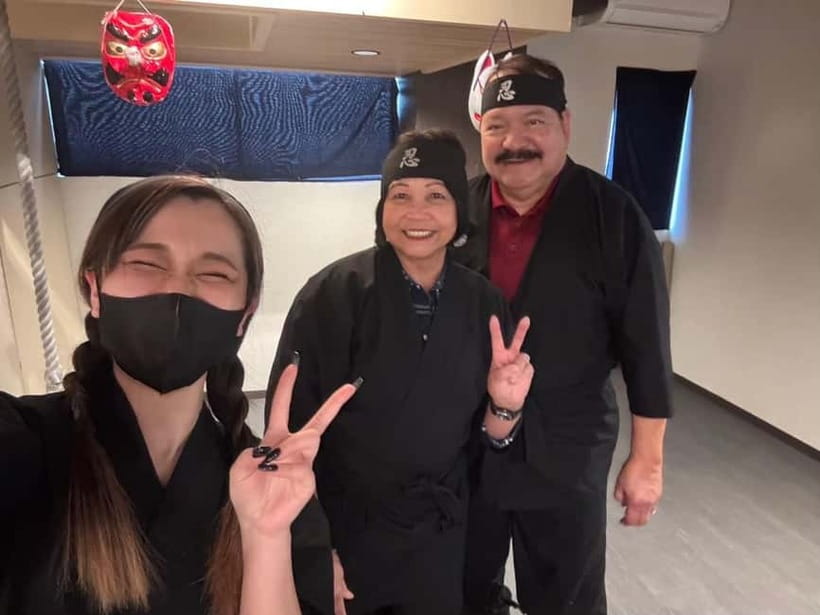
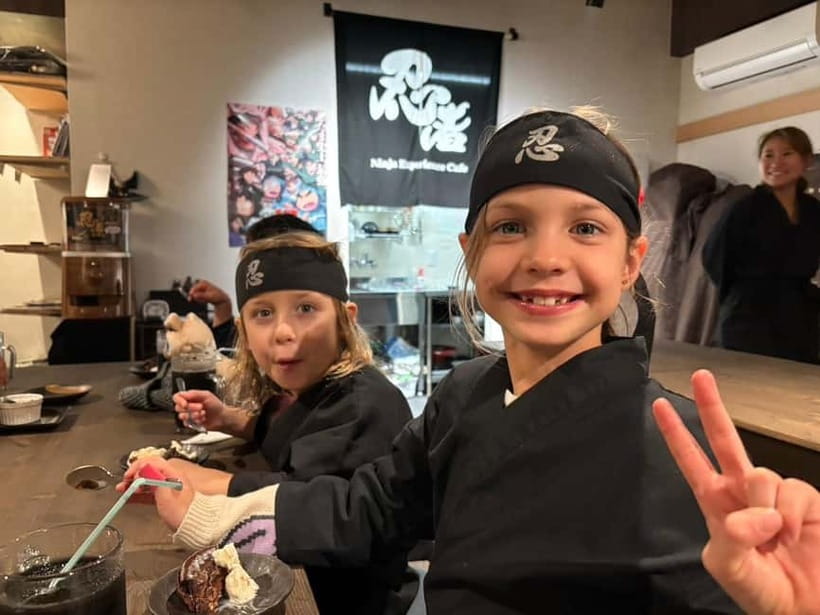
This is a costume-and-training format, so the costume rental isn’t a side perk—it’s part of the activity. You’ll change into ninja gear on-site, and the staff are there to help you through it.
Here’s the practical angle: wear clothes that are easy to change in and out of. The cafe specifically suggests avoiding skirts if possible, because you’ll need to switch into the outfit. If you’re bringing a stroller, plan for stairs—you’ll likely need to carry it up manually.
Now the fun part. Your costume doesn’t just dress you for pictures. It helps you perform. When you’re wearing the gear, you naturally adopt the stance, the timing, and the mindset that make the training and photo moments feel like a scene from a movie. Staff can help you capture the best shots, and you’re welcome to take photos around the cafe—anywhere you’re allowed to move during the experience.
If you care about getting good photos without wasting time, this is one of the strongest reasons to book. You’re not trying to coordinate everyone in a random spot. You’re working inside a planned setup.
Weapon Training Flow: Shuriken, Blowgun, and Katana Steps
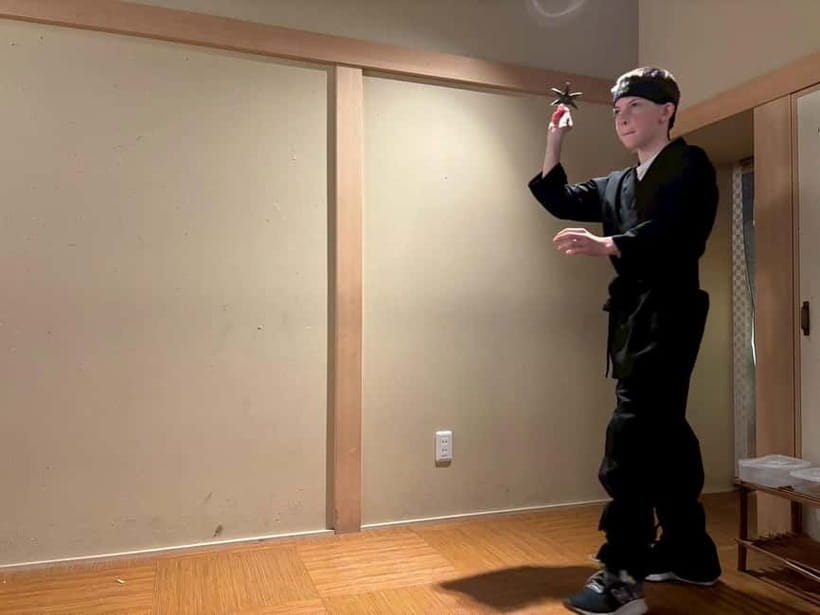
The training portion is the heart of the experience. Plan on 1 to 2 hours total depending on your starting time and pacing, and expect guidance throughout. Instructors are Japanese and English-speaking, so you can follow even if your Japanese is limited.
You’ll train with three weapon types:
- Shuriken (throwing stars): you’ll learn the basics and how to handle the technique under instruction.
- Blowgun: again, basics and technique, taught step by step.
- Katana: sword work taught with safety in mind and guided positioning.
A detail I really like is that the instructors don’t just say what to do. They coach you step by step, which matters for people who have never held anything like this. And because it’s a small group limited to 10, you’re less likely to feel like you’re waiting your turn forever.
You’ll also pick up mini-lessons along the way—ninja vs samurai sword differences come up during the session. That kind of context turns a hands-on class into something you can actually remember and repeat later, instead of it all blending together as costume fun.
The Samurai vs Ninja Lesson and Other Little Extras
Even though it’s framed as training, it has a story angle. Part of the fun is learning how ninja culture is taught through practical skills and themed explanations. In the experience, you’re not only practicing motions with the weapons. You’re also getting cultural context—things like how a ninja sword and a samurai sword differ.
You may also get ninja-themed details beyond the weapons. Some past participants noted learning about a ninja secret room and even trying climbing rope-related elements during their session. I can’t promise every session includes every extra element, but it’s clearly the kind of add-on that fits the cafe’s action-movie approach.
If you like experiences that give you more than just a photo booth, you’ll likely enjoy the way the session mixes skill practice with these culture-flavored moments.
Watching vs Participating: What Non-Training Companions Can Do
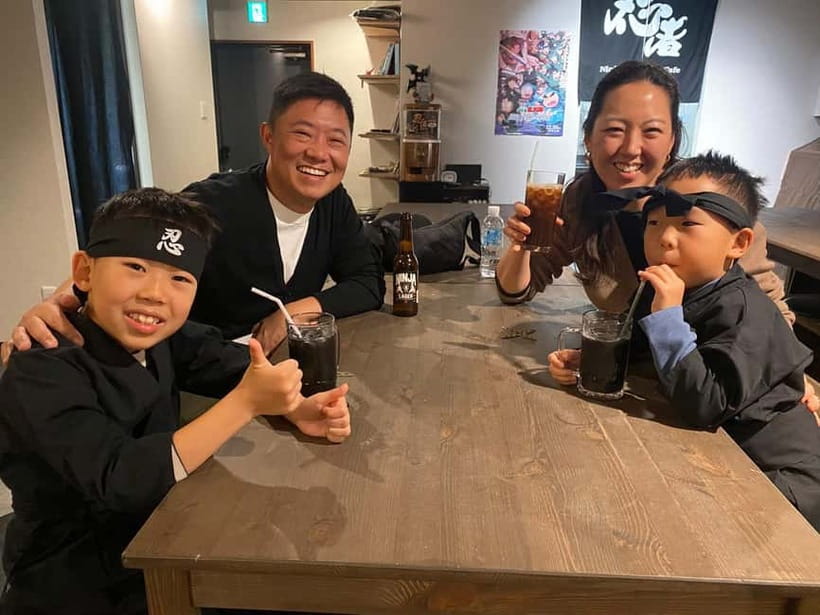
Not everyone in your group will want to do the training—and that’s fine. The cafe is set up so companions can observe, take photos, and enjoy ninja-themed food and drinks.
There’s one important catch: if someone isn’t joining the training, they’ll need to order one drink at the cafe. So if you’re traveling with a mixed group, you’ll want to plan the budget accordingly for the non-participants.
If you’re the photographer or the person tagging along while someone else trains, you’ll still get plenty to do. You can take photos anywhere in the cafe and watch the instructors guide the group through the weapons.
Who This 1-2 Hour Experience Works For (and Who Should Skip It)
This is a good fit if you want a short, high-energy activity that doesn’t require advanced skills. You’ll love it if you:
- want a memorable Osaka stop that’s not just sightseeing
- like hands-on learning
- care about dressing up and getting photos with staff help
- are traveling with kids or multi-age family groups
It also works nicely because it’s indoor and built for an easy visit window. With 1 to 2 hours, you can slot it between other Dotonbori plans without stressing your schedule.
Age note: it’s not suitable for children under 3. If you’re traveling with very young toddlers, this one isn’t designed for them.
If your idea of a great experience is silent, low-stimulation sightseeing, this is the opposite vibe. You’ll be in a coached, active session with costume changes and weapon training components.
Value for $45: When It Feels Worth It
At about $45 per person, you’re paying for more than an outfit and a photo. You’re paying for:
- ninja costume rental
- guided practice with three weapon types
- instruction in Japanese and English
- a planned photo environment where staff help you get great shots
- a small group setup that keeps the experience personal (limited to 10)
So the value math depends on what you’re comparing it to. If you were thinking of doing a generic themed photo stop, this is usually better value because you’re getting a real activity component. If you already dislike hands-on training, then the price can feel steep—because the session is the point.
My practical take: book it when you want a “story you can participate in.” Don’t book it just to collect one more souvenir photo.
Before You Go: Finding the 4th Floor and Handling Costume Changes
Logistics are simple, but you need to know the one gotcha. The cafe is on the 4th floor of the building. There’s no elevator, and you access it via the stairs. There should be a sign on the entrance of the stairs telling you where to go.
This matters if you’re traveling with strollers or anyone who doesn’t do stairs easily. You’ll likely need to carry a stroller up manually.
Also, plan your clothing with costume change in mind. Avoid wearing skirts if possible, because you’ll need to change into the outfit. Comfortable, easy-to-change clothes make the whole experience smoother and less stressful.
Should You Book the Osaka Ninja Experience Cafe in Dotonbori?
If you want a fun, coach-led activity in Osaka that’s built for photos and real participation, I’d book this. It has a strong mix of costume fun, structured weapon training with shuriken, blowgun, and katana, and staff support that helps you capture good moments without chaos.
Skip it only if you hate hands-on activities, need an elevator-friendly venue, or you’re traveling with children under 3. Otherwise, this is the kind of short, memorable experience you’ll be able to tell people about later—because you actually did it, not just watched it.
FAQ
How long is the Osaka ninja experience?
The experience runs about 1 to 2 hours, depending on the starting time and how the session flows.
What weapons do you train with?
You train with three ninja weapons: shuriken, blowgun, and katana.
Is the ninja costume rental included?
Yes. Ninja costume rental is included, and you’ll change into the outfit on site.
Can I take photos if I’m not doing the training?
Yes. If you’re not participating in training, you can observe and take photos around the cafe.
Do non-participants need to buy something?
Yes. If someone isn’t joining the training, the cafe asks them to order one drink.
Is the experience suitable for young children?
It’s not suitable for children under 3.
Where is the meeting point?
The cafe is on the 4th floor. You’ll go up the stairs and look for a sign at the entrance to the stairs indicating the location.