Hidden Osaka turns a normal city walk into a lesson you can taste. You’ll spend the evening in Tobita and Shinsekai, where old signage, local izakaya life, and Osaka food culture all overlap. You get a human guide, not a lecture—plus real context for why this red-light district is famous, historic, and sensitive.
Two things I really like: first, the tour’s focus on how people behave here—respect, street rules, and the legal reality behind what you’re seeing. Second, the food stops are built for people who want to try Osaka specialties they might skip on their own, including kushikatsu and doteyaki. One possible drawback: this is a night walk in areas some visitors may find uncomfortable, and the pacing/food timing can feel rushed if you prefer long sitting-down meals.
In This Review
- Key things you’ll notice on this Yukaku night walk
- Where you start: the Tobita Shinchi evening atmosphere
- Tsutenkaku and Shinsekai: eating while walking in the old Luna Park area
- How the Yukaku etiquette lessons change the whole experience
- The food stops: what you might try, and how to budget smart
- Timing and pacing: 3.5 hours of walking with two main phases
- Why the small group size matters (max 8)
- Language support: who can join and how to find Spanish or French help
- Rain, time, and what to do with surprises
- Is this tour worth the $79?
- Who should book Hidden Osaka Yukaku Red Light Tour & Culinary Adventure
- FAQ
- What is the duration of the tour?
- What time does the tour start?
- Where is the meeting point?
- How many travelers are in a group?
- Is a mobile ticket used?
- Is this tour for everyone?
- Are Spanish or French options available?
- What food will we try?
- What happens if the weather is bad?
- What is the cancellation policy?
- Final call: should you book this night tour?
Key things you’ll notice on this Yukaku night walk
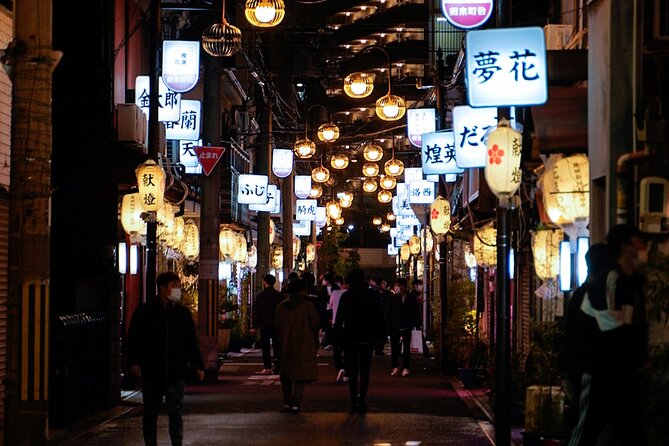
- Tobita Shinchi retro street walk with a historical stop tied to local pop culture
- Shinsekai + Tsutenkaku history in the area that grew out of the old Luna Park
- Walk-while-eating format so you snack through the night instead of doing one big meal
- Small groups (max 8) for easier conversations and less crowd pressure on narrow streets
- Respect and protocol lessons so you know what’s normal here and what to avoid
- Osaka izakaya-style food with bold options and drink pairings
Where you start: the Tobita Shinchi evening atmosphere
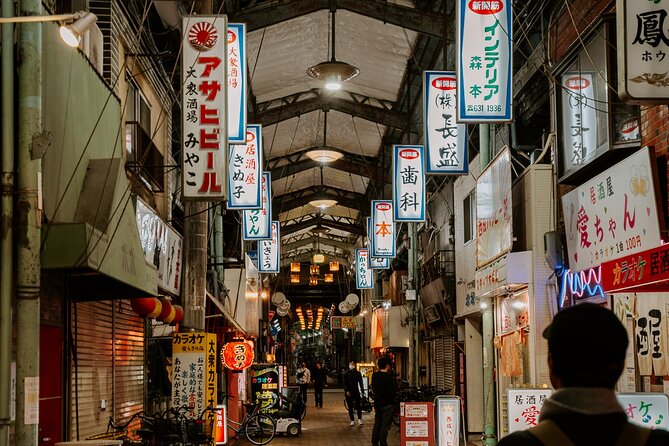
This tour begins at 6:00pm near Causerie1-chōme-2-28 Taishi, Nishinari Ward, Osaka. Expect a real neighborhood start, not a glossy tourist plaza. The first stretch is around Tobita Shinchi, a retro shopping street that has been around for nearly 100 years—the kind of place where the buildings look lived-in and the storefronts feel like they’ve seen decades of Osaka nights.
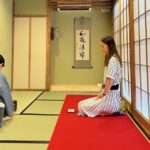
In the first hour, you don’t just walk past things. You’ll get historical context at the sights you’re seeing, which matters here because the district’s reputation comes from more than rumor. You’ll also visit a building that became a model for the red-light district edition of Demon Slayer. That connection helps you frame what you’re seeing—then your guide turns it into local reality.
What I like about this opener is that it gives you a starting map for the rest of the evening. You learn how Tobita Shinchi fits into the larger picture, so when the tour later talks about legality, protocol, and why this place is said to be the last of its kind in all of Japan, it doesn’t feel random.
You can also read our reviews of more tours and experiences in Osaka.

Tsutenkaku and Shinsekai: eating while walking in the old Luna Park area
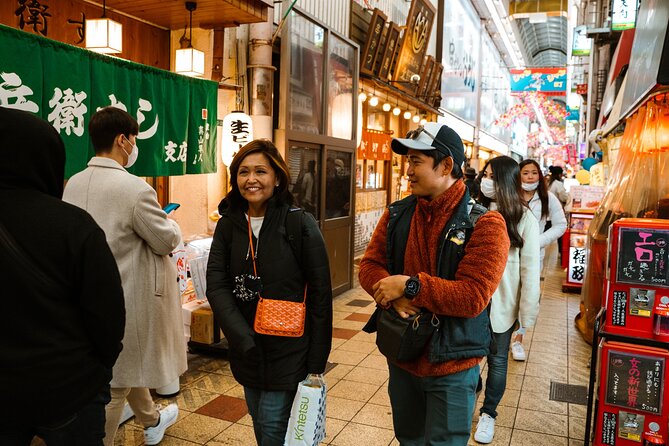
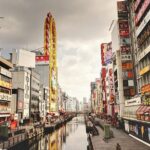
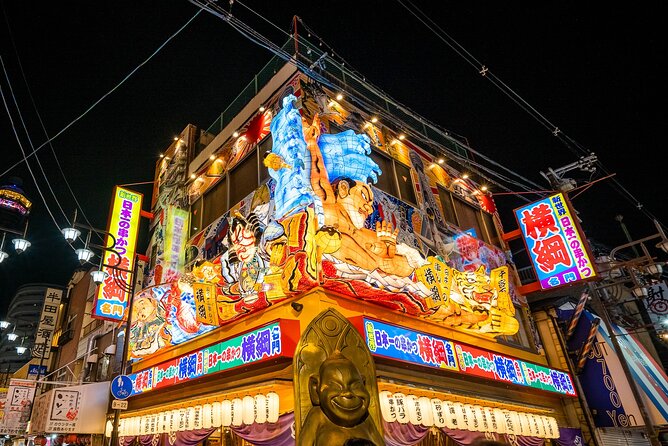
After Tobita Shinchi, the tour shifts toward Tsutenkaku in Shinsekai. This is the second major block of the night, about two hours. Here the format gets more active: you’ll walk while eating, with stops where the food and drink match the neighborhood vibe.
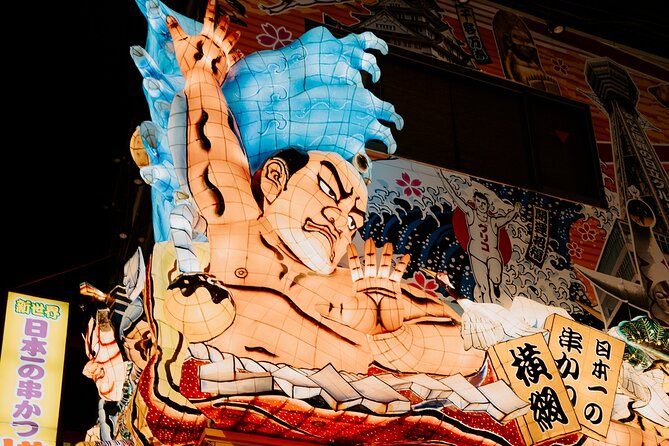
Shinsekai is the kind of Osaka landmark that feels like it has layers. The tour explains its history, including the fact that this area is tied to the old Luna Park. You’re not just taking photos of Tsutenkaku tower from a distance. You’re moving through the streets and learning why the area became a local hangout.
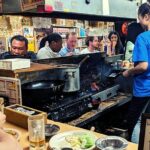
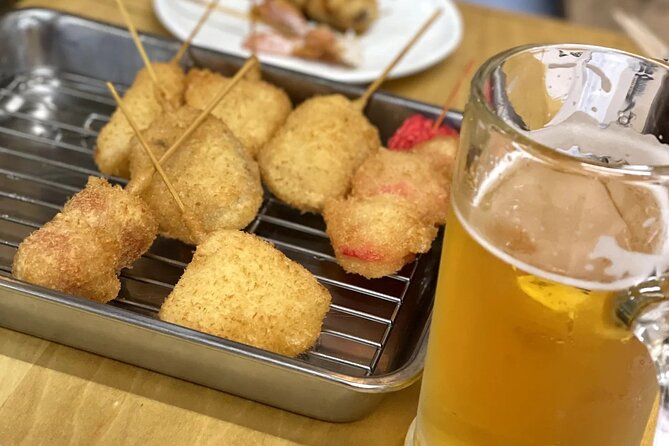
Then comes the Osaka you actually chew. Your food choices are presented as bold and adventurous. The tour specifically calls out kushikatsu and doteyaki. If you’ve never tried either, you’re in the right place. Kushikatsu is Osaka’s famous skewered-fry snack culture. Doteyaki is a hearty local stew, the kind of thing that feels comforting even if you don’t know the story yet.
One practical note: walking + eating works best when you keep your expectations flexible. You won’t linger for a long, slow meal. You’ll snack, walk, snack again. If you’re the type who wants full courses with a big sit-down, you might find the rhythm a little intense.
How the Yukaku etiquette lessons change the whole experience
This tour is not sold as a generic “red light district sightseeing” walk. It’s framed around understanding why the Yukaku district is historically important and why it has to be approached with care. That shows up in the way the evening is explained.
Guides on this experience show up with different personalities—some are funny and high-energy—but the core message stays the same: you learn what to do and what not to do. The tour information emphasizes respectful behavior, plus legality issues many visitors don’t grasp. That’s one reason the guides get such strong ratings: they’re not only telling stories. They’re coaching you on street-level expectations.
In the reviews, guides like Leo, Rui, and Haruki (and even names like Ruey show up across experiences) are praised for making the group comfortable while discussing protocol. Some of that is simply communication style. Some is that they teach practical behavior: where to stand, how to observe appropriately, and how to avoid turning a sensitive place into a theme park moment.
If you’re going to a district connected to the oldest profession, you’ll enjoy this more if you treat it like a cultural walk with boundaries—not a dare. I think that’s the tour’s real value: it gives you the context to look with respect.
The food stops: what you might try, and how to budget smart
Let’s talk money and expectations, because this is where people can feel satisfied—or slightly annoyed—depending on how they plan.
The tour notes an average izakaya spend of about ¥4000. That’s your clue that food and drinks are a meaningful part of the overall night, even if your base ticket is priced at $79. Reviews also suggest that some people prefer paying the food portion up front (when that option exists) so you don’t end up doing lots of cash-on-the-night math.
So here’s my practical advice. Before you go, check what your booking includes:
- whether food is already included or
- whether you’ll be paying at izakaya stops during the night
Either way, plan for spending like an izakaya night. Even with guided ordering, you’ll likely want to budget for drinks and the dishes you’re trying.
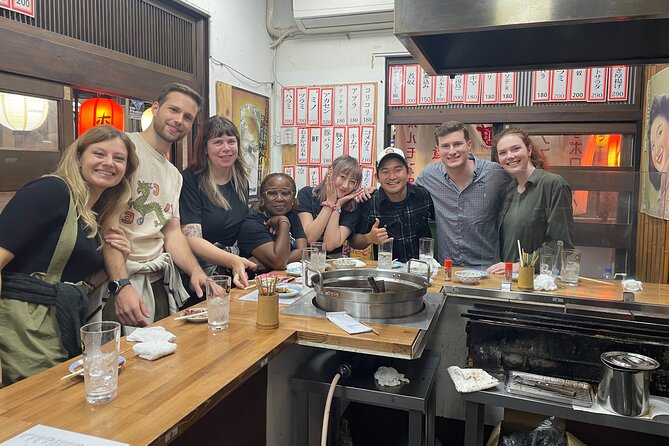
As for what you’ll taste: the tour is explicit about Osaka specialties like kushikatsu and doteyaki. Reviews also describe trying dishes you might not choose on your own, including stand-up style bar food and multiple snack stops. That matches the tour’s promise: this is for the bold. You’re meant to eat things that surprise you.
One drawback that shows up in feedback: the pacing of the food can feel slightly tight—some people want more spacing between tastings and less walking-before-food. If you’re planning around dinner plans elsewhere, I’d keep your schedule flexible that night.
Timing and pacing: 3.5 hours of walking with two main phases
This experience runs about 3 hours 30 minutes. The structure is pretty clear:
- about 1 hour in Tobita Shinchi
- about 2 hours around Tsutenkaku and Shinsekai, with walking + eating
The upside of this timing is you’ll get enough time to absorb the stories and still eat several local bites. The downside is the walking rhythm. If you want long rests or a slow meal format, you may feel like the night moves too fast.
Some reviews explicitly call out pacing: either the food could be spaced out better, or the tour could be shorter for the walking portion. That tells me the experience is best for people who like walking at night and learning in motion.
If you go in with the right mindset—comfortable shoes, flexible timing, and an open stomach—you’ll likely have a great time. If you’re expecting a relaxed sit-down dinner tour, you might feel shortchanged.
Why the small group size matters (max 8)
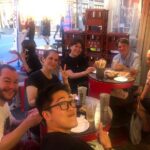
The tour caps at 8 travelers, which is a big deal for this kind of neighborhood. Narrow streets, small eateries, and sensitive areas don’t mix well with large crowds. A smaller group means your guide can keep an eye on everyone, control timing better, and answer questions without rushing.
In reviews, people mention feeling welcomed and comfortable, and that small groups make moving around and conversations easier. That’s exactly what you should look for with an off-the-beaten-path evening. It’s harder to get personal context from a huge group, and it’s harder to keep respectful behavior when you’re in a crowd.
If you like meeting people but still want a real conversation, this group size is a win.
Language support: who can join and how to find Spanish or French help
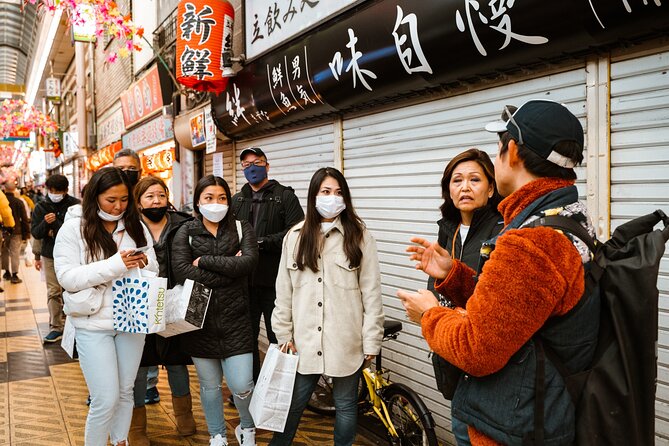
The tour description says the group is run by passionate Japanese staff who are fluent in multiple languages. It also says you can send a message for Spanish and French options. If you’re not traveling with Japanese, don’t assume you’ll get English automatically—message ahead and confirm.
For most visitors, the tour says most travelers can participate. That suggests it’s not limited to niche mobility needs, but you should still plan for walking. This is a night tour with neighborhood streets, so comfortable footwear matters.
Rain, time, and what to do with surprises
The experience requires good weather. If it gets canceled due to poor weather, you’ll be offered a different date or a full refund. Reviews also mention that having an umbrella helps, and that guides may help if you show up unprepared.
Also, bring an expectation that you’ll be outside for long stretches at night. Even when the tour hits places with seats, the nature of the route is movement first. If you want a quiet, fully indoor plan, this is not that.
Is this tour worth the $79?
At $79, you’re paying for an evening guide, guided walking through Tobita and Shinsekai, and the chance to try local food in places you might not find on your own. But the most important factor is understanding the food component.
The average izakaya spending clue (¥4000) tells you that the night likely continues beyond the base price. If the food portion is included in your booking, then $79 can feel like solid value for a guided cultural evening plus multiple tastings. If the food is paid separately, then your real cost becomes $79 plus whatever you spend at the izakaya stops.
Either way, this tour tends to work best when you treat it like a guided night out with someone who knows the rules of the neighborhood, not a cheap “peek and leave” attraction. You’re there for context and for food. If you’re after either one only, look closely at what’s included before you book.
Who should book Hidden Osaka Yukaku Red Light Tour & Culinary Adventure
Book it if you:
- like walking tours with real local context and a guide who explains behavior
- want to try Osaka foods like kushikatsu and doteyaki
- prefer a small group and a night plan that feels adult and off-script
Skip it if you:
- want a sanitized, beginner-friendly version of the city with zero awkwardness
- dislike eating on the move or prefer long sit-down meals
- are uncomfortable with destinations tied to the Yukaku world and the protocols required there
If you’re curious, respectful, and hungry, this is the kind of tour that makes Osaka feel bigger than the usual highlight list.
FAQ
What is the duration of the tour?
The tour runs about 3 hours 30 minutes.
What time does the tour start?
It starts at 6:00 pm.
Where is the meeting point?
The start location is Causerie1-chōme-2-28 Taishi, Nishinari Ward, Osaka, 557-0002, Japan.
How many travelers are in a group?
This experience has a maximum group size of 8 travelers.
Is a mobile ticket used?
Yes, the tour uses a mobile ticket.
Is this tour for everyone?
The tour information says it is not for everyone. It also notes that most travelers can participate, but it is positioned for mature audiences.
Are Spanish or French options available?
Yes. The operator asks you to send a message for Spanish and French options.
What food will we try?
The tour highlights Osaka dishes including kushikatsu and doteyaki, and it includes a drink pairing as part of the culinary adventure.
What happens if the weather is bad?
The experience requires good weather. If it’s canceled due to poor weather, you’ll be offered a different date or a full refund.
What is the cancellation policy?
Free cancellation is available. You can cancel up to 24 hours in advance for a full refund.
Final call: should you book this night tour?
I’d book it if you want Osaka at night with context, not just sightseeing. The biggest strength is the combination of street-level history + respect/protocol lessons + Osaka food in a small group. If you go in expecting an adult, walking-focused experience, you’ll likely find it memorable for the right reasons.
If you’re the type who gets stressed by unfamiliar neighborhoods or pacing that doesn’t include long meal breaks, then you might feel rushed. In that case, consider another Osaka tour style that matches your comfort level.