REVIEW · OSAKA
Tea and Calligraphy Session at a Table in Osaka
Book on Viator →Operated by 道-michi- · Bookable on Viator
Tea ceremony and calligraphy in Osaka sounds fancy, but it’s actually doable. This hands-on session at Shinsaibashi ARTY Inn blends a short tea lesson with guided Japanese calligraphy in about an hour, with a pro tea master steering you through the basics without the usual intimidation.
I especially like that it’s set up as a beginner-friendly, table-based experience (not tatami-only), and that you leave with something you made: your own calligraphy artwork. One thing to keep in mind: it’s a 1-hour experience, so the instruction is focused and starter-level rather than long, deep practice.
In This Review
- Key highlights to look for
- Tea and calligraphy at a table in Shinsaibashi
- Step-by-step: how the 1-hour session flows
- Matcha and sweets: what you actually get to do
- Calligraphy at your seat: writing and taking it home
- What makes the setting worth it: Shinsaibashi ARTY Inn and samurai vibes
- Price and value: is $22.76 worth your time?
- Who should book this and who might skip it
- Small details that make a difference on the day
- Should you book this Osaka tea and calligraphy session?
- FAQ
- How long is the tea and calligraphy session?
- What’s included in the price?
- Can I choose tea ceremony or calligraphy only?
- How big is the group?
- Is the experience done at a table?
- Is there free cancellation?
Key highlights to look for
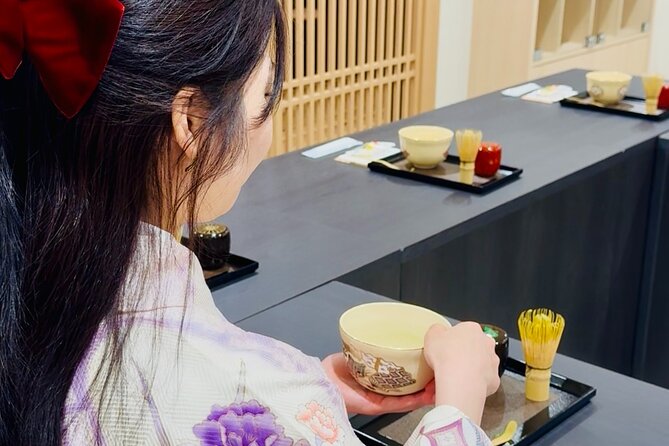
- Table-based format in Shinsaibashi so you can relax, sit comfortably, and follow along fast
- Matcha tea plus Japanese sweets included, giving you a full taste of the session’s vibe
- Calligraphy you create and take home so the class sticks with you after Osaka
- Professional tea master guidance, with a calm pace aimed at first-timers
- Small group size (max 10) which helps you get attention and photos
- Optional add-ons on site like kimono or samurai experiences for an extra fee
Tea and calligraphy at a table in Shinsaibashi
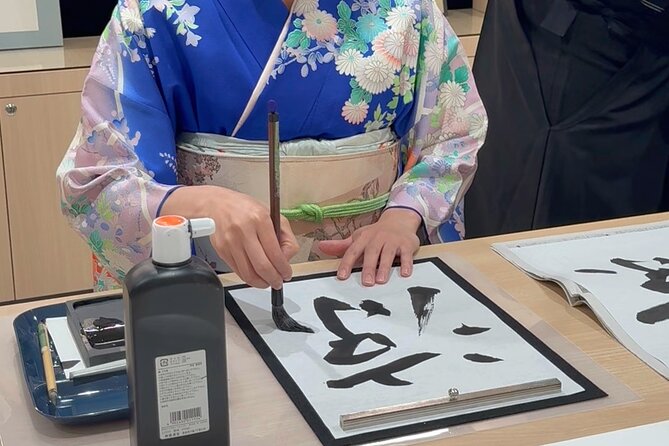
Osaka is great for practical cultural experiences. This one hits that sweet spot: you learn two Japanese traditions in a compact format, without needing prior knowledge or special skills.
The facility in Shinsaibashi (the meeting point is 2-chōme-17-3 Nishishinsaibashi, Chuo Ward, Osaka) is set up for visitors who want structure. You’re not being thrown into a complicated ritual. Instead, you’re guided step-by-step by professionals, while the format stays comfortable for beginners because it’s at a table.
And yes, there’s an extra layer of fun here. On site, there’s a samurai-themed atmosphere, including a display of samurai armor. Even if you don’t dress up, it adds a real sense of place beyond just sitting and writing.
You can also read our reviews of more tours and experiences in Osaka.



Step-by-step: how the 1-hour session flows
This is a mobile-ticket experience that runs for about 1 hour. You’ll start at the Shinsaibashi ARTY Inn, and the activity ends back near where you began. The rhythm is simple, which is exactly what you want when you’re learning.
Here’s the flow you can expect in plain terms:
- You begin with the tea ceremony portion and get a guided introduction to matcha and the etiquette around serving.
- Then you move into calligraphy. You’ll create your own piece and get to take it home.
- If you opted out of one part, you can still do just tea or just calligraphy, depending on the plan you choose.
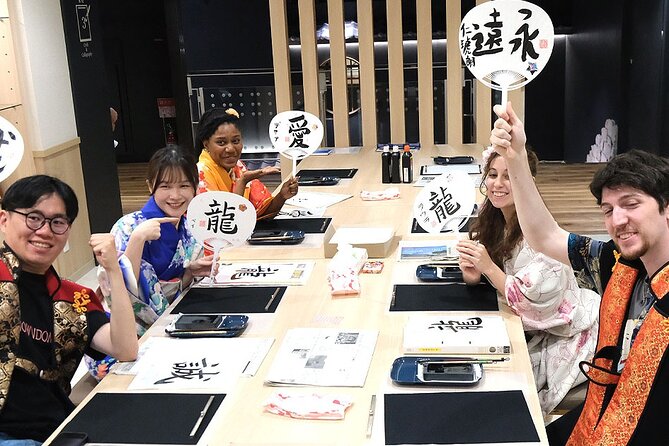
It’s also built for small groups, with a maximum of 10 travelers. That matters because calligraphy and tea both require hand positioning and attention. A smaller group helps the staff notice when you need a correction, not just when you’re confused.
Matcha and sweets: what you actually get to do
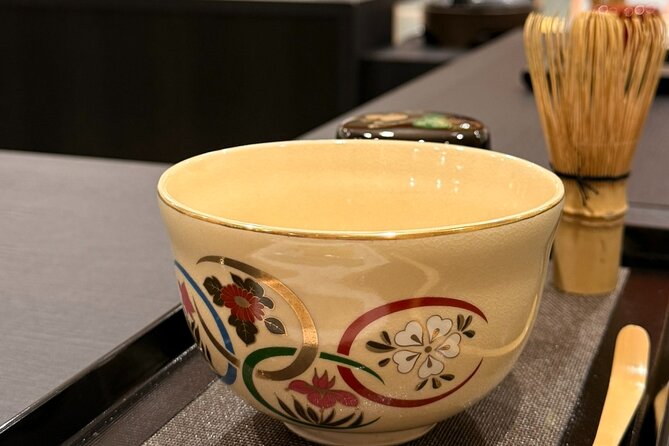
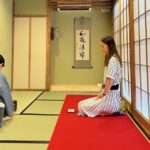
For many people, tea ceremony is the part that feels mysterious. This session keeps it grounded. You’ll be served matcha and Japanese sweets as part of the experience, and you get guided instruction from the tea master.
What I like about this setup is that you’re not learning tea in a vacuum. You get taste right away. That makes the lesson easier to remember because you link the gestures to flavor and timing.
You can treat the tea portion like a mini crash course in:
- How the ritual feels in real time
- How matcha is presented and experienced
- The calm, respectful pacing that’s part of the tradition
If you’re the type who relaxes better when you can do things with your hands, this tea segment works well. It’s also a good cultural entry point if you’re nervous about calligraphy. Tea is forgiving. Your calligraphy piece will do the talking later.
Calligraphy at your seat: writing and taking it home
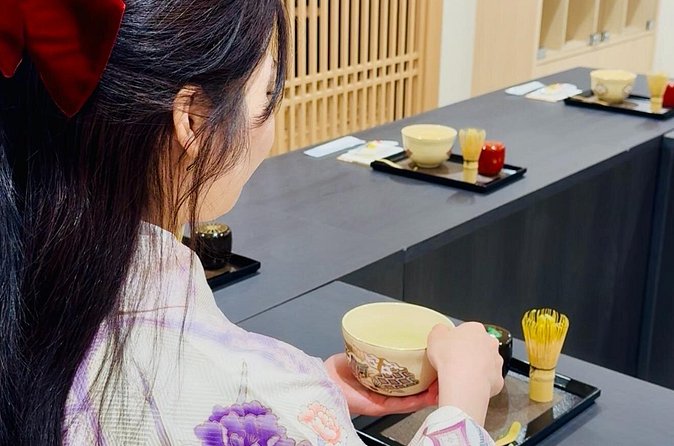
The calligraphy part is the heart of the class for most people, and it’s also where you get the best souvenir.
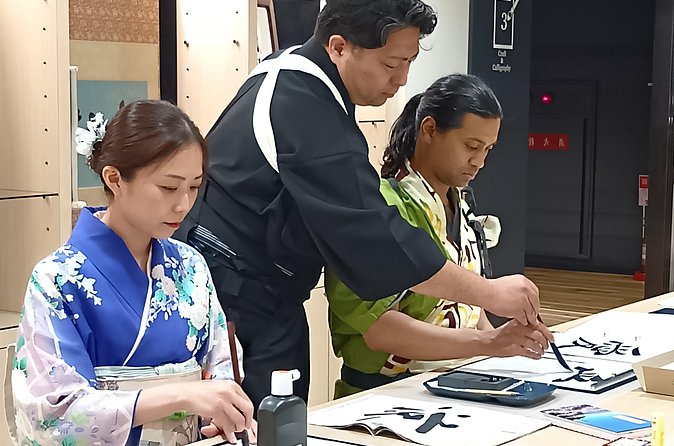
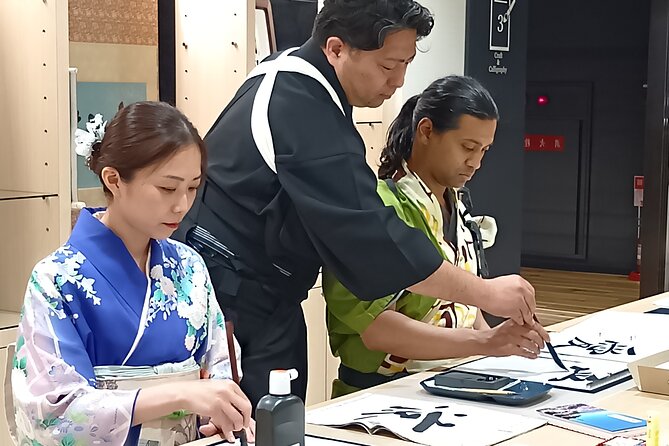
You’ll make a piece of Japanese calligraphy and take your artwork home. That takeaway matters more than it sounds. When you buy a postcard or a print, you own the image. When you make the character yourself, you own the memory of learning the stroke order and the physical feeling of the brush.
Also, this is designed for beginners. The format is table-based, so you’re not dealing with the extra friction of traditional tatami settings or floor-level posture. That keeps the focus on the lesson: how the brush moves, how you hold your hand, and how each mark fits together.
If you want your calligraphy to look good on paper, don’t rush. I’d treat it like handwriting practice with a cultural twist. The staff guidance is there to help you get the basics right, not to test you.
What makes the setting worth it: Shinsaibashi ARTY Inn and samurai vibes
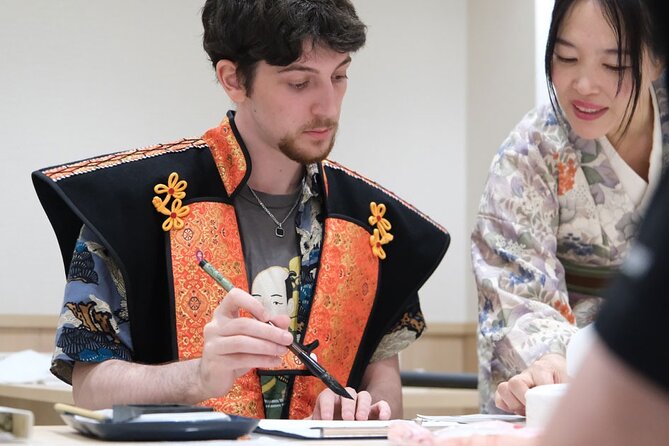
This experience is hosted at Shinsaibashi ARTY Inn, part of the broader Michi (道-michi-) cultural setup.
Even if you do only tea and calligraphy, you’re in a space that feels dedicated to Japanese culture and themed presentation. One of the most praised parts from recent visitors is the quality of the samurai-related displays on site. It’s not something you’d necessarily expect from a class focused on tea and handwriting, and it gives you extra visual context while you’re there.
You can also add optional experiences for extra cost, such as:
- Samurai Immersive Experience (listed at ¥3,300 per person)
- Samurai Armor Dressing (¥12,000 per person)
- Kimono Dressing (¥12,000 per person)
- NINJA Dressing (¥5,000 per person)
And there can be music elements on the broader program side, since staff responses reference traditional instruments as part of the overall visit experience. The key point for your planning: your main session includes tea and calligraphy, while the samurai outfits and other dress-up options are add-ons, not bundled into the base price.

Price and value: is $22.76 worth your time?
At $22.76 per person for about one hour, I think the value depends on what you want out of Osaka.
If your goal is a hands-on cultural activity you can finish in a short window, this price is easier to justify. You get:
- Guided matcha tea plus Japanese sweets
- Guided calligraphy where you create something and take it home
- A professional presence that keeps you from floundering
- A small group size that supports individualized help
The “hidden value” here is time and confidence. Calligraphy classes and tea ceremonies can range from formal and intimidating to touristy and generic. A beginner-friendly table setup with a focused time limit is a smart middle ground.
You can also consider how often this kind of class fits into a travel schedule. The booking pace is fairly strong, with many people reserving around 18 days in advance on average. If your trip dates are tight, I’d book earlier rather than later.
Who should book this and who might skip it
This is a great match if:
- You’re new to both tea ceremony and calligraphy and want a structured first experience
- You want a cultural class that doesn’t require advanced language skills
- You care about leaving with a tangible result (your calligraphy piece)
- You prefer a comfortable, table-based setup
You might reconsider if:
- You’re hoping for a long, serious calligraphy training session
- You want a full-day deep ritual experience rather than a focused hour
- You’re only interested in food and not the learning component (though you will taste matcha and sweets)
One more practical note: the staff tend to make the experience feel friendly and supportive. That matters in calligraphy. If you’re worried about messing up, you’ll feel better when you’re guided rather than just watched.
Small details that make a difference on the day
A few practical points help you enjoy it more:
- Arrive ready to sit and work at a table. This isn’t a floor posture class.
- Be ready to follow gestures and pacing. Tea is rhythm-based, not just technique.
- Bring curiosity. You don’t need to know the meaning of the character ahead of time to enjoy the process.
- If you want photos, the staff emphasis on helpful guidance can make picture-taking easier during the session.
Also, it’s a good call for people who like “one location, two traditions.” You won’t be running across town between different activities. It’s concentrated, efficient, and ideal when you’re trying to balance sightseeing with calmer experiences.
Should you book this Osaka tea and calligraphy session?
Book it if you want a beginner-friendly, table-based introduction to tea ceremony and calligraphy, with matcha and sweets included and a real souvenir you made yourself. At $22.76 for an hour with a pro guide and a small group cap, it’s a solid value for a short cultural stop.
Skip it only if you’re chasing a long, advanced training style or a full-day tradition event. For most visitors, this hits the sweet spot: calm, guided practice, plus that satisfying moment when you look down and realize you actually wrote the piece.
FAQ
How long is the tea and calligraphy session?
The experience lasts about 1 hour.
What’s included in the price?
You get a tea ceremony with matcha and Japanese sweets, plus Japanese calligraphy where you create an artwork and take it home.
Can I choose tea ceremony or calligraphy only?
Yes. You can enjoy both together in the limited-time plan, or choose just tea ceremony or just calligraphy if you prefer.
How big is the group?
The maximum group size is 10 travelers.
Is the experience done at a table?
Yes. The session is at a table instead of a traditional tatami setup, which makes it beginner-friendly.
Is there free cancellation?
Yes, free cancellation is available up to 24 hours in advance for a full refund.